







































Updated July 5, 2026

Commercial Truck Insurance in Birmingham
Birmingham operating costs put pressure on every fixed expense, so your truck policy should be built around the losses you could actually absorb. With a median household income of $44,376, cash flow discipline matters for many owner-operators and small fleets here, so it is worth testing higher deductibles against stronger liability, cargo, or physical damage limits instead of defaulting to the lowest upfront bill. Commercial truck insurance in Birmingham works better when the quote matches how your units are parked, who drives them, and whether you are hauling retail inventory, medical supplies, tools, or mixed local deliveries across Jefferson County. If a down unit would interrupt contracts for even a few days, ask for a quote that separates essential coverages from optional add-ons and shows the premium effect of each change. That gives you a cleaner buying decision before renewal, before adding a driver, or before financing another truck.
Commercial Truck Insurance Risk Factors in Birmingham
Birmingham's top risk factors include Tornado damage, Hail damage, Severe storm damage, and Wind damage.
Alabama has a high climate risk rating. Top hazards: Tornado (Very High), Hurricane (High), Flooding (High), Severe Storm (High). The state's expected annual loss from natural hazards is $1.4B, which influences commercial truck insurance premiums and may affect coverage availability in high-risk areas.
What Commercial Truck Insurance Covers
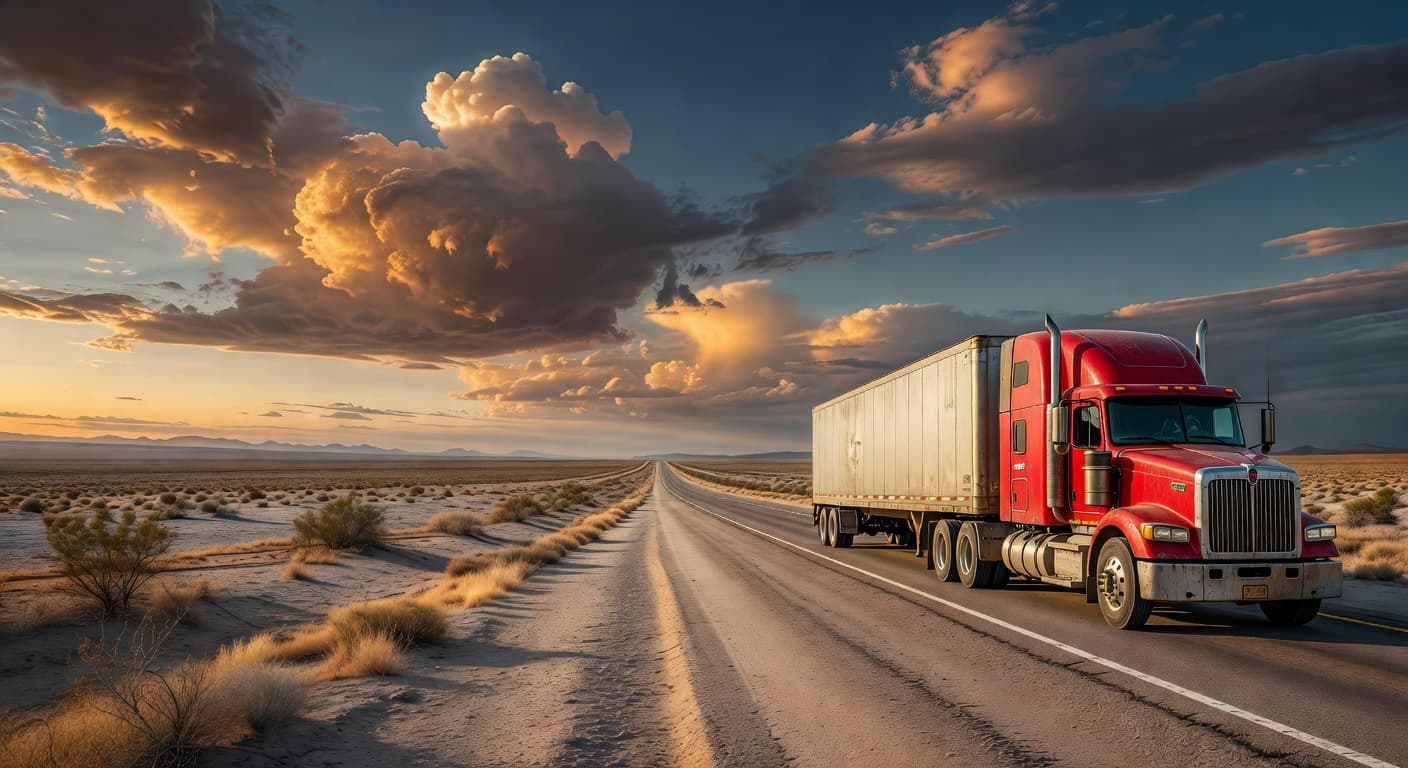
Commercial truck insurance in Alabama can help protect trucking operations that move freight, equipment, or deliveries across the state and beyond. Core protection usually includes motor carrier liability, physical damage, cargo coverage, trailer interchange, bobtail coverage, and non-trucking liability insurance, but the exact mix depends on whether you run long haul, regional routes, or local hauling. Alabama does not create a separate truck insurance package by itself, so your policy is shaped by carrier underwriting, your business size, and the routes you run under state oversight. A fleet running through storm-prone counties may want to pay close attention to physical damage and cargo insurance because Alabama's severe weather can create expensive losses. Liability requirements also matter, as the state's commercial auto minimums apply while federal freight rules may require higher motor carrier liability coverage depending on what you haul. Coverage terms can vary for owner-operators, small fleets, and larger motor carriers, and some shippers may ask for limits above the minimums. Exclusions and endorsements vary by policy, so a quote should be reviewed for trailer interchange language, non-trucking use, and whether cargo limits match the freight you actually move.
Coverage Included

Motor Carrier Liability
Can help cover injuries and property damage your truck causes to others, a coverage federal regulators require most for-hire carriers to maintain.
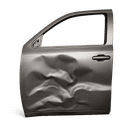
Physical Damage
Can help pay to repair or replace your own truck after an accident, fire, theft, or vandalism.
Cargo Coverage
May pay for damage to or theft of the freight you are hauling while it is in your care.
Trailer Interchange
Can help cover damage to trailers you haul under an interchange agreement but do not own.

Bobtail Coverage
May provide liability protection when you drive your tractor without a trailer attached, such as after dropping off a load.

Non-Trucking Liability
Can help cover accidents that happen when you use your truck for personal errands rather than dispatched work.
Commercial Truck Insurance Cost in Birmingham
Average Cost in Alabama
$350 - $1,050
per month
Businesses in Alabama typically see commercial truck insurance premiums of $350 - $1,050 per month, which tends to run 8% below the national range of $400 - $1,125 per month.
- Radius of operation
- Commodities hauled and cargo value
- Number and value of power units
- Driver motor vehicle records and CDL experience
- DOT safety record, inspections, and FMCSA scores
- Liability limits and physical damage deductibles
Contact CPK Insurance for a personalized quote.
Prices shown are general estimates, not guaranteed rates or quotes. Your actual premium will depend on the insurer, coverage selected, business details, location, claims history, and other underwriting factors. Learn about our pricing methodology.
Commercial truck insurance cost in Alabama is influenced by both market conditions and operating risk. Your quote can move up or down based on coverage limits, deductibles, claims history, location, industry risk profile, and policy endorsements. Alabama's high tornado risk, plus high hurricane, flooding, and severe storm exposure, can push premiums upward for trucks that park, load, or travel in vulnerable areas. Loss trends also matter, as Alabama sees real accident exposure on state roadways and underwriters may price policies accordingly. Those crash causes can include common roadway hazards, which may affect both liability and physical damage pricing. If you haul in higher-risk lanes, carry heavier cargo, or need broader motor carrier liability coverage, your premium may trend higher than a local box truck with short, predictable routes. The best way to narrow the range is to request a quote with your VINs, routes, freight type, and loss history ready.
Industries & Insurance Needs in Birmingham
Jefferson County demand matters because the customer mix around Birmingham changes what many trucks carry and how often they stop, unload, and return. The county has 16,936 business establishments, so a lot of local trucking work is tied to short-haul service between vendors, job sites, clinics, offices, and stores rather than one simple out-and-back lane. Retail trade makes up 15% of establishments, professional, scientific, and technical services 11.8%, and health care and social assistance 11.2%, so you should think carefully about cargo type, delivery schedules, and whether your policy reflects frequent loading, unloading, and urban parking exposure. If your book of business includes store replenishment, equipment delivery, or time-sensitive medical routes, ask your agent to review radius, vehicle use, hired and non-owned auto needs, and downtime tolerance before you bind.
What Makes Birmingham Different
Customer density is what changes the calculus here. In a market anchored by retail, office, and health care activity across Jefferson County, many trucking accounts are not built around one commodity or one lane. They are built around repeated stops, mixed cargo, tight delivery windows, and trucks that spend as much time parked at customer locations as they do moving. That operating pattern can change which losses hurt most. A minor collision is one problem, but a claim involving damaged customer goods, a missed delivery window, or a borrowed vehicle can be the bigger financial disruption. That is why a Birmingham buyer should review the policy as an operating document, not just a filing. Map your real routes, list every unit, identify where trucks sit overnight, and make sure driver schedules, cargo descriptions, and territory are accurate before you compare quotes.
Our Recommendation for Birmingham
Start with the exposures that would interrupt revenue fastest. If one truck going down would force you to turn away deliveries, review physical damage deductibles alongside rental reimbursement or other downtime-related options available on the quote. If your work touches stores, clinics, or office clients, confirm that cargo descriptions are specific and current, because vague classifications can create problems later. For mixed-use fleets, ask whether each unit should carry the same limits or whether heavier, financed, or higher-value trucks need a different structure. It is also smart to review who can drive, where vehicles are garaged, and whether any employee uses a personal vehicle for business errands. Before you renew, request a side-by-side quote that shows the cost impact of changing deductibles, liability limits, and endorsements, then choose the version that fits your contracts and your cash reserves.
Get Commercial Truck Insurance in Birmingham
Enter your ZIP code to compare commercial truck insurance rates from carriers in Birmingham, AL.
Business insurance starting at $25/mo
FAQ
Frequently Asked Questions
Birmingham owner-operators should review deductibles, liability limits, and cargo details first. With local household income at $44,376, preserving cash flow matters, so compare what you could realistically pay out of pocket after a loss before choosing a lower premium.
Jefferson County has 16,936 business establishments, which supports a lot of short-haul and service-driven trucking activity. That makes it important to match your policy to frequent stops, customer-site parking, and the actual goods or equipment you move.
Birmingham-area fleets should quote around their real customer base. In Jefferson County, retail trade is 15% of establishments, professional services 11.8%, and health care and social assistance 11.2%, so cargo type and delivery timing can change what you need reviewed.
Birmingham fleets do not always need one deductible across every unit. If one truck is financed, carries higher-value cargo, or is harder to replace quickly, ask for a quote that tests different deductible structures by vehicle.
In Alabama, a commercial truck policy can be built around motor carrier liability, physical damage, cargo coverage, trailer interchange, bobtail coverage, and non-trucking liability, depending on whether you run local, regional, or long-haul routes.
Alabama's commercial auto minimums apply, and your actual trucking operation may need more if federal freight rules or shipper contracts require higher motor carrier liability coverage.
The typical range for the state is about $350 to $1,050 per month per truck, but your final price varies with claims history, location, limits, deductibles, and policy endorsements.
If you haul freight, cargo coverage may help protect the load during transit, and physical damage coverage may help protect the truck itself. Both are especially worth reviewing in Alabama because of storm exposure and freight loss risk.
Sources
- 1.U.S. Census Bureau, ACS 5-Year Estimates, table B19013(With a median household income of $44,376, cash flow discipline matters for many owner-operators and small fleets here.)
- 2.U.S. Census Bureau, County Business Patterns, Jefferson County(The county has 16,936 business establishments, so a lot of local trucking work is tied to short-haul service between vendors, job sites, clinics, offices, and stores rather than one simple out-and-back lane.; Retail trade makes up 15% of establishments, professional, scientific, and technical services 11.8%, and health care and social assistance 11.2%.)
Updated July 5, 2026





