Updated July 16, 2026

Key Takeaways
- Compare your current liability limits against a higher-limit option before renewing, especially if you have savings, income, or property to protect.
- Review collision and comprehensive separately for each vehicle, and keep them only where replacing the car out of pocket would be difficult.
- Ask for at least two deductible options on physical damage coverages so you can balance premium savings against your out-of-pocket risk.
- Check whether uninsured motorist, medical payments, and rental reimbursement solve real problems for your household before removing them to cut premium.
- Use the same drivers, vehicles, limits, deductibles, and effective date on every quote so you can compare policies fairly.
Car Insurance in Montana
Buying car insurance in Montana means balancing state rules, weather-driven risk, and a competitive market. For drivers in Helena, Billings, Missoula, Bozeman, Great Falls, and smaller communities, your policy is shaped by winter storms, wildfire exposure, and an uninsured driver rate of 7.8%. That uninsured rate is low enough to feel manageable but high enough to matter when you are choosing coverage limits. Montana premiums sit near the national average, and your quote can move based on deductibles, coverage limits, claims history, and where you drive.
Because the state regulates the market through the Commissioner of Securities and Insurance, local drivers should compare options carefully. Each coverage type serves a distinct purpose, and the right mix depends on your vehicle, commute, and budget. If you drive on rural highways, commute through snowy passes, or park in areas with higher theft and weather exposure, your coverage choices matter even more.
What Car Insurance Covers
Car insurance in Montana is built around protecting you from losses tied to an auto accident, vehicle damage, injuries, and uninsured drivers. Liability coverage is the foundation because Montana drivers must meet the state's auto insurance rules, and split liability limits serve as a benchmark for required protection levels. For personal policies, the exact structure can vary by carrier. The key idea is that liability can help pay for injuries or damage you cause to others, while collision may help cover your own vehicle after an accident and comprehensive can help cover non-collision losses such as wildfire, hail, theft, or winter storm-related damage.
That matters in Montana, where wildfire risk is rated very high, winter storms are high risk, and recent disasters included a 2024 wildfire complex and a 2023 severe winter storm. Uninsured motorist coverage is especially relevant because Montana's uninsured driver rate is 7.8%, so it can help when the other driver lacks enough coverage. Medical payments coverage can help with medical expenses after a crash, and rental reimbursement can help keep you mobile while your car is being repaired, subject to policy terms. Deductibles and coverage limits shape how much risk stays with you versus the insurer. Exclusions and endorsements vary by policy, so drivers in Montana should review how their policy treats weather losses, rural driving, and high-value vehicles before they bind coverage.

Liability
Can help pay for injuries and property damage you cause to others in an accident, coverage most states require drivers to carry.
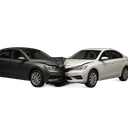
Collision
Can help pay to repair or replace your car after a crash with another vehicle or object, regardless of fault.

Comprehensive
Typically covers damage to your car from events other than collisions, such as theft, hail, fire, flooding, or hitting an animal.

Uninsured Motorist
May pay for your injuries and, in some states, car damage when an at-fault driver has no insurance or too little.

Medical Payments
Can help cover medical bills for you and your passengers after an accident, no matter who was at fault.
Rental Reimbursement
May pay for a rental car while your vehicle is in the shop for repairs after a covered claim.
Car Insurance Requirements in Montana
- Montana's auto minimums of $25,000/$50,000/$15,000 serve as a benchmark for required protection levels, while optional coverages like collision, comprehensive, and rental reimbursement vary by policy.
- Winter storm, wildfire, flood, and theft exposure can affect how much comprehensive and collision protection a Montana driver should consider.
How Much Does Car Insurance Cost in Montana?
Average Cost in Montana
$80 - $190
per month
In Montana, car insurance premiums typically run $80 - $190 per month, which tends to run 21% below the national range of $110 - $230 per month.
- Driving record and age
- Vehicle make, model, and year
- Location and commute distance
- Credit-based insurance score
- Coverage limits and deductibles
Contact CPK Insurance for a personalized quote.
Montana car insurance cost is close to the national average overall, with a premium index of 98 and an average monthly range of $80 to $190 per month. A premium index of 98 means Montana rates sit just below the national baseline, so your pricing should feel roughly typical compared to drivers in other states. That range is wide because carriers price for the details that matter most in Montana: coverage limits, deductibles, claims history, location, endorsements, and the type of vehicle you drive. A driver in Helena may see different pricing than someone in a rural county because commute patterns, theft exposure, weather risk, and repair access can all influence a quote. Montana also has a broad market with many active insurance companies, which creates more shopping options but also more variation between quotes.
State risk conditions can push premiums in different directions. Severe winter storms, wildfire exposure, and flood or mudslide history can increase the likelihood of comprehensive claims. The state's 18,000 crashes in 2023 and average claim cost of $22,817 mean a single severe collision can add thousands in repair and medical costs, which can push rates higher for everyone in the pool. Speeding, red-light violations, weather conditions, drowsy driving, and impaired driving were all leading crash factors, so a driver's record can matter a lot. The state's market is also affected by local economics: household income, vehicle use, and annual mileage can all influence what a carrier offers. Because premiums are near average but still vary by carrier, comparing quotes from multiple insurers is one of the most practical ways to understand your own price.
| Coverage | What It Pays For | Required? |
|---|---|---|
| Bodily Injury Liability | Other people's injuries when you're at fault | Yes (most states) |
| Property Damage Liability | Damage to others' property when you're at fault | Yes (most states) |
| Collision | Your vehicle damage in accidents | If financed/leased |
| Comprehensive | Theft, vandalism, hail, floods, animal strikes | If financed/leased |
| Uninsured Motorist | Your injuries/damage when other driver is uninsured | Many states |
| Medical Payments/PIP | Your medical expenses regardless of fault | No-fault states |
| Rental Reimbursement | Rental car while yours is being repaired | Optional |
Bodily Injury Liability
- What It Pays For
- Other people's injuries when you're at fault
- Required?
- Yes (most states)
Property Damage Liability
- What It Pays For
- Damage to others' property when you're at fault
- Required?
- Yes (most states)
Collision
- What It Pays For
- Your vehicle damage in accidents
- Required?
- If financed/leased
Comprehensive
- What It Pays For
- Theft, vandalism, hail, floods, animal strikes
- Required?
- If financed/leased
Uninsured Motorist
- What It Pays For
- Your injuries/damage when other driver is uninsured
- Required?
- Many states
Medical Payments/PIP
- What It Pays For
- Your medical expenses regardless of fault
- Required?
- No-fault states
Rental Reimbursement
- What It Pays For
- Rental car while yours is being repaired
- Required?
- Optional
How Montana compares with the national baseline
Uninsured drivers
7.8% vs 11.6% baseline
About 7.8% of Montana drivers are estimated to be uninsured, below the 11.6% average across states.
Fatal crashes per 100 million miles
1.92 vs 1.33 baseline
Montana sees about 1.92 fatal crashes per 100 million miles driven, above the national average of 1.33.
Blue bar: Montana. Gray line: national baseline.
Prices shown are general estimates, not guaranteed rates or quotes. Your actual premium will depend on the insurer, coverage selected, personal details, location, claims history, and other underwriting factors. Learn about our pricing methodology.
Request a Quote Comparison
Enter your ZIP code to compare car insurance rates from top carriers.
Car insurance starting at $59/mo
Who Needs Car Insurance?
Almost every Montana driver needs to think carefully about car insurance, but some groups have a stronger need for broader protection than others. Daily commuters in Helena, Bozeman, Great Falls, Missoula, and Billings often face winter weather, traffic changes, and longer driving distances, which makes liability coverage only the starting point. Drivers who travel rural highways or mountain routes may want collision coverage because accident repair costs can be significant after a crash. Comprehensive coverage can be important where wildfire, hail, theft, and storm damage are realistic risks.
Montana's economy also shapes who should pay attention to their policy design. Workers in healthcare, retail, hospitality, agriculture, and construction often have different driving patterns, from early-morning commutes to long intercity drives, and that can affect how much coverage they need. Families with newer vehicles, financed vehicles, or limited savings often look closely at full coverage car insurance because collision and comprehensive can reduce out-of-pocket repair exposure. Drivers with a long commute, people who park outside, and anyone concerned about uninsured motorist coverage should also review medical payments and rental reimbursement so a crash does not disrupt transportation for work or family needs.
| Requirement | What Montana law says |
|---|---|
| Auto liability minimums | $25,000/$50,000/$15,000 (bodily injury per person / per accident / property damage). These floors apply to personal and business vehicles alike; lenders and contracts often require more. |
| Where to verify | Montana Commissioner of Securities and Insurance publishes current requirements, consumer guides, and license lookups. |
Car Insurance by City in Montana
Car Insurance rates and coverage options can vary across Montana. Select your city below for localized information:
How to Buy Car Insurance
The buying process for car insurance in Montana starts with checking that the policy matches your vehicle, driving habits, and the state's regulatory environment. The market is overseen by the state regulator, so consumers can verify company information through that office. Because Montana has a broad market with many active insurers and several top carriers, the most useful step is to compare quotes from more than one company before you decide.
To shop well, have your vehicle information, driver history, current mileage, and desired coverage limits ready. Then compare liability, collision, comprehensive, uninsured motorist, medical payments, and rental reimbursement side by side. Ask how deductibles change the premium and whether the quote reflects the same limits across carriers. Montana drivers should compare quotes from multiple carriers, and that approach works for personal drivers because pricing can differ even when the coverage looks similar.
If you live in Helena or another Montana city, ask whether the carrier accounts for your parking location, winter driving exposure, or rural commute. Once you choose a policy, confirm the effective date, payment plan, and proof of insurance details before you drive. If your needs change after a move, vehicle change, or claims event, update the policy so the coverage still fits your Montana driving pattern. Request a quote through CPK Insurance to compare your options with participating licensed providers.
How to Save on Car Insurance
The most reliable way to manage car insurance cost in Montana is to compare multiple quotes and make sure each insurer is pricing the same coverage limits and deductibles. Because Montana has a premium index of 98 and rates are close to the national average, the real savings opportunity often comes from shopping the details rather than assuming one carrier is automatically better for every driver. Ask each insurer how a higher deductible would change your premium, and compare that against how much you could comfortably pay after a claim. If you drive fewer miles than average, ask about low-mileage options, since annual mileage is one of the common rating factors.
A clean driving record can also help because Montana crash data shows speeding, red-light violations, weather, drowsy driving, and impaired driving are major contributors to losses. Drivers with recent incidents may see higher premiums, so safer habits can matter over time. If you have multiple policies, ask about multi-policy discounts, and if you are evaluating full coverage, review whether you really need the highest limits on every optional feature or whether a more tailored package works better. For vehicles exposed to wildfire, winter storms, or theft risk, comprehensive coverage may be worth comparing carefully because repair or replacement costs can be substantial.
Finally, keep your quote current. If you move from one Montana city to another, change vehicles, or add a teen driver, your price can change.
Our Recommendation for Montana
For most Montana drivers, the smartest starting point is liability strong enough to satisfy the state framework, then add collision and comprehensive if your car would be hard to replace after a crash, wildfire, or winter storm. Because the uninsured driver rate is 7.8%, uninsured motorist coverage is worth a close look, especially if you drive outside the largest cities. Medical payments coverage can add useful help with crash-related medical costs, and rental reimbursement can reduce disruption while your vehicle is being repaired. In a state with many active insurers, comparing at least several quotes is the most practical way to see where your policy value actually is.
FAQ
Frequently Asked Questions
In Montana, liability can help pay for injuries or damage you cause to others, while collision helps repair your vehicle after an accident and comprehensive can respond to losses tied to wildfire, winter storm damage, theft, or other non-collision events. That mix matters because Montana has very high wildfire risk and high winter storm risk, so many drivers review comprehensive coverage more carefully than they would in a milder state.
Montana drivers should confirm the state's required liability structure with the state regulator, and the state's auto minimums of $25,000/$50,000/$15,000 serve as a benchmark for required protection levels. Because requirements and policy design can vary by driver and vehicle, it is best to compare quotes using the same limits.
Montana drivers see an average monthly range from $80 to $190. Your price depends on coverage limits, deductibles, claims history, location, vehicle type, and endorsements, so two drivers in the same city can still see different quotes.
Liability is the starting point because it addresses injuries or damage you cause to others, but collision and comprehensive are often worth comparing if your vehicle would be expensive to repair or replace after a crash, wildfire, hail, or severe winter weather. The right mix depends on your car's value, your deductible comfort, and how much risk you want to keep.
Uninsured motorist coverage can help if you are hit by a driver who does not have enough insurance, which is relevant in Montana because the uninsured driver rate is 7.8%. It is especially worth reviewing if you drive rural roads or spend time outside the state's largest cities.
Yes, many policies can include medical payments coverage and rental reimbursement coverage, depending on the carrier and the policy you choose. Medical payments can help with crash-related medical expenses, and rental reimbursement can help keep you on the road while your car is being repaired.
A higher deductible usually lowers the premium, while a lower deductible usually raises it, so your quote changes based on how much out-of-pocket cost you want after a claim. In Montana, this tradeoff is especially important for collision and comprehensive coverage because weather and road conditions can create repair claims.
In the U.S., car insurance usually starts with liability coverage for injuries or property damage you cause to others. Uninsured motorist and medical payments coverage are required in some states and optional in others, so check your state's rules. You can then review optional collision, comprehensive, and rental reimbursement coverages.
Sources
Updated July 16, 2026