
How much homeowners insurance do I need for the house itself?
The core decision is not your mortgage balance or what a buyer might pay for the property. For homeowners insurance, the first job is setting a dwelling limit that can rebuild the house after a major loss. The Insurance Information Institute puts it plainly: your coverage should be enough to rebuild the structure, replace belongings, help with temporary living costs, and protect your assets from liability claims. That is the practical standard to use when you review homeowners insurance coverage options.
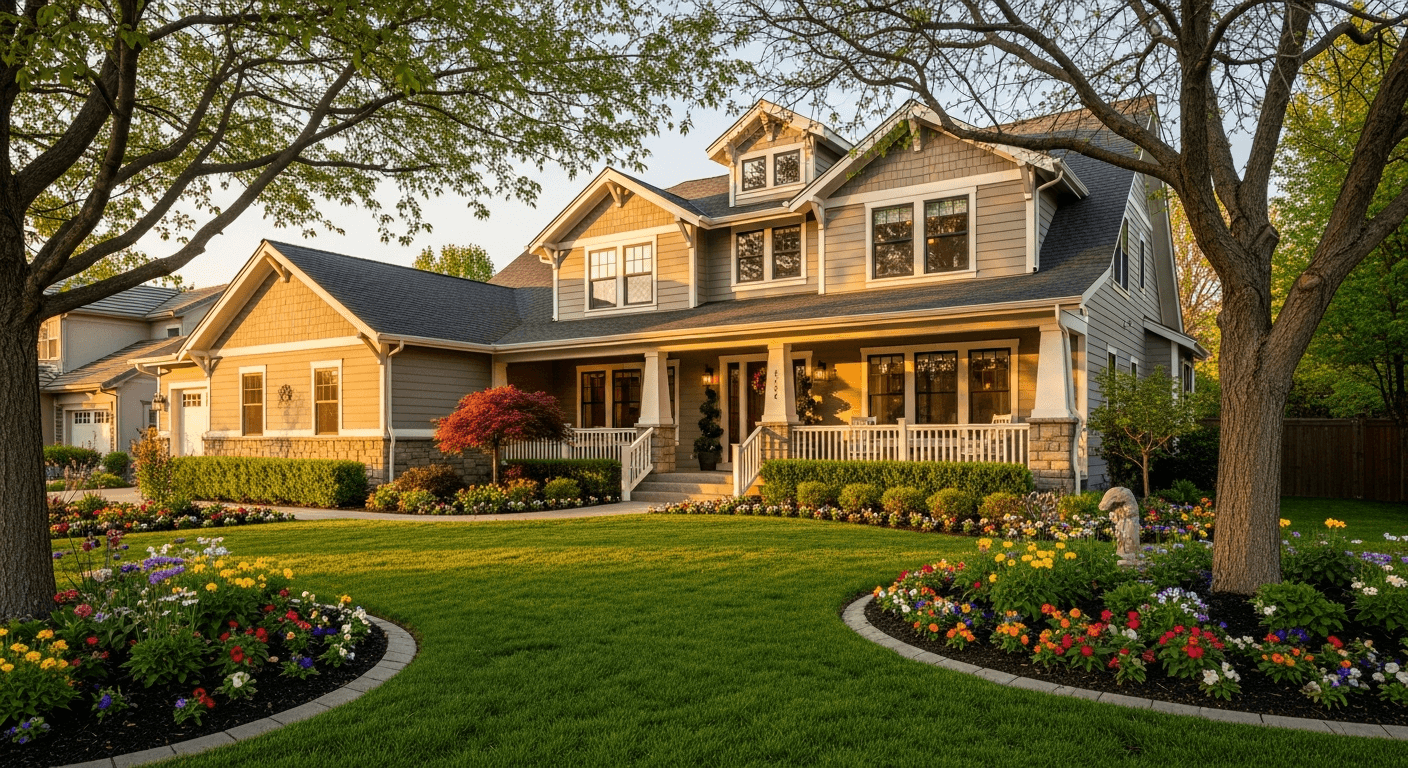
That means the structure limit should track rebuilding cost, not market value. A neighborhood sales price can rise because of land values, school demand, or low inventory, while reconstruction cost moves with labor, materials, debris removal, and the details built into your home. If your kitchen, roofline, flooring, trim, or built-ins would cost more to reproduce than your current limit suggests, you should ask for a fresh replacement cost estimate before renewing.
A quick way to pressure test the number is to multiply the home's square footage by local per square foot building costs. That is only a starting point, because custom finishes, older-home details, attached structures, and ordinance-related upgrades can push the real figure higher. Still, it gives you a useful check against a limit that may have drifted too low over time.
If you have not reviewed your dwelling limit since a remodel, room addition, major kitchen or bath update, or detached structure upgrade, that is the first place to start. Ask the agent to show you how the replacement cost estimate was built, then compare that estimate against your current Coverage A limit before you decide to keep, raise, or restructure the policy.
What else should your homeowners policy be large enough to cover?
A workable homeowners insurance decision goes beyond the house frame and roof. You also need enough room in the policy for the property inside the home, the cost of living elsewhere after a covered loss, and liability claims that can reach savings and future income if the limit is too thin.
Start with personal property. Instead of guessing, walk room by room and think in categories that drive claim value fast: furniture, clothing, electronics, appliances, tools, hobby gear, linens, kitchen equipment, and anything stored in closets, the garage, or outbuildings. If you have upgraded furnishings or a dense amount of equipment in a small space, your contents exposure may be higher than the default percentage attached to the dwelling limit. A home inventory, even a simple photo and spreadsheet version, makes it easier to test whether the built-in contents limit is realistic.
Then look at loss of use. If a fire, storm, or other covered event makes the home unlivable, this part of the policy is what helps with temporary living costs while repairs are underway. That matters more than many buyers expect, because displacement expenses stack quickly once you add lodging, meals, laundry, storage, pet boarding, and extra commuting.
Liability deserves the same careful review. If someone is injured on the property or you are held responsible for damage to others, the liability section is there to help protect your financial assets. If you host guests often, have features that increase injury exposure, or simply want a stronger buffer between a claim and your savings, review whether the standard liability limit still fits your risk tolerance. The right amount is the amount that matches what you would actually need to rebuild, replace, relocate, and defend, not the amount that merely keeps the premium lower.
How do you estimate the right dwelling limit before you ask for quotes?
Before you compare quotes, build your own working estimate so you can tell whether each proposal is solving the same problem. The most useful first pass is the industry shortcut: multiply the total square footage of your home by local, per square foot building costs. That gives you a baseline for the dwelling limit and helps you spot quotes built on numbers that are obviously too low.
From there, refine the estimate with the details that change reconstruction cost in the real world. Think about roof shape, ceiling height, exterior materials, flooring type, cabinetry, countertops, built-ins, porches, attached garages, and any custom work that would be expensive to reproduce. Older homes need special attention because plaster, trim profiles, nonstandard dimensions, and code-related upgrades can widen the gap between a generic estimate and the actual rebuild bill.
You should also ask how the quote handles detached structures and whether recent improvements are reflected. A finished garage, upgraded patio cover, workshop, fence package, or storage building can change the amount of property you would need to restore after a serious loss. If those features were added after the policy was first written, the current limit may lag behind the property as it exists today.
Once you have that estimate, use it as a quote-comparison control. Ask each quoting agent to explain the replacement cost assumptions, not just the premium. If one quote comes in much lower, find out whether the difference comes from a lower dwelling limit, weaker valuation assumptions, or narrower endorsements. That conversation usually tells you more than the price alone.
Should you add extended replacement cost coverage?
If your dwelling limit is close to today's estimated rebuild cost, the next question is what happens if construction pricing jumps after a widespread loss or during a long repair cycle. Extended replacement cost coverage is designed for that problem. According to the Insurance Information Institute, it can pay an extra 5 to 25 percent above your homeowners policy limits. That extra cushion can matter if labor and material costs move between the day you buy the policy and the day you actually rebuild.
This option is worth reviewing if your home would be expensive to reconstruct, if local contractor demand can tighten quickly after severe weather, or if your current estimate already feels close to the edge. It is not a substitute for carrying an adequate dwelling limit in the first place. Instead, it works as a margin above a properly built base number.
The practical buying question is how much volatility you want the policy to absorb for you. If you choose a limit that only works under normal pricing conditions, you may still face a gap when the market is stressed. Extended replacement cost can reduce that risk, but you need to read how it applies, what triggers it, and whether any conditions affect the payout.
When you review quotes, ask for the same dwelling assumptions with and without this feature so you can see the tradeoff clearly. Then decide whether the added flexibility is worth it for your property type, finish level, and local rebuilding environment. That is a better approach than choosing the lowest premium first and discovering later that the policy leaves little room for cost spikes.
What if you run a business from home?
If you operate a business from the property, a standard homeowners policy may not be enough just because the business is small. The gap usually shows up in equipment, liability, and income interruption, all of which can matter even for a side business run from a spare room, garage, or detached workspace.
The Insurance Information Institute notes that a typical homeowners policy provides only $2,500 coverage for business equipment. If your setup includes computers, cameras, printers, specialized tools, inventory, or client files, that limit can be exhausted quickly. For some households, an endorsement is enough. The same source says that for as little as $25 you can raise the policy limits from $2,500 to $5,000, and some insurers allow increases up to $10,000 in $2,500 increments. That makes the endorsement question one of the first things to ask if your business property is modest but real.
Equipment is only part of the issue. You may also need coverage for liability and lost income, especially if clients, customers, or delivery people come onto the premises. The reason is straightforward: you need liability coverage in case clients or delivery people get hurt on your premises. If your business depends on the home workspace to keep operating, lost-income protection may matter just as much as replacing the desk and laptop.
Staffing can also change the answer. Some in-home business policies permit a limited number of employees, generally up to three, so you should disclose whether anyone works from the property besides you. If the business has regular visitors, inventory, equipment beyond a basic office setup, or employees, ask whether an endorsement is enough or whether you need a separate business policy instead of relying on homeowners insurance alone.
What mistakes lead people to buy too little homeowners insurance?
The most common mistake is anchoring the decision to the wrong number. Buyers often start with market value, tax assessment, or mortgage balance because those figures are easy to find. None of them answers the real insurance question, which is what it would cost to rebuild the home and restore your living situation after a covered loss.
Another mistake is accepting default contents and liability limits without checking how the household actually functions. If you have accumulated more property over time, upgraded furnishings, added electronics, or built out storage areas, the standard personal property amount may no longer fit. The same goes for liability. A limit that felt adequate years ago may not match your current assets or comfort level now.
Home improvements are another frequent source of underinsurance. Renovated kitchens, bathroom upgrades, roof replacements, additions, detached structures, and finish upgrades all change reconstruction cost. If the policy was never updated after those projects, the dwelling limit can lag behind the home you would need to rebuild.
People who work from home make a separate error by assuming homeowners insurance automatically covers business property and business-related liability in a meaningful way. Often it does not. If the home supports income, ask specifically about business equipment, visitor injury exposure, and whether any lost-income protection is available.
The cleanest buying process is simple: verify the rebuild estimate, inventory your belongings, review loss-of-use and liability limits, and disclose any home-based business activity before you bind coverage. That gives you a policy built around the way you actually live in the home, not a generic template.
Frequently Asked Questions
For your house, the key number is rebuilding cost, not market value or your mortgage amount. A common starting estimate is to multiply the total square footage of your home by local, per-square-foot building costs, then adjust for finishes, features, and recent upgrades.
Yes. Homeowners insurance should be enough to rebuild the structure, help replace belongings, cover temporary living costs if you cannot stay in the home, and protect financial assets from liability claims. Review all four parts together, not just the dwelling limit.
Extended replacement cost can make sense if rebuilding prices could rise beyond your base dwelling limit. The Insurance Information Institute says it can pay an extra 5 to 25 percent above policy limits, so ask how it applies before you compare premiums.
Usually only in a limited way. A typical homeowners policy may provide only $2,500 coverage for business equipment, and you may also need liability and lost-income coverage if clients, deliveries, or business property are part of daily operations.
Yes, sometimes. An endorsement may raise business equipment coverage for a small added cost, and some insurers allow further increases in set steps. Ask whether that is enough for your actual setup.
Sources
- 1.iii.org(Homeowners insurance should be enough to rebuild the home, replace belongings, cover temporary living costs, and protect assets from liability claims.; A quick estimate for needed dwelling coverage is based on square footage times local per-square-foot building costs.; Extended replacement cost coverage can add extra protection above homeowners policy limits after rebuilding costs spike.)
- 2.iii.org(A typical homeowners policy provides limited coverage for business equipment used in a home-based business.; A homeowners policy endorsement can increase business equipment coverage from $2,500 to $5,000 for a small added cost.; Some insurers allow home-based business equipment coverage to be increased up to $10,000 in $2,500 increments.; Home-based businesses may also need liability and lost-income coverage beyond standard homeowners insurance.; Liability coverage is needed for home-based businesses in case clients or delivery people are injured on the premises.; Some in-home business policies permit a limited number of employees, generally up to three full-time workers.)
Request a Quote Comparison
Enter your ZIP code to compare insurance rates from top carriers.
Updated July 17, 2026