
What Each Policy Covers
Commercial property insurance can help protect your business's physical assets at a fixed, specified location. This includes your building if you own it, your business personal property such as furniture, equipment, inventory, and supplies, and improvements you have made to a leased space. The key characteristic of commercial property insurance is that it covers property at a described premises. Your policy lists the address or addresses where coverage applies, and the property located at those addresses is protected against covered perils such as fire, theft, windstorm, vandalism, and other specified causes of loss.
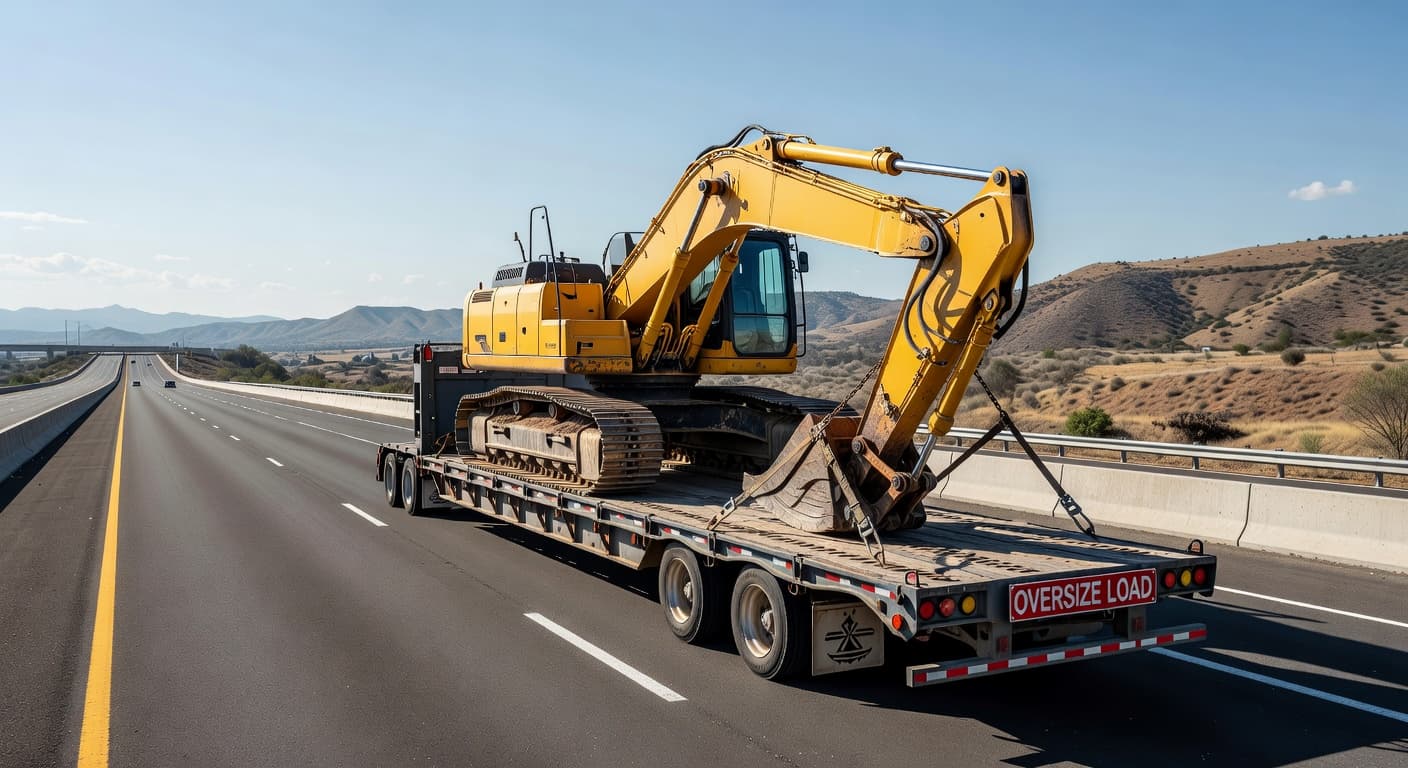
Inland marine insurance, despite its nautical-sounding name, has nothing to do with ocean shipping. The name is a historical artifact from the early days of insurance when marine insurance covered goods transported over water, and inland marine emerged to cover goods transported over land. Today, inland marine insurance can help cover property that is mobile, in transit, or not adequately covered by standard commercial property policies. This includes equipment and tools that travel to job sites, goods being shipped from one location to another, property held at temporary locations, and specialized or high-value items that exceed the coverage limitations of a standard property policy.
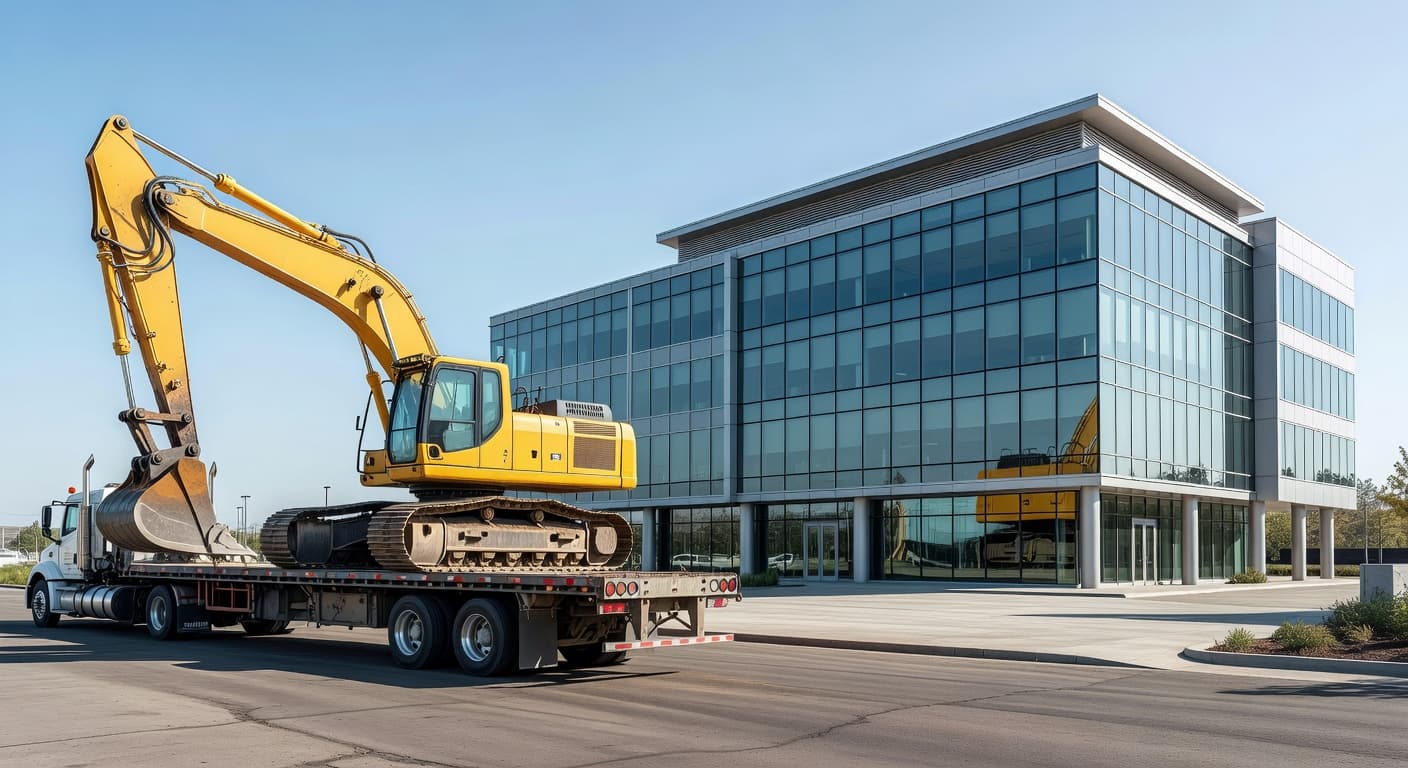
The essential difference comes down to location and mobility. Commercial property insurance is built for stationary assets at fixed locations. Inland marine insurance follows assets that move from place to place, sit temporarily away from your primary premises, or need broader coverage than a standard property policy provides. A contractor's tools stored in a warehouse are covered by commercial property insurance. Those same tools loaded onto a truck and taken to a job site across town are covered by inland marine insurance. Understanding this distinction is fundamental to ensuring your business assets are properly protected wherever they happen to be at the time of a loss.
Key Differences Between Inland Marine and Commercial Property
Coverage territory is the most significant difference between these two policy types. Commercial property insurance is location-specific. It covers your property at the addresses listed on your policy, and coverage generally does not extend to property located elsewhere. Some commercial property policies include limited off-premises coverage, but this is typically restricted to small amounts and specific situations. Inland marine insurance, by contrast, provides coverage regardless of location. Whether your equipment is at your office, on a job site, in a client's warehouse, or on the back of a truck traveling between locations, inland marine coverage follows the property.
The causes of loss covered by each policy also differ. Commercial property policies are typically written on either a named perils or special form basis. Named perils policies cover only the specific causes of loss listed in the policy, such as fire, lightning, explosion, windstorm, and theft. Special form policies cover all causes of loss except those specifically excluded, providing broader protection. Inland marine policies are generally written on a broader all-risk basis, covering any cause of loss that is not specifically excluded. This broader coverage form is particularly important for property that faces a wider range of risks due to its mobile nature.
Valuation methods can differ between the two policy types. Commercial property insurance typically offers replacement cost or actual cash value coverage for buildings and business personal property. Inland marine policies often provide more flexible valuation options, including agreed value coverage where the insurer and policyholder agree on the value of the covered property at the inception of the policy. This agreed value approach is particularly valuable for specialized equipment, fine arts, and other items where market value may be difficult to determine after a loss.
Deductible structures also tend to differ. Commercial property policies typically carry a single per-occurrence deductible that applies to all covered property at a given location. Inland marine policies may have per-item deductibles, per-occurrence deductibles, or a combination of both. Some inland marine policies are written with very low deductibles or even no deductible at all, particularly for high-value items like fine art, jewelry, or specialized instruments.
Types of Inland Marine Coverage
Inland marine insurance encompasses a broad category of coverage forms designed for specific types of mobile or specialized property. Contractors equipment coverage, also called a contractors equipment floater, is one of the most common forms. It protects tools, machinery, and equipment used by construction and trade contractors at various job sites. Coverage typically includes owned equipment, leased equipment, and sometimes borrowed equipment. A single contractors equipment policy might cover everything from hand tools worth a few hundred dollars to a crane or excavator worth several hundred thousand dollars.
Builders risk insurance, while sometimes classified separately, falls within the inland marine family. It covers buildings and structures during the course of construction, renovation, or remodeling. Coverage begins when construction materials arrive at the site and continues until the project is completed and the building is occupied or handed over to the owner. Builders risk policies cover the completed value of the structure, including materials, labor, and sometimes soft costs like architectural fees and permit costs.
Transportation or cargo insurance applies to goods in transit from one location to another. This can include goods you are shipping to customers, raw materials being delivered to your facility, or finished products being transported between your locations. Motor truck cargo insurance is a specialized form that covers goods you are transporting for others as a for-hire carrier.
Installation floaters cover equipment and materials that are in the process of being installed at a customer's site. Electronic data processing equipment coverage, or EDP coverage, protects computer hardware, software, and data at various locations. Fine arts coverage protects paintings, sculptures, antiques, and other valuable artwork. Equipment dealer coverage addresses inventory held by dealers in mobile equipment, construction machinery, and similar goods. CPK Insurance can help businesses compare inland marine options relevant to their operations so they can put together a program that addresses their mobile property exposures.
When You Need Inland Marine vs. Commercial Property
You need commercial property insurance if your business owns or leases a physical location and has tangible assets at that location. This applies to virtually every business with a storefront, office, warehouse, or workshop. Your building, furniture, computers, inventory, manufacturing equipment, and other assets at your described premises are all covered by commercial property insurance. If your business assets remain at your fixed location during normal operations, commercial property insurance may be sufficient for your property coverage needs.
You need inland marine insurance when your business assets leave your premises and travel to other locations as part of your regular operations. Contractors who bring tools and equipment to job sites need contractors equipment coverage. Businesses that ship goods to customers need transportation coverage. Companies that install equipment or systems at client locations need installation floater coverage. Event planners who transport staging, lighting, and audio equipment to venues need inland marine coverage for those assets. Any business with property that regularly moves beyond the four walls of the described premises on the commercial property policy has an inland marine exposure.
Some businesses need inland marine coverage not because their property moves but because their commercial property policy does not adequately cover certain types of specialized or high-value assets. A commercial property policy may include sublimits that cap coverage for certain categories of property at amounts well below their actual value. For example, a standard commercial property policy might limit coverage for tools and dies, patterns, molds, and similar items to $25,000. If your business has $200,000 worth of custom tooling, you need an inland marine policy to cover the full value.
Similarly, businesses with valuable computer equipment, specialized machinery, or fine arts may find that their commercial property policy does not provide adequate coverage for these items. An inland marine policy scheduled to cover these specific assets can provide full-value protection regardless of the limitations in the commercial property policy. A thorough property inventory helps identify any gaps between your commercial property coverage and the actual value and mobility of your assets.
Common Business Scenarios
A general contracting company illustrates the need for both policies working together. The company operates from a leased office and warehouse space where it stores tools, equipment, and building materials. Commercial property insurance can help cover all of these assets at the warehouse location. However, the company sends crews to construction sites throughout the region, and those crews take expensive tools, power equipment, and building materials with them. Once those assets leave the warehouse, the commercial property policy no longer covers them. A contractors equipment floater, an inland marine policy, provides coverage for the tools and equipment at any job site. A builders risk policy insures the structures being built until completion.
An IT services company presents a different scenario. The company operates from an office where employees work on servers, networking equipment, and client devices brought in for repair. Commercial property insurance covers the office contents, including the company-owned equipment. However, technicians regularly visit client locations with laptops, diagnostic tools, and replacement parts. They may also temporarily store client equipment at the office or at off-site locations. An inland marine policy covering the company's mobile equipment and tools-in-transit extends protection to those assets on the road and at client sites.
A catering business operates from a commercial kitchen facility covered by commercial property insurance. When the company caters events, it transports thousands of dollars worth of serving equipment, chafing dishes, tableware, and food inventory to venues across the area. An inland marine policy can help cover these assets during transit and at event locations. Without inland marine coverage, a theft from the catering van or damage to equipment during transport would not be covered by the commercial property policy.
A manufacturing company with specialized machinery faces yet another scenario. While the machinery is located at the factory and covered by commercial property insurance, certain pieces of equipment are custom-made and have values that exceed the sublimits in the standard property policy. An inland marine policy covering these specific pieces of equipment at their full appraised value fills the coverage gap, positioning the company to repair or replace them after a covered loss.
How to Determine Your Coverage Needs
Determining whether you need inland marine insurance, commercial property insurance, or both requires a systematic evaluation of your business assets and operations. Start by creating a comprehensive inventory of all physical assets your business owns or is responsible for. List every significant piece of equipment, all inventory, furniture, computers, tools, supplies, and any other tangible property. For each item, note its value, its primary location, and whether it ever leaves that location as part of normal business operations.
Next, categorize your assets into three groups. The first group includes assets that always remain at your fixed business location. These assets are covered by your commercial property policy, and as long as the policy limits are adequate, no additional coverage is needed. The second group includes assets that regularly travel to other locations or are in transit between locations. These assets require inland marine coverage because your commercial property policy will not adequately protect them away from the described premises. The third group includes high-value or specialized assets that may remain at your fixed location but whose value exceeds the sublimits or coverage capabilities of your standard commercial property policy. These assets may need an inland marine policy to ensure full-value coverage.
Pay special attention to contractual requirements. If you perform work at client locations, your contracts may require you to carry specific types of inland marine coverage. Construction contracts commonly require contractors equipment coverage and builders risk insurance. Service contracts may require coverage for equipment you bring to client sites. These contractual obligations may dictate both the type and amount of inland marine coverage you need to carry.
An annual review of your property insurance program helps it keep pace with your business operations. As your business grows, acquires new equipment, takes on new types of projects, or expands into new geographic areas, your property insurance needs evolve. Equipment purchased since your last policy renewal may not be adequately covered. New operations that take your assets to locations outside your described premises may create inland marine exposures that did not exist previously. A proactive annual review helps keep your coverage aligned with your actual risk profile so you are not paying for coverage you do not need or, worse, lacking coverage you do need.
Request a Quote Comparison
Enter your ZIP code to compare insurance rates from top carriers.
Updated July 17, 2026