
What really happens if you drive without insurance
If you drive without insurance, the first issue is not abstract risk. It is whether you can legally be on the road at all, and whether you have any practical way to pay for damage or injuries after a crash. Most states require drivers to have auto liability insurance before they can legally drive a car, so the decision is rarely whether to insure, but how much protection to carry and how to structure it for your vehicle, budget, and assets.
The bigger problem shows up after an accident. Liability coverage can help pay for the policyholder’s legal responsibility to others for bodily injury or property damage, which means an at fault crash can turn into bills you owe out of pocket if you have no policy in force. That can include another driver’s injuries, repairs to their vehicle, and damage to structures you hit. If you are trying to decide where to start, review the core protections on the main car insurance coverage guide and then build from the losses you could not comfortably absorb yourself.
Driving uninsured also removes the buffer between a routine mistake and a personal financial problem. A low speed parking lot collision, a rear end crash in traffic, or a turn taken too tightly near a fence or post can all create costs quickly. If you own a home, keep savings, or rely on your car to get to work every day, the question is not just legal compliance. It is whether one accident would force you to pay claims, legal costs, or replacement expenses directly from your own finances.
The legal penalties for driving uninsured
Penalties vary by state, but the pattern is consistent. A first offense typically brings a fine and a citation, and most states can suspend your driver's license, your vehicle registration, or both until you show proof of insurance and pay reinstatement fees. Repeat offenses escalate quickly: larger fines, longer suspensions, and in some states vehicle impoundment at the owner's expense.
Many states also require an SR-22 or similar certificate of financial responsibility after an uninsured driving offense. Your insurer files this document with the state to prove you carry the required coverage, and the filing obligation commonly lasts one to three years. Because the filing marks you as a higher risk driver, expect the coverage behind it to cost more than a standard policy for the same limits, and expect a missed payment during the filing period to be reported to the state.
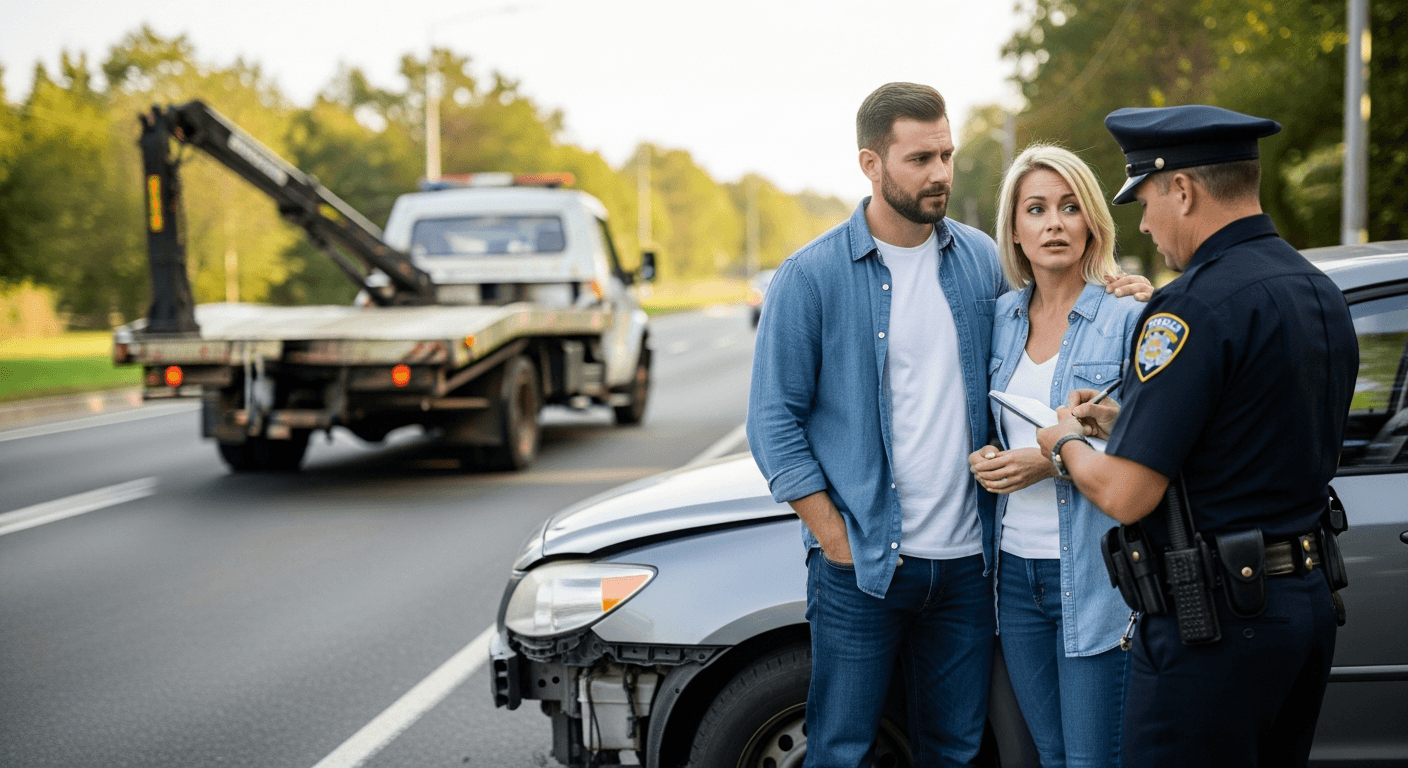
The penalties compound if you cause an accident while uninsured. On top of the citation and license consequences, you are personally responsible for the other party's injuries and property damage, and a court judgment can reach wages and assets. Several states also apply so-called no pay, no play rules, which limit what an uninsured driver can recover for their own losses even when the other driver caused the crash.
There is a quieter long-term cost as well. A coverage lapse and an uninsured driving conviction both make you look riskier to insurers when you return to the market, which tends to raise quotes for years. Getting a policy in force before you drive again is almost always cheaper than paying the fines, filing fees, and elevated premiums that follow an offense.
Why the state minimum may still leave you exposed
Meeting the legal minimum is different from being adequately insured. All states have laws that set the minimum amounts of insurance or other financial security drivers have to pay for the harm caused by their negligence behind the wheel if an accident occurs, so the minimum is a compliance floor, not a promise that every serious loss fits inside those limits.
That matters because accident costs do not stop at the minimum required amount. A crash can involve injuries, multiple vehicles, towing, storage, and damage to fixed property. Usually, this means damage to someone else’s car, but it also includes damage to lamp posts, telephone poles, fences, buildings or other structures hit in an accident. If your property damage limit is too low, you may still owe the balance yourself after the policy can help pay up to its cap.
The same logic applies to bodily injury claims. As motorists in serious accidents may be sued for large amounts, drivers can opt to buy more than the state required minimum to protect personal assets such as homes and savings. If you are choosing limits, start with what you could realistically lose in a lawsuit or settlement, then compare that exposure against the premium difference between minimum limits and higher liability limits. For many drivers, that review is the point where the lowest cost legal option stops looking like the safest financial decision.
Which parts of a car insurance policy matter most if you are trying to avoid uninsured risk
If your goal is to avoid the consequences of driving uninsured, the first layer is liability. That is the part that responds when you injure someone else or damage their property. It is the foundation because it addresses the losses you can cause to other people, which are often the hardest to pay yourself after a crash.
After liability, look at the protections that deal with your own injuries and your own vehicle. Medical coverage can help pay for the cost of treating injuries, rehabilitation and sometimes lost wages and funeral expenses, so it can matter even when the vehicle damage is manageable but the physical recovery is not. If you drive daily, transport family members, or would struggle with medical bills after a collision, this is worth reviewing closely instead of treating it like a minor add on.
Then consider physical damage coverage for the car itself. States do not require the purchase of collision or comprehensive coverage, but lenders may insist borrowers carry it until a car loan is paid off. That means the right answer often depends on whether you own the vehicle outright, still make loan payments, or could replace the car without insurance proceeds. Collision is the part to review for crash damage to your own vehicle. Comprehensive is the part to review for non collision losses. If you are deciding what to buy, build the stack in this order: liability first, then medical protection, then the coverages that protect the vehicle you depend on.
How deductibles change what you pay and what you keep at risk
Deductibles are one of the clearest tradeoffs in a car insurance quote. They do not usually affect liability claims against you, but they directly affect what you pay out of pocket before collision or comprehensive coverage contributes to repairs on your own vehicle.
Collision coverage is generally sold with a deductible of $250 to $1,000, the higher the deductible, the lower the premium. That creates a simple buying decision. If you choose a higher deductible to reduce monthly cost, make sure you can actually fund that amount after an accident. A lower premium does not help much if the car is damaged and you cannot afford your share of the repair bill.
Comprehensive insurance is usually sold with a $100 to $300 deductible, though policyholders may opt for a higher deductible as a way of lowering their premium. This is where buyers often miss the practical question. Think about the kinds of losses that are inconvenient but common enough to happen without warning, then ask whether your emergency fund matches the deductible you select.
A useful quote comparison is to hold limits steady and ask for more than one deductible option. That lets you see whether the premium savings from a higher deductible are meaningful enough to justify taking on more immediate out of pocket risk. If the savings are small, a lower deductible may be easier to live with when you actually need the policy.
How to compare quotes if you are deciding between minimum coverage and broader protection
A useful quote review starts with the reason you are buying the policy. If the only goal is legal compliance, you may stop at minimum liability. If the goal is to protect income, savings, a financed vehicle, or a household that depends on one car, you need to compare more than the minimum line item.
Ask each quote to show the same liability limits first, so you can compare pricing on an equal basis. Then review whether medical coverage is included and how it fits your tolerance for injury related costs after a crash. Next, decide whether collision and comprehensive make sense for the vehicle you own, especially if a lender still has an interest in the car or replacing it yourself would be difficult.
You should also review uninsured motorist coverage carefully. Uninsured motorist coverage will reimburse the policyholder, a member of the family or a designated driver if one of them is hit by an uninsured or a hit and run driver. That matters because your own careful buying does not control whether the other driver carries insurance. If you are trying to avoid the financial fallout tied to uninsured driving, this coverage addresses the risk coming from the other side of the accident.
The right quote is the one that matches how exposed you are, not the one with the thinnest policy. Compare limits, deductibles, vehicle protections, and uninsured motorist terms side by side, then choose the version you could actually rely on after a real loss.
Common buying mistakes to avoid before you get on the road
The most common mistake is treating insurance like a box to check instead of a transfer of financial risk. If you buy only enough to drive legally, without looking at your assets, vehicle value, loan status, and ability to absorb a deductible, you can still end up carrying more risk than you intended.
Another mistake is focusing only on damage to your own car. Many uninsured driving decisions are made around whether the vehicle itself is old, paid off, or worth repairing. That misses the larger exposure, which is what you may owe other people after an at fault accident. Liability deserves the first look because third party injury and property claims can become expensive quickly.
Drivers also overlook how different coverages solve different problems. Liability addresses harm you cause to others. Medical coverage addresses treatment and related injury costs. Collision and comprehensive address damage to your own vehicle, depending on the cause of loss. Uninsured motorist coverage addresses the gap when the other driver has no insurance or leaves the scene. If you blend those together, it becomes easy to underbuy the part you actually need.
Before you choose a policy, list three things: what you must carry to drive legally where you live, what loss would be hardest for you to pay yourself, and whether your car is financed or easily replaceable. That short review makes the right coverage stack much clearer than shopping by price alone.
Frequently Asked Questions
In most states, yes. Most states require drivers to have auto liability insurance before they can legally drive a car, so your first step is to verify your state requirement and make sure your policy is active before you get behind the wheel.
Liability coverage can help pay for the policyholder’s legal responsibility to others for bodily injury or property damage. If you cause a crash, that is the part of the policy to review first because it addresses the claims other people can bring against you.
States do not require the purchase of collision or comprehensive coverage, but lenders may insist borrowers carry it until a car loan is paid off. If your car is financed or hard to replace, review both instead of looking only at the legal minimum.
Collision coverage is generally sold with a deductible of $250 to $1,000, and higher deductibles lower premiums. Choose the highest deductible you could realistically pay after an accident, not just the one that makes the quote look cheaper today.
Yes. Uninsured motorist coverage will reimburse the policyholder, a member of the family or a designated driver if one of them is hit by an uninsured or a hit and run driver, so it is worth comparing if you want protection from the other driver’s gap.
Sources
- 1.iii.org(Most states require drivers to have auto liability insurance before they can legally drive a car.; All states have laws that set the minimum amounts of insurance or other financial security drivers have to pay for the harm caused by their negligence behind the wheel if an accident occurs.; Liability coverage can help pay for the policyholder’s legal responsibility to others for bodily injury or property damage.; Medical coverage can help pay for the cost of treating injuries, rehabilitation and sometimes lost wages and funeral expenses.; As motorists in serious accidents may be sued for large amounts, drivers can opt to buy more than the state required minimum to protect personal assets such as homes and savings.; Usually, this means damage to someone else’s car, but it also includes damage to lamp posts, telephone poles, fences, buildings or other structures hit in an accident.; Collision coverage is generally sold with a deductible of $250 to $1,000, the higher the deductible, the lower the premium.; Comprehensive insurance is usually sold with a $100 to $300 deductible, though policyholders may opt for a higher deductible as a way of lowering their premium.; States do not require the purchase of collision or comprehensive coverage, but lenders may insist borrowers carry it until a car loan is paid off.; Uninsured motorist coverage will reimburse the policyholder, a member of the family or a designated driver if one of them is hit by an uninsured or a hit-and-run driver.)
Request a Quote Comparison
Enter your ZIP code to compare insurance rates from top carriers.
Updated July 17, 2026