Updated July 16, 2026

Key Takeaways
- Size Coverage A, your dwelling limit, to what it costs to rebuild your home today, not market value, purchase price, or loan balance. Coverage B, C, and D usually scale off it, so getting this one number right sets the rest.
- A standard policy excludes flood, earthquake, and sewer or sump pump backup. Price flood separately, and add a water backup endorsement if a drain or sump pump can back up into your home.
- Confirm your payout basis before you buy: replacement cost pays to rebuild without deducting depreciation, while actual cash value subtracts it, and on an older roof that gap can be significant.
- Your two largest levers on price are a higher deductible you can comfortably pay and bundling home with auto. Then re-shop at renewal, because a rate that was competitive two years ago may not be now.
Homeowners Insurance in Tennessee
You are at the closing table, the lender wants proof of insurance, and the quote in front of you raises practical Tennessee questions fast. Is the dwelling limit built around what it would take to rebuild on your lot, not just the purchase price? Do your deductibles fit your cash reserves if a wind or water loss hits? Are you reviewing exclusions that matter for the way homes are exposed across the state? Your policy works best when it is matched to the house you are actually buying, the roof and systems it has today, and the loss scenarios you could realistically have to absorb before repairs begin.
That makes the buying decision less about finding a generic policy and more about checking construction details, prior claims, protective devices, and any separate coverage you may need for losses a standard form does not handle. Before you bind coverage, line up the rebuild estimate, deductible options, endorsements, and mortgagee information. That preparation helps the policy clear closing without leaving gaps you only discover after a claim.
What Homeowners Insurance Covers
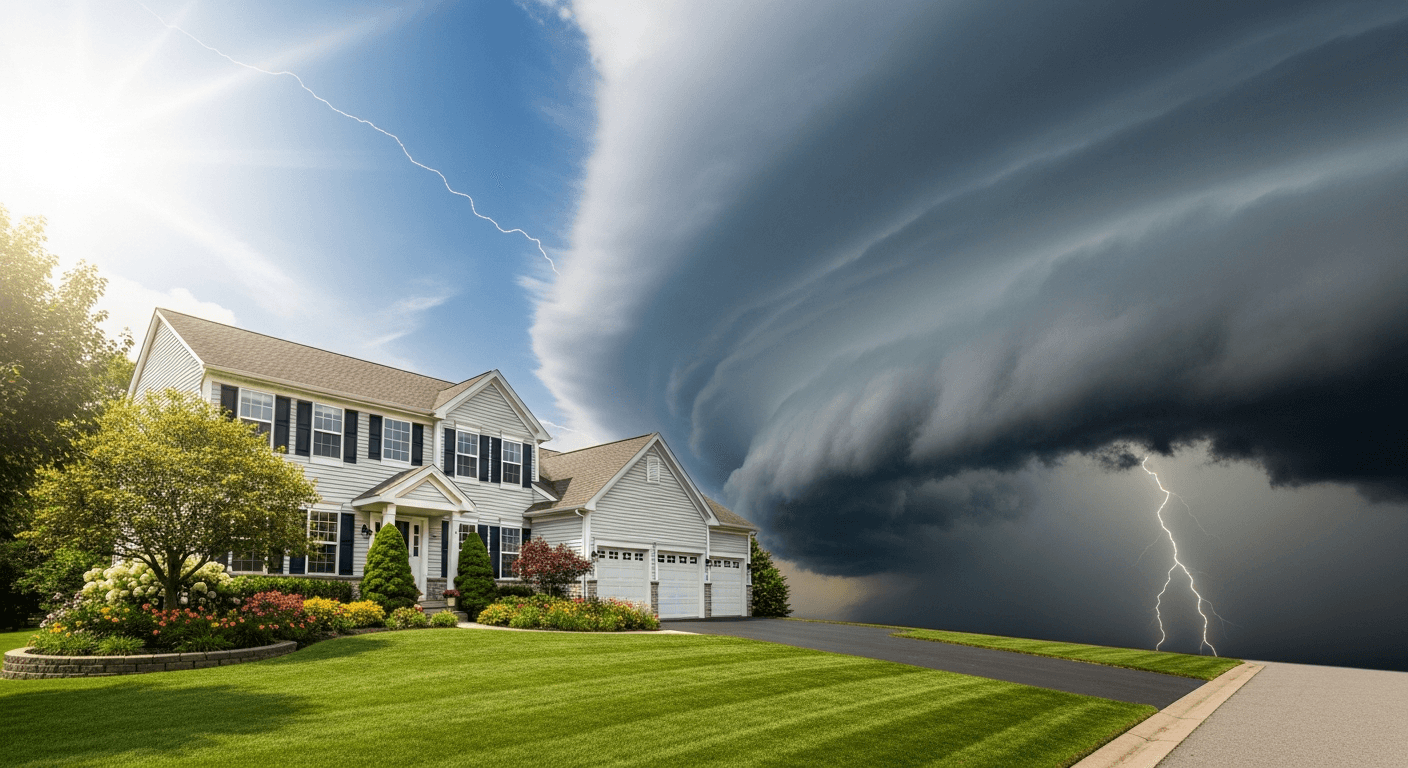
The most useful coverage review starts with how a loss would actually unfold at your address. If a storm opens the roof, the immediate issue is not just shingles. You may be dealing with interior water damage, temporary repairs to prevent further loss, debris removal, and a period where parts of the home are not usable while contractors schedule the work. That makes it worth reading the policy for settlement terms, deductible structure, and any conditions tied to roof age, maintenance, or protective steps after a loss.

Coverage A
Dwelling
Repairs or rebuilds your home itself, the walls, roof, floors, built-in appliances, and attached structures like a garage, after a covered loss. Set this limit to the full cost of rebuilding, not market value.

Coverage B
Other Structures
Detached structures on your property, such as a fence, shed, detached garage, or gazebo. Usually set at about 10 percent of your dwelling limit [2].

Coverage C
Personal Property
Your belongings, furniture, clothing, electronics, and appliances, generally written at 50 to 70 percent of your dwelling limit [2]. High-value items like jewelry and art carry special limits.

Coverage D
Additional Living Expenses
Also called loss of use. Pays your added living costs, hotel stays, meals, and a temporary rental, while a covered loss makes your home uninhabitable. Usually set at about 20 percent of your dwelling limit.

Coverage E
Liability
Covers you if someone is injured on your property, or you damage someone else's property, and you are found responsible. The standard $100,000 limit [2] is often raised to $300,000 or $500,000.

Coverage F
Medical Payments
Pays small medical bills, commonly $1,000 to $5,000, if a guest is hurt at your home regardless of fault, without a formal liability claim.
What a standard policy doesn't cover, and what to add
Water is another place where buyers need precision. A standard homeowners policy may respond very differently to rain entering after covered wind damage than to rising water or drainage backup. If your property has a basement, lower-level storage, or grading issues, ask specifically how the policy handles backup, seepage exclusions, and whether separate protection is available for losses the base form leaves out.
Liability deserves the same practical review. Tennessee households often have guests, service providers, delivery traffic, and occasional short-term use of recreational equipment or features in the yard. You want to know where your personal liability limit stands, whether medical payments are meaningful for minor injuries, and whether any home-based activity changes the risk enough to justify an endorsement. If a dispute arises over a claim or policy notice, the Tennessee Department of Commerce and Insurance offers consumer guidance and a formal complaint process you can use. Keep the policy documents and quote versions organized before you bind.
Example
Replacement cost vs. actual cash value: a $15,000 roof
Say a covered storm destroys your roof. A new one costs $15,000 and your deductible is $1,000.
Start with the depreciation, because that is what splits the two policies. Insurers base it on how much of an item's useful life is already gone. Take the item's age divided by its expected life: a roof with a 30-year expected life that is 15 years old has used 15 of 30 years, so it is depreciated about 50 percent. Half of the $15,000 roof is $7,500 of depreciation.
- Replacement cost policy: pays the full $15,000 to put on a new roof, minus your $1,000 deductible. You receive $14,000.
- Actual cash value policy: pays $15,000 minus the $7,500 depreciation, then minus the $1,000 deductible. You receive $6,500.
Same storm, same roof, but the actual cash value policy leaves you about $7,500 short. That is why it is worth confirming your roof and big-ticket belongings are written for replacement cost.
Homeowners Insurance Requirements in Tennessee
- Tennessee buyers should read water language carefully, because a standard homeowners policy can treat wind-driven rain, backup, and rising water as very different claim scenarios.
- If your home has older systems or construction features, ask for a review of ordinance or law coverage so repair estimates are not based only on like-for-like replacement assumptions.
- Homes with detached garages, workshops, sheds, or fencing need a separate look at other-structures limits, because default percentages may not match the replacement cost on the property.
- If occupancy will change after purchase, such as renovation, vacancy, inheritance, or second-home use, tell the carrier before binding so the policy form matches the actual risk.
How Much Does Homeowners Insurance Cost in Tennessee?
Average Cost in Tennessee
$110 - $270
per month
In Tennessee, homeowners insurance premiums typically run $110 - $270 per month, which tends to run 6% above the national range of $110 - $250 per month.
- Home replacement cost, age, and construction type
- Roof age, material, and condition
- ZIP code and local weather risk (wind, hail, wildfire, hurricane)
- Coverage limits and endorsements
- All-peril and percentage wind/hail deductibles
- Claims history and insurance score where allowed
Typical range for many standard homeowners profiles; lower-risk homes fall below it and coastal, wildfire, or older-roof homes can run well above. Final pricing depends on property details, location, underwriting, and selected coverage.
The monthly cost of homeowners coverage in Tennessee swings widely because carriers price the house, not just the ZIP code. Many homeowners see premiums starting at roughly $110 to $270 per month, though your actual price depends on the home's rebuild cost, age, roof condition, claims history, deductible choice, and the endorsements you add. The difference often comes down to factors an underwriter can see in the application, like an older roof, prior water losses, or less favorable replacement details.
A useful way to compare quotes is to hold the important inputs steady. Keep the same dwelling amount, deductible, liability limit, and endorsements across each quote. If one option looks much cheaper, check whether it changed roof settlement terms, water-related limitations, loss of use terms, or personal property valuation. A lower premium only helps if the policy still fits the loss scenarios you are trying to insure.
Your deductible is one of the clearest pricing levers. A higher deductible can reduce the premium, but it also means you need enough cash available to start repairs after a covered loss. The right choice is the deductible you can actually absorb without delaying mitigation work or relying on high-interest debt.
Older electrical, plumbing, or heating systems can raise your premium or limit which carriers will write the policy. Protective devices, recent updates, and a newer roof can help the quote profile. Before you shop, gather the year built, roof age, square footage, construction type, and update history so the quotes are based on the same facts from the start.
Example
Sizing your dwelling limit: rebuild cost vs. purchase price
This is the number people most often get wrong, because the price you paid and the cost to rebuild are two different figures.
Say you buy a 2,000-square-foot home for $320,000. Part of that price is the land, and land does not burn down, so it is not what you insure. What you insure is the cost to rebuild the structure. At an illustrative local rebuild cost of $200 per square foot, that same 2,000-square-foot home costs about $400,000 to rebuild from the ground up.
- Insure to purchase price ($320,000): after a total loss you are short roughly $80,000 of the rebuild, and an underinsured dwelling limit can also reduce partial-loss payouts under a coinsurance clause.
- Insure to rebuild cost ($400,000): the limit matches what it actually takes to put the house back, which is the point of the coverage.
Rebuild cost can sit above or below purchase price depending on land value and local construction prices, so size Coverage A to a replacement-cost estimate rather than what you paid or what the home would sell for today.
| Coverage Part | What It Protects | Watch For |
|---|---|---|
| Dwelling (A) | Main house, roof, attached garage, built-ins | Set limit by rebuild cost, not market value |
| Other Structures (B) | Detached garage, fence, shed, workshop | Default limit may be too low for large structures |
| Personal Property (C) | Furniture, clothing, electronics, appliances | Replacement cost is stronger than actual cash value |
| Loss of Use (D) | Hotel, rental, meals, and extra living costs | Review dollar and time limits |
| Personal Liability (E) | Injury and property damage lawsuits | $300K to $500K is often a better starting point |
| Medical Payments (F) | Smaller guest injury medical bills | Usually low limits; not a liability replacement |
| Flood Insurance | Rising water, storm surge, surface flooding | Separate policy; not standard homeowners coverage |
| Water Backup | Sewer or sump pump backup | Usually endorsement-based |
| Wind/Hail Deductible | Storm-related roof and exterior damage | May be percentage-based in high-risk areas |
| Roof Settlement | How roof claims are paid | Replacement cost vs. actual cash value matters |
Dwelling (A)
- What It Protects
- Main house, roof, attached garage, built-ins
- Watch For
- Set limit by rebuild cost, not market value
Other Structures (B)
- What It Protects
- Detached garage, fence, shed, workshop
- Watch For
- Default limit may be too low for large structures
Personal Property (C)
- What It Protects
- Furniture, clothing, electronics, appliances
- Watch For
- Replacement cost is stronger than actual cash value
Loss of Use (D)
- What It Protects
- Hotel, rental, meals, and extra living costs
- Watch For
- Review dollar and time limits
Personal Liability (E)
- What It Protects
- Injury and property damage lawsuits
- Watch For
- $300K to $500K is often a better starting point
Medical Payments (F)
- What It Protects
- Smaller guest injury medical bills
- Watch For
- Usually low limits; not a liability replacement
Flood Insurance
- What It Protects
- Rising water, storm surge, surface flooding
- Watch For
- Separate policy; not standard homeowners coverage
Water Backup
- What It Protects
- Sewer or sump pump backup
- Watch For
- Usually endorsement-based
Wind/Hail Deductible
- What It Protects
- Storm-related roof and exterior damage
- Watch For
- May be percentage-based in high-risk areas
Roof Settlement
- What It Protects
- How roof claims are paid
- Watch For
- Replacement cost vs. actual cash value matters
How Tennessee compares with the national baseline
Property crime per 100,000 residents
2,840 vs 2,200 baseline
Property crime in Tennessee runs above the national average, at 2,840 vs 2,200 incidents per 100,000 residents.
Blue bar: Tennessee. Gray line: national baseline.
Prices shown are general estimates, not guaranteed rates or quotes. Your actual premium will depend on the insurer, coverage selected, personal details, location, claims history, and other underwriting factors. Learn about our pricing methodology.
Request a Quote Comparison
Enter your ZIP code to compare homeowners insurance rates from top carriers.
Home insurance starting at $50/mo
Who Needs Homeowners Insurance?
If you are buying a home with a mortgage in Tennessee, you need a policy ready before closing because the lender may require evidence of coverage and its mortgagee information listed correctly. That is the immediate use case, but the need does not end with financed homes. If you own the property outright, you still face the same repair costs, temporary living expenses after a serious loss, and liability exposure if someone is injured on the premises.
This matters even more if your home would be hard to self-insure. A major roof loss, interior water damage, or fire can force fast spending decisions before reimbursement arrives. Without a policy in place, you are paying for emergency mitigation, debris handling, and repairs directly out of savings or borrowed funds. For many households, that is the real reason to keep coverage active even after the mortgage is gone.
You should also review your need for coverage if the property is not used in a simple owner-occupied way. A second home, inherited house, vacant period before renovation, or home with regular business activity can require a different underwriting approach than a standard primary residence. If the occupancy is changing, say so before binding. A policy built for the wrong use may not respond as expected when you file a claim.
The buyers who benefit most from a careful Tennessee review are those with older homes, recent renovations, finished basements, detached structures, or valuables that may need scheduled coverage. If any of those apply, ask for a line-by-line review of limits, exclusions, and endorsements before you choose based on price alone.
Homeowners Insurance by City in Tennessee
Homeowners Insurance rates and coverage options can vary across Tennessee. Select your city below for localized information:
How to Buy Homeowners Insurance
Start the buying process by collecting the property details an underwriter will actually use. That usually means square footage, year built, roof age, construction type, foundation details, heating type, and any updates to plumbing, electrical, or HVAC. If you have a recent inspection report, keep it nearby. It can help clear up questions that otherwise turn into assumptions inside the quote.
Next, decide what you want compared on an apples-to-apples basis. Ask for the same deductible, liability limit, and valuation approach across each option. Then review the policy details that often change quietly from one quote to another: roof settlement terms, water backup availability, ordinance or law coverage, personal property treatment, and loss of use. Those are the places where a quote can look similar at first glance but respond very differently after a claim.
If you are close to closing, confirm the mortgagee clause information early. A simple lender-name or loan-number error can slow document approval. You also want the effective date aligned with the closing date so there is no gap and no need for last-minute rewrites while you are signing other documents.
Before you bind, ask the final practical questions. What losses are excluded? Which endorsements are optional but relevant to this house? How will the deductible apply? What documentation should you keep for the roof, updates, and major personal property? Buying well means leaving the process with a policy packet you understand, not just a declarations page you have not read.
Ready to compare your options? Request a quote through CPK Insurance to see matches with participating licensed providers.
| Your situation | Request HO-3 if | Request HO-5 if |
|---|---|---|
| Home age and value | Older or budget-driven home | Newer or higher-value home |
| What you want protected most | Mainly the structure | Structure and belongings equally |
| Belongings payout you are buying | Often actual cash value by default | Replacement cost more commonly available |
| Who carries the burden on a contested claim | You show the loss was covered | Insurer shows the peril was excluded |
| Effect on premium | Lower starting premium | Higher premium for broader protection |
| What to put on your quote | Ask for an HO-3 baseline | Ask to price the HO-5 alongside it |
Which policy form to request: HO-3 vs HO-5 as a buying decision
Home age and value
- Request HO-3 if
- Older or budget-driven home
- Request HO-5 if
- Newer or higher-value home
What you want protected most
- Request HO-3 if
- Mainly the structure
- Request HO-5 if
- Structure and belongings equally
Belongings payout you are buying
- Request HO-3 if
- Often actual cash value by default
- Request HO-5 if
- Replacement cost more commonly available
Who carries the burden on a contested claim
- Request HO-3 if
- You show the loss was covered
- Request HO-5 if
- Insurer shows the peril was excluded
Effect on premium
- Request HO-3 if
- Lower starting premium
- Request HO-5 if
- Higher premium for broader protection
What to put on your quote
- Request HO-3 if
- Ask for an HO-3 baseline
- Request HO-5 if
- Ask to price the HO-5 alongside it
How to Save on Homeowners Insurance
The cleanest way to save on homeowners coverage in Tennessee is to improve the quote quality before you ask carriers to price it. Incomplete or inconsistent property data can push a quote higher or create avoidable revisions later. Verify the roof age, update dates, square footage, and construction details first.
Then look at deductible strategy. If you can comfortably absorb a higher out-of-pocket amount after a covered loss, raising the deductible may lower the premium. The key word is comfortably. Do not choose a deductible that would force you to delay emergency repairs or skip mitigation work while you search for cash.
Home condition can matter as much as shopping effort. Recent roof replacement, updated wiring, modern plumbing, and protective devices may improve how a home is viewed in underwriting. If you have completed upgrades, make sure they are reflected in the application. A quote built on outdated assumptions can miss savings you have already earned through maintenance.
Bundling auto and home coverage with the same carrier can lower your combined cost, but compare the total package rather than assuming one discount solves everything. A lower combined premium is only useful if the homeowners form still gives you the deductible structure and endorsements you need.
Finally, reserve the policy for meaningful losses. Frequent small claims can affect future pricing and options. For minor issues near the deductible, it is often smarter to price the repair first, document the damage, and decide carefully whether filing makes financial sense over the long term.
How a Homeowners Insurance Claim Works
If a covered loss happens, here is how a homeowners claim usually goes, so there are no surprises at the moment you need the policy most.
- 1Document and mitigate. Photograph the damage and make reasonable temporary repairs to stop it from getting worse, and keep the receipts.
- 2File with your carrier. Report the claim promptly through your insurer's claims line or app; most run around the clock.
- 3Meet the adjuster. The carrier sends an adjuster to assess the damage and estimate the repair cost.
- 4Get paid in two parts on a replacement-cost policy. You first receive the actual cash value (the depreciated amount) minus your deductible, then the held-back recoverable depreciation once repairs are finished and documented, the same mechanic as the roof example above.
- 5Mind your deductible. It comes out of the payout, so a claim only makes sense when the loss clearly exceeds it.
Our Recommendation for Tennessee
For Tennessee homes, focus your review on the parts of the policy that become urgent in the first day after a loss. Check how roof damage is settled, whether temporary repairs are expected to prevent further damage, and what proof of maintenance you should keep. Those details matter more than a small premium difference if a storm damages the structure and water starts moving inside.
Ask next about water from more than one angle. You want a clear answer on rain entering after covered damage, sewer or drain backup options, and any separate flood solution if the property has exposure a standard homeowners form does not address. Do not assume all water losses are treated the same.
If the house is older, review ordinance or law coverage and recent system updates. Rebuilding or repairing to current code can create costs that surprise buyers who only looked at the dwelling limit. If you have detached structures, a workshop, or higher-value items, confirm those limits separately instead of assuming the default amounts are enough.
For consumer questions, keep copies of your quote versions, endorsements, inspection reports, and final declarations page so you can verify exactly what was offered and bound before the policy starts.
FAQ
Frequently Asked Questions
Buyers should verify the effective date, mortgagee information, and deductible before closing. A clean declarations page helps the lender accept proof of coverage without delays, and it gives you time to fix errors before funds are released.
Quotes can separate quickly because carriers weigh roof age, prior claims, rebuild details, protective devices, and deductible choices differently. Even similar homes can price apart if one application shows older systems, different endorsements, or less favorable loss history.
Policies usually do not treat every water loss the same. Rain entering after covered wind damage may be handled differently from rising water or drain backup, so you should review exclusions and optional endorsements before assuming the base policy responds.
Owners with no mortgage still face the same repair bills, temporary housing costs, and liability exposure after a serious loss. If replacing the roof, rebuilding part of the structure, or defending a liability claim would strain savings, coverage is still worth reviewing.
Shoppers should keep the dwelling amount, deductible, liability limit, and endorsements consistent across quotes. Then compare roof terms, personal property valuation, water backup options, and loss-of-use language so the lower premium is not hiding a narrower policy.
Quotes are usually cleaner when you provide the year built, square footage, roof age, update history, and any recent inspection details. Accurate property data reduces rework, helps underwriting classify the home correctly, and makes quote comparisons more reliable.
Homeowners insurance is regulated at the state level. If you are reviewing policy notices, complaint options, or carrier conduct, keep your quote documents and declarations page so you can reference the exact form and terms involved.
No state legally mandates it, but if you have a mortgage your lender requires it and wants proof before closing. If you own the home outright it is optional, though going without leaves your largest asset uninsured. A quote gives you the proof of coverage a lender needs.
Sources
- 1.Tennessee Department of Commerce and Insurance(The state-level oversight point to know is simple: the Tennessee Department of Commerce and Insurance regulates insurance in the state.)
Updated July 16, 2026