
The checklist: what to do in the first hour after a crash
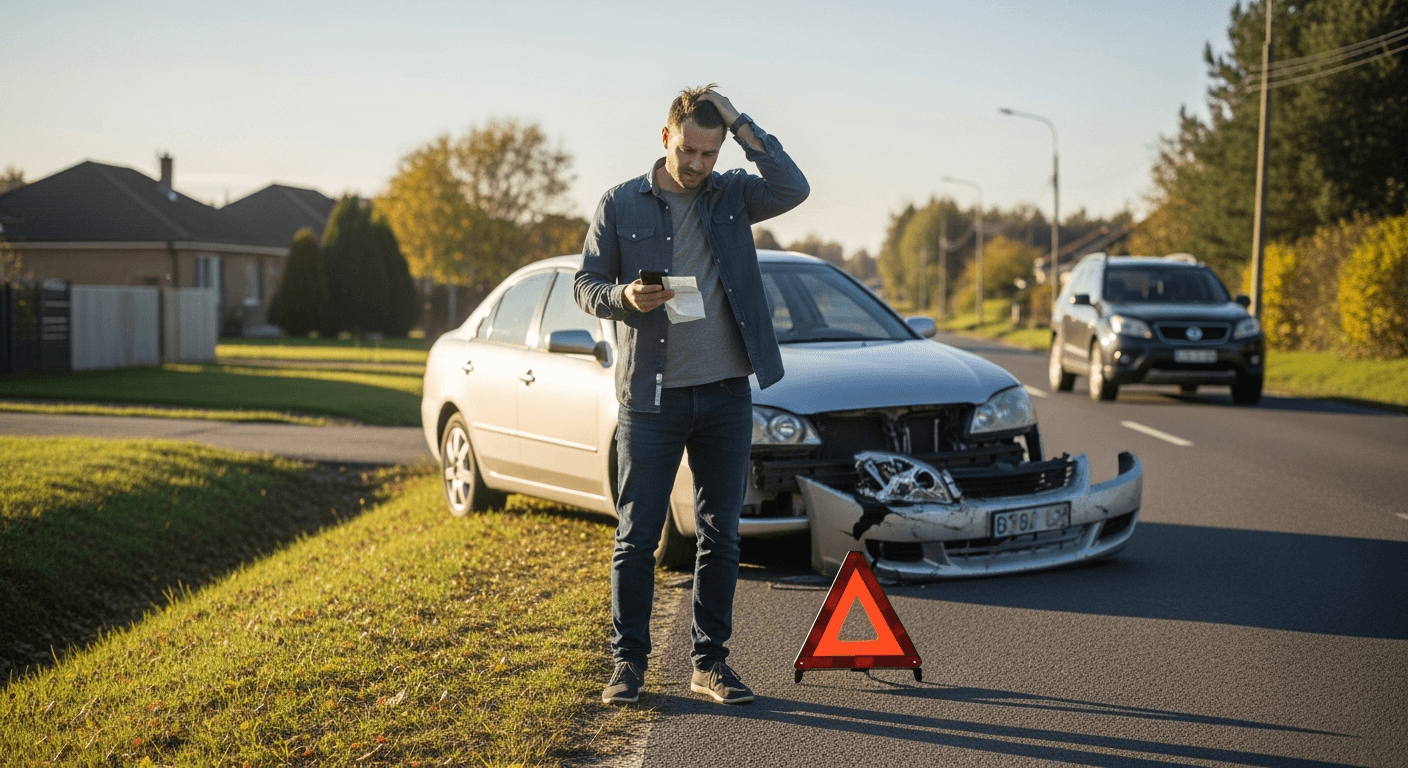
Start with safety. Check yourself and your passengers for injuries, and call 911 immediately if anyone is hurt or if the vehicles are blocking traffic in a dangerous spot. If the cars are drivable and the crash is minor, move them out of the travel lanes, turn on hazard lights, and set out triangles or flares if you carry them. Do not stand between vehicles or in a live lane while you sort out the next steps.
Call the police even for a seemingly minor collision. In many states a police report is required above a certain damage threshold, and the report becomes the backbone of the insurance claim. While you wait, exchange information with the other driver: name, phone number, insurance company and policy number, driver's license number, and license plate. Photograph the other driver's insurance card rather than copying it by hand.
Document the scene while it is still intact. Take wide photos showing vehicle positions, the intersection or roadway, skid marks, traffic signs, and weather conditions, then close-ups of every point of damage on both vehicles. Get names and phone numbers of witnesses before they leave. Note the time, location, and direction each vehicle was traveling. Stick to facts when speaking with the other driver and the police; do not argue fault or apologize at the scene, because fault is decided later from the evidence.
Afterward, get a medical evaluation even if you feel fine, since some injuries surface hours or days later, and keep records of every visit and expense. Notify your insurer promptly, provide the police report number, and write down your own account of the crash while the details are fresh. Those records protect you whether the claim is straightforward or disputed.
Once the immediate work is done, the checklist has a second half most drivers skip: testing whether the policy you have would actually have carried a worse version of that crash. The rest of this guide covers that review.
What a serious car accident exposes in your insurance
A car accident creates two separate problems at once: what you owe other people, and what it costs to get your own operation moving again. If you cause the crash, bodily injury liability addresses injury-related losses and legal defense costs. That includes medical treatment, lost wages, and legal defense expenses if you are sued for causing the accident, so your limit choice matters long before a claim happens. Property damage liability handles the other side of the file, including vehicle repair, repairs to the building or object you struck, and legal defense expenses if you are sued for causing the damage, so a low property damage limit can become a business problem fast if the loss involves multiple vehicles or expensive property.
That is why a post-accident checklist should push you back to your policy, not just the police report and repair estimate. State-required minimums may not cover the costs of a serious accident, so if you use a vehicle to earn income, transport tools, make deliveries, or move between job sites, you should review whether your current liability limits match the size of the loss you could realistically cause. A buyer comparing car insurance coverage options should focus on claim scenarios, not just the declarations page total.
If your vehicle is central to daily revenue, ask for quote options with higher liability limits, clear deductibles, and endorsements that fit work use. The right next step is to compare your current limits against the largest injury and property damage claim your driving routine could create.
Which coverages matter after the crash, not just before it
The most useful auto policy is the one that answers the questions you face the day after the accident. Who pays for injuries in your car. Who pays if the other driver has weak coverage. Who pays to repair your own vehicle. Those answers come from the coverage stack, not from a generic promise that you are insured.
Medical Payments coverage is one option to review if you want help with immediate injury costs inside your vehicle. MedPay covers medical and funeral expenses for covered people injured in an auto accident, regardless of fault, so it can help with out-of-pocket costs even while liability is still being sorted out. Personal Injury Protection goes further in some situations because PIP pays for medical bills, lost wages, and other related expenses for you and your passengers after a car accident, regardless of who is at fault. If missing work would strain cash flow, that difference is worth reviewing line by line.
You also need to separate liability from physical damage coverage. Liability does not cover damage to your own car, so a policy that looks acceptable on paper may still leave you paying to repair or replace the vehicle you depend on. If the car is financed or leased, that gap becomes even more important because auto dealers or leasing companies will likely require you to purchase collision and comprehensive. Review whether your vehicle use, financing terms, and downtime tolerance justify carrying both, then ask for quotes that show each deductible separately so you can see the tradeoff clearly.
Why uninsured drivers and weak limits change your buying decision
A complete accident checklist usually assumes the other driver will have valid insurance and enough of it. Real claims do not always work that way. If the at-fault driver has no insurance, or carries limits that run out before the bills do, your recovery can stall while your own expenses keep moving.
That is where uninsured and underinsured motorist coverage becomes a practical buying decision instead of an optional line item. It reimburses you when an accident is caused by an uninsured motorist, and underinsured motorist coverage helps when another driver lacks adequate coverage. The consequence is straightforward: if you rely on your vehicle for commuting to appointments, transporting equipment, or keeping a service schedule, another driver’s weak policy can still become your financial problem unless your own policy is built to respond.
This matters even more if your work puts you on the road often, in traffic-heavy areas, at night, or in unfamiliar routes where claim severity can rise quickly. A buyer should ask how uninsured and underinsured motorist coverage applies to injuries, vehicle damage where available, and any household members or listed drivers who regularly use the vehicle. You should also compare these limits against your liability limits rather than choosing the smallest available option by habit.
The next step is simple: ask for a quote version with stronger uninsured and underinsured motorist limits, then compare the added premium against the cost of being stuck with medical bills, repair costs, or lost use after someone else causes the crash.
Do you need personal auto or commercial auto coverage for this vehicle use
Many accident problems start with a mismatch between how the vehicle is insured and how it is actually used. If you only drive for commuting and personal errands, a personal policy may fit. If you carry tools, visit clients, make deliveries, transport employees, or use the vehicle primarily for business tasks, commercial auto insurance deserves a closer look.
The reason is not technical wording for its own sake. After a crash, the claim file will examine who was driving, why the trip happened, what the vehicle was carrying, and whether the use matched the application. If your daily routine looks like business use but your policy was purchased as if the vehicle were only personal, you create avoidable friction at the worst time.
For an owner-operator or small business, the decision should start with operations. Do you drive between job sites in the same day. Do employees ever use the vehicle. Do you tow equipment, haul inventory, or keep business property in the car. Do clients expect you to arrive on schedule with tools or materials. Those details shape whether you should be reviewing car insurance, commercial auto insurance, or both for different vehicles in the household or fleet.
When you request quotes, describe vehicle use exactly as it happens in the field. Include who drives, where the vehicle goes, what it carries, and whether the vehicle is owned personally, titled to the business, financed, or leased. The best buying move is accuracy, because accurate use classification is what makes the policy more likely to fit the claim you actually have.
How to compare quotes after reviewing your accident checklist
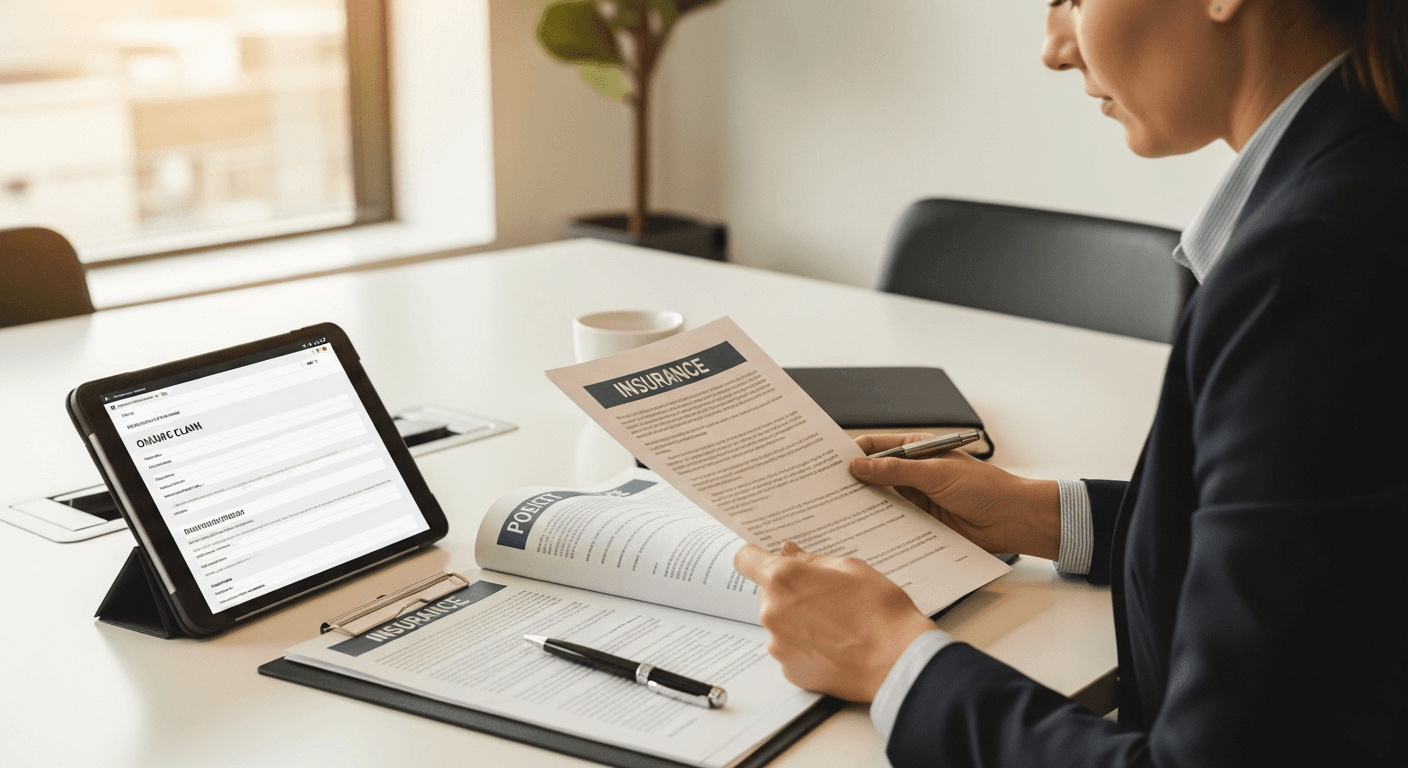
A useful quote comparison starts with the losses that would hurt you most after a crash. For some buyers, that is a lawsuit from injuries to others. For others, it is losing the vehicle for a week, paying medical bills while fault is disputed, or finding out a financed car needs physical damage coverage that was stripped out to save premium.
Compare quotes in a fixed order. Start with liability limits, then review uninsured and underinsured motorist options, then look at MedPay or PIP where offered, then check collision and comprehensive deductibles, and finally confirm how the vehicle is classified for personal or business use. If you change several variables at once, you will not know whether the cheaper quote is truly efficient or simply thinner where the claim would hit.
You should also read for exclusions and usage assumptions, not just price. A lower premium can come from lower limits, higher deductibles, missing physical damage coverage, or a policy structure that does not match how you drive for work. If the vehicle is leased or financed, confirm that the quote satisfies lender or lessor expectations before you bind coverage. If you have more than one driver, review each listed driver and each vehicle assignment carefully.
Ask for side-by-side quote versions rather than one take-it-or-leave-it option. One version can prioritize lower out-of-pocket cost after a crash, while another can prioritize premium control with higher deductibles. Then choose the version that fits your cash reserves, vehicle dependence, and actual driving pattern.
Common insurance mistakes people discover only after an accident
The most expensive auto insurance mistakes usually stay hidden until the claim starts. One common problem is assuming minimum required coverage is enough for a serious loss. State-required minimums may not cover the costs of a serious accident, so choosing limits only because they satisfy a legal floor can leave a working driver exposed to medical, property damage, and lawsuit costs that exceed the policy quickly.
Another mistake is treating liability as if it also repairs your own vehicle. It does not cover damage to your own car, which means a driver can carry valid liability insurance and still face a major out-of-pocket repair bill after an at-fault crash. That gap becomes more painful when the vehicle is essential to work, school runs, or daily appointments.
Buyers also overlook no-fault style protections that can help with immediate expenses. If you want help with medical bills, funeral costs, or lost wages regardless of fault, review MedPay and PIP instead of assuming health insurance or the other driver’s insurer will solve the timing problem. Finally, do not ignore vehicle financing terms. Auto dealers or leasing companies will likely require collision and comprehensive, so removing them without checking the contract can create both claim and contract trouble.
Before renewing, pull out your current declarations page and test it against one realistic accident scenario: injuries to others, damage to your own vehicle, missed work, and an uninsured at-fault driver. Any gap you find there is the gap to fix in your next quote.
Frequently Asked Questions
If you use your vehicle for work, review whether personal auto still matches your actual use or whether commercial auto is more appropriate. Also check liability limits first, because state-required minimums may not cover the costs of a serious accident.
No. Liability insurance does not cover damage to your own car, so you should review collision coverage if you want your own vehicle repairs addressed after an at-fault crash.
PIP is the broader benefit where it is offered: it pays medical bills, lost wages, and related expenses for you and your passengers regardless of fault. MedPay is narrower, covering medical and funeral expenses regardless of fault, so drivers worried about missed income tend to get more from PIP.
Usually, yes. Auto dealers or leasing companies will likely require you to purchase collision and comprehensive, so confirm the contract terms before removing physical damage coverage to lower premium.
Because the other driver may have no insurance or not enough of it. Uninsured and underinsured motorist coverage helps reimburse you when the at-fault driver lacks coverage or carries limits that are too low for the loss.
Sources
- 1.iii.org(State-required minimums may not cover the costs of a serious accident.; Bodily injury liability includes medical treatment, lost wages, and legal defense expenses if you are sued for causing the accident.; Property damage liability includes vehicle repair, repairs to the building or object you struck, and legal defense expenses if you are sued for causing the damage.; MedPay covers medical and funeral expenses for covered people injured in an auto accident, regardless of fault.; PIP pays for medical bills, lost wages, and other related expenses for you and your passengers after a car accident, regardless of who is at fault.; Uninsured motorist coverage reimburses you when an accident is caused by an uninsured motorist, and underinsured motorist coverage helps when another driver lacks adequate coverage.; Liability coverage does not cover damage to your own car.; Auto dealers or leasing companies will likely require you to purchase collision and comprehensive.)
Request a Quote Comparison
Enter your ZIP code to compare insurance rates from top carriers.
Updated July 17, 2026