
Average Commercial Auto Insurance Costs
The average cost of commercial auto insurance in the United States ranges from $1,200 to $2,400 per vehicle per year, though premiums can vary significantly depending on your specific circumstances. For a small business with a single vehicle used for light-duty tasks like deliveries or client visits, you might pay as little as $800 annually. On the other end of the spectrum, trucking companies and businesses with large fleets can see per-vehicle costs of $3,000 or more.
Most commercial auto policies include several types of coverage bundled together. Liability coverage, which responds when you injure others or damage their property, typically makes up the largest portion of your premium. Collision and comprehensive coverage protect your own vehicles from accidents, theft, and weather damage. You may also carry uninsured motorist coverage and medical payments coverage.
Many businesses overpay for commercial auto coverage simply because they have not shopped around recently. Insurance markets shift frequently, and carriers adjust their appetites for different types of risk. A business that was considered high-risk by one carrier last year might find significantly better rates this year from a different insurer. The key is understanding what drives your costs so you can make informed decisions about coverage levels and deductibles while still protecting your business adequately.
Average Commercial Auto Insurance Cost
$140 - $410
per month
Nationally, commercial auto insurance coverage typically runs $140 - $410 per month for small businesses.
Prices shown are general estimates, not guaranteed rates or quotes. Your actual premium will depend on the insurer, coverage selected, business details, location, claims history, and other underwriting factors. Learn about our pricing methodology.
Factors That Affect Your Premium
Insurance carriers evaluate dozens of factors when calculating your commercial auto premium, but several stand out as the most influential. Your driving history and that of your employees is one of the biggest determinants. Businesses with clean driving records can expect to pay significantly less than those with a history of accidents or moving violations. Most carriers look back three to five years when evaluating driver records.
The type of business you operate plays a critical role as well. A consulting firm with employees who occasionally drive to client meetings presents a very different risk profile than a courier service with vehicles on the road all day. Industries with higher mileage, heavier cargo, or more time in congested urban areas typically face higher premiums.
Your coverage limits and deductibles directly affect your costs. Higher liability limits provide more protection but increase your premium, while higher deductibles lower your premium in exchange for more out-of-pocket expense when you file a claim. The location where your vehicles are garaged matters too, since areas with higher traffic density, crime rates, and severe weather patterns lead to more claims. Finally, your claims history over the past three to five years is a major factor. Even one or two at-fault accidents can raise your rates substantially, making a strong safety program essential for keeping costs under control.
Costs by Vehicle Type
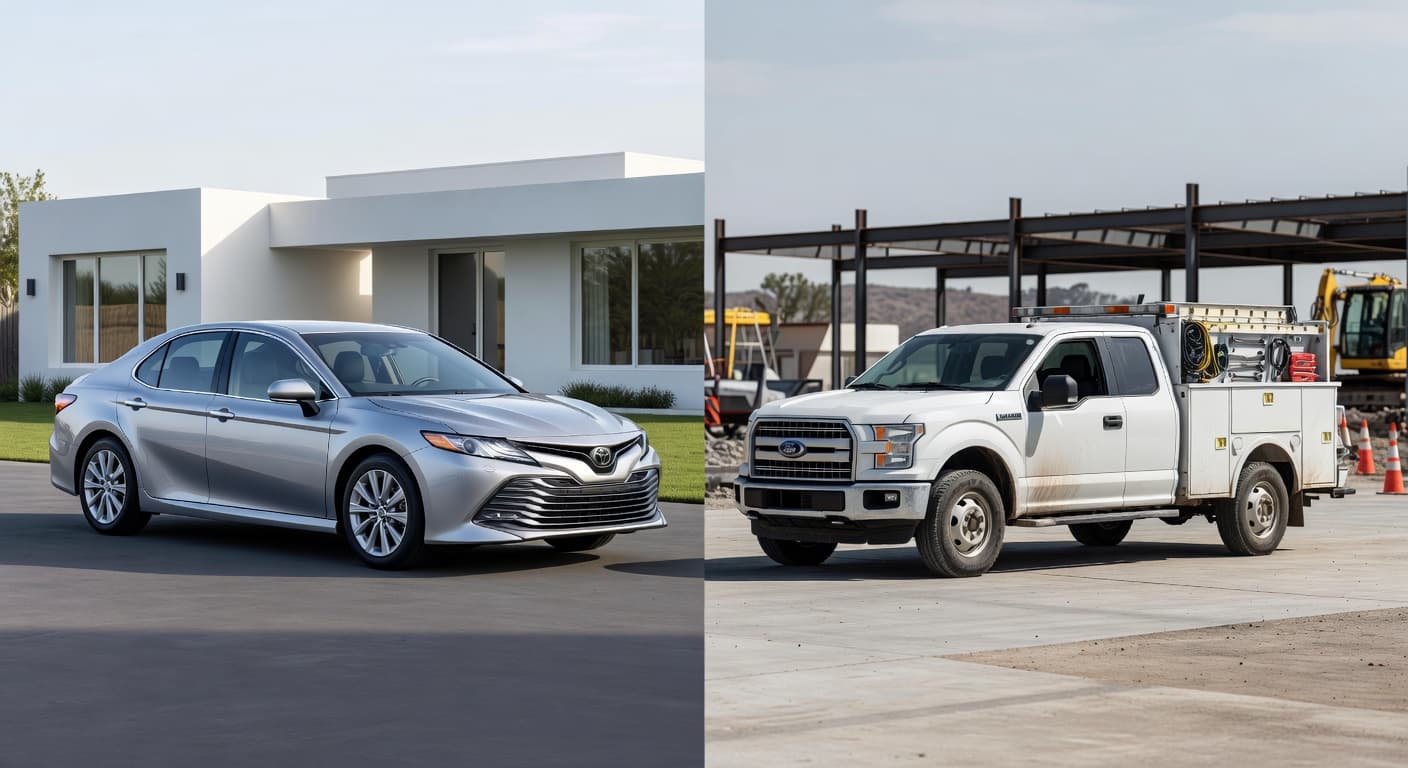
The type of vehicle you insure has a dramatic impact on your commercial auto insurance premiums. Passenger vehicles like sedans and small SUVs used for business purposes are the least expensive to insure, typically costing between $800 and $1,500 per year. These vehicles are lighter, cause less damage in accidents, and are generally cheaper to repair or replace.
Pickup trucks and cargo vans fall in the mid-range, with annual premiums usually running from $1,200 to $2,500. These vehicles are commonly used by contractors, landscapers, and delivery services. Their larger size means they can cause more damage in a collision, and the tools or goods they carry may add to the value at risk.
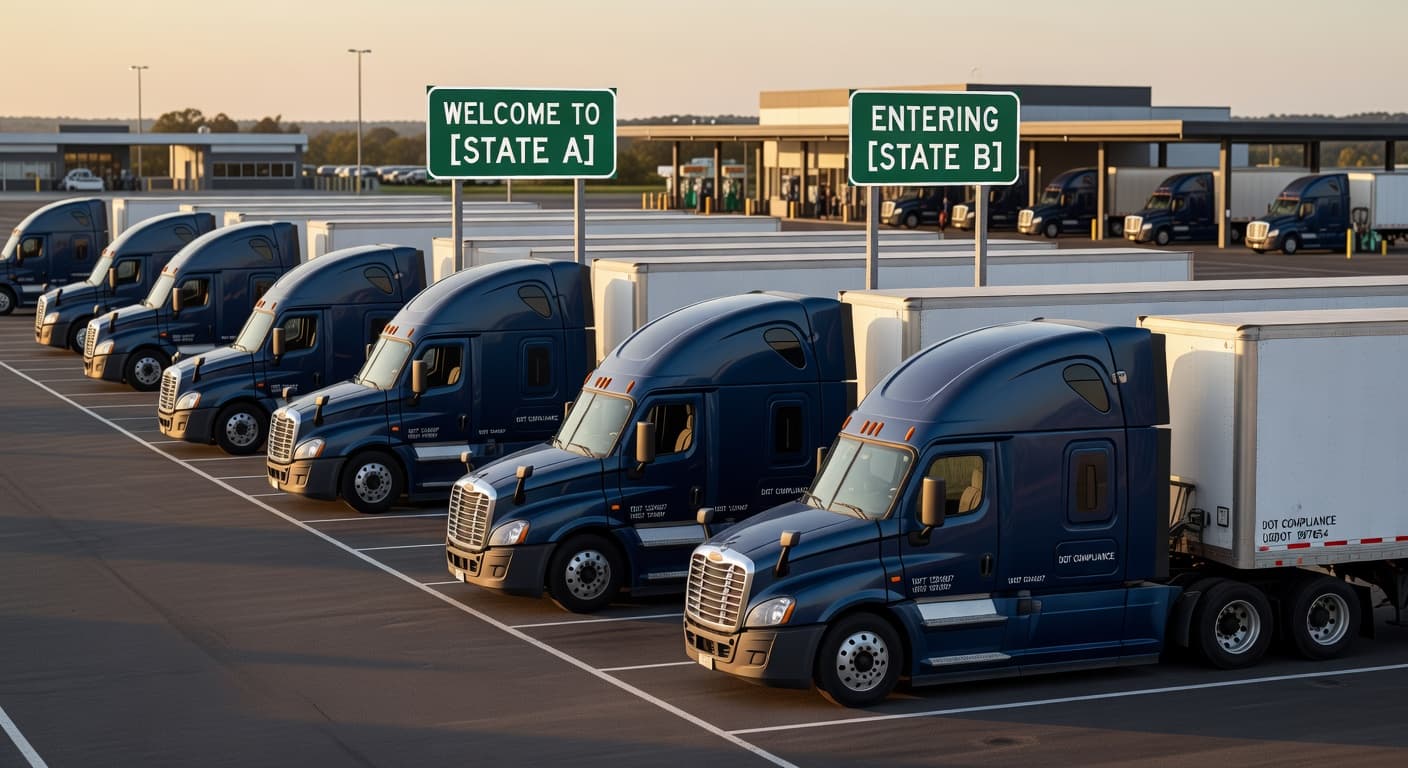
Box trucks and medium-duty vehicles see premiums from $2,000 to $4,000 per year. These vehicles require more skill to operate, have longer stopping distances, and can cause significant damage in an accident. Semi-trucks and tractor-trailers are the most expensive to insure, with annual costs ranging from $5,000 to $12,000 or more per unit. The combination of high vehicle value, heavy cargo, extensive miles driven, and the potential for catastrophic accidents makes these vehicles inherently more expensive to cover.
Specialty vehicles like dump trucks, cement mixers, and tow trucks also command higher premiums due to the unique risks associated with their operations. When budgeting for your fleet, get vehicle-specific quotes rather than relying on averages, since blended numbers can hide a wide spread between units.
How Costs Vary by State
Where you operate your business vehicles has a significant effect on your commercial auto insurance costs. States with higher population densities, more congested roadways, and more litigious legal environments tend to have the highest premiums. Michigan, Louisiana, and Florida consistently rank among the most expensive states for commercial auto insurance, with average premiums 30 to 50 percent above the national average.
Michigan's unique no-fault insurance system, which historically required unlimited lifetime medical benefits, has long made it one of the priciest states for any type of auto coverage. Louisiana's high rate of uninsured motorists and plaintiff-friendly legal environment drive up costs for commercial operators. Florida's combination of heavy traffic, frequent severe weather, and a large number of uninsured drivers creates a challenging environment for insurers.
On the lower end, states like Maine, Iowa, and Idaho tend to offer more affordable commercial auto rates. These states benefit from lower population density, less traffic congestion, and fewer severe weather events. Rural states generally see fewer accidents per mile driven, which translates directly into lower premiums.
It is also worth knowing that most commercial auto policies include out-of-state coverage extensions that automatically conform to other states' minimum requirements when your vehicles travel, and interstate operations are governed by FMCSA federal minimums. Some states require higher minimum liability limits for commercial vehicles, and failing to carry adequate coverage can result in fines and the suspension of your operating authority. CPK Insurance can help you compare options that fit multi-state operations.
| State | Typical range | Vs national |
|---|---|---|
| Alabama | $130 - $440 per month | 4% above national average |
| Alaska | $160 - $450 per month | 11% above national average |
| Arizona | $140 - $400 per month | 2% below national average |
| Arkansas | $130 - $400 per month | 4% below national average |
| California | $160 - $525 per month | 25% above national average |
| Colorado | $160 - $440 per month | 9% above national average |
| Connecticut | $150 - $440 per month | 7% above national average |
| Delaware | $140 - $430 per month | 4% above national average |
| District of Columbia | $160 - $490 per month | 18% above national average |
| Florida | $160 - $550 per month | 29% above national average |
| Georgia | $140 - $420 per month | 2% above national average |
| Hawaii | $130 - $420 per month | near national average |
| Idaho | $120 - $340 per month | 16% below national average |
| Illinois | $140 - $410 per month | near national average |
| Indiana | $130 - $340 per month | 15% below national average |
| Iowa | $130 - $340 per month | 15% below national average |
| Kansas | $130 - $360 per month | 11% below national average |
| Kentucky | $130 - $370 per month | 9% below national average |
| Louisiana | $190 - $525 per month | 30% above national average |
| Maine | $120 - $330 per month | 18% below national average |
| Maryland | $150 - $450 per month | 9% above national average |
| Massachusetts | $140 - $450 per month | 7% above national average |
| Michigan | $140 - $440 per month | 5% above national average |
| Minnesota | $140 - $410 per month | near national average |
| Mississippi | $150 - $430 per month | 5% above national average |
| Missouri | $120 - $370 per month | 11% below national average |
| Montana | $130 - $350 per month | 13% below national average |
| Nebraska | $120 - $380 per month | 9% below national average |
| Nevada | $160 - $450 per month | 11% above national average |
| New Hampshire | $130 - $380 per month | 7% below national average |
| New Jersey | $160 - $460 per month | 13% above national average |
| New Mexico | $130 - $400 per month | 4% below national average |
| New York | $180 - $600 per month | 42% above national average |
| North Carolina | $130 - $370 per month | 9% below national average |
| North Dakota | $110 - $340 per month | 18% below national average |
| Ohio | $120 - $340 per month | 16% below national average |
| Oklahoma | $150 - $460 per month | 11% above national average |
| Oregon | $140 - $410 per month | near national average |
| Pennsylvania | $140 - $430 per month | 4% above national average |
| Rhode Island | $160 - $420 per month | 5% above national average |
| South Carolina | $140 - $410 per month | near national average |
| South Dakota | $130 - $360 per month | 11% below national average |
| Tennessee | $130 - $380 per month | 7% below national average |
| Texas | $150 - $470 per month | 13% above national average |
| Utah | $130 - $360 per month | 11% below national average |
| Vermont | $120 - $390 per month | 7% below national average |
| Virginia | $130 - $430 per month | 2% above national average |
| Washington | $150 - $410 per month | 2% above national average |
| West Virginia | $130 - $380 per month | 7% below national average |
| Wisconsin | $120 - $370 per month | 11% below national average |
| Wyoming | $120 - $330 per month | 18% below national average |
Show all 51 statesShow fewer states
Which states tend to have the cheapest commercial auto insurance?
| State | Typical range | Vs national |
|---|---|---|
| North Dakota | $110 - $340 per month | 18% below national average |
| Maine | $120 - $330 per month | 18% below national average |
| Wyoming | $120 - $330 per month | 18% below national average |
| Idaho | $120 - $340 per month | 16% below national average |
| Ohio | $120 - $340 per month | 16% below national average |
Which states tend to be the most expensive for commercial auto insurance?
| State | Typical range | Vs national |
|---|---|---|
| New York | $180 - $600 per month | 42% above national average |
| Florida | $160 - $550 per month | 29% above national average |
| Louisiana | $190 - $525 per month | 30% above national average |
| California | $160 - $525 per month | 25% above national average |
| District of Columbia | $160 - $490 per month | 18% above national average |
In our compiled ranges, North Dakota tends to see the lowest commercial auto insurance premiums, while New York generally runs highest. Actual pricing varies with your business profile, so a quote comparison is the only way to know where you land.
Prices shown are general estimates, not guaranteed rates or quotes. Your actual premium will depend on the insurer, coverage selected, business details, location, claims history, and other underwriting factors. Learn about our pricing methodology.
How to Save on Commercial Auto Insurance
Reducing your commercial auto insurance costs does not have to mean cutting corners on coverage. One of the most effective strategies is implementing a formal driver safety program. Carriers reward businesses that actively manage risk, and many offer discounts of 5 to 15 percent for documented safety training, regular motor vehicle record checks, and written fleet safety policies.
Bundling your commercial auto policy with other business insurance products, such as general liability or a business owners policy, can yield multi-policy discounts. Many businesses find savings by packaging their coverages with a single carrier or through a coordinated program, and CPK Insurance can help you compare bundled options.
Increasing your deductibles is another straightforward way to lower premiums. By raising your collision deductible from $500 to $1,000 or $2,500, you take on more financial responsibility for minor incidents but can reduce your premium by 10 to 20 percent. This approach works best for businesses with a strong safety record and the financial reserves to cover smaller losses.
Pay-per-mile or usage-based insurance programs are becoming more widely available for commercial vehicles. If your business has vehicles that are driven infrequently, these programs can offer substantial savings compared to traditional policies. Additionally, consider whether every vehicle in your fleet truly needs comprehensive and collision coverage. Older vehicles with low market value may not justify the cost of physical damage coverage. Finally, shopping your policy every one to two years helps you keep pace with the market as carrier appetites and rates change.
Request a Quote Comparison
Enter your ZIP code to compare insurance rates from top carriers.
Updated July 17, 2026