







































Updated July 10, 2026

Why Landscaping Businesses Need Insurance
Most landscaping businesses do not have one exposure, they have a chain of exposures that follows the workday from the yard to the truck to the client property and back again. That is why a landscaping insurance quote works better when it is built from your actual operations instead of a generic class description. A company focused on weekly residential maintenance has a different risk profile than one handling commercial grounds, seasonal cleanups, irrigation repairs, mulch installation, or small hardscape work. The insurance review should follow those differences closely.
General liability insurance is usually where buyers start because landscaping work happens on property you do not own and around people you do not employ. A customer can allege that a walkway was left slippery after service, a hose or debris created a trip hazard, or a mower threw an object that damaged glass, siding, or a parked vehicle. Property managers may also look for proof of liability coverage before they let you onto a site. If your contracts include hold harmless language, additional insured requests, or specific liability limits, bring those documents into the quote process so the policy review matches what you are being asked to sign.
Commercial auto insurance matters because landscaping vehicles are part of the operation, not just transportation. Crews often tow trailers, carry fuel and tools, back into tight driveways, and move between multiple stops in a day. That creates exposure for collisions, backing accidents, and damage involving third parties. If one truck is used by several employees, or if you add vehicles during the busy season, say that up front. A quote should reflect who drives, what is being towed, where vehicles are parked, and whether any units are titled personally or by the business.
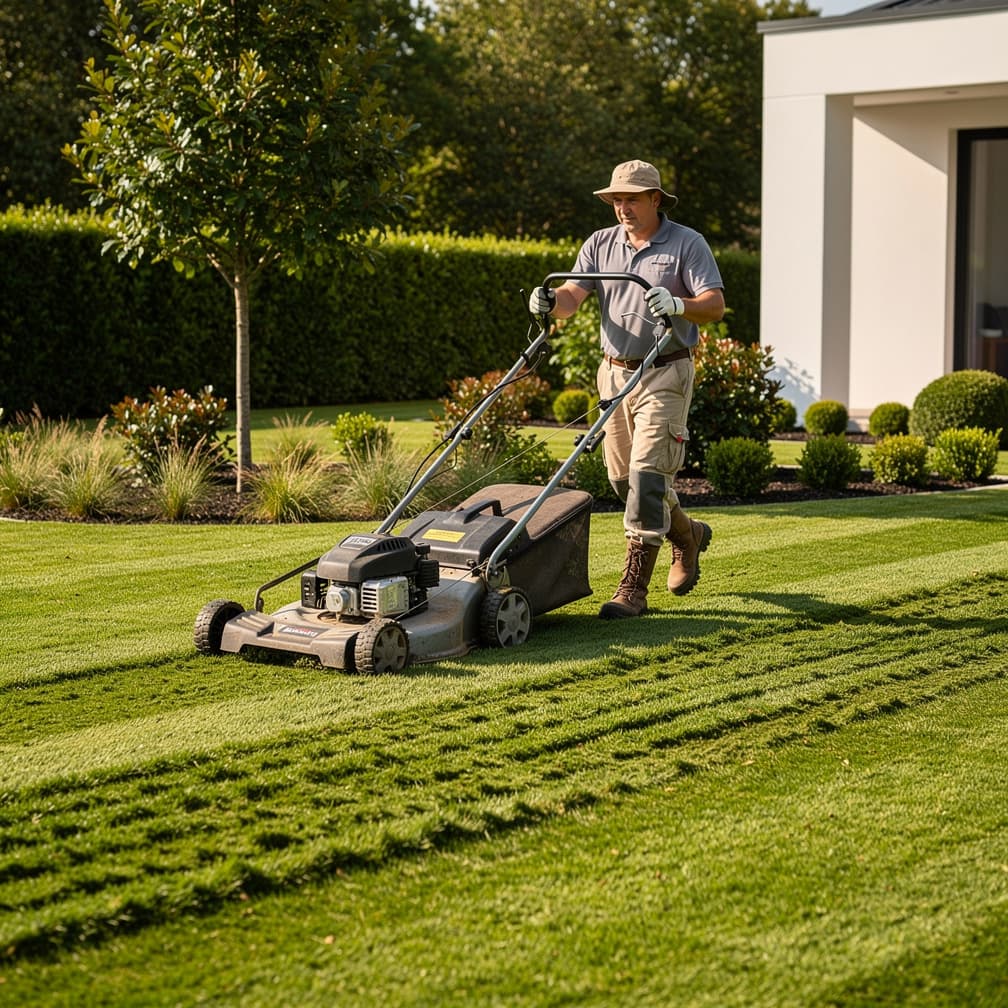
Inland marine insurance is often the missing piece for owners who assume equipment is covered wherever it goes. Landscaping gear is mobile by nature. Zero turn mowers, stand on mowers, trimmers, blowers, chainsaws, and similar tools may be loaded on a trailer, left at a job site during the day, or stored in more than one place. If a mower is damaged in transit or a set of tools disappears from a trailer, the question becomes whether your policy was designed to cover mobile business property away from the main premises. A current equipment schedule, with major items and replacement values, makes that review much more useful.
Workers compensation insurance should be reviewed with the same level of detail. Landscaping crews lift, cut, trim, dig, load, and work in heat for long stretches. Claims can come from repetitive motion, slips, falls, tool use, and loading equipment. Payroll classification, owner involvement, seasonal hiring, and subcontractor relationships all affect how this part of the program should be structured. If you use day labor, temporary help, or uninsured subcontractors, raise that early so you can understand how those labor arrangements may affect your insurance planning.
Cost discussions are more useful when they stay tied to operating facts. Premiums move with payroll, driver history, vehicle type, equipment values, claim history, service radius, and the kinds of properties you maintain. Higher liability limits, lower deductibles, and broader equipment scheduling can also change the quote. Instead of asking for the lowest premium, compare how each option handles the losses most likely to interrupt cash flow: a customer injury claim, a truck accident, or damaged mowing equipment during the season.
Before you buy, line up the practical details that slow down underwriting. Gather your business name and entity details, service descriptions, estimated payroll, driver information, vehicle list, equipment list, prior loss history, and any insurance requirements from customers or landlords. Then review exclusions, deductibles, hired or non owned auto needs if applicable, and certificate turnaround expectations before the next contract lands on your desk.
Recommended Coverage for Landscaping Businesses
Based on the risks landscaping businesses face, these coverage types are essential:

General Liability
Essential coverage for every business, protect against third-party bodily injury, property damage, and advertising claims.

Workers Compensation
Help cover your employees' medical expenses and lost wages for work-related injuries and illnesses.

Commercial Auto
Protect your business vehicles and drivers with comprehensive commercial auto coverage.

Inland Marine
Protect tools, equipment, and goods in transit or stored at locations away from your primary premises.
Common Risks for Landscaping Businesses
- A mower or string trimmer damages a client’s fence, siding, or hardscape during routine service.
- A visitor slips and falls near a wet walkway, freshly cut turf, or debris left behind after a job.
- A truck, trailer, or service vehicle is involved in a vehicle accident while traveling between properties.
- Tools, blowers, or handheld equipment are stolen from a jobsite, trailer, or storage yard.
- An irrigation line, sprinkler head, or drainage component is damaged during digging or edging work.
- A contract requires proof of general liability, commercial auto, or equipment coverage before work can begin.
Get Your Landscaping Insurance Quote
Compare rates from multiple carriers. Free quotes, no obligation.
What Happens Without Proper Coverage?
Landscaping businesses feel a claim in two places at once: the direct loss and the lost production that follows. A damaged mower still leaves payroll to meet while jobs get delayed or reassigned; a truck accident on the way to a property means missed appointments and pressure on the rest of the schedule on top of the repair bill. Coverage exists to keep one event from draining working capital in the busiest part of the season.
The liability exposure is constant because your crews work on other people’s premises with residents, tenants, and customers nearby. A stone thrown by a mower, a slip near a freshly serviced area, or a cut irrigation line can turn into a demand for payment even when the facts are disputed, and legal defense costs arrive regardless of who was right.
Contracts drive many buying decisions before any claim does. Commercial clients, property managers, and homeowners associations ask for certificates, set required limits, and expect specific additional insured wording before approving a vendor. Reviewing insurance after signing means scrambling to meet terms you could have checked earlier.
The goal is not to buy every option available. Match coverage to the way the business earns revenue, then check that limits, deductibles, and policy terms fit your contracts, vehicles, crew structure, and equipment schedule before the season gets busy.
Insurance Tips for Landscaping Owners
Review your general liability limits against the properties you service, because a residential mowing route and a commercial grounds contract can create very different claim severity if property damage or bodily injury is alleged.
Separate personal and business vehicle use carefully, especially if trucks tow trailers or carry mowers daily, because commercial auto coverage should match how the vehicles are actually used in the business.
Build an equipment schedule for inland marine insurance before requesting quotes, listing major mowers, handheld tools, and other mobile gear so you can compare replacement value assumptions instead of guessing after a loss.
Classify payroll and crew duties as accurately as possible, since workers compensation questions get harder when owners mix office work, supervision, mowing, irrigation repair, and seasonal labor under one rough estimate.
Ask how the policy handles borrowed, rented, hired, or employee used vehicles if those situations come up, because landscaping operations often expand quickly during busy months and coverage gaps can appear during that growth.
Read customer contracts before binding coverage, paying close attention to certificate requests, additional insured wording, and liability limit requirements so you know whether the quote you are reviewing can support the work you want to win.
How Much Does Landscaping Insurance Cost?
Landscaping Insurance is a bundle of separate policies, priced separately. The ranges below are typical figures nationally for each line, except workers compensation, which is rated per $100 of payroll; a quote prices each one against your own operations.
| Coverage | Typical range | What moves your price |
|---|---|---|
| General Liability Insurance | $65 - $220 per month | Industry and risk classification, annual revenue, number of employees |
| Workers Compensation Insurance | $0.75 - $2.74 per $100 of payroll | Employee classification codes, total annual payroll, experience modification rate |
| Commercial Auto Insurance | $200 - $625 per month | Fleet size and vehicle types, driver records and experience, coverage limits and deductibles |
| Inland Marine Insurance | $25 - $100 per month | Total insured value of the scheduled property, type and age of the equipment, where it is stored and how far it travels |
Prices shown are general estimates, not guaranteed rates or quotes. Your actual premium will depend on the insurer, coverage selected, business details, location, claims history, and other underwriting factors. Learn about our pricing methodology.
FAQ
Frequently Asked Questions About Landscaping Insurance
General liability, workers compensation, commercial auto, and inland marine coverage handle most landscaping operations. The mix depends on your crew size, vehicles, equipment, and whether you work residential properties, commercial sites, or both.
Third party property damage, a broken irrigation line, a damaged fence, a chipped hardscape feature, is the core of what general liability addresses. The outcome of any claim rests on the policy terms and the facts of the loss, so read exclusions before binding.
Whenever business vehicles move crews, tools, fuel, or trailers between jobs, commercial auto belongs in the review. Personal policies are not designed for daily business use, multiple drivers, or towed equipment.
Mobile equipment in transit or parked at a job falls to inland marine coverage rather than a standard property policy. Whether a specific mower or trimmer is protected depends on the policy structure, scheduled items, and the loss circumstances.
Crew size does not change the physics of the work: lifting, cutting, loading, and long days outdoors. Requirements follow your labor setup, owner involvement, and subcontractor use, and many client contracts require proof regardless of headcount.
A certificate confirms your liability and other required coverages are active before work begins, which protects the client’s own risk position. Check those requirements early, especially when the contract names specific limits or wording.
Payroll, driver history, vehicle use, equipment values, claims history, service area, and requested limits do most of the pricing work. Comparing deductibles, exclusions, and contract fit tells you more than comparing premiums.
No single policy stretches that far; the protection comes from several coverages working together. Liability, commercial auto, workers compensation, and inland marine each own a different part of the operation, and the review should mirror how the business actually runs.
Updated March 31, 2026