
Why electricians face expensive claims fast
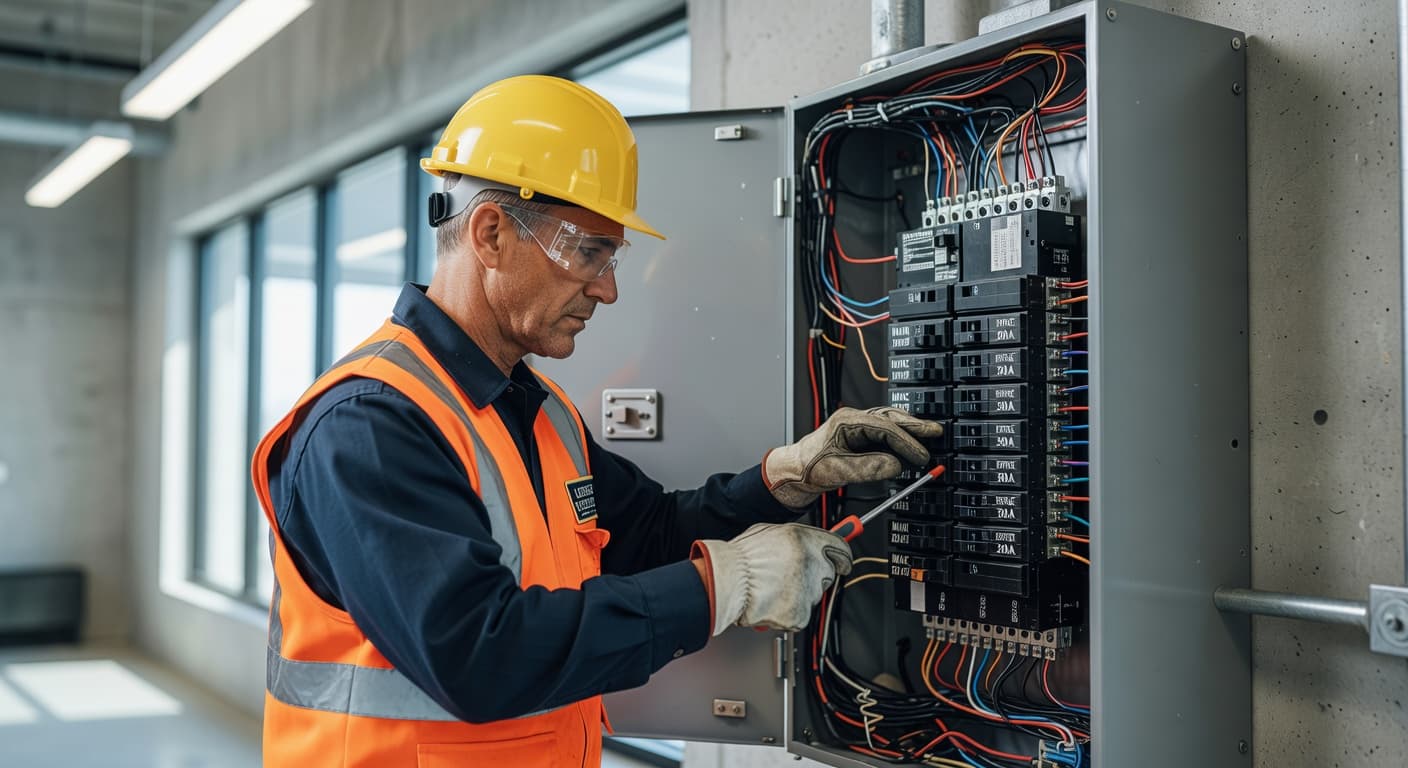
Electricians work around energized systems, occupied buildings, finished surfaces, and tight schedules, so one mistake can turn into an injury claim, a property damage claim, or a contract dispute in the same job. OSHA identifies the core hazard set clearly: electrical work exposes you and others to electric shock, electrocution, fires, and explosions, so your insurance decision starts with the loss scenarios your crews can actually trigger on a service call, panel change, rough-in, generator install, or troubleshooting visit.
The injury patterns matter because they shape what coverage you buy first. OSHA points to frequent causes of electrical injuries such as contact with power lines, lack of ground-fault protection, path to ground missing or discontinuous, equipment not used in the prescribed manner, and improper use of extension and flexible cords. If your work includes ladders, temporary power, attic runs, exterior disconnects, or occupied commercial spaces, those exposures are not abstract. They affect how often you enter third-party premises, how much damage a mistake can cause, and whether one incident can involve both bodily injury and damaged customer property.
Liability risk is not just about paying a small repair bill. The Insurance Information Institute says, "A lawsuit could bankrupt your business, and liability insurance pays the cost of your defense and protects your assets," so even a small shop should treat insurance as balance-sheet protection, not just a certificate to satisfy a GC or property manager. Before you shop, list your most common job types, whether you cut into finished walls, whether you subcontract any labor, and whether you leave work energized before final turnover. That gives you a practical starting point for limits and endorsements instead of buying a generic policy.
The core coverage stack for an electrical contractor
For most electricians, the starting stack is general liability insurance and workers compensation insurance. General liability responds to third-party claims tied to your operations, and it is the first policy a landlord, general contractor, or commercial customer typically expects to see before work starts. If you are comparing forms, start with general liability insurance and then pressure-test whether the policy fits the way your crews work, not just the class code on the application.
The Insurance Information Institute explains that a BOP can cover "bodily injury," "property damage" or "personal and advertising injury," which is useful framing for electricians because your claims often involve direct damage to a customer site or injury to someone other than your employee. Think about a miswired device that damages equipment, a drilling mistake that hits hidden systems, or a service call where a customer trips around your work area. Those are the kinds of events you want reviewed against exclusions, completed operations treatment, and the limits your contracts require.
If you operate from a shop or office, store materials, or keep business personal property beyond hand tools in trucks, ask whether a businessowners policy makes sense. The Insurance Information Institute says, "For small businesses the most efficient and least expensive way to purchase liability insurance is usually as part of the Businessowners Policy (BOP)," so a small electrical contractor with a modest premises exposure may want to compare a standalone liability policy against a BOP structure. Then decide based on what property you need insured, how you store wire and equipment, and whether your lease or lender expects property coverage as part of the package.
Why workers comp matters even for careful crews
Electrical contractors tend to focus first on customer-facing liability, but workers compensation still deserves a careful review. Your people climb ladders, pull wire, work in heat, drive between jobs, and handle energized or recently de-energized systems. Workers compensation should be reviewed with the same care you give your liability limits.
The Insurance Information Institute states, "It assures that injured workers get medical care and compensation for a portion of lost income, and it usually protects employers from lawsuits by workers injured while working." That matters for electricians because a single claim can create both a human problem and a business continuity problem. If a lead mechanic is out, jobs slow down, callbacks stack up, and payroll pressure rises while you are still trying to keep customers on schedule.
Fault is not the main buying question here. The Insurance Information Institute also notes, "Workers receive benefits regardless of who was at fault in the accident," so your review should focus less on blame and more on whether your payroll estimates, job duties, and crew structure are described accurately at binding and at audit. If you have helpers, apprentices, foremen who still work with tools, or office staff who occasionally visit sites, classify those roles carefully.
Driving exposure deserves special attention for electricians because so much work happens across multiple addresses in a week. The Insurance Information Institute says, "The leading cause of workers comp death claims is traffic accidents that occur when the employee is in a vehicle for work purposes," so if your crews move from supply house to service call to project site, ask how your workers comp review lines up with your commercial auto and driver safety practices before you renew.
What changes the right policy for service work, remodels, and commercial jobs
The right insurance for electricians is not one policy shape for every shop. A residential service electrician doing short-duration calls in occupied homes has a different claim profile than a contractor handling tenant finish work, panel upgrades, lighting retrofits, or small commercial build-outs. The more your work involves cutting into finished spaces, coordinating with other trades, or leaving partially completed systems overnight, the more important it is to review completed operations, additional insured requests, waiver language, and how your policy handles jobsite-caused property damage.
Your workflow should drive the questions you ask. If you mainly do troubleshooting and repairs, focus on third-party injury, accidental property damage, and whether your tools and materials move constantly between vehicles and sites. If you do remodel and new installation work, review contract requirements before you quote the job, especially where a GC requires primary and noncontributory wording, certificates on short notice, or higher limits for larger projects. If you subcontract any portion of labor, ask how that affects your liability profile and what proof of coverage you need from subs before they step on site.
OSHA advises employers to "Determine the severity and likelihood of incidents that could result for each hazard identified, and use this information to prioritize corrective actions." That same discipline helps you buy insurance more intelligently. Rank your exposures by what would hurt most: a fire loss allegation, damage to a customer panel or equipment, or a contract you cannot start because your certificate does not match the job requirements. Then build your insurance review around those operational priorities instead of buying the same limits every year without checking whether your work mix changed.
How to compare electrician insurance quotes without missing gaps
A useful quote comparison for an electrical contractor goes beyond premium. Start by making each quoting agent work from the same operational summary: your main job types, annual payroll, whether you use subcontractors, whether you perform service and repair, whether you work in occupied buildings, how many vehicles you run, and whether you have a shop or office. If one quote assumes light residential service work and another assumes broader commercial operations, the prices are not truly comparable.
Next, compare structure before cost. Check whether you are looking at standalone general liability or a BOP, whether workers comp is included in the package review, and whether the quote contemplates the certificates and contract language your customers ask for. Electricians frequently discover problems only after a job is awarded, when a certificate request comes in with additional insured wording or other requirements that were never discussed during quoting.
Then read exclusions and classifications with a skeptical eye. Confirm the named insured matches the entity signing contracts. Review how the application describes your operations, because broad labels can hide important differences between low-voltage work, service calls, tenant improvement, and heavier electrical installation. Ask specifically about completed operations, damage to premises you work in, and any limitations that could matter if your work allegedly causes a fire or equipment failure after you leave.
Finally, use your own loss-control habits as part of the buying process. If you document lockout and tagout practices, driver screening, tool control, and jobsite hazard checks, bring that into the conversation. Better underwriting starts with a clearer picture of how you actually run jobs, and that leads to a quote you can trust when a certificate, claim, or audit puts the policy to the test.
Common insurance buying mistakes electricians should avoid
One common mistake is buying only to satisfy a certificate request. That can leave you with a policy that gets you on site but does not match your real exposures once work begins. If your jobs include energized troubleshooting, attic and crawlspace access, exterior service equipment, or work in occupied commercial suites, your review should account for those conditions before you bind coverage.
Another mistake is treating workers comp as a formality once you hire help. Electrical work combines physical labor, travel, and serious hazard potential, so payroll estimates, job classifications, and crew duties need to stay current through the policy term. If a foreman still spends most days in the field, or office staff occasionally visit jobsites, stale classifications can create audit friction and coverage questions at the worst time.
Electricians also understate how often they drive for work. A business that starts at the shop, stops at a supplier, then heads to multiple customer locations in one day has a different exposure profile than a contractor working at one fixed site for weeks. If your insurance review ignores that travel pattern, you are missing a major source of claim severity.
The last mistake is failing to revisit limits and policy structure as the business changes. Moving from one-person service work into small commercial projects, adding apprentices, leasing a shop, or taking on GC contract requirements can all change what you should carry. Before renewal, pull your largest recent contracts, your current payroll by role, and a list of your most common job types. Use that file to request a fresh quote review instead of rolling over last year's choices.
Frequently Asked Questions
General liability and workers compensation come first for this trade, because the work combines third-party property damage exposure with the serious hazards OSHA identifies: electric shock, electrocution, fires, and explosions.
For electricians, a BOP can make sense if you also need property coverage for a shop, office, or business personal property. iii.org says a BOP is typically the most efficient and least expensive way for small businesses to buy liability coverage.
Workers comp matters because crews face jobsite hazards and driving exposure while moving between calls. iii.org says it helps injured workers with medical care and lost income, and it usually protects employers from lawsuits by workers injured while working.
General liability is the policy to review for third-party claims involving bodily injury or property damage at a customer location. iii.org describes key liability categories as "bodily injury," "property damage" or "personal and advertising injury," which is a useful starting point when comparing forms.
For electricians, driving between supply houses and jobsites is not a side issue. iii.org says, "The leading cause of workers comp death claims is traffic accidents that occur when the employee is in a vehicle for work purposes," so travel patterns belong in your insurance review.
Sources
- 1.iii.org(A lawsuit could bankrupt your business, and liability insurance pays the cost of your defense and protects your assets.; “bodily injury,” “property damage” or “personal and advertising injury”; For small businesses the most efficient and least expensive way to purchase liability insurance is usually as part of the Businessowners Policy (BOP).)
- 2.osha.gov(Electric shock, electrocution, fires, and explosions.; Contact with power lines, lack of ground-fault protection, path to ground missing or discontinuous, equipment not used in manner prescribed, and improper use of extension and flexible cords)
- 3.iii.org(It assures that injured workers get medical care and compensation for a portion of lost income, and it usually protects employers from lawsuits by workers injured while working.; Workers receive benefits regardless of who was at fault in the accident.; The leading cause of workers comp death claims is traffic accidents that occur when the employee is in a vehicle for work purposes.)
- 4.osha.gov(Determine the severity and likelihood of incidents that could result for each hazard identified, and use this information to prioritize corrective actions.)
Request a Quote Comparison
Enter your ZIP code to compare insurance rates from top carriers.
Updated July 17, 2026