
Does my business need workers compensation insurance?
If you have employees, this is not a question to answer casually. A workers compensation decision affects payroll, hiring, subcontractor review, return-to-work planning, and how you handle an injury on a normal workday. The core reason many owners buy it is practical: workers compensation insurance serves two purposes. It helps cover medical care and partial lost income after a work injury, and it usually protects employers from employee lawsuits over work injuries, so one claim does not automatically become both a medical problem and a liability fight. If you are still weighing options, review how workers compensation insurance fits into your operation before you bind coverage.
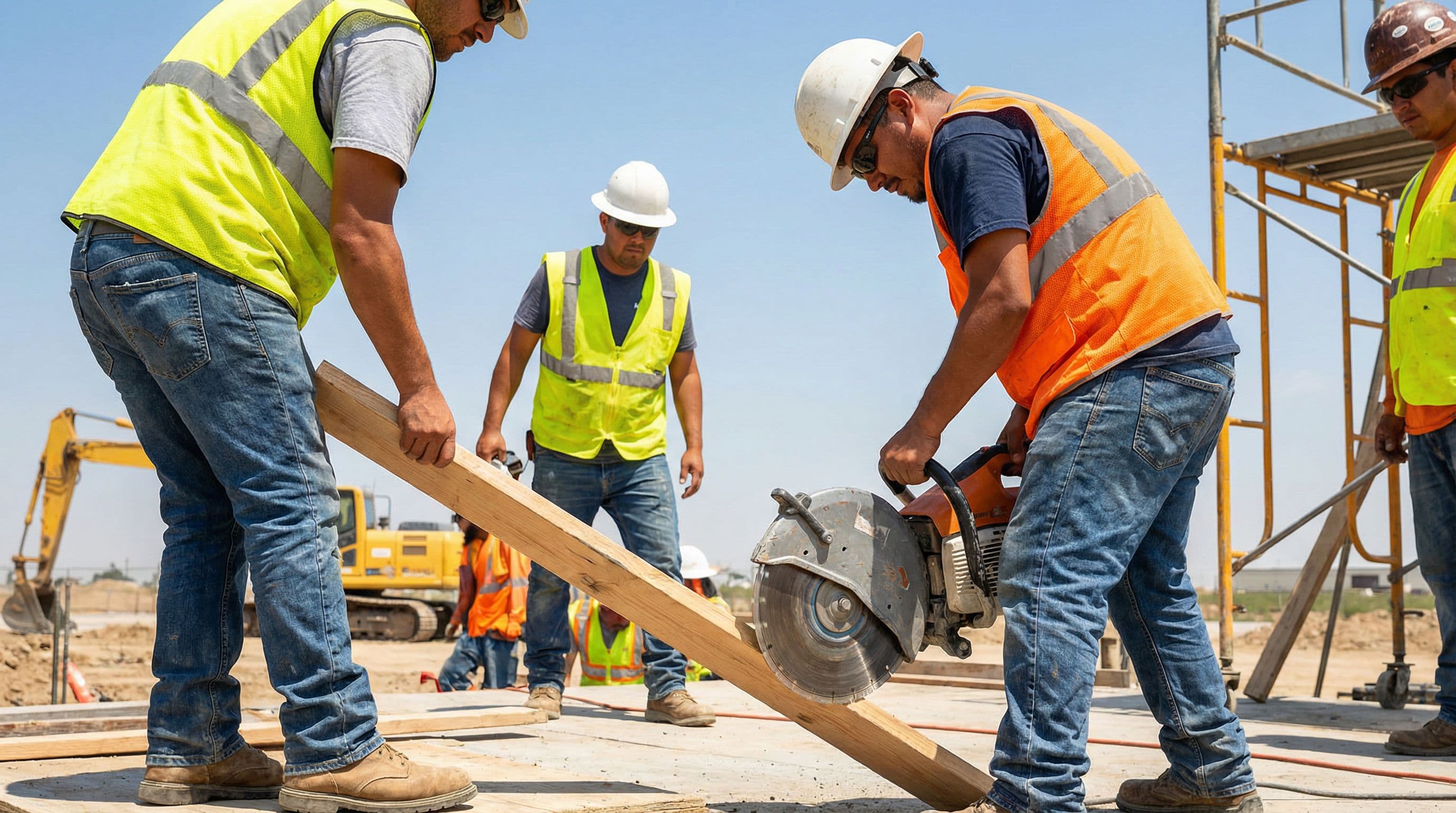
The real test is how your people work. If an employee lifts stock, unloads tools, climbs stairs, drives to a client, makes deliveries, visits job sites, or works around equipment, you have injury exposure even if your business looks low hazard on paper. A slip in the shop, a strain while moving materials, or a fall in a customer location can interrupt payroll and staffing immediately.
You also need to separate employees from true independent contractors with care. If you direct schedules, provide tools, control the work process, or fold that person into daily operations, you should ask your agent or advisor to review whether that labor should be included for workers compensation purposes. The wrong assumption here can leave you uninsured for the very people keeping the business running.
Because requirements vary by state, do not rely on a rule you heard from another owner, a payroll service, or a prior employer. Ask for a quote review built around your headcount, job duties, payroll, and where work is performed.
What kinds of injuries and incidents does workers comp usually address?
Workers compensation matters most in the ordinary incidents that interrupt a normal week. Coverage generally applies to injuries on your premises or elsewhere while the employee is acting in the course and scope of employment, so your exposure is not limited to your office, shop, or storefront. If your staff installs, delivers, services, inspects, meets customers, or travels between locations during the day, you should assume offsite injury scenarios belong in the discussion.
That distinction matters because many owners picture only dramatic accidents. In practice, claims can start with a back strain, a cut, a fall, repetitive motion, or an incident in a parking lot or customer location while work is being performed. Workers compensation can also respond to workplace violence, terrorist attacks, natural disasters, and certain occupational diseases tied to employment, so your review should include unusual but plausible events, not just the most common ones.
Driving deserves special attention. Traffic accidents are identified as the leading cause of workers compensation death claims when employees are driving for work purposes, so any business that sends people on errands, deliveries, sales calls, service appointments, or supply runs should tell that story clearly during quoting. Vehicle use changes the risk profile even if driving is only part of the job.
At the same time, not every auto incident falls inside the policy. Accidents driving to and from work are not covered, which is an important boundary to understand when you write job descriptions, assign vehicles, and explain reporting procedures to staff. Build your injury reporting process around what employees are doing, where they are going, and whether the trip is part of the job.
How state rules change the answer for your business
A workers compensation decision is never fully generic because state rules shape who must carry coverage, how benefits work, and how claims are handled. State laws and court decisions control the program in that state and no two states have exactly the same laws and regulations, so a business with the same payroll and job duties can face different obligations depending on where employees work. That is why your quote request should list every state where you hire, travel, install, deliver, or supervise work.
This becomes more important as your operation grows. If your business expands to another state, you may have to deal with very different rules in the new state, so expansion is not just a sales or payroll issue. It is also an insurance administration issue. A new territory, a remote employee, or a crew crossing state lines for projects can create a compliance problem if your policy setup does not match where work actually happens.
For a small employer, the practical move is simple: review workers compensation any time you add employees, open a location, start sending staff across state lines, or change your labor mix between office, field, warehouse, and driving duties. Do not wait until renewal if your operation changes midterm.
You should also keep your payroll classifications, job descriptions, and subcontractor records organized before you shop. Clear records make it easier to show what each worker does, where they do it, and whether your current policy structure still fits the business you are running now.
What to review before you buy a workers comp policy
A useful workers compensation quote starts with operational detail, not just payroll totals. Be ready to describe each role in plain language: who works at a desk, who handles inventory, who drives, who visits customer sites, who uses ladders or tools, and who supervises others in the field. If you blend duties across roles, say so. A bookkeeper who occasionally runs deposits or a manager who also unloads shipments should not be described as if the job is purely clerical.
Next, review where injuries could happen during a normal week. OSHA says employers must keep workplaces free from known safety and health hazards, so your insurance review should line up with your actual safety exposures. If you know employees face lifting hazards, vehicle use, slippery surfaces, customer-facing confrontations, heat, repetitive motion, or equipment risks, bring that into the quote conversation. Better underwriting starts with a more honest picture of the work.
You should also ask how claims are reported, what documentation is needed after an injury, and how return-to-work expectations are handled. Those process details matter because a delayed report or vague incident description can complicate a claim that should have been straightforward.
If your business uses subcontractors, temporary labor, or seasonal help, ask specifically how those workers are treated for workers compensation purposes. If you hire family members, owners, or part-time staff, raise that too. The goal is not to buy the broadest sounding policy. It is to buy a policy structure that matches your labor model before an injury exposes a gap.
Mistakes owners make when deciding on workers compensation
The most common mistake is assuming a low-risk business does not need a serious review. Many claims come from routine movement, short trips, lifting, carrying, and offsite tasks that owners stop noticing because they happen every day. If your people leave their chairs, handle materials, interact with the public, or drive for work, your exposure is more than theoretical.
Another mistake is treating workers compensation as a one-time compliance purchase instead of an operating policy. Your staffing changes, duties shift, and new services creep into the business. If payroll rises, field work expands, or employees start traveling more often, an old setup may no longer fit. Review the policy whenever the business changes, not only at renewal.
Owners also get into trouble by assuming every injury involving a car is either covered or excluded. The line is narrower than that. Work travel can create workers compensation exposure, while ordinary commuting generally does not. That means dispatch practices, mileage expectations, and trip purpose should be documented clearly.
A final mistake is focusing only on premium and ignoring claim handling rules. States may use treatment guidelines and limits on care to control workers compensation costs, so the way care is managed can differ by jurisdiction. Ask how claims are administered where your employees work, what medical management rules may apply, and what you need to do immediately after an incident. Those details affect the employee experience and your ability to keep operations stable after a loss.
Frequently Asked Questions
If your employees drive for work, workers compensation deserves close review because traffic accidents are identified as the leading cause of workers compensation death claims when employees are in a vehicle for work purposes. Mention deliveries, service calls, and errands when you request quotes.
Yes. Coverage can follow employees away from your premises whenever they are acting in the course and scope of employment. That matters if your staff visits customers, travels between jobs, makes deliveries, or performs work at another location.
No, workers compensation generally does not cover ordinary commuting. Accidents driving to and from work are not covered, so you should distinguish a normal commute from a trip that is part of the employee's job duties.
Death benefits for the worker's dependents are part of the coverage when a death is work related. If your business has driving, field work, equipment use, or other serious injury exposure, that is a key reason to review coverage carefully.
They can change significantly. State laws and court decisions control the program in each state, and no two states run identical systems, so review coverage before hiring, sending crews, or opening operations in a new territory.
Sources
- 1.iii.org(Workers compensation insurance serves two purposes, it helps cover medical care and partial lost income after a work injury, and it usually protects employers from employee lawsuits over work injuries.; Coverage generally applies to injuries on your premises or elsewhere while the employee is acting in the course and scope of employment.; Workers compensation can also respond to workplace violence, terrorist attacks, natural disasters, and certain occupational diseases tied to employment.; Traffic accidents are identified as the leading cause of workers compensation death claims when employees are driving for work purposes.; Accidents driving to and from work are not covered.; State laws and court decisions control the program in that state and no two states have exactly the same laws and regulations.; If your business expands to another state, you may have to deal with very different rules in the new state.; States may use treatment guidelines and limits on care to control workers compensation costs.; Workers compensation can provide death benefits to dependents if a worker dies from a work-related incident.)
- 2.osha.gov(OSHA says employers must keep workplaces free from known safety and health hazards.)
Request a Quote Comparison
Enter your ZIP code to compare insurance rates from top carriers.
Updated July 17, 2026