Updated July 16, 2026

Key Takeaways
- Compare your current liability limits against a higher-limit option before renewing, especially if you have savings, income, or property to protect.
- Review collision and comprehensive separately for each vehicle, and keep them only where replacing the car out of pocket would be difficult.
- Ask for at least two deductible options on physical damage coverages so you can balance premium savings against your out-of-pocket risk.
- Check whether uninsured motorist, medical payments, and rental reimbursement solve real problems for your household before removing them to cut premium.
- Use the same drivers, vehicles, limits, deductibles, and effective date on every quote so you can compare policies fairly.
Car Insurance in New Mexico
Buying car insurance in New Mexico means balancing everyday driving needs with a risk profile shaped by wildfire, flash flooding, and a high uninsured driver rate. Coverage limits, deductibles, and where you drive can change your quote, and local conditions from Santa Fe to Albuquerque to Las Cruces to Rio Rancho to Roswell can influence how much protection may make sense. New Mexico reported 42,000 crashes in 2023, with drowsy driving and speeding among the top causes. That volume means the right policy is about more than meeting a minimum. State drivers often look at liability first, then decide whether collision, comprehensive, uninsured motorist, medical payments, or rental reimbursement may suit their vehicle and budget. The goal is to compare options with the local market in mind, not just a national average.
What Car Insurance Covers
Car insurance in New Mexico typically starts with liability, which can help pay for injuries and damage you cause to others in an auto accident. New Mexico's commercial auto minimums are $25,000/$50,000/$10,000, but personal auto needs should still be matched to your own risk profile. For personal auto policies, the exact structure and endorsements vary by carrier, but drivers commonly add collision coverage for crash-related repairs to their own vehicle. Comprehensive coverage may respond to non-collision losses such as wildfire-related damage, theft, or weather-related events. That matters here because wildfire risk is rated very high, flash flooding is high, and recent disasters have included wildfire complexes, flooding and mudslides, and severe winter storms.
Uninsured motorist coverage is especially relevant because the state's uninsured driver rate is 18.8%. That protection can help when the other driver lacks adequate insurance after an auto accident. Medical payments coverage can help with covered medical expenses tied to a crash, and rental reimbursement coverage can help keep you mobile while a covered claim is being repaired. Coverage details vary by policy, but deductibles, limits, and endorsements are the main levers that change how much protection you buy and how your premium is set. The New Mexico Office of Superintendent of Insurance oversees the market, so policy terms and filings should be reviewed carefully before you bind coverage.

Liability
Can help pay for injuries and property damage you cause to others in an accident, coverage most states require drivers to carry.
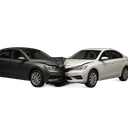
Collision
Can help pay to repair or replace your car after a crash with another vehicle or object, regardless of fault.

Comprehensive
Typically covers damage to your car from events other than collisions, such as theft, hail, fire, flooding, or hitting an animal.

Uninsured Motorist
May pay for your injuries and, in some states, car damage when an at-fault driver has no insurance or too little.

Medical Payments
Can help cover medical bills for you and your passengers after an accident, no matter who was at fault.
Rental Reimbursement
May pay for a rental car while your vehicle is in the shop for repairs after a covered claim.
Car Insurance Requirements in New Mexico
- The New Mexico Office of Superintendent of Insurance regulates the market, so policy terms and endorsements should be reviewed before you bind coverage.
- New Mexico's commercial auto minimums are $25,000/$50,000/$10,000, but personal auto needs should still be matched to your own risk profile.
- Coverage choices often need to account for wildfire, flash flooding, and weather-related auto accident losses that are more common here than in many states.
- Uninsured motorist coverage is important to evaluate because the state's uninsured driver rate is 18.8%.
How Much Does Car Insurance Cost in New Mexico?
Average Cost in New Mexico
$90 - $220
per month
In New Mexico, car insurance premiums typically run $90 - $220 per month, which tends to run 9% below the national range of $110 - $230 per month.
- Driving record and age
- Vehicle make, model, and year
- Location and commute distance
- Credit-based insurance score
- Coverage limits and deductibles
Contact CPK Insurance for a personalized quote.
Average monthly cost for car insurance in New Mexico is driven by local risk and coverage choices. The state's premium index is 96, which means local pricing runs close to the national average but still varies by carrier and driver profile. The state has 260 active insurers competing for business, which can help create quote variation from carrier to carrier. Your cost may usually move with coverage limits and deductibles, claims history, location, policy endorsements, and the vehicle itself. In practice, drivers in higher-risk areas or those with recent claims may see higher premiums, while careful shoppers who compare quotes from multiple companies may find meaningful differences.
Local conditions also matter. The state's overall crime index is 150, and property crime is elevated, which can push comprehensive coverage higher than a driver might expect from a national page. Crash data also plays a role, since the state recorded 42,000 crashes and 478 fatalities in 2023, with weather conditions, speeding, and drowsy driving among the leading causes. That volume means the right policy is about more than meeting a minimum. If you choose higher limits, lower deductibles, or add medical payments or rental reimbursement coverage, your premium may usually reflect that added protection.
| Coverage | What It Pays For | Required? |
|---|---|---|
| Bodily Injury Liability | Other people's injuries when you're at fault | Yes (most states) |
| Property Damage Liability | Damage to others' property when you're at fault | Yes (most states) |
| Collision | Your vehicle damage in accidents | If financed/leased |
| Comprehensive | Theft, vandalism, hail, floods, animal strikes | If financed/leased |
| Uninsured Motorist | Your injuries/damage when other driver is uninsured | Many states |
| Medical Payments/PIP | Your medical expenses regardless of fault | No-fault states |
| Rental Reimbursement | Rental car while yours is being repaired | Optional |
Bodily Injury Liability
- What It Pays For
- Other people's injuries when you're at fault
- Required?
- Yes (most states)
Property Damage Liability
- What It Pays For
- Damage to others' property when you're at fault
- Required?
- Yes (most states)
Collision
- What It Pays For
- Your vehicle damage in accidents
- Required?
- If financed/leased
Comprehensive
- What It Pays For
- Theft, vandalism, hail, floods, animal strikes
- Required?
- If financed/leased
Uninsured Motorist
- What It Pays For
- Your injuries/damage when other driver is uninsured
- Required?
- Many states
Medical Payments/PIP
- What It Pays For
- Your medical expenses regardless of fault
- Required?
- No-fault states
Rental Reimbursement
- What It Pays For
- Rental car while yours is being repaired
- Required?
- Optional
How New Mexico compares with the national baseline
Uninsured drivers
18.8% vs 11.6% baseline
About 18.8% of New Mexico drivers are estimated to be uninsured, above the 11.6% average across states.
Fatal crashes per 100 million miles
1.95 vs 1.33 baseline
New Mexico sees about 1.95 fatal crashes per 100 million miles driven, above the national average of 1.33.
Blue bar: New Mexico. Gray line: national baseline.
Prices shown are general estimates, not guaranteed rates or quotes. Your actual premium will depend on the insurer, coverage selected, personal details, location, claims history, and other underwriting factors. Learn about our pricing methodology.
Request a Quote Comparison
Enter your ZIP code to compare car insurance rates from top carriers.
Car insurance starting at $59/mo
Who Needs Car Insurance?
Most New Mexico drivers need at least a close look at liability coverage, but some groups have stronger reasons to build out broader protection. Daily commuters in Santa Fe, Albuquerque, Las Cruces, and Rio Rancho often need protection that matches local traffic patterns, because speed-related crashes, drowsy driving, and weather-related accidents are common enough to affect real-world claim risk. Drivers in wildfire-prone or flood-prone areas may want comprehensive coverage because recent disasters have included a 2024 wildfire complex with declared counties and a 2023 flooding and mudslide event. Those exposures can affect vehicle loss risk even when the car is parked.
Households that rely on a single vehicle may value rental reimbursement coverage so they can keep working or handling school and family trips after a covered claim. People who drive older vehicles may lean toward liability-focused protection, while owners of newer or financed vehicles often consider collision and comprehensive coverage together because repairs or replacement can be more expensive than the premium difference. Drivers who regularly travel on rural roads or in areas with a higher chance of uninsured drivers may want to pay special attention to uninsured motorist coverage, especially given the state's rate. New Mexico's economy also matters. Government workers, healthcare employees, retail staff, accommodation and food service workers, and mining or oil and gas workers all have different commute patterns and vehicle-use needs, so the right policy may vary by occupation and mileage.
| Requirement | What New Mexico law says |
|---|---|
| Auto liability minimums | $25,000/$50,000/$10,000 (bodily injury per person / per accident / property damage). These floors apply to personal and business vehicles alike; lenders and contracts often require more. |
| Where to verify | New Mexico Office of Superintendent of Insurance publishes current requirements, consumer guides, and license lookups. |
Car Insurance by City in New Mexico
Car Insurance rates and coverage options can vary across New Mexico. Select your city below for localized information:
How to Buy Car Insurance
To buy car insurance in New Mexico, start by comparing quotes from multiple carriers, because the state has 260 active insurers and the market is competitive enough that the same driver can receive different pricing and coverage options. The New Mexico Office of Superintendent of Insurance is the regulatory body, so you should review policy documents carefully and confirm that the limits, deductibles, and endorsements match your needs before binding coverage. A strong buying process usually includes your driver information, vehicle details, current mileage, garaging location, claims history, and any coverage preferences such as liability, collision, comprehensive, uninsured motorist, medical payments, or rental reimbursement.
If you want a quote, ask for side-by-side comparisons that show how changing the deductible or liability limit changes the premium, since those two choices often move the price more than people expect. Carrier fit varies by driver profile and vehicle. If you live in Santa Fe or another city with frequent weather shifts, ask how comprehensive coverage may respond to wildfire or flash-flood-related losses. If you drive in areas where uninsured drivers are common, confirm how uninsured motorist coverage is structured. Once you choose a policy, make sure the declarations page reflects the exact vehicle, named drivers, and selected coverages, and keep proof of insurance available as required by your driving situation. Request a quote through CPK Insurance to compare your options with participating licensed providers.
How to Save on Car Insurance
The most reliable way to lower car insurance cost in New Mexico is to compare quotes across several carriers, because 260 active insurers means pricing can vary substantially by company and by driver profile. Since the state's premium index is 96, you are already in a market that is close to the national average, so savings often come from smart coverage choices rather than assuming one carrier is always cheaper. Raising your deductible can reduce premium, but only if you can comfortably handle the out-of-pocket cost after a covered loss. Keeping coverage limits aligned with the value of your vehicle can also help, especially if you are deciding whether full coverage may still be worth it for an older car.
A clean driving record matters, and that is especially important in a state where speeding and drowsy driving are major crash causes. If you drive fewer miles than average, ask about low-mileage pricing, and if you bundle with other policies, ask whether the carrier offers a multi-policy discount. Drivers in lower-risk areas may be able to trim cost by adjusting comprehensive or rental reimbursement coverage if those benefits are not essential. It also helps to review claims history before shopping, because prior claims can affect the quote. For local drivers, the strongest savings strategy is usually a balanced one. Compare a few quotes, keep the coverages that may protect against the state's biggest risks, and avoid paying for limits or add-ons that do not fit how the vehicle is actually used.
Our Recommendation for New Mexico
For New Mexico drivers, I would start with liability coverage that suits your real exposure, then add collision and comprehensive coverage if your vehicle would be expensive to repair or replace. Because the state has a high uninsured driver rate and frequent weather-related losses, uninsured motorist coverage and comprehensive protection deserve extra attention. If you depend on your car every day, medical payments coverage and rental reimbursement coverage can make a claim less disruptive. The smartest quote comparison is not just the lowest premium. It is the one that shows how deductibles, limits, and endorsements may change your out-of-pocket risk. In this market, a personalized quote matters more than a generic estimate.
FAQ
Frequently Asked Questions
In New Mexico, liability coverage can help pay for injuries and damage you cause to others in an auto accident. Collision coverage may help with your own vehicle after a crash, while comprehensive coverage may respond to non-collision losses such as wildfire, theft, or weather-related damage. Medical payments coverage can help with covered medical expenses, and rental reimbursement coverage can help keep you moving while a covered repair is underway.
New Mexico requires drivers to carry liability coverage. The state's commercial auto minimums are $25,000 per person and $50,000 per accident for bodily injury, plus $10,000 for property damage. Personal auto shoppers should compare quotes and review policy terms carefully before binding coverage, since your own risk profile may call for higher limits than the state minimum.
Average monthly cost can vary by carrier and coverage choices in New Mexico. Your final premium may depend on limits, deductibles, claims history, location, policy endorsements, and the vehicle you drive.
Many New Mexico drivers start with liability coverage and then add collision coverage if their vehicle would be costly to repair after an accident. Comprehensive coverage is often worth reviewing if you want protection from wildfire, flash flooding, theft, or other non-collision losses that are relevant in this state.
Uninsured motorist coverage can help if you are involved in an auto accident with a driver who does not have adequate insurance. That matters here because the state's uninsured driver rate is 18.8%, which is higher than many drivers expect.
Higher deductibles usually lower the premium, while higher coverage limits usually increase it, so the quote may change based on how much risk you want to keep versus pay upfront. In New Mexico, those choices matter even more because weather-related losses, crash frequency, and uninsured drivers can all affect how a claim plays out.
Yes, many drivers add medical payments coverage to help with covered medical costs and rental reimbursement coverage to keep transportation available during repairs. These options are especially useful if you rely on one car for commuting or family travel.
In the U.S., car insurance usually starts with liability coverage for injuries or property damage you cause to others. Uninsured motorist and medical payments coverage are required in some states and optional in others, so check your state's rules. You can then review optional collision, comprehensive, and rental reimbursement coverages.
Sources
Updated July 16, 2026