
What puts trucking companies into claims fastest
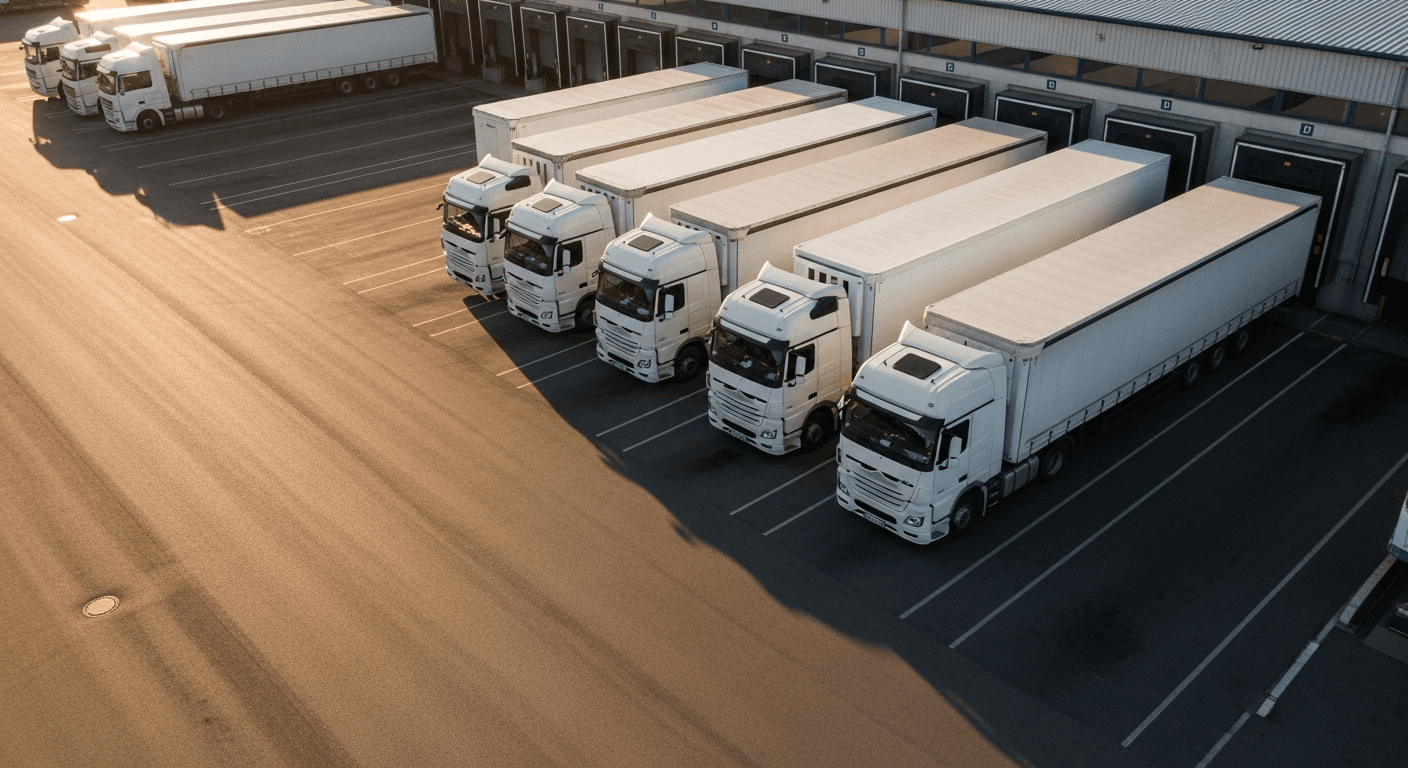
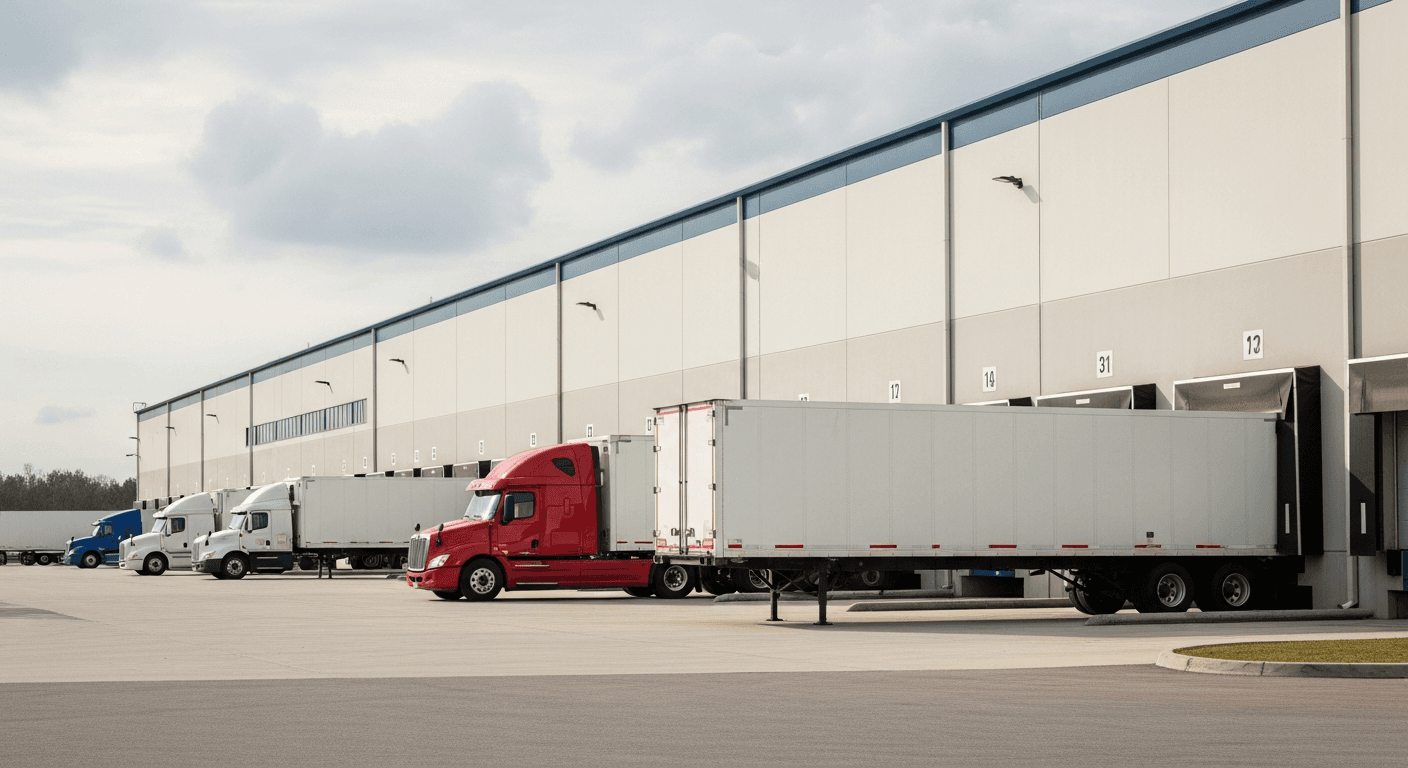
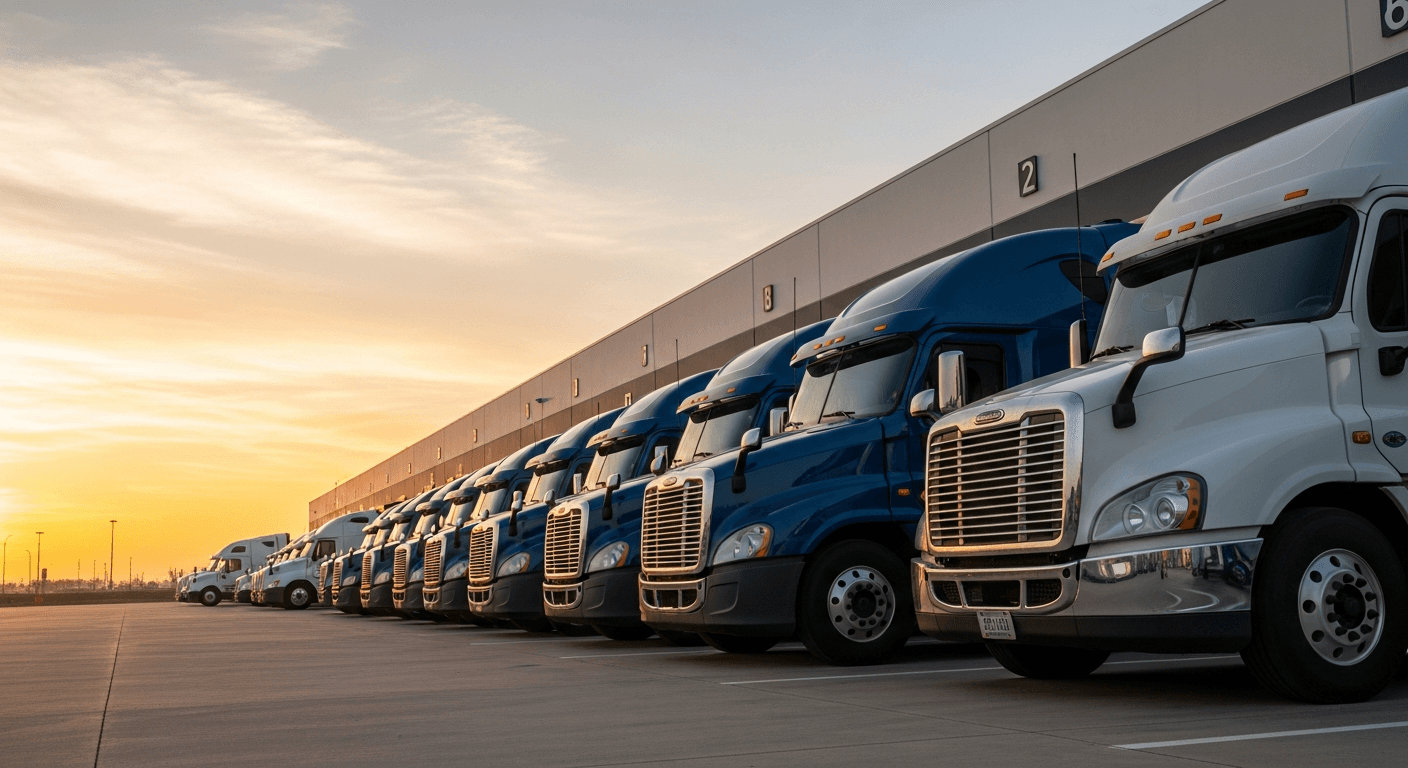
A trucking company faces loss every time a unit leaves the yard, backs to a dock, crosses state lines, or hands freight off under a shipper or broker contract. The biggest exposures are not abstract. They come from rear end collisions, lane change accidents, cargo shifts, trailer interchange disputes, loading and unloading injuries, roadside breakdowns, and allegations that a driver should not have been dispatched in the first place.
OSHA says transportation incidents account for 39% of all occupational fatalities on average, so your insurance review should start with how vehicles are operated, supervised, and documented, not just with a price target. OSHA also points to the hazard pattern behind many trucking losses: distracted driving, impaired driving, drowsy driving, speeding, aggressive driving, and seat belt use. Those issues affect more than safety meetings. They shape underwriting, loss runs, driver eligibility, and whether a serious claim turns into a negligent hiring or negligent supervision allegation.
The financial side is just as practical. OSHA says motor vehicle crash injuries on and off the job cost employers $72.2 billion in 2018, so a trucking company should treat insurance as part of operating control, not as a box to check after buying trucks. If your operation uses owner operators, drop trailers at customer sites, hauls time sensitive loads, or runs overnight schedules, ask for quote options that reflect those realities. A policy set built for a local service fleet can miss the exposures that matter most once you add tractors, trailers, cargo responsibility, and contract driven liability.
What insurance a trucking company usually needs
For most trucking companies, the core stack starts with commercial truck insurance and commercial auto insurance, then expands based on equipment ownership, cargo responsibility, and contract language. If you are still deciding what belongs in that stack, review the moving parts on the commercial truck insurance coverage page and then compare them against your dispatch model.
At the vehicle level, you review liability, physical damage, and any filings or endorsements tied to your operating authority and hauling profile. Liability addresses third party bodily injury and property damage claims arising from truck use. Physical damage is where you look at stated values, deductibles, downtime tolerance, and whether older units should carry the same structure as newer power units.
Then move beyond the truck itself. Cargo coverage matters if you are responsible for the freight. Trailer interchange matters if you pull trailers you do not own. Non trucking or bobtail related needs can come up depending on how leased operators are arranged. General liability may still matter for slip and fall incidents at your premises, loading dock allegations, or customer property damage that does not arise from truck use. Workers' compensation or occupational accident questions depend on how your drivers and yard staff are classified and what your state requires.
The right stack is the one that follows your actual operation: what commodities you haul, who owns the trailer, where units are garaged, who hires drivers, who maintains equipment, and what your contracts push back onto you. Ask for each quote to show included coverages, excluded operations, and endorsements in plain language before you compare premiums.
How trucking operations change the limits and endorsements you should buy
Two trucking companies can own similar equipment and still need very different insurance structures. The difference comes from radius, commodity, trailer type, customer contracts, and how often freight changes hands. A fleet doing short dock to dock runs with company drivers has a different claim pattern than a mixed operation handling long haul loads, drop and hook work, and occasional subcontracted capacity.
That is why limits should be chosen from the outside in. Start with what a shipper, broker, lender, or terminal agreement requires. Then test whether those requirements actually match your loss potential. If you haul higher value freight, use refrigerated units, operate in dense traffic, or leave loaded trailers unattended, low cargo limits or narrow causes of loss can create a gap exactly where a customer expects you to respond.
Endorsements deserve the same scrutiny. Ask whether loading and unloading is contemplated, whether attached equipment is scheduled correctly, whether rental reimbursement or towing matters for your routes, and whether hired or non owned auto exposure exists for managers, mechanics, or temporary vehicle use. If you use owner operators, clarify who carries primary auto liability, who insures the trailer, and how certificates line up with the written agreement.
Treat insurance buying as an ongoing review, not a one time setup. Recheck limits and endorsements whenever you add units, change freight classes, enter new lanes, or sign contracts with stricter indemnity and insurance language.
What drives trucking insurance cost
Trucking insurance cost is driven by exposure quality more than by a simple vehicle count. Underwriters look at driver motor vehicle records, years of experience, loss history, operating radius, garaging, unit values, trailer schedules, cargo type, and whether your safety controls are documented well enough to trust. A cheap quote can become expensive fast if it excludes the loads you haul or leaves a contract requirement unmet.
Your internal controls matter because they change how predictable your operation looks. Written hiring standards, road test procedures, maintenance files, telematics use, dash camera practices, hours of service oversight, and post accident protocols all affect how a carrier prices risk and how a claim is defended later. If your submission only lists units and drivers, you leave out the evidence that separates a disciplined fleet from a distressed one.
For trucking companies, cost review should stay tied to auto, cargo, trailer, and contract exposures. That means checking whether the quote matches who is driving, what is being hauled, where units travel, and how losses would be documented after a crash, cargo claim, or trailer damage dispute.
When you request quotes, send a complete schedule of power units and trailers, current loss runs, driver lists, commodity details, operating territories, and sample contracts. That gives you a truer price and reduces the chance of a surprise after binding.
Trucking Company Insurance is a bundle of separate policies, priced separately. The ranges below are typical figures nationally for each line, except workers compensation, which is rated per $100 of payroll; a quote prices each one against your own operations.
| Coverage | Typical range | What moves your price |
|---|---|---|
| Commercial Truck Insurance | $775 - $2,600 per month | Radius of operation, commodities hauled and cargo value, number and value of power units |
| Commercial Auto Insurance | $875 - $2,600 per month | Fleet size and vehicle types, driver records and experience, coverage limits and deductibles |
| General Liability Insurance | $85 - $320 per month | Industry and risk classification, annual revenue, number of employees |
| Workers Compensation Insurance | $0.75 - $2.74 per $100 of payroll | Employee classification codes, total annual payroll, experience modification rate |
| Inland Marine Insurance | $110 - $525 per month | Total insured value of the scheduled property, type and age of the equipment, where it is stored and how far it travels |
Prices shown are general estimates, not guaranteed rates or quotes. Your actual premium will depend on the insurer, coverage selected, business details, location, claims history, and other underwriting factors. Learn about our pricing methodology.
How to compare trucking insurance quotes without missing a gap
A trucking quote comparison should read like an operations audit. Start with the named insured and covered entities. If your trucking company uses multiple LLCs, leased equipment, or affiliated warehousing or brokerage activity, make sure the quote matches the legal and operational structure that appears on contracts and certificates.
Next, compare coverage line by line instead of looking only at premium. Check liability limits, physical damage deductibles, cargo limits, trailer interchange terms, covered causes of loss, territory, garaging addresses, and any exclusions tied to commodities, unattended vehicles, theft, driver age, or radius. Then review whether the quote assumes company drivers only, leased operators only, or a mix. A quote built on the wrong driver model is not really comparable.
Certificates and endorsements also matter. Ask whether additional insured wording, waiver of subrogation, primary and noncontributory language, or specific contract endorsements are available if your customers require them. If a broker or shipper agreement pushes broad indemnity onto you, have that language reviewed before you rely on a low premium quote.
Finally, test the claims side before you buy. Ask what documentation will be needed after a crash, cargo loss, or trailer damage claim. Confirm how downtime, salvage, storage, and towing are handled. The right insurance for trucking companies is the quote that matches your routes, freight, and contracts with the fewest assumptions, not the one that looks low priced on the first page.
Common trucking insurance mistakes that create expensive surprises
One common mistake is buying only enough insurance to satisfy a filing or a customer certificate request, while ignoring the rest of the operation. That can leave you with liability in place but weak cargo terms, no trailer interchange protection, or deductibles that strain cash flow after a single loss.
Another mistake is failing to update the policy when the business changes. New units, new drivers, expanded radius, refrigerated freight, cross docking, or a shift from local work to longer haul lanes can all change the exposure materially. If the policy still reflects last year's operation, a claim can trigger coverage disputes or underwriting problems at renewal.
Driver classification is another pressure point. If you use owner operators or a mix of employee and contract drivers, do not assume the contract alone transfers the risk. Review who carries which policy, whose policy is primary, and whether certificates actually match the written agreement and dispatch reality.
Trucking companies also get into trouble by treating safety records as separate from insurance. Hiring files, MVR review, maintenance logs, hours of service controls, and accident response procedures all support the story your application tells. If those records are thin, the quote may still bind, but the weakness often shows up after a serious loss.
Before you renew or switch, build a checklist: current unit schedule, trailer schedule, driver roster, loss runs, top commodities, operating radius, contract requirements, and any requested endorsements. Then ask for revisions until the quote matches how your trucks actually run.
Frequently Asked Questions
A trucking company usually needs commercial truck insurance and commercial auto insurance first, then may need cargo, physical damage, trailer interchange, general liability, and worker-related coverage depending on drivers, freight, and contracts.
Set liability limits around your contracts, freight profile, routes, and claim severity exposure. The right limit is the one that matches your operating authority, customer requirements, and the loss potential of your actual dispatch model.
Yes, if you are responsible for customers' freight. Review commodity restrictions, theft terms, unattended vehicle conditions, and limit adequacy before you assume a basic auto policy addresses cargo loss.
Trucking company insurance is priced around crash exposure, driver quality, equipment values, cargo, radius, and claims history. OSHA notes motor vehicle crash injuries on and off the job cost employers $72.2 billion in 2018, so underwriters scrutinize fleet controls closely.
Sometimes, but the policy and contracts need to align. Review who is scheduled, who carries primary liability, who insures trailers, and whether non trucking exposures are addressed.
Sources
- 1.osha.gov(OSHA says transportation incidents account for 39% of all occupational fatalities on average, so your insurance review should start with how vehicles are operated, supervised, and documented, not just with a price target.; OSHA also points to the hazard pattern behind many trucking losses: distracted driving, impaired driving, drowsy driving, speeding, aggressive driving, and seat belt use.; OSHA says motor vehicle crash injuries on and off the job cost employers $72.2 billion in 2018, so a trucking company should treat insurance as part of operating control, not as a box to check after buying trucks.)
Request a Quote Comparison
Enter your ZIP code to compare insurance rates from top carriers.
Updated July 17, 2026