Updated July 16, 2026

Key Takeaways
- Compare your current liability limits against a higher-limit option before renewing, especially if you have savings, income, or property to protect.
- Review collision and comprehensive separately for each vehicle, and keep them only where replacing the car out of pocket would be difficult.
- Ask for at least two deductible options on physical damage coverages so you can balance premium savings against your out-of-pocket risk.
- Check whether uninsured motorist, medical payments, and rental reimbursement solve real problems for your household before removing them to cut premium.
- Use the same drivers, vehicles, limits, deductibles, and effective date on every quote so you can compare policies fairly.
Car Insurance in District of Columbia
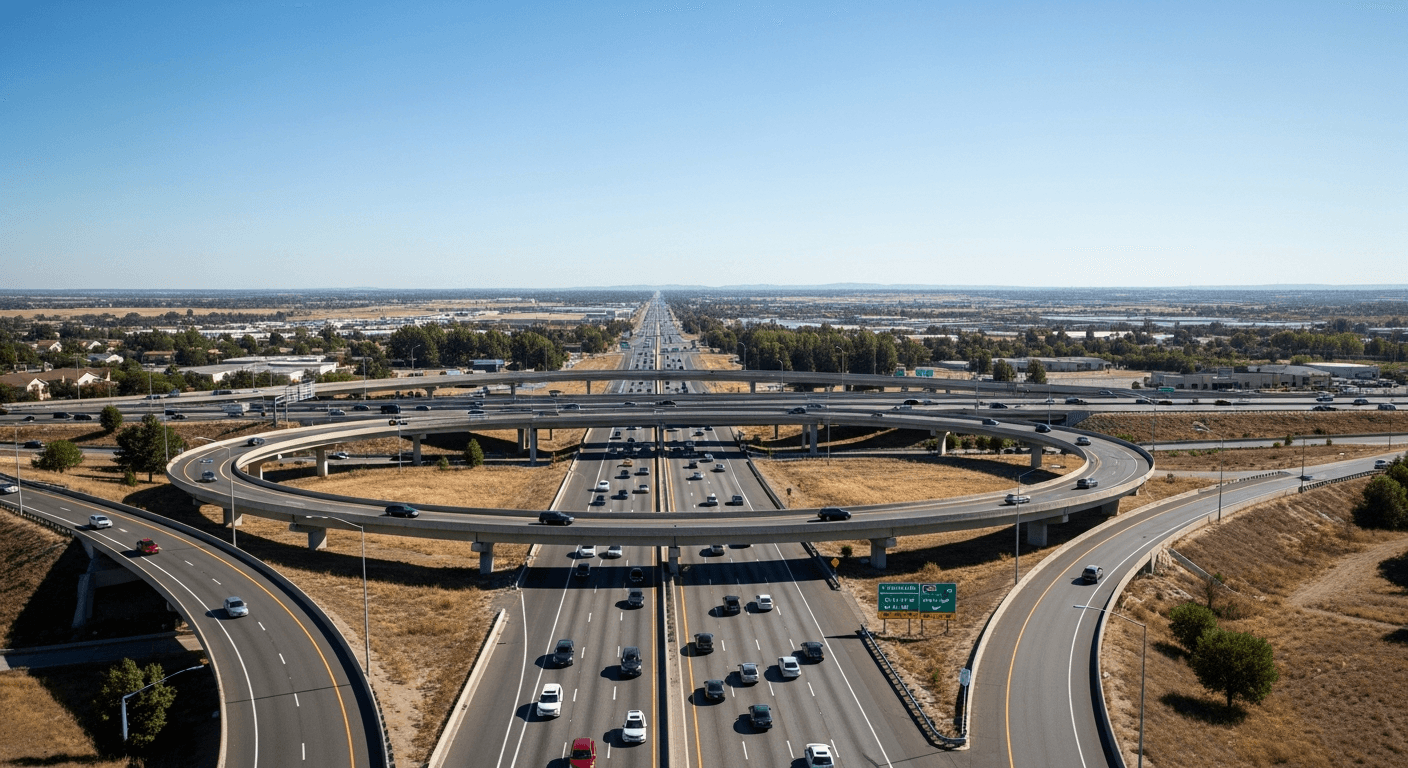
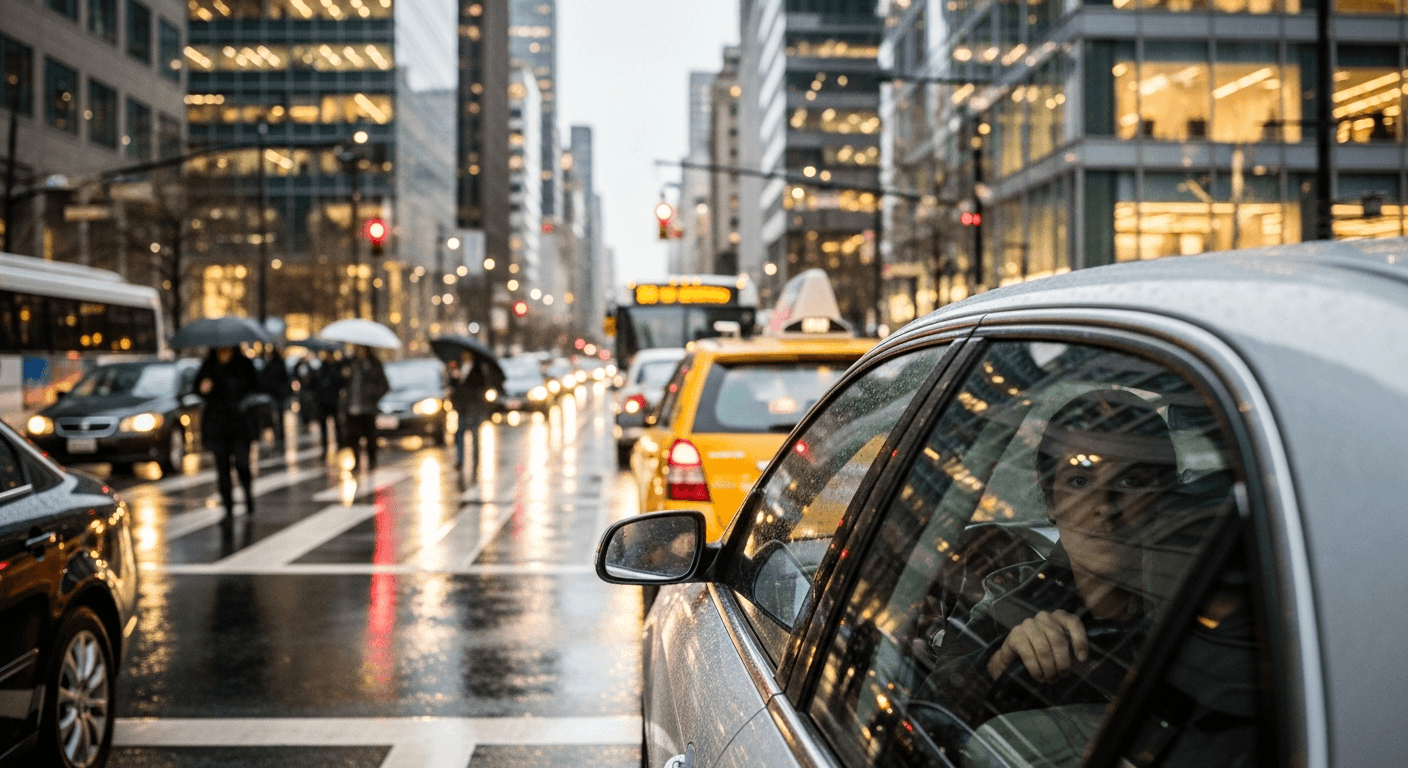
Buying car insurance in the District of Columbia means balancing dense-city driving, a high premium environment, and state-level oversight from the DC Department of Insurance, Securities and Banking. Local drivers can compare options, but the price picture is shaped by above-average premiums and local risk factors like motor vehicle theft, flooding, and frequent stop-and-go traffic around Washington. The right policy is less about a one-size-fits-all package and more about matching your coverages to your commute, parking situation, and budget. If you drive near downtown corridors, park on-street, or regularly travel across the city during peak congestion, your coverage choices can matter as much as your deductible. This page explains how DC auto insurance works, what affects your premium, and how to find a quote that fits local conditions.
What Car Insurance Covers
Car insurance coverage in the District of Columbia is built around the same core protections as anywhere else, but local conditions make the mix more important. Liability coverage helps pay for injuries or damage you cause to others in an auto accident, while collision coverage can help when your own vehicle is damaged in a crash. Comprehensive coverage is especially relevant in DC because theft, weather, and non-collision damage are part of the local risk picture. Motor vehicle theft is a significant issue here, and your car may face higher theft exposure than in a typical American city. Flooding is also a high-rated hazard, so a policy that works for a garage-kept vehicle may not fit a car parked on the street in an area with higher theft exposure or near flood-prone routes.
Uninsured motorist coverage is also worth reviewing because a meaningful share of DC drivers lacks adequate insurance and could leave you paying out of pocket after a collision. Medical payments coverage can help with medical expenses after an accident, and rental reimbursement can reduce disruption while your vehicle is being repaired. Deductibles and coverage limits also affect how much protection you actually have after a claim, so the quote should reflect your vehicle value, commute, and tolerance for out-of-pocket costs. The District is regulated at the state level, so policy details, limits, and endorsements should be reviewed with local rules in mind.

Liability
Can help pay for injuries and property damage you cause to others in an accident, coverage most states require drivers to carry.
Collision
Can help pay to repair or replace your car after a crash with another vehicle or object, regardless of fault.

Comprehensive
Typically covers damage to your car from events other than collisions, such as theft, hail, fire, flooding, or hitting an animal.

Uninsured Motorist
May pay for your injuries and, in some states, car damage when an at-fault driver has no insurance or too little.

Medical Payments
Can help cover medical bills for you and your passengers after an accident, no matter who was at fault.
Rental Reimbursement
May pay for a rental car while your vehicle is in the shop for repairs after a covered claim.
Car Insurance Requirements in District of Columbia
- District of Columbia businesses should compare quotes from multiple carriers, and the same approach is useful for personal auto shoppers in the city.
- The local market is shaped by high theft rates, high crash volume, and a high flooding hazard, which makes comprehensive and uninsured motorist review especially important.
- Policy questions and carrier complaints should be directed through the District's insurance regulatory framework.
How Much Does Car Insurance Cost in District of Columbia?
Average Cost in District of Columbia
$110 - $310
per month
In District of Columbia, car insurance premiums typically run $110 - $310 per month, which tends to run 24% above the national range of $110 - $230 per month.
- Driving record and age
- Vehicle make, model, and year
- Location and commute distance
- Credit-based insurance score
- Coverage limits and deductibles
Contact CPK Insurance for a personalized quote.
Car insurance cost in the District of Columbia is shaped by a market that is more expensive than average, with a monthly range that reflects the city's dense traffic, theft exposure, and weather risks. That range can move up or down based on coverage limits, deductibles, claims history, location, and policy endorsements. Location matters a lot in DC because urban parking, heavy traffic, and theft exposure can influence pricing more than in lower-density markets. The city sees a high frequency of crashes and insurers price accordingly, so even a single at-fault accident can have a significant financial impact on both you and your insurer.
Local hazards also matter. Flooding is rated high, and severe weather has been a recurring issue, including a 2024 nor'easter and earlier flash flooding and coastal storm surge events. Those conditions can make comprehensive coverage more relevant for drivers who park outside or commute through low-lying corridors. Drivers with clean records, lower annual mileage, and higher deductibles may see more favorable pricing than drivers with recent accidents or violations.
| Coverage | What It Pays For | Required? |
|---|---|---|
| Bodily Injury Liability | Other people's injuries when you're at fault | Yes (most states) |
| Property Damage Liability | Damage to others' property when you're at fault | Yes (most states) |
| Collision | Your vehicle damage in accidents | If financed/leased |
| Comprehensive | Theft, vandalism, hail, floods, animal strikes | If financed/leased |
| Uninsured Motorist | Your injuries/damage when other driver is uninsured | Many states |
| Medical Payments/PIP | Your medical expenses regardless of fault | No-fault states |
| Rental Reimbursement | Rental car while yours is being repaired | Optional |
Bodily Injury Liability
- What It Pays For
- Other people's injuries when you're at fault
- Required?
- Yes (most states)
Property Damage Liability
- What It Pays For
- Damage to others' property when you're at fault
- Required?
- Yes (most states)
Collision
- What It Pays For
- Your vehicle damage in accidents
- Required?
- If financed/leased
Comprehensive
- What It Pays For
- Theft, vandalism, hail, floods, animal strikes
- Required?
- If financed/leased
Uninsured Motorist
- What It Pays For
- Your injuries/damage when other driver is uninsured
- Required?
- Many states
Medical Payments/PIP
- What It Pays For
- Your medical expenses regardless of fault
- Required?
- No-fault states
Rental Reimbursement
- What It Pays For
- Rental car while yours is being repaired
- Required?
- Optional
How District of Columbia compares with the national baseline
Uninsured drivers
15.6% vs 11.6% baseline
About 15.6% of District of Columbia drivers are estimated to be uninsured, above the 11.6% average across states.
Fatal crashes per 100 million miles
0.91 vs 1.33 baseline
District of Columbia sees about 0.91 fatal crashes per 100 million miles driven, below the national average of 1.33.
Blue bar: District of Columbia. Gray line: national baseline.
Prices shown are general estimates, not guaranteed rates or quotes. Your actual premium will depend on the insurer, coverage selected, personal details, location, claims history, and other underwriting factors. Learn about our pricing methodology.
Request a Quote Comparison
Enter your ZIP code to compare car insurance rates from top carriers.
Car insurance starting at $59/mo
Who Needs Car Insurance?
Daily commuters who travel through government corridors, downtown business districts, and high-traffic routes may want stronger liability and collision coverage because the city sees a high volume of crashes and congestion can increase accident exposure. Drivers who park on the street in neighborhoods with higher theft risk should pay close attention to comprehensive coverage, since motor vehicle theft is a major local issue and non-collision losses are part of the DC risk profile. People who rely on their vehicle for errands, appointments, or family transportation may benefit from medical payments and rental reimbursement coverage so a claim does not disrupt daily routines.
Local conditions also matter for residents in flood-prone or weather-exposed areas. DC's high flooding hazard and repeated disaster declarations mean comprehensive coverage can be relevant for drivers whose vehicles are exposed to storm-related damage. Drivers who regularly leave the city for work or weekend travel should also consider uninsured motorist coverage because a meaningful share of local drivers lacks insurance, which can affect how a claim is handled after an auto accident. For households comparing coverage in the District, the right choice often depends on where the car is parked, how often it is driven, and how much financial risk the driver can absorb through a deductible.
| Requirement | What District of Columbia law says |
|---|---|
| Auto liability minimums | $25,000/$50,000/$10,000 (bodily injury per person / per accident / property damage). These floors apply to personal and business vehicles alike; lenders and contracts often require more. |
| Where to verify | DC Department of Insurance, Securities and Banking publishes current requirements, consumer guides, and license lookups. |
Car Insurance by City in District of Columbia
Car Insurance rates and coverage options can vary across District of Columbia. Select your city below for localized information:
How to Buy Car Insurance
To buy auto insurance in the District of Columbia, start by gathering the details insurers need to rate your vehicle and driving profile, including vehicle year, make, model, annual mileage, garaging or parking location, driver history, and the coverages you want. Because the market is regulated at the state level, it is smart to compare policies from carriers that actively write in the District rather than assuming every quote includes the same terms.
When you request a quote, ask for the same coverage levels across each quote so you can compare them fairly. If you want lower monthly pricing, ask how a higher deductible would change the premium, because deductible choices are one of the main pricing levers in this market. If you drive in neighborhoods with street parking, flood exposure, or higher theft risk, make sure the policy reflects those local realities instead of choosing the lowest number on the page. You should also confirm how the insurer handles claims support and whether any endorsements are available for your vehicle use.
Request a quote through CPK Insurance to compare your options with participating licensed providers. A quote is only useful if the coverage matches your commute, your parking situation, and your budget, so the final step is reviewing exclusions, limits, and deductibles before binding the policy.
How to Save on Car Insurance
Comparing quotes from several carriers is the most effective way to find lower car insurance cost in the District of Columbia, because the market is competitive and pricing can differ materially for the same driver. Ask each company to quote the same coverage levels so you can compare them on equal terms. Since premiums are above the national average, even small changes in deductibles or limits can affect your monthly bill. Raising your deductible can reduce the premium, but only if the higher out-of-pocket amount is manageable after an auto accident.
Drivers with clean records generally have more room to save, and a lower annual mileage profile may also help. If you drive less because you live and work close to downtown or rely on transit part of the week, tell the insurer so the quote reflects your actual use. Review whether you need every optional feature at the same level; for example, rental reimbursement may be more valuable if you depend on one vehicle every day, while some drivers may prioritize stronger comprehensive coverage because of theft and weather exposure. Local risk management can also help. Parking in a secured lot instead of on-street parking may support a better risk profile, and keeping your vehicle maintained can reduce claim issues tied to avoidable damage. Because DC has high property crime and a meaningful motor vehicle theft rate, anti-theft awareness and careful parking choices are practical ways to protect both your car and your premium. Finally, ask whether the insurer offers any discounts tied to safe driving or multi-policy relationships, but only use discounts that are actually available in your quote.
Our Recommendation for District of Columbia
For District of Columbia drivers, I would start with a policy built around liability coverage, then add collision and comprehensive if your vehicle value, parking setup, or commuting pattern makes them worthwhile. The city's theft rate, flooding risk, and dense traffic make uninsured motorist and medical payments coverage worth a close look, especially if you drive regularly through busy corridors or park outside. If you depend on your car every day, rental reimbursement can reduce the disruption after a claim. I also recommend comparing at least three quotes from carriers active in DC, because the premium index is above average and the same driver can see different prices depending on deductible choices and coverage limits. The goal is not just a lower bill. It is a policy that fits Washington-area driving conditions and your actual budget.
FAQ
Frequently Asked Questions
In DC, liability coverage helps pay for injuries or damage you cause to others in an auto accident, while collision coverage can help with your own vehicle after a crash. Comprehensive coverage can help with theft, weather, and other non-collision losses, which matters in a city with high theft and flooding risk. Medical payments coverage can help with medical expenses, and rental reimbursement can help keep you mobile while repairs are underway.
The District requires liability coverage of at least $25,000 per person and $50,000 per accident for bodily injury, plus $10,000 for property damage. Uninsured motorist coverage is also mandatory at the same minimum limits. The District is regulated at the state level, so it is important to compare quotes and confirm the limits that apply to your situation before you buy.
In the District, premiums vary based on limits, deductibles, claims history, location, and endorsements. Your actual premium depends on how you structure the policy and the risks tied to your vehicle and driving profile.
That depends on your vehicle value, where you park, and how often you drive. Liability is the core protection for harm you cause to others, while collision and comprehensive become more useful if you want help with your own vehicle after a crash, theft, or weather-related loss in a city with high theft and flooding exposure.
Uninsured motorist coverage can help if you are hit by a driver who does not have enough insurance to pay for the loss. That matters locally because a meaningful share of DC drivers lacks insurance, so this coverage can be important after an auto accident involving an uninsured or underinsured driver.
Choosing a higher deductible means you pay more out of pocket after a claim, but it lowers your monthly premium. Choosing higher coverage limits means your insurer may pay more after a covered accident, but it raises your premium. In the District, the best choice depends on whether you want a lower monthly bill or more protection after a claim, especially given the city's crash volume, theft risk, and weather exposure.
Yes, both are available options. Medical payments coverage can help with medical expenses after an accident, and rental reimbursement coverage can help if your car is being repaired and you still need transportation in the District.
In the U.S., car insurance usually starts with liability coverage for injuries or property damage you cause to others. Uninsured motorist and medical payments coverage are required in some states and optional in others, so check your state's rules. You can then review optional collision, comprehensive, and rental reimbursement coverages.
Sources
Updated July 16, 2026