Updated July 6, 2026

Key Takeaways
- List every tool, machine, material, and portable device that leaves your main location before you request an inland marine quote.
- Compare blanket coverage against individually scheduled items so your higher-value equipment is not grouped too loosely.
- Ask how the policy treats theft from vehicles, temporary storage, loading and unloading, and property left at job sites overnight.
- Review installation floater and builders risk separately if materials are on site before they become part of completed work.
- Check valuation, deductibles, and exclusions before binding so a claim payment matches how you expect damaged property to be replaced.
What Inland Marine Insurance Covers
Inland marine insurance is built for property that leaves your main premises as part of normal operations. The point is not the building you own or lease. The point is the property that travels, waits at a temporary location, or gets installed somewhere else. If your business depends on mobile gear, materials in transit, or equipment spread across multiple sites, this is the section of your insurance program to review carefully.
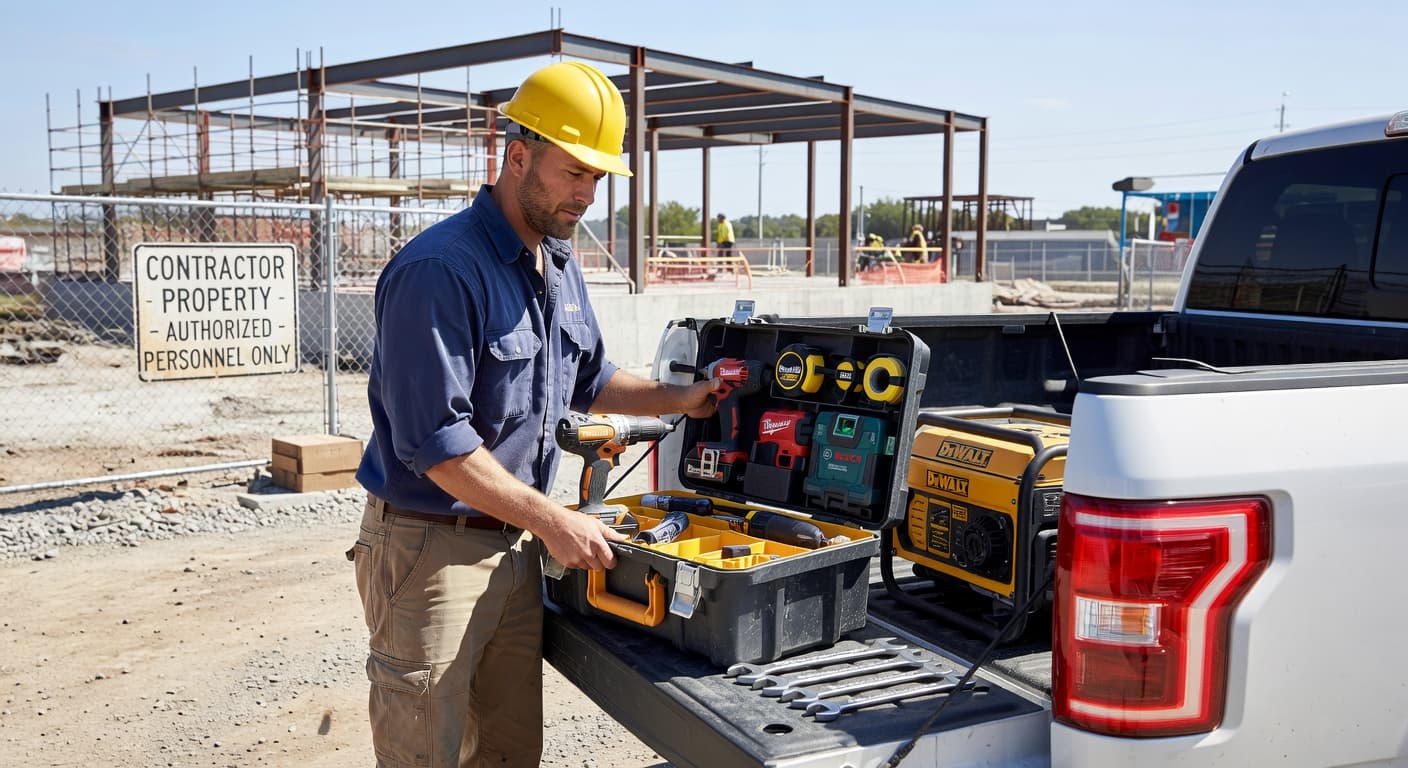
For many businesses, the first category is tools and equipment. That can include hand tools, power tools, diagnostic devices, testing equipment, and other portable gear your crew loads into a truck each morning. Coverage may apply while those items are in transit, at a job site, or stored temporarily away from your primary address, depending on your policy terms.
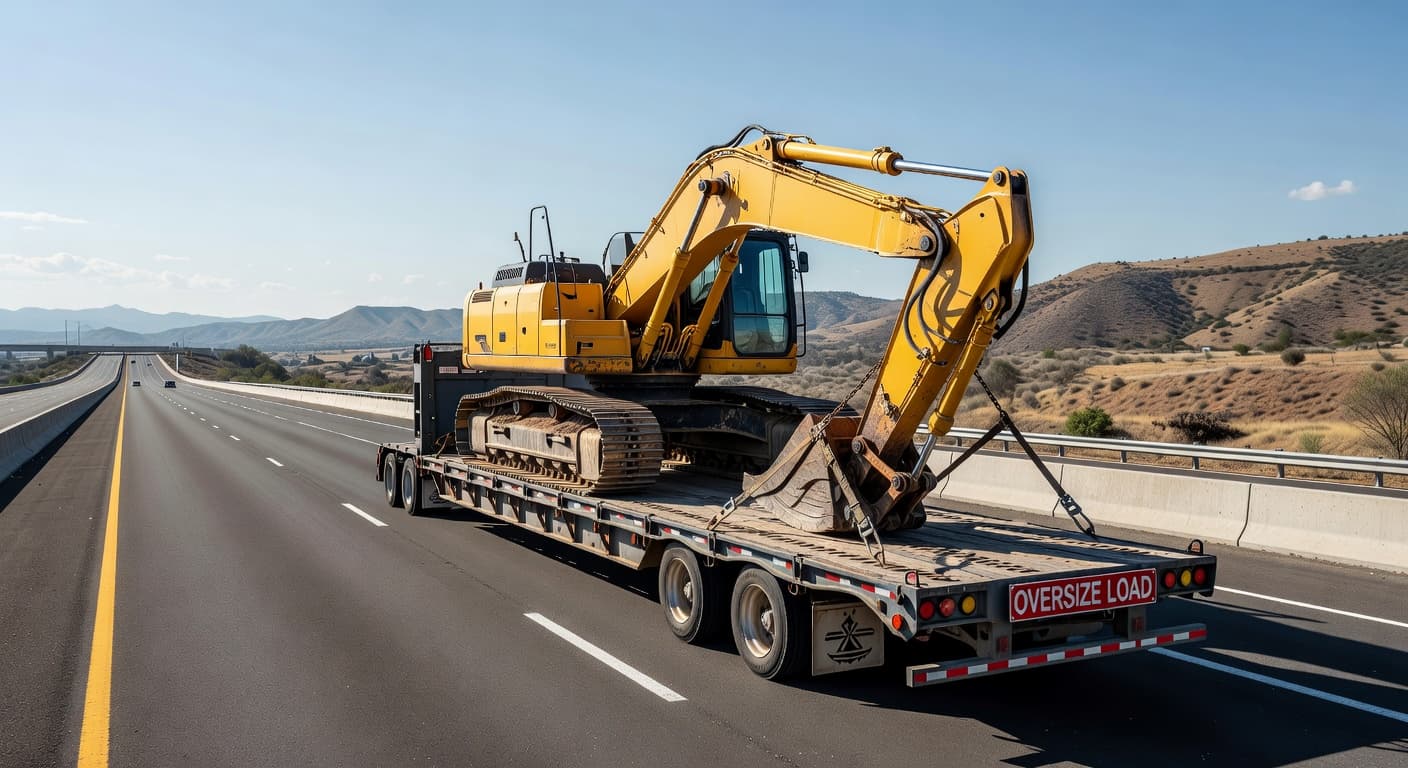
Goods in transit is another common need. If you move inventory, supplies, or customer property between locations, inland marine can help address loss or damage while those items are being transported. The details matter here. You should ask how the policy treats theft from a vehicle, loading and unloading, unattended vehicles, and temporary stops.
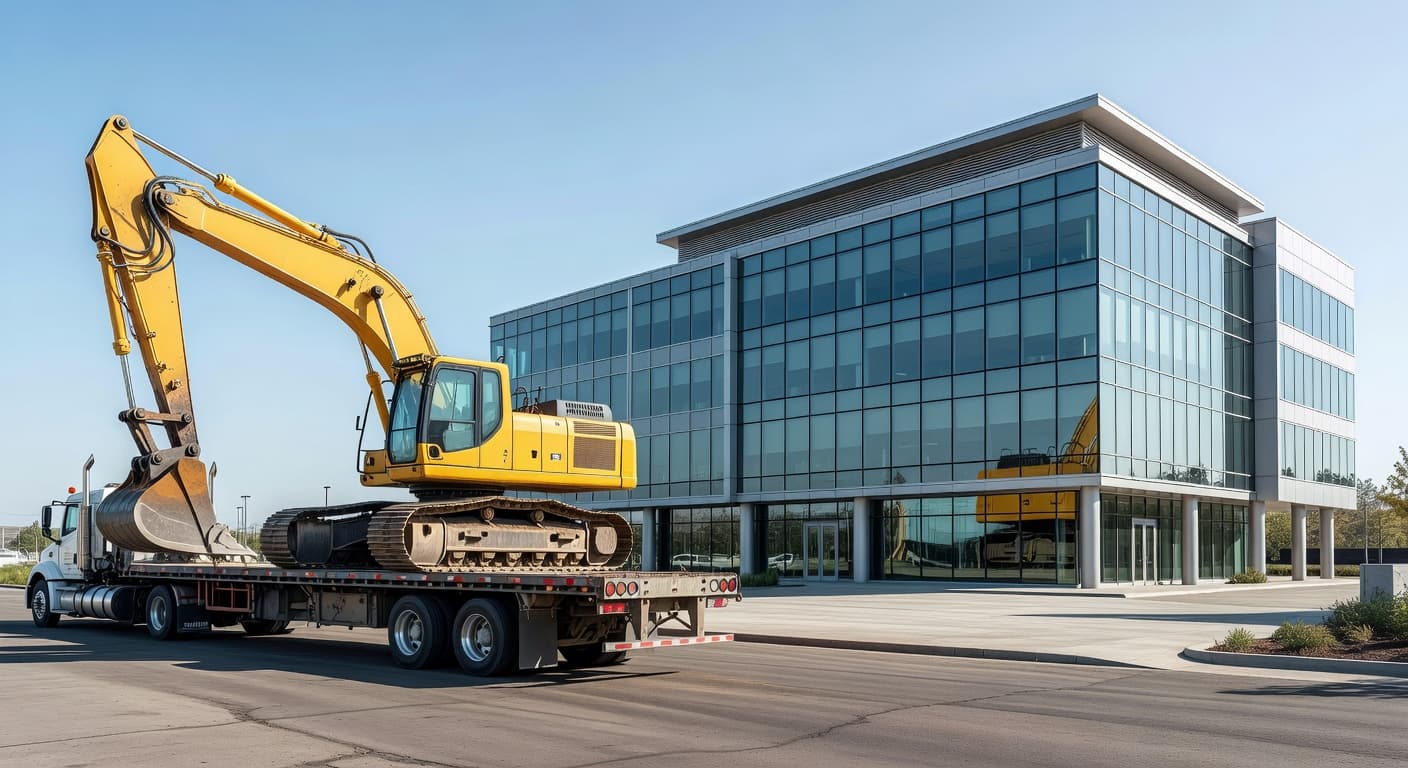
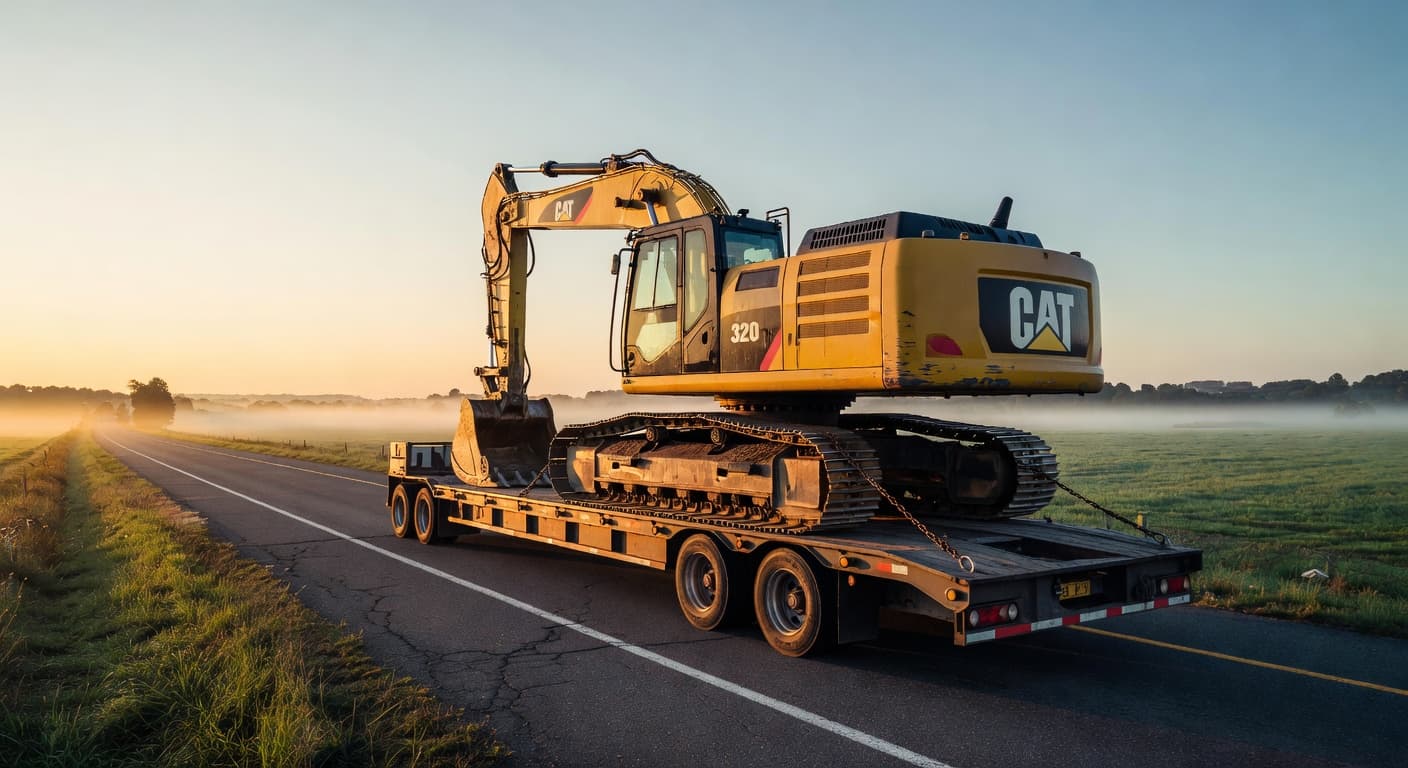
Contractors equipment coverage is often used for larger mobile machinery and job-site equipment. Installation floater coverage is designed for materials, fixtures, or equipment you plan to install, especially before the work is complete and accepted. Builders risk may also be part of the conversation when materials and partially completed work need protection during construction.
The important buying step is to match each exposure to the right form. Ask for a quote that separates tools and equipment, goods in transit, contractors equipment, installation floater needs, and any builders risk exposure so you can see where gaps may still exist.
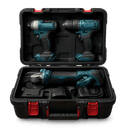
Tools & Equipment
Can help repair or replace hand tools, power tools, and gear that are stolen or damaged on the job or in transit.

Goods in Transit
May cover products, materials, and merchandise while they are being shipped or hauled between locations in your care.
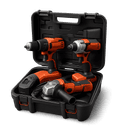
Contractors Equipment
Typically covers heavy machinery like excavators, loaders, and generators against theft or damage at job sites and between them.

Installation Floater
Can help cover materials and fixtures from the moment you buy them until they are installed and accepted at a project.

Builders Risk
May cover a structure under construction, along with materials on site, against damage from fire, wind, theft, and vandalism.
How Much Does Inland Marine Insurance Cost?
Average Cost
$20 - $100
per month
- Total insured value of the scheduled property
- Type and age of the equipment
- Where it is stored and how far it travels
- Jobsite security and theft prevention
- Per-item limits and deductibles
- Prior theft and in-transit losses
Contact CPK Insurance for a personalized quote.
The cost of inland marine insurance depends less on a generic class and more on what property you move, where it goes, how it is secured, and how hard it is to replace. If you are comparing quotes, focus on the rating factors behind the price instead of looking for a one-size-fits-all number.
Start with the property schedule. Insurers usually want to know what you own, what each item is worth, and whether you need blanket coverage or individually scheduled coverage. A business with a few common tools presents a different exposure than one carrying specialized diagnostic equipment, high-value cameras, or compact machinery that is expensive to repair.
Transit patterns also affect pricing. Frequent loading and unloading, overnight storage in vehicles, deliveries to multiple stops, and property left at open job sites can all change how underwriters view the risk. The same is true for temporary storage. Materials kept in a locked warehouse are different from materials staged outdoors or in partially secured spaces before installation.
Your deductible and limit choices matter as well. Higher limits usually increase premium because more property is being insured. A higher deductible may lower premium, but it also means you keep more of a smaller loss. Claims history, loss control practices, and how consistently you document equipment ownership can also influence what you are offered.
To get a useful quote, send a current equipment list, estimated replacement costs, your normal transit and storage habits, and any contract requirements for materials or customer property. Then compare not just price, but theft terms, transit terms, exclusions, valuation method, and whether newly acquired property receives any automatic protection.
How Inland Marine Insurance Costs Vary by State
State rules, local claim patterns, and market competition all feed into pricing, so the same coverage can quote differently across state lines. Select a state for coverage details and carrier options in that market.
| State | Typical range | Vs national |
|---|---|---|
| Alabama | $20 - $95 per month | 4% below national average |
| Alaska | $30 - $120 per month | 25% above national average |
| Arizona | $25 - $95 per month | near national average |
| Arkansas | $20 - $100 per month | near national average |
| California | $25 - $140 per month | 38% above national average |
| Colorado | $25 - $100 per month | 4% above national average |
| Connecticut | $25 - $110 per month | 13% above national average |
| Delaware | $25 - $100 per month | 4% above national average |
| District of Columbia | $25 - $110 per month | 13% above national average |
| Florida | $25 - $130 per month | 29% above national average |
| Georgia | $25 - $110 per month | 13% above national average |
| Hawaii | $25 - $130 per month | 29% above national average |
| Idaho | $20 - $90 per month | 8% below national average |
| Illinois | $20 - $95 per month | 4% below national average |
| Indiana | $20 - $85 per month | 12% below national average |
| Iowa | $20 - $80 per month | 17% below national average |
| Kansas | $20 - $100 per month | near national average |
| Kentucky | $25 - $90 per month | 4% below national average |
| Louisiana | $35 - $130 per month | 38% above national average |
| Maine | $20 - $90 per month | 8% below national average |
| Maryland | $25 - $100 per month | 4% above national average |
| Massachusetts | $25 - $120 per month | 21% above national average |
| Michigan | $20 - $90 per month | 8% below national average |
| Minnesota | $25 - $100 per month | 4% above national average |
| Mississippi | $25 - $100 per month | 4% above national average |
| Missouri | $20 - $110 per month | 8% above national average |
| Montana | $25 - $110 per month | 13% above national average |
| Nebraska | $20 - $100 per month | near national average |
| Nevada | $20 - $100 per month | near national average |
| New Hampshire | $20 - $95 per month | 4% below national average |
| New Jersey | $25 - $110 per month | 13% above national average |
| New Mexico | $25 - $110 per month | 13% above national average |
| New York | $30 - $170 per month | 67% above national average |
| North Carolina | $20 - $95 per month | 4% below national average |
| North Dakota | $20 - $85 per month | 12% below national average |
| Ohio | $20 - $85 per month | 12% below national average |
| Oklahoma | $20 - $95 per month | 4% below national average |
| Oregon | $20 - $95 per month | 4% below national average |
| Pennsylvania | $20 - $110 per month | 8% above national average |
| Rhode Island | $25 - $95 per month | near national average |
| South Carolina | $20 - $100 per month | near national average |
| South Dakota | $20 - $80 per month | 17% below national average |
| Tennessee | $25 - $100 per month | 4% above national average |
| Texas | $25 - $120 per month | 21% above national average |
| Utah | $20 - $90 per month | 8% below national average |
| Vermont | $20 - $95 per month | 4% below national average |
| Virginia | $20 - $110 per month | 8% above national average |
| Washington | $25 - $100 per month | 4% above national average |
| West Virginia | $20 - $85 per month | 12% below national average |
| Wisconsin | $20 - $100 per month | near national average |
| Wyoming | $25 - $90 per month | 4% below national average |
Show all 51 statesShow fewer states
Which states tend to have the cheapest inland marine insurance?
| State | Typical range | Vs national |
|---|---|---|
| Iowa | $20 - $80 per month | 17% below national average |
| South Dakota | $20 - $80 per month | 17% below national average |
| Indiana | $20 - $85 per month | 12% below national average |
| North Dakota | $20 - $85 per month | 12% below national average |
| Ohio | $20 - $85 per month | 12% below national average |
Which states tend to be the most expensive for inland marine insurance?
| State | Typical range | Vs national |
|---|---|---|
| New York | $30 - $170 per month | 67% above national average |
| California | $25 - $140 per month | 38% above national average |
| Louisiana | $35 - $130 per month | 38% above national average |
| Florida | $25 - $130 per month | 29% above national average |
| Hawaii | $25 - $130 per month | 29% above national average |
In our compiled ranges, Iowa tends to see the lowest inland marine insurance premiums, while New York generally runs highest. Actual pricing varies with your business profile, so a quote comparison is the only way to know where you land.
Prices shown are general estimates, not guaranteed rates or quotes. Your actual premium will depend on the insurer, coverage selected, business details, location, claims history, and other underwriting factors. Learn about our pricing methodology.
Request a Quote Comparison
Enter your ZIP code to compare inland marine insurance rates from top carriers.
Business insurance starting at $25/mo
Who Needs Inland Marine Insurance?
You should consider inland marine insurance if your business earns money with property that moves or works away from your main location. The clearest signal is operational: if a theft, drop, collision, or weather event could damage property while it is in a vehicle, at a customer site, or waiting to be installed, you likely have an inland marine exposure.
Contractors are a common fit because tools, materials, and equipment move from shop to truck to job site every day. Electricians, plumbers, HVAC contractors, remodelers, flooring installers, painters, and low-voltage crews often need coverage that follows property beyond the insured premises. Landscapers and specialty trades may also need contractors equipment coverage for mobile machinery and attachments.
Service businesses can need it too. Photographers, audiovisual firms, mobile technicians, medical service providers, and IT companies often carry portable equipment that is valuable, fragile, and essential to finishing the work. If your team travels with laptops, testing devices, cameras, or rented gear, ask whether your current property policy leaves a gap once those items leave the office.
Businesses that ship, deliver, or temporarily hold goods away from their main address should also review this coverage. That includes wholesalers, distributors, caterers, event vendors, and companies handling customer property. Installation contractors should pay special attention when materials are on site but not yet part of the finished project.
A simple test helps: list the property your business cannot operate without, then mark where it spends time during a normal week. If those locations include vehicles, job sites, temporary storage, or customer premises, request a quote built around those movements rather than assuming your main property policy follows everything automatically.
How to Buy Inland Marine Insurance
Buying inland marine insurance starts with mapping how your property moves. Before you request quotes, build a working list of the items that leave your main location, where they go, who uses them, and whether they are owned, leased, rented, or held for a customer. That preparation usually leads to a cleaner quote and fewer surprises after a loss.
Next, separate the property into practical groups. Small portable tools may fit better under a blanket approach. High-value equipment often needs to be scheduled individually with descriptions, serial numbers, and replacement values. Materials you plan to install should be reviewed separately from tools you use to perform the work. If you have projects under construction, ask whether builders risk belongs in the same conversation.
Then review the loss scenarios that matter to your operation. Ask how the policy handles theft from vehicles, property left overnight at a job site, water damage during transit, loading and unloading, employee tools, rented equipment, and customer property in your care. If you use subcontractors, clarify whether their property is excluded and whether your materials remain covered once they take possession.
You should also compare valuation and documentation requirements. Replacement cost and actual cash value can produce very different claim outcomes. Some policies require detailed schedules, while others allow broader categories. The right choice depends on whether your inventory changes often or stays relatively stable.
Before binding coverage, read the exclusions and any protective conditions. Confirm addresses for temporary storage, review deductibles, and make sure contract requirements are reflected where needed. The best next step is to request a quote with your equipment schedule, recent purchase records, and a short description of your transit, storage, and installation workflow.
How to Save on Inland Marine Insurance
The most reliable way to save on inland marine insurance is to make the risk easier to understand and easier to underwrite. A vague application often produces a broader assumption of risk. A detailed submission gives the insurer a clearer picture of what you own, how you secure it, and where losses are most likely to happen.
Start by keeping an accurate equipment schedule. Include descriptions, serial numbers, purchase dates, and realistic replacement values. Remove items you no longer own, and do not overinsure obsolete equipment. If your property changes often, review the schedule regularly so your quote reflects current operations instead of outdated inventory.
Storage and vehicle practices can also affect pricing and coverage options. Locked storage, documented key control, alarmed spaces, and clear rules for overnight vehicle parking can help show that theft prevention is part of your routine. The same goes for job-site controls such as sign-out procedures, chain-of-custody for specialized tools, and photo documentation when materials are delivered or staged.
You can also save by choosing the right structure. Blanket coverage may be efficient for many lower-value items, while scheduling may make more sense for a few expensive pieces. A deductible that fits your cash flow can reduce premium, but only if you can comfortably absorb a smaller loss without disrupting payroll or project timelines.
Finally, review inland marine alongside your other business policies so forms do not overlap awkwardly or leave gaps. Ask your agent to compare limits, deductibles, valuation, and endorsements across your package. The goal is not the lowest headline premium. The goal is paying for the coverage your operation actually uses, and trimming what it does not.
FAQ
Frequently Asked Questions
Inland marine insurance may cover business property that moves, travels, or is stored away from your main premises. That can include tools, equipment, materials, goods in transit, and certain property at job sites or temporary locations, depending on your policy terms.
Inland marine insurance is usually designed for property away from your primary location, while commercial property insurance often centers on property at a scheduled premises. If your equipment or materials move regularly, compare both forms together so you can spot gaps.
Inland marine insurance often makes sense for contractors, installers, service businesses, and companies that transport valuable property. If your business relies on tools in vehicles, equipment at customer sites, or materials waiting to be installed, it is worth reviewing.
Inland marine insurance may cover tools stolen from a truck, but that depends on your policy language, security conditions, and where the vehicle was parked. Ask specifically about unattended vehicles, overnight storage, and any theft exclusions before you buy.
Inland marine insurance may cover rented or borrowed equipment only if your policy includes that exposure. Many businesses need separate review for leased, rented, or borrowed property, so provide those details during quoting instead of assuming they are included.
Inland marine insurance pricing usually depends on the type of property, total values insured, transit frequency, storage conditions, deductible, limits, claims history, and how exposed the property is to theft or damage at job sites and temporary locations.
Inland marine insurance can often be placed alongside general liability, commercial property, or other business policies. The key step is not just bundling, but checking that limits, deductibles, and exclusions work together so mobile property is addressed clearly.
Inland marine claims go more smoothly when you document the loss immediately, protect damaged property from further harm, gather photos and serial numbers, and report the incident promptly. Keep purchase records and job-site notes available so ownership and value are easier to verify.
Updated July 6, 2026