







































Updated July 10, 2026

Why Grocery Store Businesses Need Insurance
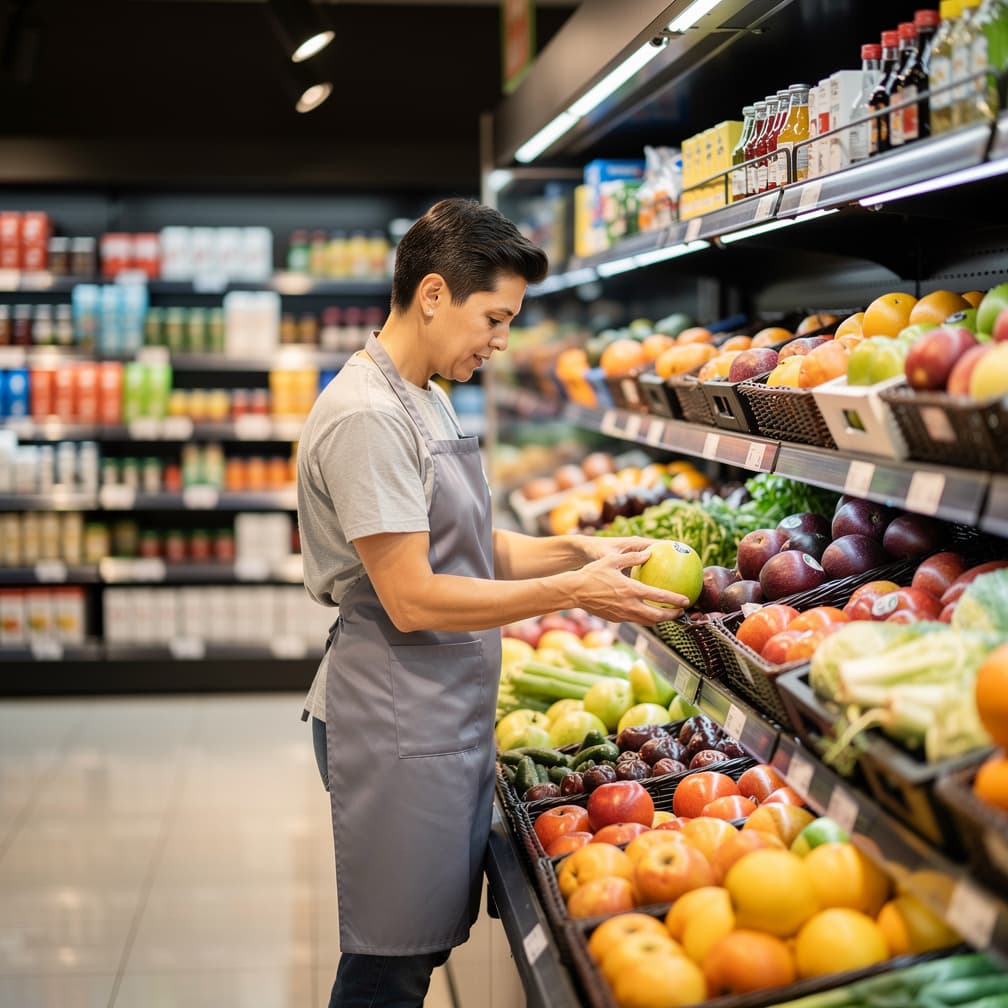
Most grocery claims start with ordinary store activity, not unusual events. A customer reaches into a refrigerated case where condensation has collected on the floor. An employee restocks canned goods and a case edge catches a shopper's shoulder. A delivery comes in during peak traffic and a pallet jack crosses an area that customers also use. Those are the moments a grocery store insurance quote needs to account for, because the exposure comes from constant movement between customers, staff, inventory, and equipment.
General liability insurance is usually the first coverage owners review because the public is in the store all day. Wet floors near produce, entry mats that curl, spills in beverage aisles, and falling merchandise can all lead to bodily injury claims. Property damage claims can also arise if carts, displays, or store operations damage a customer's belongings. If your business advertises weekly specials, promotions, or comparative messaging, advertising injury language is also worth reviewing so you understand how the policy responds if a dispute turns into a claim.
Commercial property insurance should be matched to what would actually cost you money after a loss. For a grocery operation, that often means more than the building itself. Shelving, checkout counters, office contents, point of sale systems, signage, and refrigerated inventory all affect how quickly you can reopen. If you lease the space, tenant improvements and betterments deserve a close look, especially when you have invested in flooring, lighting, cases, or specialized fixtures that are not part of a standard vanilla shell. Deductibles, valuation method, and the way stock is described can all change how a claim settles.
Refrigeration is one of the clearest dividing lines between a simple retail risk and a grocery risk. A cooler or freezer problem can damage inventory fast, and the loss may happen overnight before staff arrives. That is why owners often review property terms with special attention to equipment-dependent stock, spoilage scenarios, and how quickly service vendors can respond. Even if the physical damage is limited, the business interruption from pulling product, cleaning, and restocking can be the larger operational problem.
Workers compensation insurance also deserves a detailed review because grocery stores combine retail service with warehouse-style tasks. Cashiers stand for long shifts and repeat the same motions. Stockers lift, twist, and work ladders. Back-room staff break down deliveries, move pallets, and handle compact storage areas. Cleanup after spills adds another layer, especially around coolers and freezers. Payroll classification, staffing mix, and the amount of manual material handling all influence how the policy should be quoted.
A business owners policy can make sense for some grocery stores if the carrier appetite, property values, and operations fit. For others, separate policies provide more room to tailor limits and terms around inventory, fixtures, and liability severity. Commercial umbrella insurance enters the conversation when you want added liability capacity above the underlying policies, particularly if your store has heavy foot traffic, a busy parking lot, or landlord and vendor agreements that push you toward higher limits.
The most useful quote request is specific. List your square footage, hours, number of locations, delivery routines, refrigeration setup, payroll by job function, prior claims, and any lease or contract insurance requirements. Then compare how each proposal treats the same operational facts before you decide on price alone.
Recommended Coverage for Grocery Store Businesses
Based on the risks grocery store businesses face, these coverage types are essential:

General Liability
Essential coverage for every business, protect against third-party bodily injury, property damage, and advertising claims.

Commercial Property
Safeguard your business property, equipment, and inventory against damage and loss.

Workers Compensation
Help cover your employees' medical expenses and lost wages for work-related injuries and illnesses.

Business Owners Policy
Bundle property and liability coverage into one convenient, cost-effective policy for small businesses.

Commercial Umbrella
Extend your liability limits beyond your primary policies for extra protection against catastrophic claims.
Common Risks for Grocery Store Businesses
- Slip and fall liability in produce aisles, entry mats, or checkout lines
- Customer injury from falling merchandise, carts, or crowded traffic flow
- Food spoilage after refrigeration breakdown in coolers, freezers, or display cases
- Theft or vandalism affecting inventory, fixtures, or point-of-sale areas
- Storm damage or fire risk interrupting store operations and damaging stock
- Legal defense and settlement costs after a third-party claim
Get Your Grocery Store Insurance Quote
Compare rates from multiple carriers. Free quotes, no obligation.
What Happens Without Proper Coverage?
A grocery store can generate several claim types from one ordinary day. A customer slips near a produce case after water collects on the floor. Another reports an injury from merchandise falling off an overstocked shelf. An employee strains a shoulder unloading a delivery. That night, a refrigeration problem spoils inventory before anyone notices. Each event lands on a different part of the program, which is why a one line liability quote is never enough for this trade.
The dependencies are what owners underestimate. Revenue rides on refrigerated cases, shelving, checkout equipment, and stock all working together, so one property event can damage several categories at once, and leased improvements you paid for may sit outside the landlord's policy entirely. Meanwhile the work itself is deceptively physical: lifting, stocking, cleaning, and repetitive motion generate frequent injury opportunities, and rush period staffing makes training consistency harder just when exposure peaks.
Outside obligations set the floor. Landlords write liability limits into leases, and vendors, lenders, or event partners may want certificates before deliveries, financing, or promotions begin. Read those documents before you shop so the quote you request is built to clear the requirements you already have.
Insurance Tips for Grocery Store Owners
Map your customer path from entrance to checkout before renewing, because slip hazards, display pinch points, and congestion areas often reveal where liability limits and housekeeping procedures deserve a closer review.
Break out payroll by actual job function, since cashier duties, stocking work, cleanup tasks, and delivery handling create different injury patterns that should be described accurately during the workers compensation quote process.
Review your commercial property values with shelving, point of sale hardware, tenant improvements, and refrigerated inventory in mind, not just the building shell or a rough estimate from an old policy.
Ask each quote to address refrigeration-dependent stock clearly, because a cooler failure can create a spoilage loss and a shutdown problem long before major structural damage appears.
Compare a business owners policy against separately placed general liability and commercial property insurance if your store has unusual fixtures, heavier traffic, or lease requirements that call for more tailored terms.
Check whether your lease, lender documents, and vendor agreements require higher liability limits, then price commercial umbrella insurance before you assume the base policy is enough.
Document delivery routines, back-room storage practices, and any customer-accessible exterior areas in your submission, because underwriters price grocery risk more accurately when operations are described in working detail.
How Much Does Grocery Store Insurance Cost?
Grocery Store Insurance is a bundle of separate policies, priced separately. The ranges below are typical figures nationally for each line, except workers compensation, which is rated per $100 of payroll; a quote prices each one against your own operations.
| Coverage | Typical range | What moves your price |
|---|---|---|
| General Liability Insurance | $75 - $240 per month | Industry and risk classification, annual revenue, number of employees |
| Commercial Property Insurance | $130 - $525 per month | Building value and construction type, roof age and condition, fire protection class |
| Workers Compensation Insurance | $0.75 - $2.74 per $100 of payroll | Employee classification codes, total annual payroll, experience modification rate |
| Business Owners Policy Insurance | $110 - $360 per month | Annual revenue and industry class, building and contents values, square footage and building age |
| Commercial Umbrella Insurance | $60 - $190 per month | Umbrella limit requested, limits carried on the underlying policies, loss history on those underlying policies |
Prices shown are general estimates, not guaranteed rates or quotes. Your actual premium will depend on the insurer, coverage selected, business details, location, claims history, and other underwriting factors. Learn about our pricing methodology.
FAQ
Frequently Asked Questions About Grocery Store Insurance
Owners usually combine general liability, commercial property, workers compensation, a business owners policy, and commercial umbrella coverage. Foot traffic, refrigeration exposure, payroll, lease terms, and inventory flow set the weighting.
That is a property side question to pin down before binding, because refrigerated inventory can be lost overnight. Ask how each quote treats refrigerated stock, equipment related loss scenarios, deductibles, and the cost of pulling product and restocking.
The daily tasks are the answer: lifting, stocking, ladder use, cleanup, repetitive scanning, and unloading deliveries. Those routines create injury exposure that should be matched to real payroll and job roles rather than a generic retail description.
Yes, when the operation fits the carrier's underwriting appetite. Compare the package against separate liability and property policies if you have heavier traffic, specialized fixtures, or complicated inventory concerns.
From location, square footage, payroll, claims history, inventory values, refrigeration exposure, selected limits, and deductibles. A clean submission with accurate operational detail produces quotes that are easier to compare and trust.
That is its central role in this trade: claims tied to wet floors, tracked in water, spills, and unsafe walkways, subject to the policy terms. Match the limits to the volume of public traffic you actually handle.
Routinely, before move in or renewal, and vendor or lender agreements often do the same. Check lease and contract language before requesting quotes so limits and structure line up with those obligations.
It is worth pricing when customer traffic is steady, parking areas are active, or lease requirements push liability limits higher. Umbrella coverage adds capacity above the underlying policies rather than replacing them.
Updated March 31, 2026