







































Updated July 5, 2026

Inland Marine Insurance in Birmingham
Jefferson County supports 16,936 business establishments, so vendors, GCs, property managers, and institutional buyers often expect clean certificates and schedules that match how your equipment and materials actually move. For many firms, inland marine insurance in Birmingham becomes less about a generic add-on and more about documenting mobile property the way local contracts and job logistics demand. That shows up in practical ways: tools left at a renovation site between phases, diagnostic equipment moving between facilities, or stock and displays traveling to temporary selling locations. In a denser commercial market, a vague equipment list can slow down approvals, create disputes after a loss, or leave borrowed and customer property questions unresolved. You usually get a better result by listing higher-value items, separating owned from rented gear, and confirming whether temporary storage, installation exposure, and transit by employee vehicles are being reviewed. Before you request terms, pull your current equipment schedule, note your most frequent stop types, and flag any property that regularly leaves your main address.
Inland Marine Insurance Risk Factors in Birmingham
Birmingham's top risk factors include Tornado damage, Hail damage, Severe storm damage, and Wind damage.
Alabama has a high climate risk rating. Top hazards: Tornado (Very High), Hurricane (High), Flooding (High), Severe Storm (High). The state's expected annual loss from natural hazards is $1.4B, which influences inland marine insurance premiums and may affect coverage availability in high-risk areas.
What Inland Marine Insurance Covers
In Alabama, inland marine insurance is built for business property that does not stay put. That includes tools, equipment, materials, and goods moving between locations. The core options include tools and equipment, goods in transit, contractors equipment, installation floater, and builders risk coverage. Your policy can help cover property while it is on the road, on a job site, at a customer location, or in temporary storage rather than only at your fixed premises. Alabama does not impose a state-specific inland marine mandate, but the Alabama Department of Insurance regulates the market. A contractor working around storm-damaged structures in coastal or central Alabama may need different limits than a business that only moves small portable tools inside one city. You should confirm whether your policy follows the property in transit, at job sites, and during offsite storage. If you need installation floater coverage or builders risk coverage, verify that the policy language matches the phase of work and the specific materials you are moving.
Coverage Included
Tools & Equipment
Can help repair or replace hand tools, power tools, and gear that are stolen or damaged on the job or in transit.

Goods in Transit
May cover products, materials, and merchandise while they are being shipped or hauled between locations in your care.
Contractors Equipment
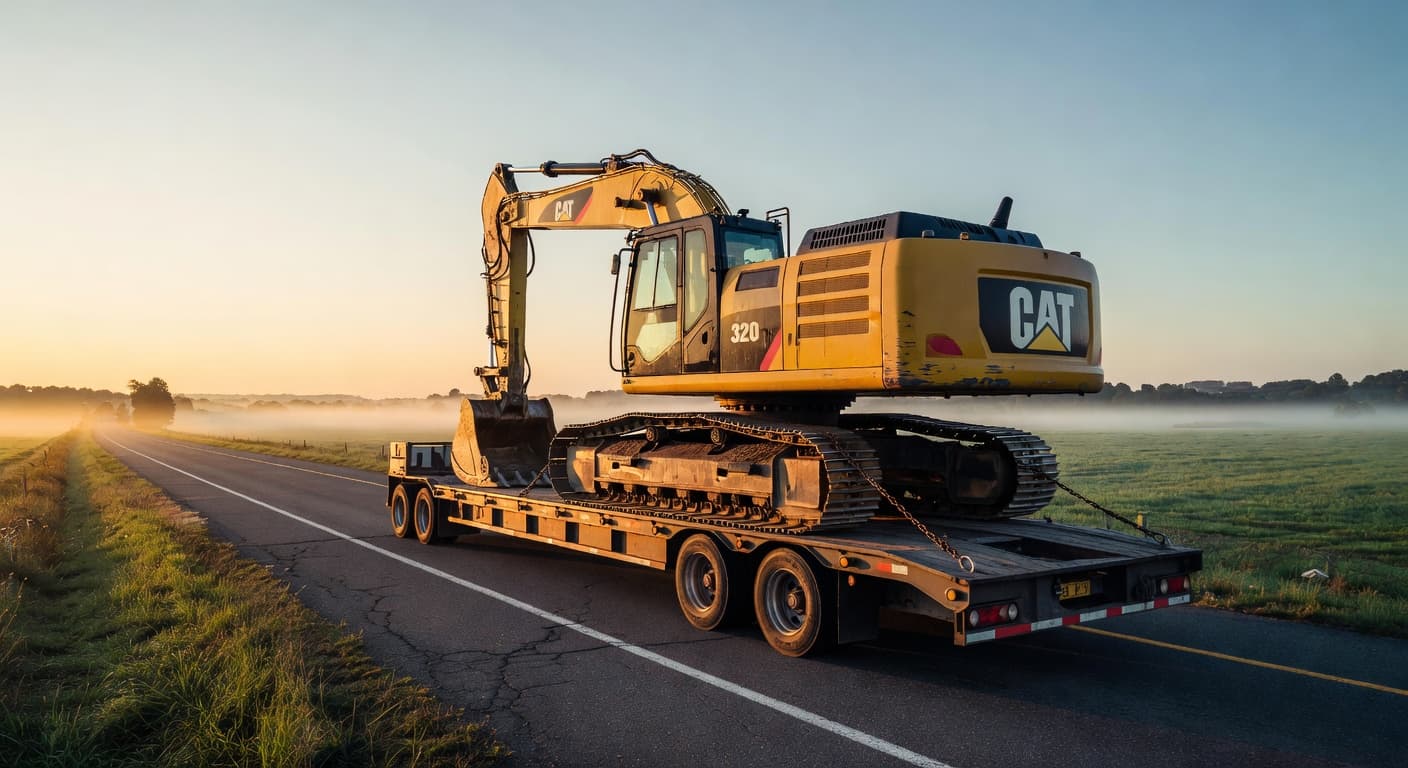
Typically covers heavy machinery like excavators, loaders, and generators against theft or damage at job sites and between them.

Installation Floater
Can help cover materials and fixtures from the moment you buy them until they are installed and accepted at a project.
Builders Risk
May cover a structure under construction, along with materials on site, against damage from fire, wind, theft, and vandalism.
Inland Marine Insurance Cost in Birmingham
Average Cost in Alabama
$20 - $95
per month
Businesses in Alabama typically see inland marine insurance premiums of $20 - $95 per month, which tends to run 4% below the national range of $20 - $100 per month.
- Total insured value of the scheduled property
- Type and age of the equipment
- Where it is stored and how far it travels
- Jobsite security and theft prevention
- Per-item limits and deductibles
- Prior theft and in-transit losses
Contact CPK Insurance for a personalized quote.
Prices shown are general estimates, not guaranteed rates or quotes. Your actual premium will depend on the insurer, coverage selected, business details, location, claims history, and other underwriting factors. Learn about our pricing methodology.
Inland marine insurance cost in Alabama depends on your limits, deductible, claims history, location, industry or risk profile, and policy endorsements. Alabama's elevated tornado risk can push pricing upward for businesses whose tools, equipment, or materials are frequently exposed to severe weather, especially in places that have recently seen storm losses. The state also had 202 disaster declarations and 71 major disaster declarations. That history helps explain why carriers may price weather exposure as a major rating factor, which can mean higher premiums for property stored in vulnerable areas. A contractor in Montgomery may see a different quote than a business operating near the Gulf Coast or in flood-prone areas because geographic exposure and storage practices matter. The most reliable way to estimate your cost is to review your actual limits, deductible, and equipment list, then compare how each carrier treats transit, temporary storage, and endorsements.
Industries & Insurance Needs in Birmingham
Jefferson County's business mix changes how inland marine buying decisions get made here. Retail trade accounts for 15% of establishments, professional, scientific, and technical services 11.8%, and health care and social assistance 11.2%, so mobile property is not limited to contractors' tools. It can include point-of-sale equipment, leased electronics, diagnostic devices, specialized instruments, and customer property moving between offices, facilities, events, and temporary work locations. That matters because inland marine schedules built only around hand tools can miss the property classes that drive real losses for local firms. If your operation serves clinics, offices, or retail locations, ask whether your quote is being structured around item type, transit pattern, and who owns the property at the time of loss. A useful review usually starts with three buckets: equipment you own, equipment you rent or borrow, and property belonging to customers that you transport, install, or hold temporarily.
What Makes Birmingham Different
Documentation is what changes the calculus here. In a market this dense, the issue is often not whether you have some inland marine coverage, but whether your policy schedule matches the way property actually circulates through jobs, deliveries, service calls, and temporary stops. A contractor with unscheduled small tools has one exposure. A medical service firm moving specialized devices between facilities has another. A retailer taking inventory and displays to off-site events has another still. Those differences matter because claim handling often turns on item description, valuation method, where the property was supposed to be, and whether it was owned, rented, borrowed, or held for someone else. That is why a local buyer should treat the application like an operations document, not a formality. Map your normal routes, identify any recurring unattended storage points, and decide which items need individual listing versus broader classes. If your property mix changes seasonally or by contract, ask for a schedule review before renewal, not after a loss.
Our Recommendation for Birmingham
Start with the property that would be hardest to replace quickly, not just the property that costs the most. Here, delays can hurt as much as direct damage if a missing instrument, device, or specialized tool stalls a job or service appointment. Build your quote request around how property moves: employee vehicles, third-party couriers, temporary job sites, client premises, and short-term storage. Then ask which items should be specifically scheduled and which can reasonably sit in a broader category. If you ever transport customer property, say that early, because that detail can change how the policy is reviewed. If you rent or borrow equipment for larger projects, include that too instead of assuming it follows your standard property setup. Birmingham buyers should also compare valuation language carefully, especially for equipment that depreciates fast or is difficult to source on short notice. Before binding, review addresses, transit patterns, and item descriptions line by line so the policy mirrors your real workflow.
Get Inland Marine Insurance in Birmingham
Enter your ZIP code to compare inland marine insurance rates from carriers in Birmingham, AL.
Business insurance starting at $25/mo
FAQ
Frequently Asked Questions
Birmingham area buyers operate in Jefferson County, where 16,936 business establishments create a busy contracting and vendor environment, so certificates and schedules often get closer scrutiny. A detailed equipment list can reduce disputes about what was insured and where it was supposed to be.
Birmingham area firms are not limited to tool coverage. In Jefferson County, retail trade makes up 15% of establishments, so mobile stock, displays, electronics, and leased equipment can be just as important to review as hand tools and jobsite gear.
Birmingham area professional firms should start with the property that leaves the office regularly. Jefferson County's professional, scientific, and technical services sector represents 11.8% of establishments, so instruments, testing devices, laptops, and borrowed equipment often deserve a closer schedule review.
Birmingham area health care related operations often move equipment between facilities or temporary service locations. Jefferson County's health care and social assistance sector accounts for 11.2% of establishments, so diagnostic devices, carts, and similar mobile property should be described clearly before quoting.
In Alabama, this coverage is meant for business property that moves between job sites, customer locations, and temporary storage, including tools, equipment, materials, and shipped goods. It is designed for property exposed away from your fixed business address, which matters in a state with frequent severe weather and active jobsite movement.
It can help cover scheduled business property while it is away from your permanent location, including at a job site or in temporary storage, if the policy form and endorsements include that exposure. You should confirm the storage terms because Alabama contractors often work in locations that change from project to project.
Contractors, electricians, plumbers, landscapers, photographers, caterers, IT service providers, and any business moving valuable portable property around Alabama usually benefit the most. It is also useful for businesses that install materials at customer sites or ship items to multiple locations.
The main factors are coverage limits, deductibles, claims history, location, industry risk, and endorsements. Alabama's tornado exposure and local storage practices can influence pricing because carriers look closely at where and how mobile property is kept.
Sources
- 1.U.S. Census Bureau, County Business Patterns, Jefferson County(Jefferson County supports 16,936 business establishments, so vendors, GCs, property managers, and institutional buyers often expect clean certificates and schedules that match how your equipment and materials actually move.; Jefferson County's business mix changes how inland marine buying decisions get made here. Retail trade accounts for 15% of establishments, professional, scientific, and technical services 11.8%, and health care and social assistance 11.2%.)
Updated July 5, 2026





