







































Updated July 16, 2026

On-Hook Towing Insurance in Birmingham
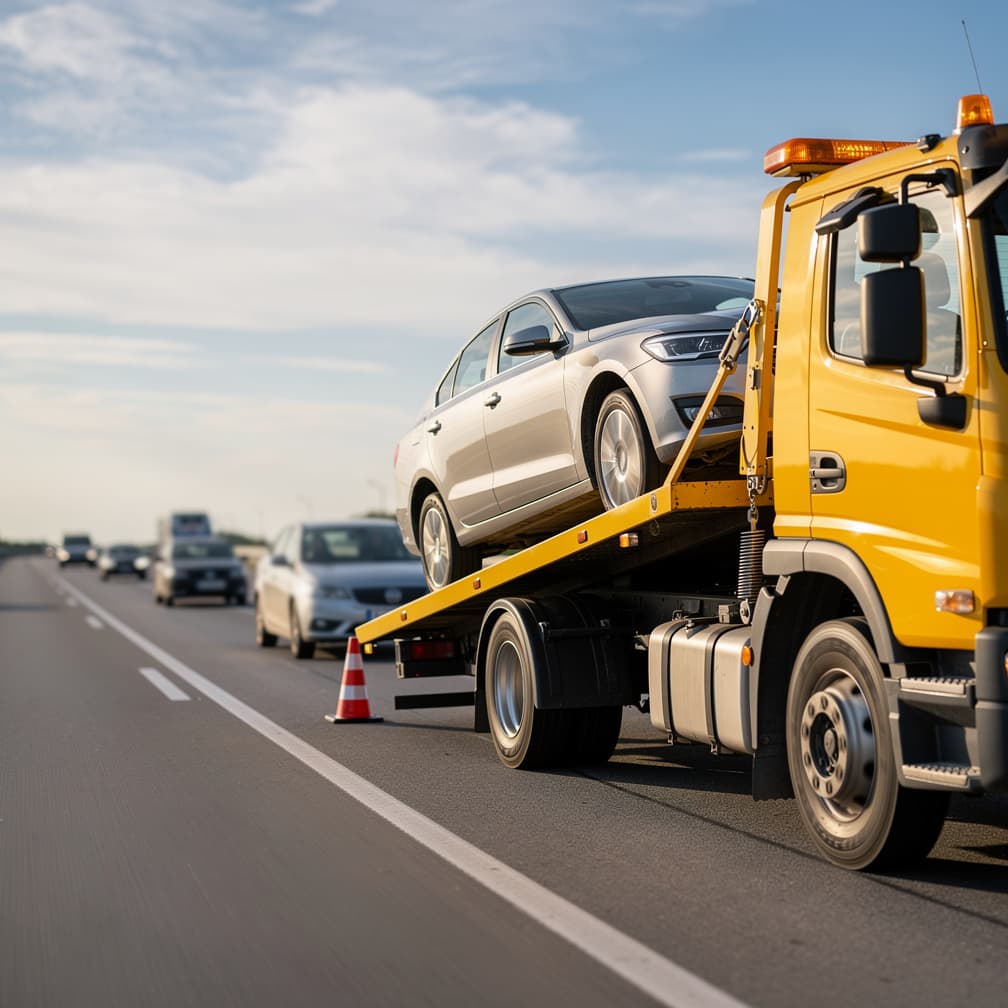
Asking whether your coverage needs a different review than a generic Alabama quote is the right instinct. Your work here regularly puts you in front of retail lots, medical campuses, office properties, and dense commercial corridors where tight access and damage allegations can turn into claim disputes fast. Local towing operations often move between private property calls, roadside recoveries, dealer transfers, and impound-related work in the same week. That mix raises practical questions about on-hook limits, claim documentation, and how your policy treats vehicles while attached, lifted, or being transported. Jefferson County has 16,936 business establishments, meaning your daily route likely touches multiple commercial properties that expect clear proof of coverage before they release keys or authorize a tow. The practical move is to look at the kinds of vehicles you handle, where pickups happen, who signs off at release, and whether your quote matches the accounts you are trying to win next.
On-Hook Towing Insurance Risk Factors in Birmingham
Birmingham's top risk factors include Tornado damage, Hail damage, Severe storm damage, and Wind damage.
Alabama has a high climate risk rating. Top hazards: Tornado (Very High), Hurricane (High), Flooding (High), Severe Storm (High). The state's expected annual loss from natural hazards is $1.4B, which influences on-hook towing insurance premiums and may affect coverage availability in high-risk areas.
What On-Hook Towing Insurance Covers
The practical review starts with your actual handoff points. A clean quote process looks at where responsibility begins, how condition is documented, and which jobs create the biggest disagreement risk after delivery. That matters if your work includes roadside calls on wet shoulders, post-collision pickups, private property impounds, dealer transfers, or moves involving low-clearance vehicles that can pick up damage during loading or unloading. The policy terms you review should line up with those moments, because claim disputes often turn on exactly when the vehicle entered your care and what your driver noted before movement started.
You should also look closely at how your operation separates ordinary towing from tougher recovery-style work. Some operators handle mostly routine disabled-vehicle tows, while others regularly deal with accident scenes, abandoned vehicles, storage-lot movements, or after-hours impounds. Those differences affect how underwriters view damage potential, especially where a vehicle may already have visible impact damage, suspension issues, missing keys, or locked steering. If your drivers use photos, dispatch notes, signed condition reports, and release procedures consistently, ask that the underwriting file reflect it.
Weather-related roadway hazards can complicate loading angles, shoulder access, and post-loss documentation, so you want policy language reviewed for exclusions, reporting expectations, and any limits that may be too low for the vehicles you now move. Pay close attention to valuation method, which is the rule the policy uses to decide what a damaged vehicle is worth. If your policy uses actual cash value, a depreciation formula may reduce what the insurer pays below what your customer expects. A five-year-old luxury sedan with prior wear, for example, might settle at $18,000 when the owner believes the replacement value is $32,000, leaving your business caught in the middle. Replacement cost language is broader but may come with caps or conditions. Ask for examples of how your policy would respond to a disputed scratch claim, undercarriage damage allegation, or a loss discovered only after delivery, then compare those answers side by side.
Coverage Included

Collision on Hook
Covers damage to towed vehicles from collisions during transport.
Comprehensive on Hook
Covers theft, fire, and weather damage to vehicles being towed.
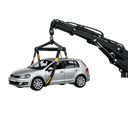
Loading & Unloading
Covers damage during the process of loading and unloading vehicles.
Winching Coverage
Covers damage to vehicles during winching and recovery operations.
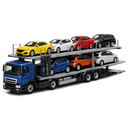
Multiple Vehicle
Covers all vehicles on multi-car carriers and rollback flatbeds.
Industries & Insurance Needs in Birmingham
Jefferson County business mix is the part that changes demand here. Retail trade accounts for 15% of county establishments, professional, scientific, and technical services 11.8%, and health care and social assistance 11.2%, so local towers often work around shopping centers, office properties, clinics, and hospital-adjacent parking areas where authorization, key control, and condition documentation matter as much as the tow itself. Those environments can produce different claim friction than a simple roadside pull, especially if a vehicle owner disputes why it was removed or alleges damage discovered at release. That is why your quote review should get specific about where losses can occur in your workflow: hookup, loading angle, transport, storage transfer, and final handoff. If a meaningful share of your work comes from commercial property managers or medical-area accounts, ask for wording and limits that fit that assignment mix before you bid or renew.
What Makes Birmingham Different
Commercial property density is the main difference here. In a market tied closely to retail centers, office users, and health care destinations, towing work often involves more private-property authorizations and more third-party stakeholders. That creates more opportunities for a condition dispute after the vehicle is released. The real variable is how often you operate in places where the owner, property manager, security staff, and vehicle owner may all have different records of what happened. Birmingham median household income is $44,376, so a scratch or dent that seems minor to you can feel like a major financial event to the vehicle owner. That raises the value of clear photos, signed inventories, and limits you can defend if a claim develops. Review your on-hook coverage alongside your release procedures, lot photos, and dispatch records, not as a stand-alone line item.
Our Recommendation for Birmingham
Start with your account mix, not your truck schedule. If you handle apartment, retail, hospital-area, or office-property calls, ask how your on-hook coverage responds during hookup, while the vehicle is lifted, and during transport to the drop location. Then pressure-test your claim file process. You want time-stamped photos before contact, at securement, and at release, plus dispatch notes that show who authorized the tow and where the vehicle changed custody. If you are pursuing more commercial accounts, ask whether your current limits still make sense for the vehicles commonly parked on those properties. Check whether your policy language also lines up with any storage or impound handoff you perform after the tow is complete. When you compare options, bring a recent loss run, sample invoices, and the addresses or property types you service most often so the review reflects your actual local workflow.
Get On-Hook Towing Insurance in Birmingham
Enter your ZIP code to compare on-hook towing insurance rates from carriers in Birmingham, AL.
Business insurance starting at $25/mo
FAQ
Frequently Asked Questions
Towing companies in this area usually need the closest review around private-property and commercial-account work. Jefferson County's commercial density means many assignments can involve landlords, retailers, offices, or medical properties that expect stronger documentation and proof of coverage.
Private-property towing often justifies a closer limit review because claim disputes can start after release, not only during transport. If you handle dealer, apartment, retail, or office calls, compare limits against the vehicles you actually move and the accounts you want next.
Your work is shaped by where calls originate. Retail trade is 15% of establishments, professional services 11.8%, and health care and social assistance 11.2%, so roughly one in three local businesses is a retail shop, office, or medical facility where parking-lot and campus tows deserve as much attention as roadside calls.
Tow operators are usually in a stronger position when they keep time-stamped photos, dispatch notes, authorization details, and signed release records. Those records matter most on commercial and private-property jobs where several parties may later disagree about vehicle condition or custody.
Your truck list, recent loss history, sample invoices, and the property types you service most will make any quote more accurate. Include whether you do private-property, dealer, storage, or impound-related work so the on-hook comparison fits your workflow.
Compare quotes using the same truck schedule, service mix, driver list, and requested limit each time. Review policy forms, exclusions, and complaint procedures so you are comparing terms, not just premium. Complaint procedures are the steps a carrier requires you to follow if you disagree with how a claim was handled. Knowing those steps before you buy matters because missing a deadline or skipping a required form can limit your ability to challenge a denial later.
Towing companies should review limits whenever the vehicles you move or the jobs you accept change materially. Dealer transfers, impounds, and post-collision pickups can raise the severity of a disputed damage claim, so an older limit may no longer fit your current exposure.
Claims get harder to defend when intake photos are inconsistent, pre-existing damage is not documented, or the complaint appears after delivery. Weather and roadway conditions can also complicate the claim narrative, which makes timestamped records and clear driver notes more important.
Sources
- 1.U.S. Census Bureau, County Business Patterns, Jefferson County(Jefferson County has 16,936 business establishments, so a large share of your assignments can come from commercial properties and vendor relationships that expect clear proof of coverage before they release keys or authorize a tow.; Retail trade accounts for 15% of county establishments, professional, scientific, and technical services 11.8%, and health care and social assistance 11.2%, so local towers often work around shopping centers, office properties, clinics, and hospital-adjacent parking areas where authorization, key control, and condition documentation matter as much as the tow itself.)
- 2.U.S. Census Bureau, ACS 5-Year Estimates, table B19013(Birmingham median household income is $44,376, so even a modest damage allegation can become a serious customer dispute for the vehicle owner involved, which raises the value of clear photos, signed inventories, and limits you can defend if a claim develops.)
Updated July 16, 2026





