
Updated July 5, 2026

Homeowners Insurance in Huntsville
Madison County supports 9,208 business establishments, so buyers, lenders, contractors, and property managers often expect fast, clean insurance documentation when a purchase closes or repair work starts. That matters for homeowners insurance in Huntsville because your policy is not just a mortgage checkbox. It affects how smoothly you can line up roof bids, document upgrades, and satisfy lender or closing requests when ownership changes hands. Local housing values also raise the stakes. With a median home value of $263,100, underestimating dwelling limits or skipping a fresh replacement cost review can leave a larger gap after a serious loss than many owners expect. This is also a market with solid household earning power, so many households have more to protect inside the home and more reason to review personal property scheduling, liability limits, and deductible choices instead of renewing on autopilot. Before you compare quotes, pull your current declarations page, note any recent renovations, and confirm whether your limits still match the house and belongings you would need to replace.
Alabama has a high climate risk rating. Top hazards: Tornado (Very High), Hurricane (High), Flooding (High), Severe Storm (High). The state's expected annual loss from natural hazards is $1.4B, which influences homeowners insurance premiums and may affect coverage availability in high-risk areas.
What Homeowners Insurance Covers
For an Alabama home, the useful review is not a generic list of policy parts. It is a line-by-line check of how the policy would respond to the losses your address is more likely to face and where you may need separate solutions. In practice, that means reading the dwelling settlement terms, the wind or hail deductible language, the water damage wording, and any exclusions tied to flood, surface water, or earth movement before you buy.
If your home is in a part of the state that sees strong convective storms, ask whether roof losses settle at replacement cost or whether age, condition, or endorsement choices change that result. If your property has older plumbing, an older electrical system, or prior water damage, review whether the quote assumes updates that have not actually been completed. A policy can look comparable on the declarations page and still differ in how it handles hidden water damage, ordinance or law costs, screened structures, detached buildings, or theft limits for certain categories of property.
You also want to match the policy to how you use the home. A primary residence, a seasonal property, and a house with frequent short-term occupancy changes can trigger different underwriting questions. If you run a business from home, keep high-value jewelry, firearms, musical instruments, or collections, or have a pool or trampoline, ask for those exposures to be reviewed directly instead of assuming the base form handles them the way you expect.
If you need to verify a company's license, review policy notices, or file a complaint, the Alabama Department of Insurance can help. Visit aldoi.gov or call 334-269-3550.
Coverage Included
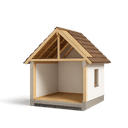
Dwelling
Repairs or rebuilds your home itself, the walls, roof, floors, built-in appliances, and attached structures like a garage, after a covered loss. Set this limit to the full cost of rebuilding, not market value.
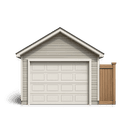
Other Structures
Detached structures on your property, such as a fence, shed, detached garage, or gazebo. Usually set at about 10 percent of your dwelling limit [2].

Personal Property
Your belongings, furniture, clothing, electronics, and appliances, generally written at 50 to 70 percent of your dwelling limit [2]. High-value items like jewelry and art carry special limits.

Additional Living Expenses
Also called loss of use. Pays your added living costs, hotel stays, meals, and a temporary rental, while a covered loss makes your home uninhabitable. Usually set at about 20 percent of your dwelling limit.

Liability
Covers you if someone is injured on your property, or you damage someone else's property, and you are found responsible. The standard $100,000 limit [2] is often raised to $300,000 or $500,000.

Medical Payments
Pays small medical bills, commonly $1,000 to $5,000, if a guest is hurt at your home regardless of fault, without a formal liability claim.
Homeowners Insurance Cost in Huntsville
Average Cost in Alabama
$110 - $330
per month
In Alabama, homeowners insurance premiums typically run $110 - $330 per month, which tends to run 22% above the national range of $110 - $250 per month.
- Home replacement cost, age, and construction type
- Roof age, material, and condition
- ZIP code and local weather risk (wind, hail, wildfire, hurricane)
- Coverage limits and endorsements
- All-peril and percentage wind/hail deductibles
- Claims history and insurance score where allowed
Typical range for many standard homeowners profiles; lower-risk homes fall below it and coastal, wildfire, or older-roof homes can run well above. Final pricing depends on property details, location, underwriting, and selected coverage.
Prices shown are general estimates, not guaranteed rates or quotes. Your actual premium will depend on the insurer, coverage selected, personal details, location, claims history, and other underwriting factors. Learn about our pricing methodology.
Your premium moves with the house itself. Based on common quoting patterns for a typical Alabama home valued around $250,000 with moderate risk features, premiums may start from $110 to $330 per month. Your actual price depends on the property's location, age, roof condition, construction details, prior claims, deductible, and the endorsements you add.
Start with the address and the rebuild assumptions. Two homes with similar sale prices can quote very differently if one has an older roof, custom finishes, prior water losses, or sits in an area where wind exposure changes underwriting. Deductible structure also matters, because a higher deductible can reduce premium, but only if the amount still fits your emergency budget after a storm or major water loss. If you are comparing quotes with different deductibles, different roof settlement terms, or different water backup options, you are not really comparing price.
Ask what updates can help underwriting. Carriers often price more favorably when the roof, wiring, plumbing, or heating and cooling systems have been updated, because those details affect expected loss frequency and repair severity. Protective devices can matter too, but only if they are installed and documented the way the carrier requires.
The practical way to shop is to request the same dwelling limit, liability limit, deductible, and optional coverages across each quote, then review why one price is higher. Sometimes the difference is simply broader terms. Sometimes it is a surcharge tied to roof age, prior claims, or a location-specific hazard that needs a different deductible strategy.
What Makes Huntsville Different
Home values are the main thing that changes the calculus here. A policy review should focus less on finding a bare minimum premium and more on whether your dwelling limit, other structures limit, and loss settlement terms still fit the property you own today. If you bought several years ago, finished space, upgraded kitchens, newer roofs, detached buildings, or higher material costs can all make an older declarations page less reliable. The local economy reinforces that point. Median household income is $70,778, which often means more electronics, tools, jewelry, and furnishings inside the home, so personal property sublimits and scheduled items deserve a closer look before renewal. In practical terms, this market rewards a line by line review: rebuild estimate, roof age, deductible structure, water backup options if available, and liability limits that fit your assets rather than a generic template.
Our Recommendation for Huntsville
Start with the parts of the policy that are easiest to let drift. Verify the dwelling limit against the home's current features, then check whether detached garages, fences, sheds, or workshops still fit the other structures limit. Next, review personal property with a room by room inventory, especially if your household income and spending have changed over time. Many owners here have accumulated more contents value than an older policy assumes. If you work from home, ask how business property is treated and whether higher limits are worth considering. If you have a mortgage, keep your lender's insurance requirements handy so the quote matches escrow and closing expectations the first time. Finally, ask for the quote with more than one deductible option and compare the tradeoff in plain dollars before renewing. That gives you a cleaner decision than shopping on premium alone.
Get Homeowners Insurance in Huntsville
Enter your ZIP code to compare homeowners insurance rates from carriers in Huntsville, AL.
Home insurance starting at $50/mo
FAQ
Frequently Asked Questions
Huntsville homeowners should review it because local home values raise the chance that an older policy limit no longer matches the property you would need to repair or rebuild after a major loss.
Huntsville buyers should gather the current declarations page, roof age, renovation dates, square footage, detached structure details, and mortgage information. In a market tied to a county with 9,208 business establishments, clean documentation helps repairs, lender requests, and closing follow-up move faster.
Madison County and Huntsville buyers should treat local value as a prompt to review limits carefully. A low dwelling limit or outdated contents estimate can create a larger out of pocket gap after a serious claim.
Huntsville households should at least revisit contents and liability. Higher local household income can mean more furnishings, electronics, and other property to account for than a policy written years ago may assume.
Madison County's 9,208 business establishments point to a busy local market for lenders, contractors, and service providers, so homeowners benefit from accurate declarations, mortgagee information, and proof of coverage that can be produced quickly when work or closing steps begin.
Homeowners policies can handle wind-related losses differently depending on the form and deductible structure. Review the declarations page and endorsements closely, especially for roof claims, so you know whether a separate wind or hail deductible applies.
Standard coverage may not respond to flood or surface water the way many owners expect, so your address, elevation, and prior water history should drive that decision.
Buyers should confirm the property address, named insured, effective date, deductible, and mortgagee clause before closing. Lenders usually want proof that coverage is active and tied to the correct loan, so small clerical errors can create avoidable delays.
Sources
- 1.U.S. Census Bureau, County Business Patterns, Madison County(Madison County supports 9,208 business establishments, so buyers, lenders, contractors, and property managers often expect fast, clean insurance documentation when a purchase closes or repair work starts.)
- 2.U.S. Census Bureau, ACS 5-Year Estimates, table B25077(With a median home value of $263,100, underestimating dwelling limits or skipping a fresh replacement cost review can leave a larger gap after a serious loss than many owners expect.)
- 3.U.S. Census Bureau, ACS 5-Year Estimates, table B19013(Median household income is $70,778, which often means more electronics, tools, jewelry, and furnishings inside the home, so personal property sublimits and scheduled items deserve a closer look before renewal.)
Updated July 5, 2026