








































Updated July 16, 2026

Inland Marine Insurance in Huntsville
Madison County supports 9,208 business establishments. With that many firms operating in the same market, landlords, prime contractors, and larger customers often expect tighter documentation and clearer proof that mobile property is accounted for before work starts. That changes the conversation around this coverage. If you install systems near Research Park, deliver inventory along the Parkway corridor, or carry diagnostic equipment between appointments, your quote should match that movement pattern. A strong review starts with the property that travels, who has custody at each stop, and whether items are owned, rented, borrowed, or held for a customer. Those details can matter before a contract is signed or a loss is reported, so it is worth asking for a review built around your actual routes, storage habits, and job sequencing.
Inland Marine Insurance Risk Factors in Huntsville
Local storm exposure still matters for property that is off premises, but the practical issue here is where equipment and materials are during the workday. If your crews leave items in vans overnight, stage them at a customer location, or shift them between a warehouse and short-term job sites, ask how the policy treats each step in that chain. The useful review point is not the weather headline by itself, but whether your schedule creates more time in transit, more temporary storage, or more handoffs between employees and subcontractors. That is where losses can become **coverage disputes**. For a local operation, it helps to inventory high-value mobile items by class, note the usual storage setup, and separate property you own from customer property in your care. That gives you a cleaner basis for limits, deductibles, and any endorsements worth considering.
Alabama has a high climate risk rating. Top hazards: Tornado (Very High), Hurricane (High), Flooding (High), Severe Storm (High). The state's expected annual loss from natural hazards is $1.4B, which influences inland marine insurance premiums and may affect coverage availability in high-risk areas.
What Inland Marine Insurance Covers
In Alabama, inland marine insurance is built for business property that does not stay put. That includes tools, equipment, materials, and goods moving between locations. The core options include tools and equipment, goods in transit, contractors equipment, installation floater, and builders risk coverage. Your policy can help cover property while it is on the road, on a job site, at a customer location, or in temporary storage rather than only at your fixed premises. Alabama does not impose a state-specific inland marine mandate, but the Alabama Department of Insurance regulates the market. A contractor working around storm-damaged structures in coastal or central Alabama may need different limits than a business that only moves small portable tools inside one city. You should confirm whether your policy follows the property in transit, at job sites, and during offsite storage. If you need installation floater coverage or builders risk coverage, verify that the policy language matches the phase of work and the specific materials you are moving.
Coverage Included
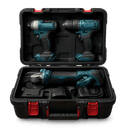
Tools & Equipment
Can help repair or replace hand tools, power tools, and gear that are stolen or damaged on the job or in transit.

Goods in Transit
May cover products, materials, and merchandise while they are being shipped or hauled between locations in your care.
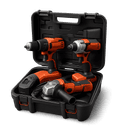
Contractors Equipment
Typically covers heavy machinery like excavators, loaders, and generators against theft or damage at job sites and between them.

Installation Floater
Can help cover materials and fixtures from the moment you buy them until they are installed and accepted at a project.
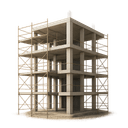
Builders Risk
May cover a structure under construction, along with materials on site, against damage from fire, wind, theft, and vandalism.
Inland Marine Insurance Cost in Huntsville
Average Cost in Alabama
$20 - $95
per month
Businesses in Alabama typically see inland marine insurance premiums of $20 - $95 per month, which tends to run 4% below the national range of $20 - $100 per month.
- Total insured value of the scheduled property
- Type and age of the equipment
- Where it is stored and how far it travels
- Jobsite security and theft prevention
- Per-item limits and deductibles
- Prior theft and in-transit losses
Contact CPK Insurance for a personalized quote.
Prices shown are general estimates, not guaranteed rates or quotes. Your actual premium will depend on the insurer, coverage selected, business details, location, claims history, and other underwriting factors. Learn about our pricing methodology.
Inland marine insurance cost in Alabama depends on your limits, deductible, claims history, location, industry or risk profile, and policy endorsements. Alabama's elevated tornado risk can push pricing upward for businesses whose tools, equipment, or materials are frequently exposed to severe weather, especially in places that have recently seen storm losses. The state also had 202 disaster declarations and 71 major disaster declarations. That history helps explain why carriers may price weather exposure as a major rating factor, which can mean higher premiums for property stored in vulnerable areas. A contractor in Montgomery may see a different quote than a business operating near the Gulf Coast or in flood-prone areas because geographic exposure and storage practices matter. The most reliable way to estimate your cost is to review your actual limits, deductible, and equipment list, then compare how each carrier treats transit, temporary storage, and endorsements.
Industries & Insurance Needs in Huntsville
Madison County's establishment mix leans toward professional, scientific, and technical services at 15.9%, retail trade at 14.6%, and health care and social assistance at 12.2%, so local inland marine demand often extends beyond classic contractor tools. That mix points to mobile diagnostic devices, testing equipment, specialized instruments, display property, and inventory that travels between offices, customer sites, events, or temporary setups. If your operation fits one of those patterns, a quote should describe the property by use, not just by broad category. A retailer moving merchandise to pop-up locations has a different exposure than a service firm carrying calibrated equipment, even if both need property covered away from the main premises. The practical step is to group items by how they move and where they pause, then ask for limits that follow those real workflows instead of assuming everything stays at one address.
What Makes Huntsville Different
In many places, questions about this coverage start and end with contractor tools. Around here, the bigger issue is that mobile property can be more specialized, more expensive to replace, and more likely to move between offices, labs, clinics, retail settings, and temporary workspaces in the same week. That means a generic equipment schedule can miss how your business actually operates. If one employee carries instruments, another delivers materials, and a third stores items at a client site until the next phase, you may want those custody changes discussed before binding coverage. The strongest review request lays out what travels, who transports it, where it is left during the day, and whether any customer property is involved.
Our Recommendation for Huntsville
A practical first step is building a movement map rather than a simple property list. Start by tracking which items travel daily, which stay in vehicles, and which are staged at temporary sites or checked out to employees. From there, separate owned equipment, rented equipment, installation materials, and customer property, because each can raise different questions during underwriting and after a loss. If your business serves higher-income households, the local market includes a median household income of roughly $71,000. Customers in that range tend to notice quickly when a job stalls or an item is damaged. Ask for a review that tests limits against your most expensive mobile items, confirms how temporary storage is treated, and checks whether any gaps appear when property moves between your premises, a vehicle, and a client location. Bring your current schedule, recent invoices, and a realistic description of where property sleeps at night.
Get Inland Marine Insurance in Huntsville
Enter your ZIP code to compare inland marine insurance rates from carriers in Huntsville, AL.
Business insurance starting at $25/mo
FAQ
Frequently Asked Questions
Review it when property regularly leaves the main location for customer sites, vehicles, or temporary work areas. Counterparties in a market this size often expect clearer documentation of what travels and who is responsible for it. A missing schedule may cost you a contract before work even begins.
Many local firms use it for more than contractor gear. Professional, scientific, and technical services make up 15.9% of county establishments. Specialized instruments and testing devices often need the same scheduling attention as tools on a job site.
List what moves, where it pauses, and whether it is owned, rented, borrowed, or customer property, then use that detail to match deliveries, temporary setups, and property left off premises during the workday. A review built on those specifics has a far better chance of paying out the way you expect when something goes wrong off site.
Health care and social assistance represent 12.2% of county establishments. Equipment that travels between locations or sits temporarily outside the main premises needs careful attention. **Policy wording** and limits can vary widely once property leaves your address, and a gap there can turn a minor delay into a major expense.
Tighter service expectations kick in when a loss delays work or replacement. Comparing limits against the real cost of replacing mobile property quickly enough to keep jobs moving may help you hold a client rather than lose one.
In Alabama, this coverage is meant for business property that moves between job sites, customer locations, and temporary storage, including tools, equipment, materials, and shipped goods. It is designed for property exposed away from your fixed business address, which matters in a state with frequent severe weather and active jobsite movement.
It can help cover scheduled business property while it is away from your permanent location, including at a job site or in temporary storage, if the policy form and endorsements include that exposure. You should confirm the storage terms because Alabama contractors often work in locations that change from project to project.
Contractors, electricians, plumbers, landscapers, photographers, caterers, IT service providers, and any business moving valuable portable property around Alabama usually benefit the most. It is also useful for businesses that install materials at customer sites or ship items to multiple locations.
Sources
- 1.U.S. Census Bureau, County Business Patterns, Madison County(Madison County supports 9,208 business establishments, so buyers, landlords, primes, and larger customers often expect cleaner scheduling, tighter documentation, and clearer proof that mobile property is accounted for before work starts.; Madison County's establishment mix leans toward professional, scientific, and technical services at 15.9%, retail trade at 14.6%, and health care and social assistance at 12.2%, so local inland marine demand often extends beyond classic contractor tools.)
- 2.U.S. Census Bureau, ACS 5-Year Estimates, table B19013(If your business serves higher-income households, Huntsville's median household income is $70,778, so replacement expectations and service timelines may be less forgiving when a delayed job or damaged item affects a customer experience.)
Updated July 16, 2026





