Updated July 16, 2026

Key Takeaways
- Compare liquor liability quotes using the same limits and the same description of your alcohol operations, then read exclusions and defense wording before you choose a policy.
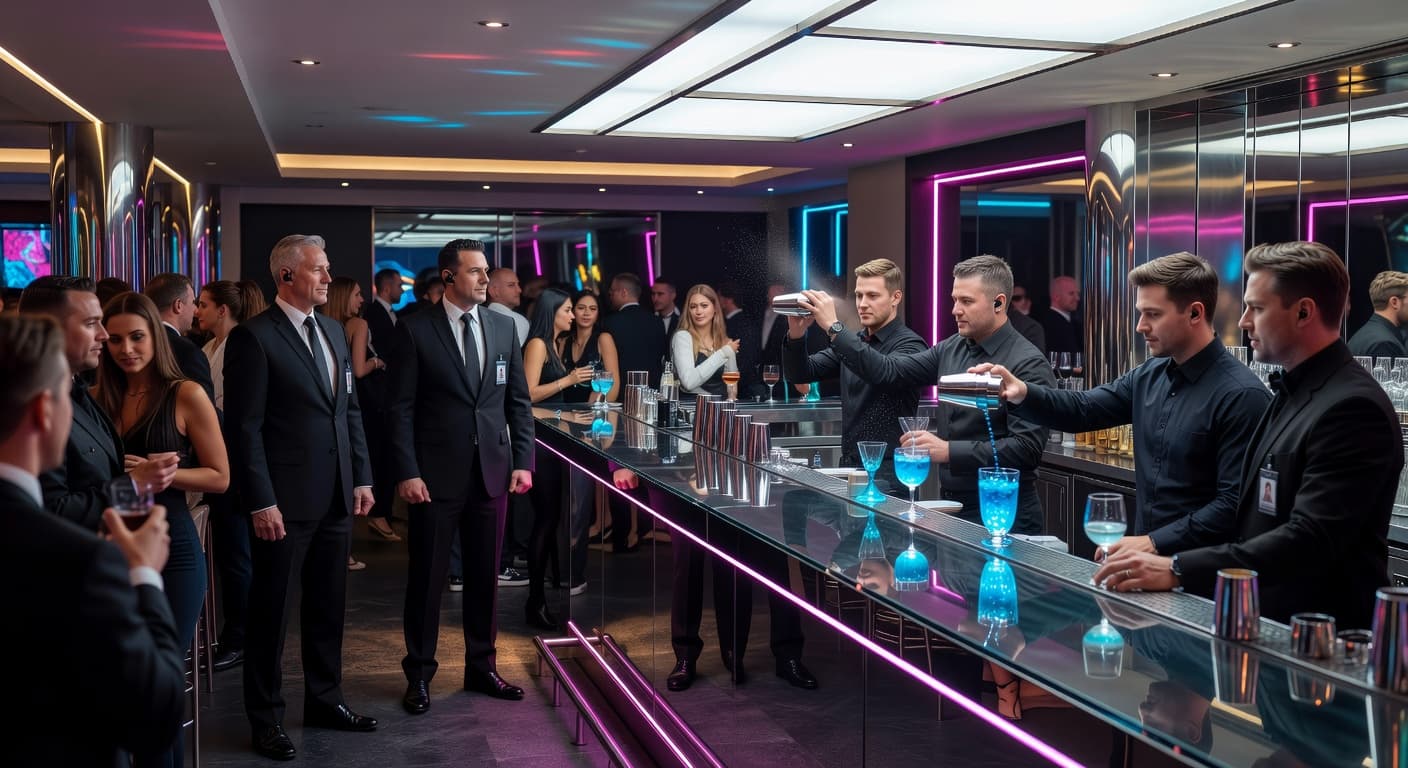
- Ask whether assault and battery is included, limited, or excluded, especially if you operate late hours, use security, host events, or manage crowded service areas.
- Document ID checks, server training, incident logs, and cut-off procedures so your application and your claim file both support how you actually operate.
- Review contracts from landlords, venues, and event partners early so you can match liquor liability limits and certificate requirements before binding coverage.
- Separate host liquor questions from true liquor liability needs if alcohol is only furnished occasionally and not part of your regular business revenue.
Liquor Liability Insurance in Alabama
Before binding coverage, many Alabama buyers need to satisfy a practical expectation: your policy has to match how alcohol is actually sold, served, or furnished at your location. A landlord, event venue, lender, or distribution partner will review the certificate looking for gaps. Liquor liability insurance in Alabama is usually less about checking a box and more about showing that your bar, restaurant, package store, brewery, caterer, or event operation has limits and forms that fit real service conditions. If you run table service, late-night sales, private events, tastings, or off-site pouring, those details matter at quote time because they can change how an underwriter views your exposure. If alcohol is only incidental to your operation, that needs to be clarified early too, especially if you are comparing host liquor options against a full form. Alabama buyers also benefit from confirming that the named insured, business address, and operating entity on the policy line up with the license, lease, and contracts they already use. Bring those documents together before you shop, then ask for a quote built around your actual alcohol receipts, service model, and event schedule.
What Liquor Liability Insurance Covers
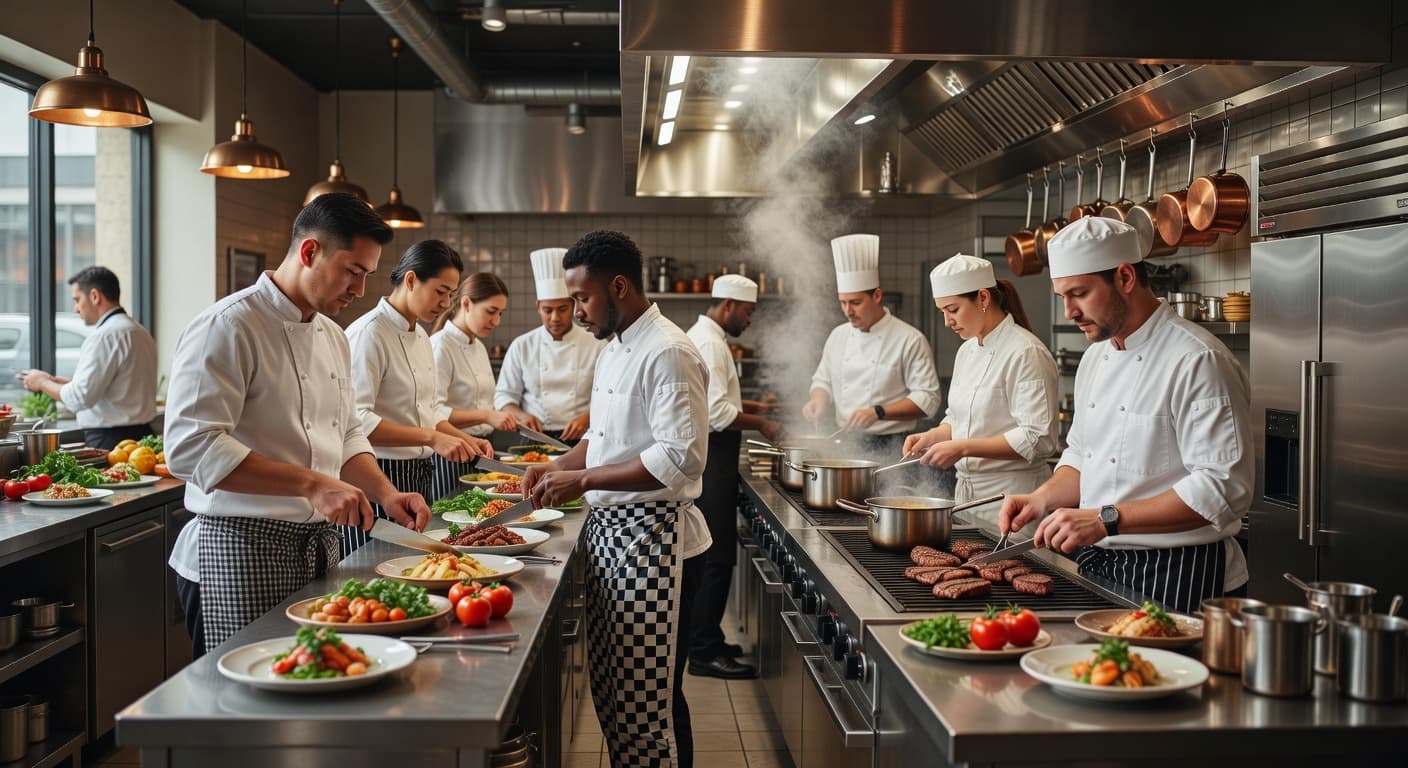
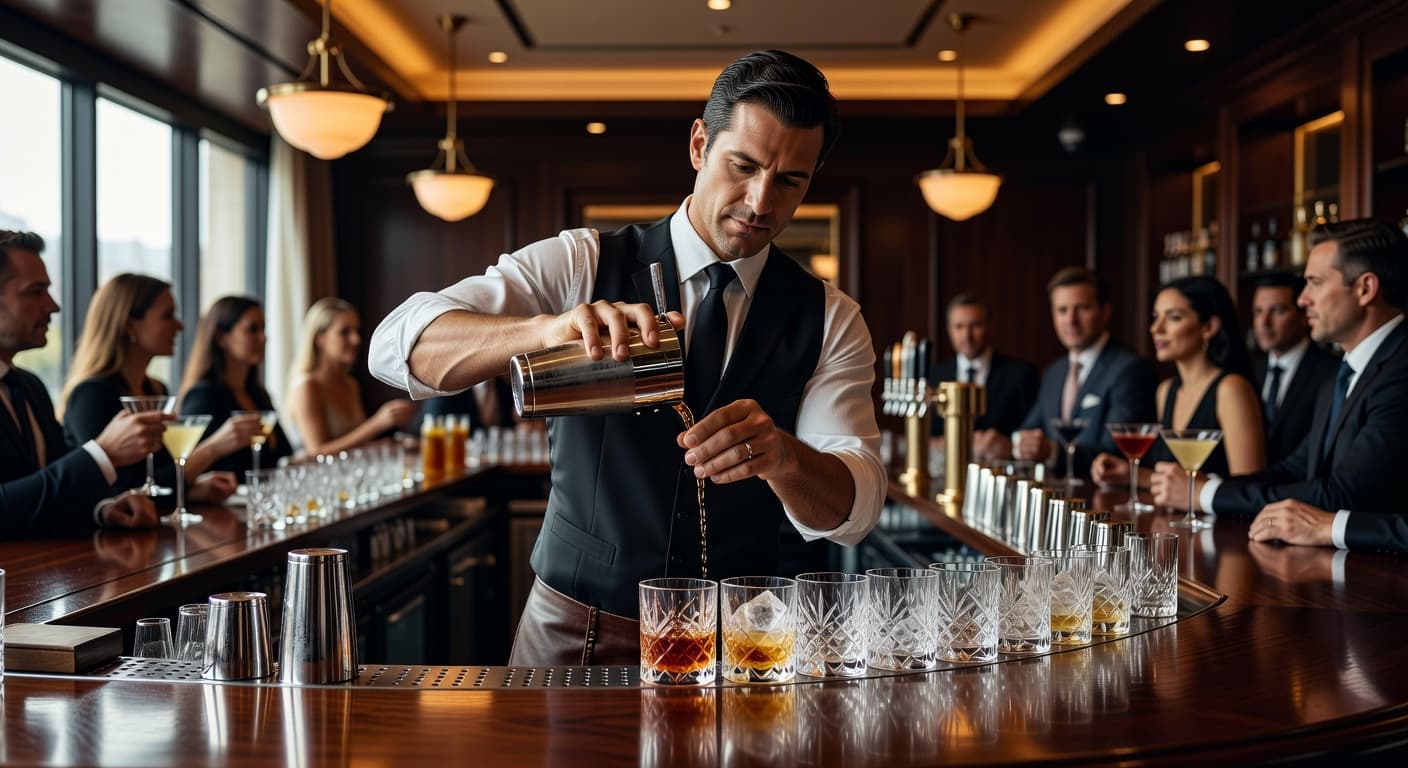
The useful question is how the form responds to the way your business puts alcohol into a customer's hands. A neighborhood restaurant with bartenders, a wedding caterer pouring at rented venues, and a retail store selling sealed bottles all create different claim paths, so your review should focus on operations, not labels.
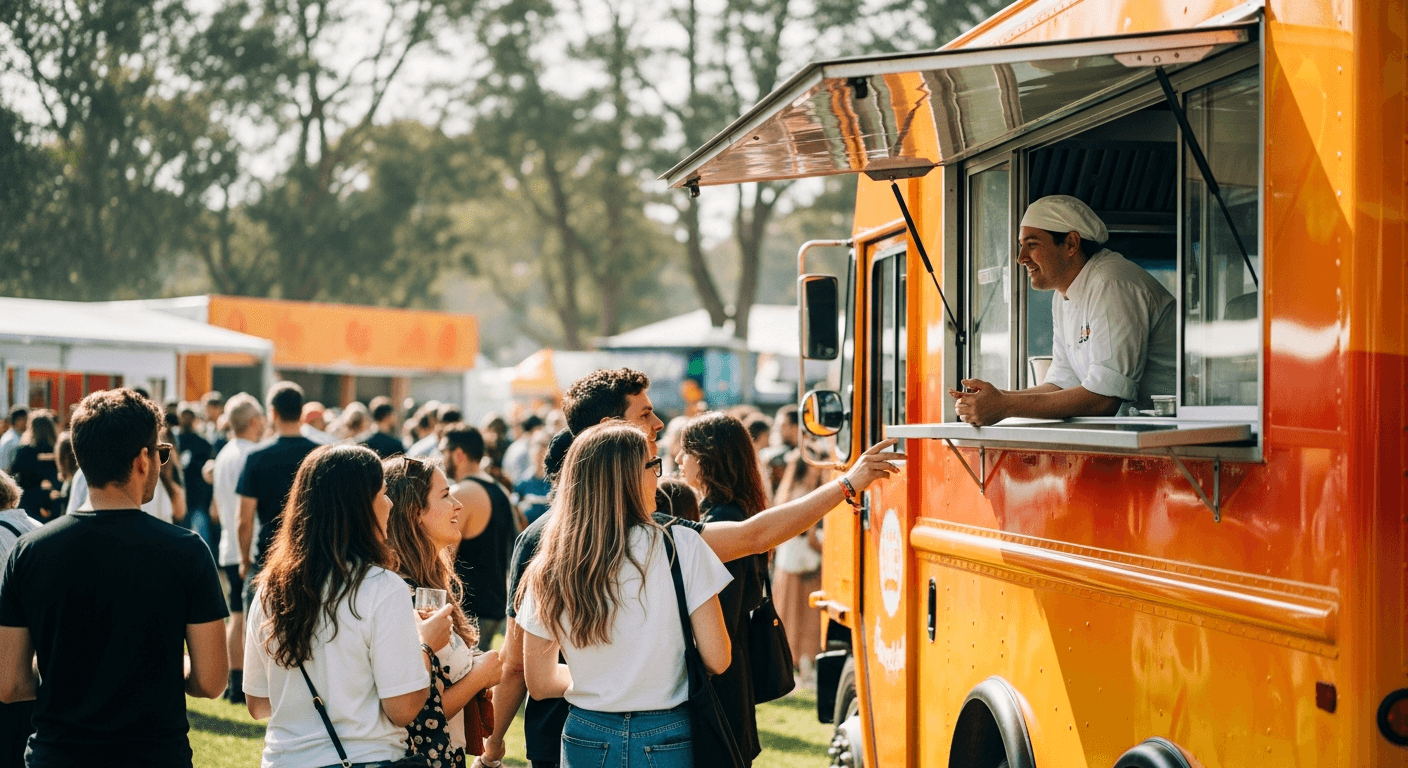
Start with the serving chain. You want to see how the policy treats bartenders, servers, managers, temporary event staff, and any subcontracted service team. If your operation moves between your premises and off-site events, ask whether each setting is contemplated by the quote and whether certificates can be issued in the name your venue contracts require. That matters because a policy built only for one address may not fit a calendar full of tastings, festivals, receptions, or pop-up service.
Then review how the policy coordinates with your other liability coverage. Some Alabama businesses assume their general liability policy may address every alcohol-related allegation, then find out the liquor exposure needs its own review. If you host private parties, allow outside promoters, or rent space for special events, ask how responsibility is divided among your policy, the event organizer's policy, and any indemnity language in your contracts.
Finally, look closely at exclusions and definitions. Delivery, security, entertainment, age-verification procedures, and employee training can all affect whether the quote matches your real exposure. Ask for specimen wording or a clear summary before you buy, then compare it against your peak service periods.

Bodily Injury Liability
Can help cover injuries an intoxicated patron causes to others after your business served or sold them alcohol.

Property Damage Liability
May pay for property damage caused by an intoxicated customer your establishment served, such as a car crash after leaving.
Assault & Battery
Can help cover claims arising from fights or physical altercations involving intoxicated patrons at your bar or restaurant.

Defense Costs
May pay for attorneys, court fees, and related legal expenses when your business is sued over an alcohol-related incident.

Host Liquor Liability
Can help cover alcohol-related claims from events where you host or serve drinks without selling them, like company parties.
Liquor Liability Insurance Requirements in Alabama
- Businesses serving alcohol at third-party venues should confirm the quote contemplates off-site service and can support venue-specific certificate requests without last-minute rewrites.
- When separate entities handle operations, events, or property ownership, review whether each one should be named so contracts and certificates line up cleanly.
- Events involving promoters, subcontracted bartenders, or security vendors call for a close look at how responsibility is allocated between your policy terms and your written agreements, and for occasional functions where alcohol is incidental rather than part of daily operations, ask whether host liquor is the better fit before paying for broader forms.
How Much Does Liquor Liability Insurance Cost in Alabama?
Average Cost in Alabama
$55 - $230
per month
Businesses in Alabama typically see liquor liability insurance premiums of $55 - $230 per month, which tends to run 2% below the national range of $50 - $240 per month.
- Share of sales that comes from alcohol
- Type of venue and how late you serve
- Server training and service procedures
- State dram shop law
- Liquor liability limits selected
- Prior over-service or assault claims
Contact CPK Insurance for a personalized quote.
For Alabama businesses, pricing usually moves with exposure details that an underwriter can verify. The biggest drivers are often your alcohol sales mix, hours of service, type of operation, prior claims, requested limits, deductible structure where applicable, and whether you serve on premises, sell sealed containers, or do both. A restaurant with moderate bar receipts can be rated very differently from a tavern centered on alcohol sales, even if both occupy similar square footage.
Event activity also changes the quote. If you cater weddings, festivals, corporate functions, or private parties, carriers often want to know how often you leave your main premises, whether you use written service procedures, and who controls security and age checks at each event. The more your operation changes from one venue to the next, the more important it is to give a complete schedule up front. Incomplete applications can lead to a quote that looks workable until underwriting asks follow-up questions.
Entity structure matters too. If your Alabama operation uses one LLC for the restaurant, another for the event business, or a separate entity for property ownership, ask whether each insured needs to be named and how that affects the premium. The same goes for managers, landlords, and venues requesting additional insured status.
The Alabama Department of Insurance regulates policy forms and licensed producers in the state, which gives you a practical safeguard: if a dispute arises over coverage or filing issues, you have a regulatory body to turn to rather than being left to resolve it alone with the carrier. Confirm that your producer and policy paperwork are handled through approved channels. To get a usable price comparison, keep the limits and operational details identical across each submission, then weigh exclusions, venue requirements, and certificate turnaround alongside the premium.
Prices shown are general estimates, not guaranteed rates or quotes. Your actual premium will depend on the insurer, coverage selected, business details, location, claims history, and other underwriting factors. Learn about our pricing methodology.
Request a Quote Comparison
Enter your ZIP code to compare liquor liability insurance rates from top carriers.
Business insurance starting at $25/mo
Who Needs Liquor Liability Insurance?
In Alabama, this coverage usually deserves a close look if alcohol is part of your revenue, your event package, or your customer experience in a way that could create liability after service. That includes businesses where alcohol is the main draw and businesses where it is one feature of a broader operation. What matters is whether your business can be pulled into an alcohol-related claim because of how service happens.
You likely need a full review if you run a bar, tavern, nightclub, restaurant with bar service, package store, brewery taproom, winery tasting room, or mobile bar business. The same is true if you cater events with alcohol, manage banquet operations, or host weddings and private functions where your staff pours drinks. In those settings, landlords and venues often want proof of coverage before keys are handed over or an event date is finalized.
You should also review your exposure if alcohol is not your main product but still appears in your operations. Examples include galleries hosting openings, salons offering drinks during appointments, nonprofits running ticketed fundraisers, and companies sponsoring client events. In some of those cases, host liquor may be the issue rather than a full liquor liability policy, but that distinction should be made before the event is marketed or contracted.
If you are unsure where your Alabama business falls, map the transaction first: who buys the alcohol, who serves it, where service happens, and whose name appears on the contract. That simple workflow usually tells you whether you need a host liquor discussion, a full quote, or both reviewed alongside your general liability policy.
Liquor Liability Insurance by City in Alabama
Liquor Liability Insurance rates and coverage options can vary across Alabama. Select your city below for localized information:
How to Buy Liquor Liability Insurance
Buying this coverage in Alabama goes faster when you build the submission around documents you already use to run the business. Start with your legal business name, any DBA, each operating address, and a short description of how alcohol is sold or served at each location. Then gather your lease, event contracts, current certificates, and any prior policy declarations so the quote can be matched to real obligations instead of guesses.
Next, outline your alcohol operations in plain terms. Underwriters usually need to know whether you sell beer, wine, or spirits, whether service is on premises or off premises, your approximate alcohol receipts, your hours, your entertainment profile, and whether security is in house or contracted. If you host special events, list the frequency, typical attendance, and whether you serve at third-party venues. If you use outside bartenders or promoters, disclose that early. It is easier to structure the quote correctly now than to fix a certificate problem the day before an event.
After that, request quotes with consistent limits and insured structure so you can compare them fairly. Ask each option to show the named insured exactly as it should appear, plus any additional insured requests you already know about. Review exclusions, venue language, and whether off-site service is contemplated.
Before binding, compare the policy against your peak service periods. If your Alabama operation spikes during football weekends, wedding season, festivals, or holiday parties, say so. Then request the certificate wording you need before you pay, so there is less chance of a last-minute contract delay. Request a quote through CPK Insurance to compare your options with participating licensed providers.
How to Save on Liquor Liability Insurance
The cleanest way to control liquor liability costs in Alabama is to make your submission easier to underwrite and less likely to be corrected later. Start by giving consistent information across every application. If one quote shows alcohol as a minor part of sales and another shows it as the core of the business, you are not creating competition, you are creating confusion. Clear, stable data helps you get quotes that are actually comparable.
You can also save by tightening operations that carriers often scrutinize. Written ID-check procedures, documented staff training, incident logs, and clear rules for cutting off service can support a better underwriting conversation because they show how your business manages alcohol service in practice. The same goes for contracts that spell out who provides security, who controls service, and who carries what insurance at off-site events.
Another practical move is to review entity structure before shopping. If your Alabama business has multiple locations or related entities, ask whether they should be scheduled together or separately. A rushed application that leaves out an entity, event exposure, or service address can lead to rework, added premium, or a certificate that does not satisfy the venue.
Finally, shop before renewal pressure hits. Give yourself time to compare forms, not just prices. Keep the limits, insured names, and event assumptions identical across each submission. Then look for the option that fits your contracts and service model with the fewest corrections needed after binding.
Our Recommendation for Alabama
For Alabama buyers, the smartest purchase decision usually comes from matching the policy to the service model, then pressure-testing it against contracts before committing. If your business pours only at your own premises, review whether the quote is built for that address alone. If you also cater, run tastings, or serve at rented venues, ask for that exposure to be addressed explicitly rather than assumed.
Pay close attention to insured names and certificate requests. A policy can look acceptable until a landlord or venue notices that the LLC on the certificate does not match the lease or event agreement. Fixing that after the fact can delay openings, event setup, or final contract approval.
You should also separate occasional alcohol service from regular alcohol operations. If your Alabama business hosts a few client receptions each year, the right conversation may be about host liquor. If alcohol sales or service are part of normal operations, ask for a full liquor liability review and compare exclusions carefully.
Before you choose a quote, walk through one realistic claim scenario with the agent: who served the drink, where service happened, which entity was named in the contract, and what other policy might respond. That exercise often reveals missing details faster than reading a generic summary. Then request the certificate language you expect to need most often and keep it on file for renewals.
FAQ
Frequently Asked Questions
Disclose every off-site pouring exposure before quoting, including weddings, tastings, and private parties. That helps you confirm the policy and certificate process fit third-party venue requirements instead of being written only for your main business address.
Landlords and venues often expect proof of coverage before handing over space for alcohol service. You should review the lease or event contract early, then match the named insured, limits, and additional insured wording to that document before binding.
Businesses that only offer alcohol occasionally may need a host liquor review rather than a full liquor liability policy. The key issue is who provides the alcohol, who serves it, and whether alcohol service is incidental or part of normal operations.
Applications usually work best when you provide alcohol sales details, service type, hours, event activity, prior claims, and who handles security. Clear operational information helps you get quotes that are easier to compare and less likely to need corrections later.
Certificate requests can stall if the policy names do not match the LLC, DBA, lease, or event contract. You should verify the legal entity and any additional insured requests before payment so the certificate is usable when a venue asks for it.
The Alabama Department of Insurance regulates policy forms and licensed producers in the state, which gives you a practical safeguard: if a dispute arises over coverage or filing issues, you have a regulatory body to turn to rather than being left to resolve it alone with the carrier. Confirm your producer and policy paperwork are handled through approved channels, and verify that your certificate will hold up when a venue or landlord demands proof. Working with a licensed producer who understands the filing requirements can save you from a rejected certificate at the worst possible moment.
Restaurants with bar service and caterers often need different policy reviews because the service setting changes the exposure. A fixed premises operation and a business that pours at rotating venues create different certificate, contract, and underwriting issues.
U.S. businesses that sell, serve, or distribute alcohol should review liquor liability insurance. That usually includes bars, restaurants, breweries, wineries, liquor stores, caterers, hotels, and event venues, especially when alcohol service is part of normal operations rather than an occasional event.
Sources
- 1.Alabama Department of Insurance(The Alabama Department of Insurance oversees insurance regulation in the state.)
Updated July 16, 2026