Updated July 16, 2026

Key Takeaways
- Gather your full product list, labels, instructions, supplier agreements, and complaint history before requesting a product liability insurance quote.
- Compare design defect, manufacturing defect, and failure to warn exposure against your actual role in making, importing, labeling, or selling each product.
- Ask for a side-by-side review of legal defense treatment, exclusions, deductibles or self-insured retention, and any recall expense coverage terms.
- Check marketplace, retailer, distributor, and customer contracts before binding so your limits and policy terms match written insurance requirements.
- Review the CPSC recall guidance resources and test your internal recall procedure before renewal if you sell consumer products.
Product Liability Insurance in Alabama
Before your products reach shelves, leased space, or a financed operation, landlords, retail accounts, wholesale buyers, and lenders often want to see current certificates. They expect limits that match the contract, named insured details that line up with your legal entity, and policy dates that leave no gap during a shipment or sales cycle. If you are shopping for this coverage, the practical issue is not just whether you carry a policy. It is whether your paperwork, product descriptions, and sales agreements tell the same story an underwriter sees.
Alabama businesses also need to review how claims handling, defense arrangements, and notice requirements fit their actual operations. Before you request quotes, gather your product list, labels, warnings, vendor agreements, and any retailer insurance requirements.
What Product Liability Insurance Covers
Review how the policy language lines up with the way your products are sourced, labeled, packaged, and sold. If you import components, use a third party manufacturer, or place your own brand on another company's goods, ask how the policy treats your role in the chain of commerce, meaning your legal connection to the product as it moves from raw material to final sale. If your policy does not clearly define your role, a carrier may deny defense when you are named alongside a manufacturer, distributor, or retailer in a lawsuit.
You should review where a claim is most likely to start. A small maker selling at regional stores may face a different claim path than a wholesaler supplying industrial buyers, a food business placing packaged goods with local retailers, or an ecommerce seller shipping from Alabama to customers in other states. Online marketplaces, vendor agreements, and private label contracts often shift indemnity obligations back to you.
If your product depends on instructions, age restrictions, storage guidance, or installation steps, ask the agent to compare those materials with the exposure you are asking the policy to insure. Keep specimen labels, inserts, and revision dates in one file. That gives the underwriter a cleaner picture and gives you a better record if a claim later turns on what the buyer was told.
Check how the policy handles defense costs, additional insured requests tied to vendor contracts, and any exclusions that could affect recalled, modified, or repackaged goods. Those details often decide whether the policy fits your Alabama operation or only looks acceptable on a certificate.
Design Defect Claims
Covers claims that a product's design is inherently dangerous.
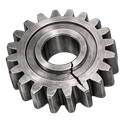
Manufacturing Defect
Covers claims from errors in the manufacturing process.
Failure to Warn
Covers claims that adequate warnings or instructions were not provided.

Legal Defense
Pays attorney fees, court costs, and expert witnesses.
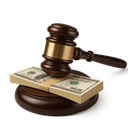
Settlements & Judgments
Pays awarded damages and negotiated settlements.
Recall Expenses
Covers costs to recall and replace defective products.
Product Liability Insurance Requirements in Alabama
- If your Alabama business private labels goods made by another company, review how your policy and supplier indemnity agreement work together after a claim.
- Businesses shipping products from Alabama into other states should confirm that territory, sales channels, and online marketplace activity are described accurately in the submission.
- If your products rely on instructions, warnings, or storage guidance, keep dated copies of every label version because claim disputes often turn on what accompanied the product.
How Much Does Product Liability Insurance Cost in Alabama?
Pricing turns on how clearly an underwriter can understand your product hazard and your controls. If your submission leaves open questions about who manufactures the item, how quality control is documented, or what warnings accompany the product, the quote process often slows down and pricing can move against you. A cleaner submission gives the carrier fewer reasons to assume the worst.
Expect the quote to be shaped by product type, intended user, annual sales, distribution footprint, prior incidents, and the severity of harm that could follow a failure in the field. A business selling low hazard packaged goods may present very differently from a company distributing tools, supplements, children's items, or components that become part of another finished product. The more serious the potential bodily injury or property damage scenario, the more carefully limits, deductibles, and underwriting questions need to be reviewed.
Your contracts also affect cost. If a retailer, landlord, or wholesale customer requires higher limits, meaning coverage above the standard million dollar per occurrence threshold, or vendor additional insured status, or specific wording before they will do business with you, that changes the quote you should compare. Without those limits, you may lose the account or breach the contract. The least expensive option on paper may not satisfy the agreement that actually governs your sale. That can force a rewrite later, often on a deadline.
Current quality control procedures, batch tracking, complaint logs, return data, and written warning protocols can all help the underwriter see a managed risk instead of an unknown one. When you request quotes, send the same complete product list and contract requirements to each market so you are comparing terms on the same basis, not just comparing premiums.
Request a Quote Comparison
Enter your ZIP code to compare product liability insurance rates from top carriers.
Business insurance starting at $25/mo
Who Needs Product Liability Insurance?
The businesses that most often need this coverage are the ones whose name stays attached to a physical product after it leaves their hands. That can include a manufacturer with local distribution, a wholesaler supplying stores or contractors, a private label brand using outside production, or a retailer that imports, repackages, or modifies goods before sale. If your invoices, labels, packaging, or contracts tie your business to the product, you should assume a claimant may try to tie your business to the loss as well.
This matters even more if another party asks for proof of coverage before they will work with you. A landlord may want evidence of liability coverage before approving your leased space for inventory or light assembly. A commercial customer may require a certificate before issuing a purchase order. A lender may want to see that your insurance program is in place before closing on financing tied to inventory, equipment, or operations. They signal that other parties expect your business to carry its share of product risk.
Pay special attention if you sell through multiple channels. A company that handles direct sales, online orders, wholesale accounts, and seasonal events can create different representations, warnings, and recordkeeping practices in each channel. When records differ across channels, underwriters and claim adjusters may question which version reflects your actual practice.
If you rely on contract manufacturing, source from overseas, or sell components that become part of another product, responsibility can be pushed around by contract, but the lawsuit may still name everyone in the chain. The practical question is whether your policy and your contracts are built for that reality before a buyer, distributor, or attorney tests them.
Product Liability Insurance by City in Alabama
Product Liability Insurance rates and coverage options can vary across Alabama. Select your city below for localized information:
How to Buy Product Liability Insurance
Prepare the file the way a cautious underwriter would want to read it. Start with a current product schedule, a detailed list that groups items by product family, explains what each item does, identifies the intended user, and notes any higher hazard features such as ingestion, skin contact, heat, pressure, moving parts, or use by children. Giving the underwriter this level of detail up front reduces guesswork and can lead to more accurate pricing. If you use outside manufacturing, list who makes the product and whether you control design, labeling, or final packaging.
Next, gather the documents that show how risk is managed after production. That usually includes warning labels, instruction sheets, quality control procedures, batch or lot tracking methods, complaint logs, return records, and any written vendor or supplier agreements. If a retailer or distributor requires specific limits or additional insured wording, include that contract language up front. It is easier to ask for a quote that matches the deal than to retrofit the policy after a certificate is rejected.
You should also identify where your products go. Alabama businesses that sell only within the state may present differently from businesses shipping nationwide through ecommerce, wholesale, or marketplace channels. The underwriter needs a clear picture of territory, sales volume by channel, and whether your products are relabeled, bundled, or modified before reaching the end user. If you have had incidents, do not hide them. Explain what happened, what changed afterward, and how the corrective action is documented.
A complete explanation often helps more than a blank answer that invites assumptions. Before binding, review the named insured, product descriptions, endorsements, and certificate requirements line by line, checking each entry against your actual contracts and labels so the policy matches the business that sells the product. Request a quote through CPK Insurance to compare your options with participating licensed providers.
How to Save on Product Liability Insurance
The most reliable way to lower product liability insurance friction is to make your risk easier to underwrite. Start by tightening your product documentation. A clear product list, current labels, written warnings, and organized quality control records reduce uncertainty, and uncertainty is expensive. If your submission is vague, the carrier may price for unknown exposure or decline to quote at all.
You can also save by cleaning up contracts before renewal. Review retailer, distributor, landlord, and lender requirements early so you are not paying for rushed endorsements after a deal is already on the table. If one customer requires vendor additional insured status and another requires different certificate language, sort that out before shopping the market. Last minute changes often narrow your options.
Operational discipline matters. If you can show that you track issues by batch, supplier, or product revision, you give the underwriter evidence that a problem can be isolated instead of spreading across your whole line. That gives you concrete data to discuss pricing and terms.
Do not try to save money by understating where your products are sold or how they are used. If your Alabama business sells online into other states, private labels goods, or modifies imported products, disclose that clearly. A cheaper quote built on incomplete information can become the most expensive option if a claim falls into a gap. Finally, compare quotes on matching assumptions. Use the same sales figures, product list, contract requirements, and loss history for every submission. That lets you see whether you are actually saving on price, or just giving up terms you may need when a buyer, landlord, or distributor asks for proof of coverage.
Our Recommendation for Alabama
Ask for a policy review that follows your product from sourcing to sale. That means checking who manufactures it, whose name appears on the label, whether you change packaging, and how warnings reach the end user. If your business uses contract manufacturing or private label arrangements, request a close look at indemnity language and certificates from upstream vendors.
You should also verify the legal entity shown on the policy. Alabama businesses often operate under trade names, related entities, or separate LLCs for warehousing and sales. If the named insured does not match the entity signing contracts or issuing invoices, certificate problems can surface right when a customer is ready to buy. The Alabama Department of Insurance is the state's insurance regulator, so use licensed, current policy documents and keep copies of endorsements, certificates, and notices in one file.
FAQ
Frequently Asked Questions
Landlords, wholesale buyers, retailers, and some lenders may ask for proof before they lease space, accept inventory, or close financing. Bring the contract language to your quote request so limits, named insured details, and certificate wording match what the other party expects.
Retailers may still need a review if they import, repackage, relabel, bundle, or sell under a private label. If your business name appears on the product or sales paperwork, a claimant may still try to pull you into the case.
Ecommerce sellers usually get better results by submitting a full product list, sales channels, warning materials, and supplier information together. That helps the underwriter evaluate online, wholesale, and direct sales on the same file instead of guessing from a short application.
Compare the policy against lease and vendor requirements before binding. If the contract asks for specific limits, additional insured wording, or proof before delivery, the quote should be built around those terms rather than fixed later.
Wholesalers should be ready with product descriptions, annual sales, supplier details, territories, complaint history, and any customer insurance requirements. If you distribute for multiple brands, separate those product families clearly so the underwriter can see where the exposure actually sits.
Private label businesses should not assume the manufacturer's policy solves their exposure. If your name is on the label or contract, ask for your own policy review and collect current certificates and indemnity language from the upstream manufacturer.
The Alabama Department of Insurance regulates insurance in the state. Use licensed policy documents and keep endorsements, notices, and certificates organized. That helps you verify the policy form you are buying and the paperwork you may need to show a landlord or customer.
In the US, product liability insurance is generally reviewed for claims that a product caused bodily injury or property damage. Coverage may include design defect claims, manufacturing defect claims, failure to warn claims, legal defense costs, and settlements or judgments, depending on policy terms.
Sources
- 1.Alabama Department of Insurance(Alabama insurance is regulated by the Alabama Department of Insurance.)
Updated July 16, 2026