







































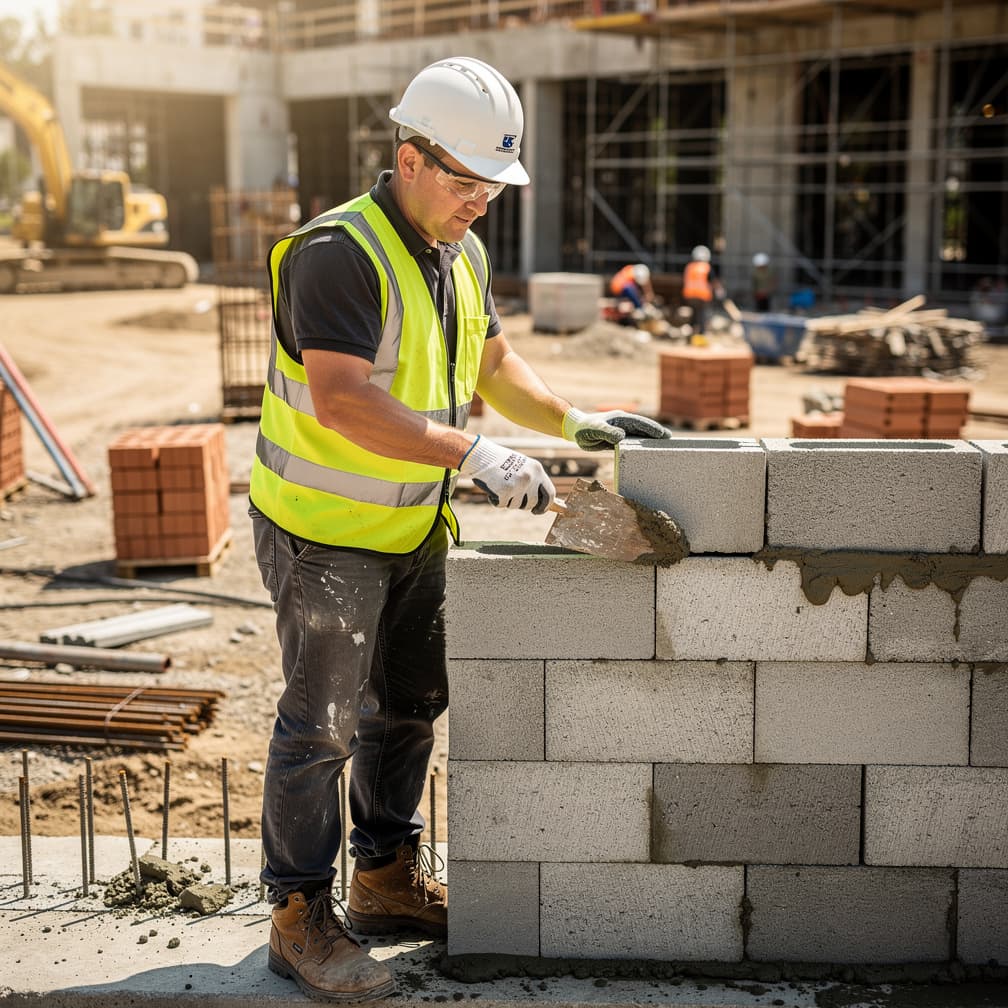

Windshield time is a cost line masonry bids forget, and it is an insurance line too, because Commercial Auto commonly prices off the miles and the loads. Masonry contractor insurance in Anchorage for a crew driving an hour each way looks different than it does for one working a single subdivision. Commercial Auto often runs between $140 and $410 a month for contractors hauling materials, and a flatbed of block behind a half ton truck is a heavier risk than a van of hand tools. Where Anchorage Municipality has only a couple of shops that can fix a wrecked flatbed, downtime stretches, and that week belongs to you rather than to the carrier. Price the whole picture: premium, deductible, and the days you cannot work.
What Makes Anchorage Different
Winter weeks and wet seasons compress a rural masonry calendar into fewer working days than the bid assumed. Fewer days means a crew working harder in the ones available, and rushed work on scaffold is where injuries cluster. That pattern shows up in payroll, in claims, and eventually in what a renewal costs you. Weather also strands equipment: a mixer left at a site an hour outside Anchorage through a wet stretch is a mixer nobody is watching. Long hauls stack up when the good Alaska weather does, putting more miles under loaded trailers in a short window. Seasonal pressure is a risk factor even though no policy names it that way. Plan the season with the insurance conversation already handled, because mid season is when nobody has an hour to spare. A slow month is the right month to read your policy.
Local Risk Factors in Anchorage
Empty sites and closed roads are the practical shape of this hazard for a mason. Access to an Anchorage Municipality job can vanish for a week while the wall sits half-built and exposed, and a partially built structure is more vulnerable than a finished one. Delay of that kind is a contract question, since insurance answers for damage rather than for lost time. Where masonry gets genuinely useful is afterward: rebuilds and hardening work follow an Alaska fire season, and that work brings new customers with different contracts. Read those contracts closely, since a rebuild project can demand General Liability limits well above anything residential work ever asked of you.
What Coverage Does a Masonry Contractor in Anchorage Need?
General Liability
Builders, owners, and permit desks ask for this one by name before a crew mobilizes. It is generally the line for harm your masonry work does to other people and their property: the passerby hurt near scaffold, the cracked driveway, the siding washed with mortar. Redoing your own defective wall typically sits outside it, since faulty workmanship is treated as a cost of the job.
Example: A pallet of block shifts off a barrow and spiders a customer's new driveway; general liability may respond to the repair the owner demands and the argument that follows.
Workers Compensation
Scaffold, heavy units, and long days put your crew a step away from a bad afternoon. This coverage is generally written for employee injuries on the job, handling medical costs and lost wages, and it is rated per unit of payroll rather than per project. It does not answer for the schedule you lose, and rules on who must carry it vary by state.
Example: A helper comes off the second lift while striking joints and breaks a wrist; workers compensation is typically the line that picks up his treatment and the wages he misses.
Commercial Auto
Personal auto policies are written around personal driving, and a truck hauling block for pay is not that. This line generally answers for accidents involving the vehicles your business owns and operates, priced off weight, radius, and driver records. Equipment riding in the bed is usually a separate question, and personal trucks driven by employees raise a hired and non-owned issue worth asking about.
Example: A loaded flatbed takes longer to stop than the driver expected and clips a sedan at a light; commercial auto could pick up the other vehicle and the injury claim behind it.
Tools & Equipment (Inland Marine)
Property coverage tends to sit still; this one travels. Mixers, wet saws, scaffold frames, generators, and hand tools move between Anchorage jobs and get lost, stolen, or damaged in transit, and a schedule of what you own is what prices it. Terms for gear left unattended overnight often differ from terms in transit, which is worth confirming before a loss rather than after one.
Example: The trailer gets emptied overnight at a site and the mixer and saw are gone by the pour; inland marine might cover replacing what your schedule listed.
How Much Does Masonry Contractor Insurance Cost in Anchorage?
Masonry Contractor Insurance is a bundle of separate policies, priced separately. The ranges below are typical figures for Anchorage for each line, except workers compensation, which is rated per $100 of payroll; a quote prices each one against your own operations.
| Coverage | Typical range | What moves your price |
|---|---|---|
| General Liability Insurance | $270 - $800 per month | Industry and risk classification, annual revenue, number of employees |
| Workers Compensation Insurance | $0.75 - $2.74 per $100 of payroll | Employee classification codes, total annual payroll, experience modification rate |
| Commercial Auto Insurance | $270 - $800 per month | Fleet size and vehicle types, driver records and experience, coverage limits and deductibles |
| Inland Marine Insurance | $45 - $180 per month | Total insured value of the scheduled property, type and age of the equipment, where it is stored and how far it travels |
Prices shown are general estimates, not guaranteed rates or quotes. Your actual premium will depend on the insurer, coverage selected, business details, location, claims history, and other underwriting factors. Learn about our pricing methodology.
What Are the Insurance Requirements for a Masonry Contractor in Anchorage?
Workers' comp is generally required once you have your first employee. Alaska generally requires employers to carry workers' compensation at that point. Common exemptions include sole proprietors, working members of LLCs, and unpaid volunteers. Confirm current thresholds with your state's workers' compensation agency before you hire.
State auto liability minimums apply to business vehicles. Alaska's minimum auto liability limits are $50,000/$100,000/$25,000 (bodily injury per person / per accident / property damage). Contracts and lenders often require more than the state floor.
Where to verify licensing and coverage rules. The Alaska Division of Insurance publishes consumer guidance and current insurance requirements for Alaska businesses. When a contract or lease demands specific wording, the Alaska Division of Insurance's guidance is the authoritative place to check.
Get Your Masonry Contractor Quote in Anchorage
Compare rates from multiple carriers. Free quotes, no obligation.
Operating in Anchorage
- Masonry complaints arrive on a delay measured in seasons rather than days. The chimney you rebuilt this spring can produce a water call two winters from now, and what matters then is the coverage in force when the call comes.
- Unloading on a street means cones, spotters, and somebody else's bumper. Damage to a passing vehicle in Anchorage is a claim from a party who never hired you and never agreed to anything.
- Crews reach the site in whatever truck starts, and a personal pickup hauling your block is a business vehicle regardless of whose name is on the title. Hired and non-owned exposure is the piece owners forget until an accident finds it.
- Photographs before and after every job are the closest thing this trade has to a receipt. When an Alaska homeowner blames your wall for a crack the foundation caused, a dated picture is worth more than a good memory.
How to Buy: Advice for Anchorage Owners
Subcontractors change your quote whether you mention them or not. If you hire another crew for stone setting or demolition, uninsured subs typically get counted as your own payroll at audit, and that bill arrives after the job is finished and the money is spent. Collect their certificates before they walk on, keep them on file, and read the dates rather than the logo. Workers Compensation exposure is the piece that hurts here; General Liability is where a sub's mistake can still land as your claim in Anchorage. The Alaska Division of Insurance publishes consumer guidance on contractor coverage requirements. Sort the sub paperwork first, then compare quotes from participating carriers with an audit you will not be surprised by.
FAQ
Masonry Contractor Insurance in Anchorage: FAQ
It extends certain rights under your policy to them, so a claim arising from your work can be defended under your coverage rather than theirs. Builders request it because they want your paper to answer first when your wall is the problem. Delivering it usually takes an endorsement, and ongoing operations status differs from completed operations status. Contracts often demand both, so check which one you agreed to.
That is third-party property damage, and General Liability is the line typically quoted for it. The repair gets priced at the customer's cost to make the driveway whole, which has nothing to do with what you charged for the job. Expensive flatwork sitting beside a modest ticket is why limits deserve a hard look before an Anchorage truck backs in.
Inland Marine is the coverage usually written for equipment that moves between sites, and it might respond to theft, though the terms depend on the schedule and the deductible. Items left unattended can carry conditions worth reading in advance. Small hand tools are often the first things gone and the last things scheduled, so list what you own with serial numbers before you need the list.
Generally no. Redoing your own defective work is treated as a cost of the job rather than an insured loss, and that exclusion sits in most contractor policies. What can respond is the damage your bad work did to something else, such as the finish ruined when a wall failed. Price callbacks into the job, and keep enough retention to handle the ones that arrive.
Because their wall competes with every other job you run. Per occurrence is the most available for one event, such as a single scaffold accident. Aggregate is the ceiling for the whole policy period across all of your work, so a busy season with two settled claims can eat into what a builder assumed was reserved for their project. Some contracts require the aggregate to apply per project, which is a specific request worth confirming before signing.
A personal auto policy is written around personal use, and hauling materials for pay is not that. Commercial Auto is the line generally quoted once a vehicle works for the business, and pricing in Alaska reflects weight, radius, and driver records. If employees run their own trucks to a site, hired and non-owned exposure is the piece most crews forget until somebody rear-ends a car.
Sources
- 1.Alaska Division of Insurance(Alaska Division of Insurance publishes consumer guidance for insurance buyers.)


