







































Updated July 16, 2026

Commercial Truck Insurance in Anchorage
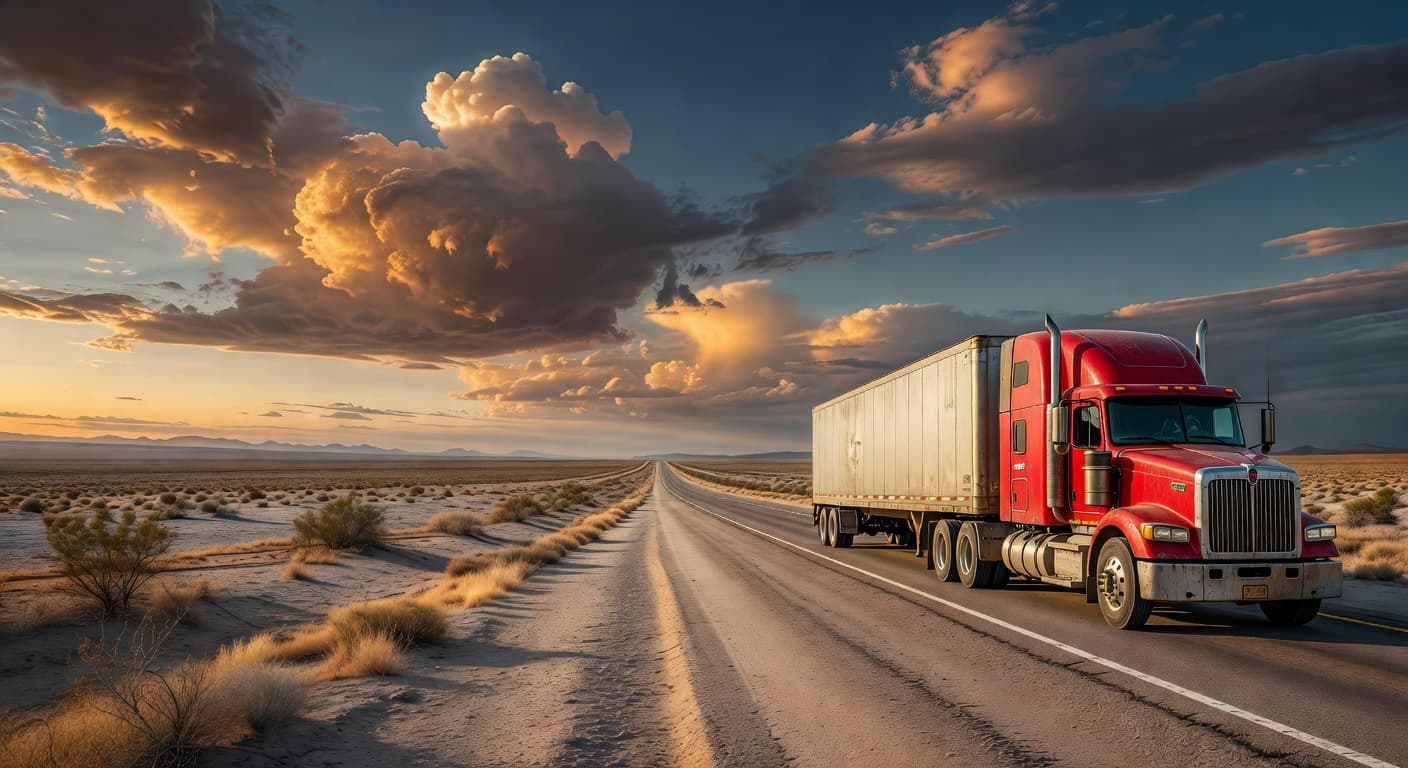
Anchorage operators work in a denser local market than many Alaska trucking businesses. Anchorage Municipality has 8,777 business establishments, so nearly one in ten Alaska businesses is located here. That density means shippers, jobsite customers, and professional clients often expect current certificates and clear limits before a truck rolls. Insuring a vehicle here is really about showing that your operation can meet vendor onboarding, property access rules, and customer insurance requirements without slowing dispatch. Construction deliveries, service calls to offices, and recurring runs tied to health care facilities create different stop patterns than a long rural haul. If your unit moves between municipal streets, commercial parking areas, and customer premises in the same day, your quote should reflect how the truck is used, who drives it, what is loaded, and whether you need filings or higher liability limits to satisfy contracts.
Commercial Truck Insurance Risk Factors in Anchorage
Anchorage's top risk factors include Earthquake damage, Liquefaction risk, Landslide, and Infrastructure failure.
Alaska has a moderate climate risk rating. Top hazards: Earthquake (Very High), Wildfire (High), Avalanche (High), Tsunami (Moderate). The state's expected annual loss from natural hazards is $280M, which influences commercial truck insurance premiums and may affect coverage availability in high-risk areas.
What Commercial Truck Insurance Covers
Commercial truck insurance in Alaska is usually built around several parts that can be adjusted to your operation. Motor carrier liability is the core layer for trucking businesses moving freight, while physical damage helps with repair or replacement after a covered collision or other covered loss. Cargo coverage is available as a separate section designed for goods in transit, which matters when freight spends long hours on Alaska routes or moves through weather-affected corridors. Trailer interchange can matter if you haul trailers under agreement, and bobtail or non-trucking liability may apply when a truck is being used outside dispatched hauling activity.
The regulatory backdrop is the state's general commercial auto minimums, but trucking operations may also need to account for federal rules and shipper or broker requirements that are higher than minimums. That is especially relevant for owner-operators, small fleets, and long-haul carriers that need to match endorsements, limits, and deductibles to the way they operate.
Coverage Included

Motor Carrier Liability
Can help cover injuries and property damage your truck causes to others, a coverage federal regulators require most for-hire carriers to maintain.

Physical Damage
Can help pay to repair or replace your own truck after an accident, fire, theft, or vandalism.
Cargo Coverage
May pay for damage to or theft of the freight you are hauling while it is in your care.
Trailer Interchange
Can help cover damage to trailers you haul under an interchange agreement but do not own.
Bobtail Coverage
May provide liability protection when you drive your tractor without a trailer attached, such as after dropping off a load.

Non-Trucking Liability
Can help cover accidents that happen when you use your truck for personal errands rather than dispatched work.
Commercial Truck Insurance Cost in Anchorage
Average Cost in Alaska
$430 - $1,175
per month
Businesses in Alaska typically see commercial truck insurance premiums of $430 - $1,175 per month, which tends to run 5% above the national range of $400 - $1,125 per month.
- Radius of operation
- Commodities hauled and cargo value
- Number and value of power units
- Driver motor vehicle records and CDL experience
- DOT safety record, inspections, and FMCSA scores
- Liability limits and physical damage deductibles
Contact CPK Insurance for a personalized quote.
Prices shown are general estimates, not guaranteed rates or quotes. Your actual premium will depend on the insurer, coverage selected, business details, location, claims history, and other underwriting factors. Learn about our pricing methodology.
Trucking coverage in Alaska often runs above the national average, reflected in the state premium index of 132, which means owners can expect prices roughly 32% higher than the national baseline. That pricing reflects Alaska's location, climate, and operating conditions, not just the truck itself. Coverage limits and deductibles are a major driver, along with claims history, policy endorsements, industry or risk profile, and where the truck is garaged or mainly operated.
Alaska's loss environment can push pricing in different directions. Carriers may weigh route exposure and seasonal use differently given the state's severe winter storms, flooding, and high earthquake and wildfire risk. Alaska's fatal crash rate is 1.41 compared with the national average of 1.33, meaning carriers see a slightly higher likelihood of severe losses per mile driven. Weather conditions account for 27% of crash causes, so insurers may price liability layers with that exposure in mind. The average claim cost for auto losses is $22,957, meaning a single serious claim can push carriers to price physical damage and liability layers higher.
What Makes Anchorage Different
In the county containing Anchorage, the leading sectors by establishment share are health care and social assistance at 15.9%, professional and technical services at 12.6%, and construction at 10.3%. Roughly four in ten local businesses operate in sectors that typically require formal vendor agreements and insurance review before approving a truck on site. A lot of those customers will not let you on site until your certificate checks out, so your policy structure matters as much as the premium. A contractor moving equipment may need certificates issued quickly for a new site, while a vendor serving clinics may need higher liability limits, additional insured wording where available, or tighter driver controls before access is approved. If your current policy was built for occasional hauling but your book of business now includes repeat commercial accounts, it is worth checking whether your classifications, use radius, trailer setup, and cargo assumptions still match the work you actually do.
Our Recommendation for Anchorage
If most of your revenue comes from contractors, medical vendors, or professional clients, ask for a quote review that matches the contracts and certificates you are already being asked to provide. Anchorage households report median income of $98,152, roughly 24 percent above the national median. Your customer base tends to pay for scheduled service, delivery, and project work, which means missed jobs and delayed replacements can carry real revenue consequences for a small fleet or owner-operator. That makes downtime planning worth discussing alongside liability and physical damage. You should also review who can drive each unit, where trucks are parked after hours, whether personal use ever occurs, and how often you pull trailers or carry tools, materials, or customer property. If your operation has changed over the last year, it is worth asking for a fresh look at stated radius, garaging, vehicle values, and any endorsements tied to loading, unloading, or non-owned equipment before the next certificate request exposes a gap.
Get Commercial Truck Insurance in Anchorage
Enter your ZIP code to compare commercial truck insurance rates from carriers in Anchorage, AK.
Business insurance starting at $25/mo
FAQ
Frequently Asked Questions
Anchorage quotes move faster when you have your vehicle schedule, driver list, garaging address, operating radius, cargo or equipment details, and any customer insurance requirements ready. Local accounts often ask for certificates before work starts, so contract language is worth sharing up front.
Anchorage buyers often see that happen because more than one in five local businesses operates in sectors where formal contracts and higher limit requests are common. You should review requested limits and certificate wording before bidding.
Anchorage underwriting looks different when one truck handles multiple commercial stops, customer premises, and jobsite visits in a day. That operating pattern can affect how you describe use, radius, drivers, trailers, and cargo, which is why a simple renewal can miss changes.
With a high concentration of Alaska businesses in the municipality, local customers frequently have vendor onboarding steps and proof-of-coverage requirements before a truck is dispatched. If you serve commercial accounts, ask how quickly certificates can be issued and whether your policy can support common contract requests.
When a truck is down, the missed revenue from scheduled jobs can hit harder than you might expect. It is smart to review replacement and repair-related options.
In Alaska, it can be built around motor carrier liability, physical damage, cargo coverage, trailer interchange, bobtail coverage, and non-trucking liability insurance. The exact mix depends on whether you run long-haul, regional, or local hauling and whether you use owned or borrowed trailers.
The state's general commercial auto minimums apply, but trucking businesses may need more depending on freight type, contracts, and federal motor carrier rules. Alaska businesses should compare quotes from multiple carriers because requirements can vary by industry and business size.
Your price will vary based on limits, deductibles, claims history, location, industry risk, and endorsements. Alaska's weather exposure, remote routes, and above-average premium index can also influence what you pay for each truck on the policy.
Sources
- 1.U.S. Census Bureau, County Business Patterns, Anchorage Municipality(Anchorage Municipality has 8,777 business establishments, so shippers, jobsite customers, medical vendors, and professional clients often expect current certificates and limits that fit contract language before a truck rolls.; In the county containing Anchorage, the leading sectors by establishment share are health care and social assistance at 15.9%, professional, scientific, and technical services at 12.6%, and construction at 10.3%, so a lot of local truck work connects to customers that operate with formal purchasing, site access, and insurance review processes.)
- 2.U.S. Census Bureau, ACS 5-Year Estimates, table B19013(Anchorage households report median income of $98,152, which supports a customer base that often pays for scheduled service, delivery, and project work, so missed jobs and delayed replacements can carry real revenue consequences for a small fleet or owner-operator.)
Updated July 16, 2026





