Updated July 5, 2026

Dealer Open Lot Insurance in Anchorage
Concentration is the sharpest difference here: dealer open lot insurance in Anchorage often has to account for inventory, lenders, repair vendors, and buyer traffic moving through one dense local market instead of across a wider spread of small communities. That changes how you should review location schedules, temporary storage addresses, and who has care, custody, or control of units during reconditioning or transport. In the county containing Anchorage, there are 8,777 business establishments, so dealers are more likely to work with nearby body shops, detailers, finance offices, and commercial landlords that expect clean proof of coverage before keys move or space is used. A local review should match where vehicles sit overnight, where overflow units go during busy weeks, and whether test-drive, service, and display patterns create gaps between your actual operations and your paperwork. If your inventory turns through multiple hands in the same week, ask for a quote review that maps every routine storage point and handoff, not just the main frontage lot.
Dealer Open Lot Insurance Risk Factors in Anchorage
Anchorage's top risk factors include Earthquake damage, Liquefaction risk, Landslide, and Infrastructure failure.
Alaska has a moderate climate risk rating. Top hazards: Earthquake (Very High), Wildfire (High), Avalanche (High), Tsunami (Moderate). The state's expected annual loss from natural hazards is $280M, which influences dealer open lot insurance premiums and may affect coverage availability in high-risk areas.
What Dealer Open Lot Insurance Covers
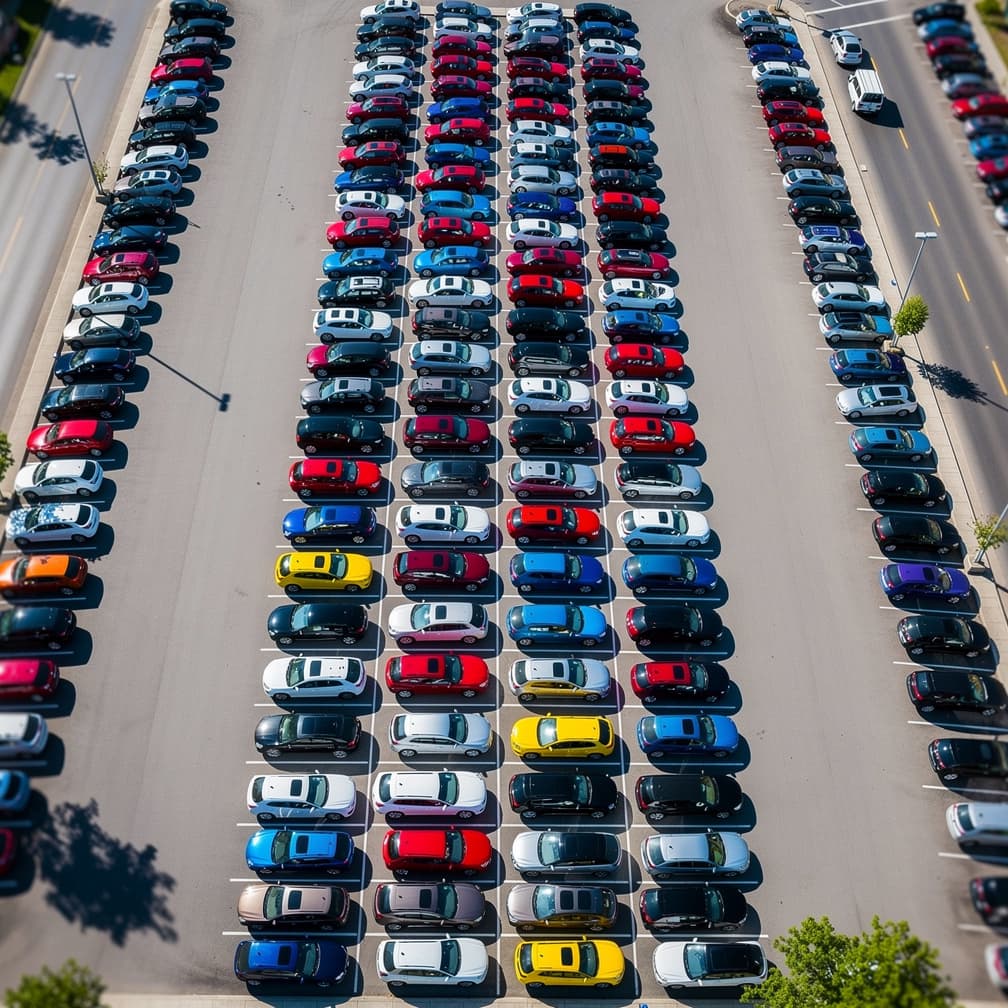
For Alaska dealers, the practical review is less about broad promises and more about where loss can happen across your actual workflow. You may have vehicles parked behind the building after intake, lined up near a service area for reconditioning, stored at a secondary yard when space tightens, or moved to another location for photos, repairs, auction preparation, or seasonal demand. Each of those handling points should be described clearly so the policy matches the way inventory is really managed.
Cold weather operations change the questions worth asking. Units can sit longer while batteries weaken, fluids react to temperature swings, and snow or ice changes how vehicles are parked, accessed, and moved around the property. If your dealership carries trucks, SUVs, powersports units, trailers, or mixed inventory, ask whether any category needs separate attention because storage methods and values differ. The same goes for vehicles awaiting parts, title work, or mechanical inspection before they are ready for sale.
Security procedures matter just as much as physical damage review. Underwriters often want a clear picture of fencing, lighting, camera placement, key control, after-hours access, and who can move vehicles off the lot. If you use overflow storage, document whether it is enclosed, shared, or open to the public. If units are transported between locations, ask how that movement is treated and where another policy may need to respond. In Alaska, the useful coverage conversation gets specific about addresses, storage practices, movement patterns, and responsibility at each step.
Coverage Included

Weather Damage
Covers hail, wind, flood, and storm damage to lot inventory.
Theft Protection
Covers vehicles stolen from your lot.

Fire Damage
Covers fire and explosion damage to inventory vehicles.

Vandalism
Covers intentional damage to vehicles on your lot.
Test Drive Coverage
Covers vehicles during customer and employee test drives.
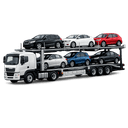
Transit Coverage
Covers vehicles being moved between lot locations.
Industries & Insurance Needs in Anchorage
Commercial mix is what changes demand around a dealership here. In the county containing Anchorage, the leading sectors by establishment share are health care and social assistance at 15.9%, professional, scientific, and technical services at 12.6%, and construction at 10.3%. That matters because your buyer base, vendor relationships, and vehicle use patterns can be less uniform than in a smaller market. Construction buyers may look for pickups and work vans, professional firms may want cleaner late-model fleets, and health care employers may need dependable commuter vehicles for staff. For insurance, that means your lot review should not stop at unit count. Ask whether your carrier application clearly separates retail inventory, work-truck stock, consigned units, and any vehicles staged for commercial buyers, because mixed inventory and mixed use expectations can affect how exposure is evaluated.
What Makes Anchorage Different
Density of business relationships is the main difference. In a smaller Alaska market, a dealer may keep most units in one obvious place with fewer routine handoffs. Here, inventory can move between the sales lot, a recon vendor, a detail shop, a photo location, a lender-required storage area, or an overflow space tied to a lease. That creates more chances for your actual exposure to drift away from the addresses, values, and operating details shown on the policy. The local buying decision is less about adding generic protection and more about tightening the match between your schedule and your daily workflow. If you use outside vendors or borrowed space even occasionally, review whether those locations are disclosed, how newly acquired units are reported, and what documentation you keep when a vehicle leaves the lot. That is usually where a practical quote comparison becomes useful.
Our Recommendation for Anchorage
Start with a location and movement audit before you compare forms. List every place a vehicle can sit overnight, every vendor that takes possession during reconditioning, and every nonstandard storage arrangement you use during busy periods. Then line that up against your current declarations, reporting process, and any lender or landlord insurance requirements. Anchorage households report median income of $98,152, so buyers may shop across a wider mix of late-model personal vehicles, financed units, and higher-value inventory. That makes valuation discipline more important, because underreporting or stale inventory values can create a harder claim conversation after a loss. Ask for a quote review that tests three points: whether your highest-value units are scheduled the way you think they are, whether off-hours storage is documented, and whether your internal process updates the carrier quickly when inventory mix changes.
Get Dealer Open Lot Insurance in Anchorage
Enter your ZIP code to compare dealer open lot insurance rates from carriers in Anchorage, AK.
Business insurance starting at $25/mo
FAQ
Frequently Asked Questions
Anchorage dealers often need a closer review than a single-address assumption allows. In the county containing Anchorage, there are 8,777 business establishments, so vendor handoffs are common enough that you should confirm every routine storage and service location.
Anchorage transactions often involve multiple local counterparties before a unit is sold. Clear proof of coverage matters because leased space, financed inventory, and third-party storage arrangements can all depend on the addresses, values, and operations shown on your policy.
Anchorage commercial inventory deserves separate attention when your stock serves different buyer types. County business mix includes construction at 10.3% of establishments, so ask your agent to distinguish work-truck inventory from standard retail units during underwriting.
Anchorage buyer demand can support a broader range of financed and late-model vehicles. With median household income at $98,152, it is smart to review whether your reported values still match the actual mix and replacement cost of units on hand.
Alaska dealers often do if vehicles for sale are kept at a secondary address, even temporarily. The key issue is whether that location is clearly disclosed and scheduled so the quote reflects where inventory actually sits overnight.
Movement to a repair or recon vendor is a detail worth documenting before binding, not after a loss. Ask your provider when dealer open lot coverage applies and when another policy may need to respond, so the handling is clear before a claim happens.
Alaska weather can change storage patterns, lot access, and how long vehicles remain unsold or awaiting parts. That makes accurate location schedules, current values, and deductible review more important during the quote process.
Alaska used car dealers often can, but only if the submission clearly lists each storage address and how vehicles are controlled there. A single policy may fit better when the underwriter sees the full operating picture upfront.
Sources
- 1.U.S. Census Bureau, County Business Patterns, Anchorage Municipality(In the county containing Anchorage, there are 8,777 business establishments, so dealers are more likely to work with nearby body shops, detailers, finance offices, and commercial landlords that expect clean proof of coverage before keys move or space is used.; In the county containing Anchorage, the leading sectors by establishment share are health care and social assistance at 15.9%, professional, scientific, and technical services at 12.6%, and construction at 10.3%.)
- 2.U.S. Census Bureau, ACS 5-Year Estimates, table B19013(Anchorage households report median income of $98,152, so buyers may shop across a wider mix of late-model personal vehicles, financed units, and higher-value inventory.)
Updated July 5, 2026