








































Updated July 16, 2026

Inland Marine Insurance in Anchorage
Property managers, lenders, general contractors, and event venues often want proof that your tools, leased equipment, or customer property are insured before they hand over keys, approve a draw, or let work start. Satisfying that request usually means showing a schedule or blanket limit that matches how your property actually moves between a shop, a truck, a temporary job site, and a borrowed or rented location. If you are shopping for inland marine insurance in Anchorage, that practical paperwork matters as much as the policy form itself. A contractor moving laser levels and compact equipment between South Anchorage and Eagle River creates a different documentation need than a business with property that stays at one address. The county containing Anchorage has 8,777 business establishments, which means you have roughly one business for every 43 residents competing for the same contracts and lease terms. Request a quote with your equipment list, your transit pattern, and one sample contract so the coverage can be reviewed against real obligations.
Inland Marine Insurance Risk Factors in Anchorage
The local risk issue is **movement plus temporary custody**. Property is often loaded into vehicles, left at active job sites, staged in shared spaces, or carried into client premises where a loss can interrupt work before a replacement arrives. That matters for inland marine because the coverage review should follow the property's route, not just its purchase price. If your business rotates equipment between a warehouse, a truck bed, and a site for several days, ask whether limits should apply per item, per job, or on a blanket basis. If you borrow, rent, or hold customer property, make that visible in the application so the quote addresses the right exposure. State hazard patterns can also affect how mobile property is stored and transported, so it is worth reviewing packing, tie-down, and overnight storage practices alongside the policy terms instead of treating this as a simple add-on.
Alaska has a moderate climate risk rating. Top hazards: Earthquake (Very High), Wildfire (High), Avalanche (High), Tsunami (Moderate). The state's expected annual loss from natural hazards is $280M, which influences inland marine insurance premiums and may affect coverage availability in high-risk areas.
What Inland Marine Insurance Covers
In Alaska, this coverage is built around property that is mobile, transported, or used away from your permanent business location. That includes tools, contractors equipment, materials in transit, installation projects, and other mobile business property that may be at a job site, in temporary storage, or moving between locations. The core value is that the policy follows the property rather than staying tied to one fixed address. That matters in a state where work may happen in Anchorage, Juneau, remote communities, or seasonal job sites.
The policy form itself is carrier-specific, so the details of what is included or excluded can vary. Your policy may address theft or damage to tools and equipment while gear is away from the main office, handle materials being moved between locations, focus on larger machinery and portable job-site assets, or apply to materials waiting to be installed. Builders risk coverage is often considered when materials are tied to a specific project, especially where weather and site conditions create added exposure.
Because Alaska has high earthquake, wildfire, and avalanche risk, you should ask whether your policy language or endorsements address those exposures for property in transit or at temporary sites.
Coverage Included
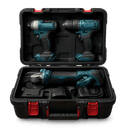
Tools & Equipment
Can help repair or replace hand tools, power tools, and gear that are stolen or damaged on the job or in transit.

Goods in Transit
May cover products, materials, and merchandise while they are being shipped or hauled between locations in your care.
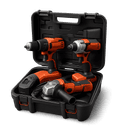
Contractors Equipment
Typically covers heavy machinery like excavators, loaders, and generators against theft or damage at job sites and between them.
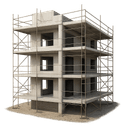
Installation Floater
Can help cover materials and fixtures from the moment you buy them until they are installed and accepted at a project.
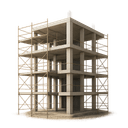
Builders Risk
May cover a structure under construction, along with materials on site, against damage from fire, wind, theft, and vandalism.
Inland Marine Insurance Cost in Anchorage
Average Cost in Alaska
$30 - $120
per month
Businesses in Alaska typically see inland marine insurance premiums of $30 - $120 per month, which tends to run 25% above the national range of $20 - $100 per month.
- Total insured value of the scheduled property
- Type and age of the equipment
- Where it is stored and how far it travels
- Jobsite security and theft prevention
- Per-item limits and deductibles
- Prior theft and in-transit losses
Contact CPK Insurance for a personalized quote.
Prices shown are general estimates, not guaranteed rates or quotes. Your actual premium will depend on the insurer, coverage selected, business details, location, claims history, and other underwriting factors. Learn about our pricing methodology.
Your premium depends on what you move, how far it travels, and where it sits overnight. The average premium range in Alaska starts around $30 per month for basic tools coverage and can reach $120 or more for higher limits, though your actual quote depends on property values, transit patterns, and carrier appetite.
Several Alaska-specific factors can move your cost up or down. Coverage limits and deductibles matter first, because higher limits for tools, equipment, or materials usually increase premium, while a higher deductible can reduce it. Claims history also matters, especially for businesses that have had theft, damage, or repeated losses on job sites. Location is another major factor, where a project in a dense urban area, a remote worksite, or a temporary storage yard may present different risk than a fixed office. Industry risk is important too, as construction, mining support, retail-related delivery, and field service operations may all need different structures. Policy endorsements can also change the price depending on whether you add earthquake-related options, broader transit terms, or expanded installation coverage.
Alaska's broader risk environment helps explain why carriers look closely at the details. The state's exposure to earthquakes, wildfires, avalanches, and severe winter weather means underwriters pay close attention to where your property travels and how long it sits at temporary locations.
Industries & Insurance Needs in Anchorage
The county business mix changes who should look closely at this coverage. In the county containing Anchorage, health care and social assistance account for 15.9% of establishments, professional, scientific, and technical services 12.6%, and construction 10.3%. So the local buyer is not just a builder hauling tools. It can also be a firm moving diagnostic devices, survey gear, testing equipment, cameras, laptops, or client property between offices and field locations. That mix matters because inland marine schedules are stronger when they name the property you actually move and the way you use it. If your operation blends office work with site visits, ask for a quote built around mobile equipment, temporary locations, and property in your care, custody, or control, rather than assuming a standard business personal property setup follows items once they leave your main address.
What Makes Anchorage Different
The right policy is the one that can be explained clearly on a certificate request, tied back to a rental agreement, and matched to the property you actually move. Anchorage households also have a median income of $98,152, which is about 27% above the national figure and signals that local replacement costs for the equipment and client property you handle run higher than typical. Getting item descriptions and serial-number records right before a loss costs less than reconstructing them under claim pressure.
Our Recommendation for Anchorage
Build an inventory that reflects how property actually moves, not how it sits on your books. Start by separating owned tools, rented equipment, leased items, and customer property, then note where each type is usually kept overnight and who has custody during the workday. That gives an underwriter a cleaner picture and helps you avoid a quote that fits only property kept at your main location. From there, pull the insurance language from your most common contracts, especially lease, lender, venue, and subcontract terms, and compare it against the form you are considering. If a certificate request is likely, confirm how quickly changes can be issued and whether item descriptions are specific enough for a third party reviewing them.
Get Inland Marine Insurance in Anchorage
Enter your ZIP code to compare inland marine insurance rates from carriers in Anchorage, AK.
Business insurance starting at $25/mo
FAQ
Frequently Asked Questions
Property managers, lenders, contractors, and venues are common requesters because mobile equipment and materials often enter spaces they control.
How often your items move and how varied the equipment is usually drives the decision. A contractor with three or four high-value pieces may benefit from individual scheduling, while a rotating inventory of hand tools and consumables often fits better under a single blanket figure.
Professional and technical firms represent 12.6% of county establishments, which puts your sector among the top five locally and means dozens of competing firms may face the same offsite-property question. If staff carry specialized electronics, testing gear, or client property offsite, review whether those items should be specifically included.
Construction accounts for 10.3% of county establishments, which translates to roughly 900 construction-related businesses in the area creating overlapping job-site and shared-space demands. Because tools, materials, and rented equipment move between vehicles and sites, contract partners often want proof that mobile property is addressed before work starts.
Health care and social assistance make up 15.9% of county establishments, making it the single largest sector in the borough and a major driver of mobile-equipment demand. With that many providers operating across offices and patient sites, equipment in transit is common enough to plan for. List what travels, where it is kept temporarily, and whether you ever hold customer-owned property.
In Alaska, it may help cover business property that moves between locations, including tools, equipment, building materials, and goods being transported over land. The exact scope depends on the carrier form, but the policy is designed for property away from a fixed address.
It is meant to follow covered property when it is at a job site, in temporary storage, or moving between locations. Because Alaska work often involves remote or changing sites, you should confirm whether the policy includes those storage conditions.
Contractors, electricians, plumbers, landscapers, installers, and any business that regularly moves equipment or materials can benefit. Alaska's construction sector and small-business economy make this especially relevant for owners who cannot absorb a loss of portable property easily.
Sources
- 1.U.S. Census Bureau, County Business Patterns, Anchorage Municipality(The county containing Anchorage has 8,777 business establishments, so certificates and contract insurance requirements come up often enough that you should review them before a bid, lease signing, or equipment rental.; In the county containing Anchorage, health care and social assistance account for 15.9% of establishments, professional, scientific, and technical services 12.6%, and construction 10.3%.)
- 2.U.S. Census Bureau, ACS 5-Year Estimates, table B19013(Anchorage households also have a median income of $98,152, so the equipment and client property moving through homes, offices, and project sites can represent meaningful value, making underdescribed schedules more expensive to fix after a loss than before one.)
- 3.Alaska Division of Insurance(If you have questions about wording or filing standards, the Alaska Division of Insurance is the regulator.)
Updated July 16, 2026





