







































Updated July 5, 2026

On-Hook Towing Insurance in Anchorage
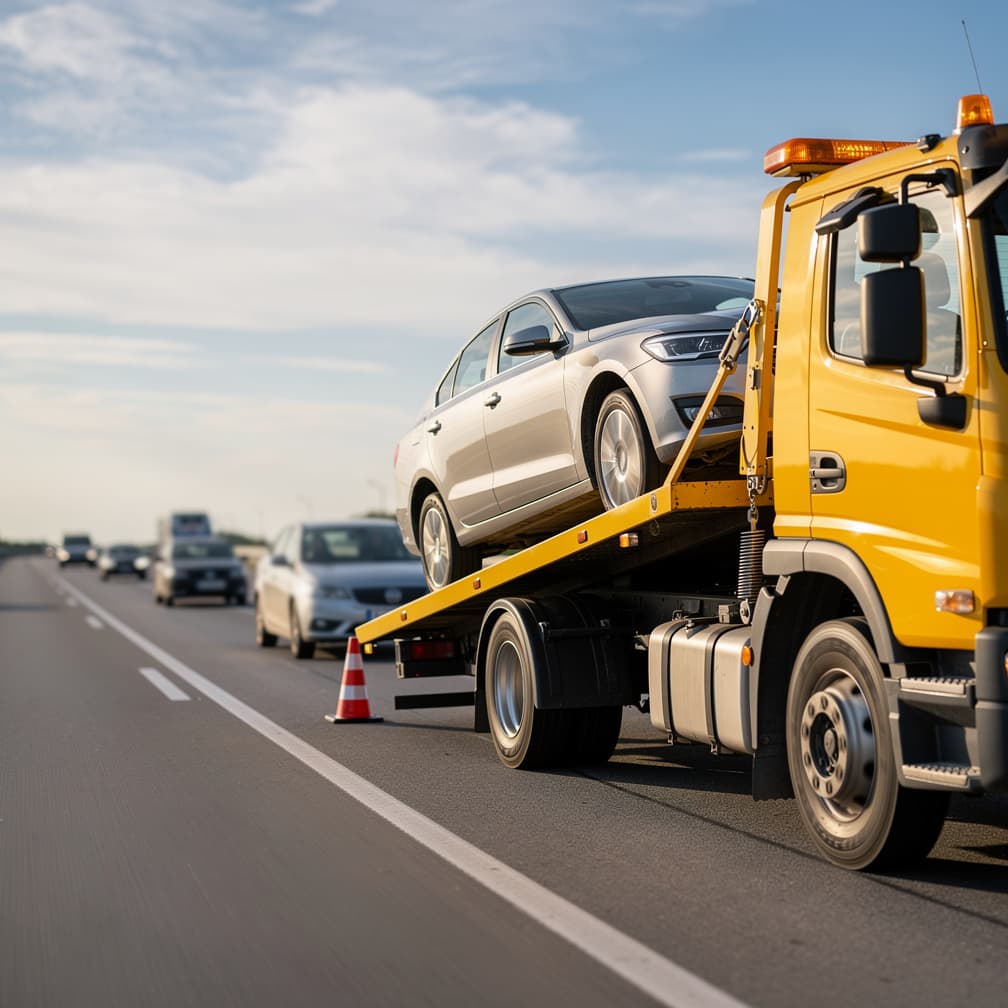
Anchorage towing operators work in a denser commercial market than many Alaska owners expect. County Business Patterns counts 8,777 business establishments in Anchorage Municipality, so property managers, fleets, medical offices, contractors, and professional firms often expect fast certificates, clear limits, and vendors who can document how a vehicle is handled from hookup to drop-off. That is where on-hook towing insurance in Anchorage becomes a practical buying issue, not just a box to check. A local account often turns on whether your dispatch mix stays mostly private property impounds, dealership moves, roadside calls, or light commercial accounts that want tighter paperwork and fewer surprises after a loss. If your truck serves Midtown lots one day and contractor pickups the next, your quote should show that operating pattern clearly. Ask for a review of where vehicles are usually picked up, who authorizes the tow, how keys and condition photos are handled, and whether after-hours storage or handoff procedures could widen a damage dispute. That detail matters here because buyers and referral partners tend to compare towing vendors on documentation as much as response time.
On-Hook Towing Insurance Risk Factors in Anchorage
Anchorage concentrates a lot of vehicle handoffs into a relatively compact service area, and that changes how on-hook claims develop. In a market serving apartment complexes, clinics, office properties, and job sites, disputes often start with condition at pickup, authorization, access constraints, or what happened during a short transfer between locations. Shorter urban tows do not automatically mean simpler losses. They can mean more frequent loading, tighter parking layouts, more bystander scrutiny, and more pressure to move a vehicle quickly without damaging bumpers, drivetrains, wheels, or low-clearance components. For a local quote, ask the agent to review your loading methods, wheel-lift versus flatbed use, photo documentation, dispatch records, and release procedures. If your drivers handle private property work, dealership moves, or contractor vehicles, make sure the policy review matches those handoffs. The goal is to **align on-hook terms** with how damage allegations actually arise here, before a routine tow turns into a contested claim.
Alaska has a moderate climate risk rating. Top hazards: Earthquake (Very High), Wildfire (High), Avalanche (High), Tsunami (Moderate). The state's expected annual loss from natural hazards is $280M, which influences on-hook towing insurance premiums and may affect coverage availability in high-risk areas.
What On-Hook Towing Insurance Covers
In Alaska, the practical review is less about repeating the basic definition of on-hook coverage and more about matching it to the way your jobs actually unfold. A straightforward in-town tow can become a more complicated file if the vehicle is picked up on ice, transferred at a repair facility after hours, or unloaded on a narrow shoulder where traction and visibility change the risk. Your policy review should focus on those operating moments, because that is where disputes over damage often start.
Ask for wording that fits your real towing methods. If you run flatbeds, wheel-lifts, dollies, or winching equipment in the same operation, the quote should reflect that mix instead of assuming one uniform job type. If you handle disabled pickups, SUVs, work vans, or vehicles carrying tools and gear, tell the agent how often each shows up.
You should also review how the policy interacts with the rest of your towing program. A claim involving a customer vehicle can overlap with questions about storage, garagekeepers, general liability, or physical damage to your own truck, depending on what happened before and after the tow. That is especially important if your operation moves vehicles between roadside pickup, temporary lot storage, and a repair shop in one chain of custody.
Alaska buyers should be especially careful with exclusions tied to recovery work, unattended vehicles, specialty units, or jobs outside the normal dispatch area. If a large share of your work comes from difficult recoveries or long-distance transport, ask the agent to walk through sample claim scenarios before committing to a policy. That gives you a cleaner picture of what is being insured, what needs endorsement review, and where a gap could still remain.
Coverage Included
Collision on Hook
Covers damage to towed vehicles from collisions during transport.
Comprehensive on Hook
Covers theft, fire, and weather damage to vehicles being towed.
Loading & Unloading
Covers damage during the process of loading and unloading vehicles.
Winching Coverage
Covers damage to vehicles during winching and recovery operations.
Multiple Vehicle
Covers all vehicles on multi-car carriers and rollback flatbeds.
Industries & Insurance Needs in Anchorage
The county business mix around Anchorage changes who calls your trucks and what they expect after a loss. County Business Patterns shows health care and social assistance at 15.9% of establishments, professional, scientific, and technical services at 12.6%, and construction at 10.3%, so a towing operator may serve everything from clinic parking enforcement to office properties and contractor vehicle moves in the same book of business. That matters because each client type tends to care about different details: documented authorization, careful handling, predictable release procedures, or proof that a damaged work vehicle claim can be traced cleanly. If your dispatches come from several of those sectors, ask for an on-hook review built around account mix, not just truck count. A policy that fits private passenger roadside work may need a closer look once you add commercial pickups, site access constraints, or higher-value service relationships where one disputed tow can threaten a referral source.
What Makes Anchorage Different
Density is what changes the calculus here. The state page already covers Alaska route and terrain issues, but Anchorage stands out because a large share of towing work can be won or lost on repeat commercial relationships inside one concentrated market. With 8,777 establishments in Anchorage Municipality, there are enough landlords, clinics, offices, and contractors in the county that your insurance presentation becomes part of your sales process. A prospect may not ask abstract coverage questions. They may ask whether you carry on-hook limits that fit the vehicles you move, whether claims are documented cleanly, and whether certificates can be turned around without delay. That means your buying decision is less about generic towing language and more about matching coverage to dispatch sources and handoff procedures. If your revenue depends on property accounts or commercial referrals, review how your policy responds to alleged damage during loading, transport, unloading, and temporary custody. Here, operational clarity can matter as much as the premium.
Our Recommendation for Anchorage
Start with your dispatch mix, then build the quote outward. If most calls come from private property managers, dealerships, clinics, or contractor accounts, list those sources separately instead of describing the operation in broad terms. That gives the underwriter a cleaner picture of how vehicles come into your care and where a damage allegation is most likely to start. Anchorage also has relatively strong household purchasing power, with median household income at $98,152, so owners may be more likely to challenge damage, diminished condition, or handling issues on newer vehicles rather than simply absorb a loss. Ask to review on-hook limits against the kinds of vehicles you actually tow, not the ones you towed last year. It is also worth checking whether your documentation routine supports the policy you are buying: intake photos, authorization records, key control, lot condition notes, and release logs. If any of that is informal today, tighten it before you request a fresh quote.
Get On-Hook Towing Insurance in Anchorage
Enter your ZIP code to compare on-hook towing insurance rates from carriers in Anchorage, AK.
Business insurance starting at $25/mo
FAQ
Frequently Asked Questions
Anchorage operators should describe where calls come from, such as property managers, clinics, contractors, or roadside dispatch, because that mix changes how a vehicle comes into your care and where an on-hook damage dispute is most likely to start.
Anchorage Municipality has 8,777 business establishments, so local towing vendors often work for commercial accounts that expect certificates, documented procedures, and clear claim handling before they send repeat work.
Anchorage commercial accounts can change the review because clinic, office, and contractor vehicles often involve stricter authorization, access, and documentation expectations than a simple roadside tow. Ask for terms that match those handoffs.
Anchorage Municipality is led by health care and social assistance at 15.9%, professional and technical services at 12.6%, and construction at 10.3%, so towing operators should expect a mix of parking, fleet, and job-site related service requests.
Anchorage policies are regulated at the state level by the Alaska Division of Insurance. If you are comparing forms or endorsements, keep the focus on how each option matches your actual towing and vehicle handoff procedures.
Longer, more remote, or more difficult runs can increase the chance of a severe claim, so pricing reflects that reality. When you request a quote, describe where your trucks actually operate so the policy is built around your real dispatch territory.
Alaska tow companies should disclose recovery work early because it can be underwritten differently from routine roadside towing or scheduled transport. If recovery jobs are part of your week, ask how they are classified before committing to a policy.
Alaska insurance policies are regulated by the Alaska Division of Insurance. That matters when you review forms, endorsements, and complaint procedures, so confirm the issuing insurer and policy paperwork before you choose between quotes.
Sources
- 1.U.S. Census Bureau, County Business Patterns, Anchorage Municipality(County Business Patterns counts 8,777 business establishments in Anchorage Municipality.; County Business Patterns shows health care and social assistance at 15.9% of establishments, professional, scientific, and technical services at 12.6%, and construction at 10.3%.)
- 2.U.S. Census Bureau, ACS 5-Year Estimates, table B19013(Anchorage has median household income at $98,152.)
- 3.Alaska Division of Insurance(Anchorage policies are regulated at the state level by the Alaska Division of Insurance.)
Updated July 5, 2026





