







































Updated July 10, 2026

Donut Shop Insurance in Alaska
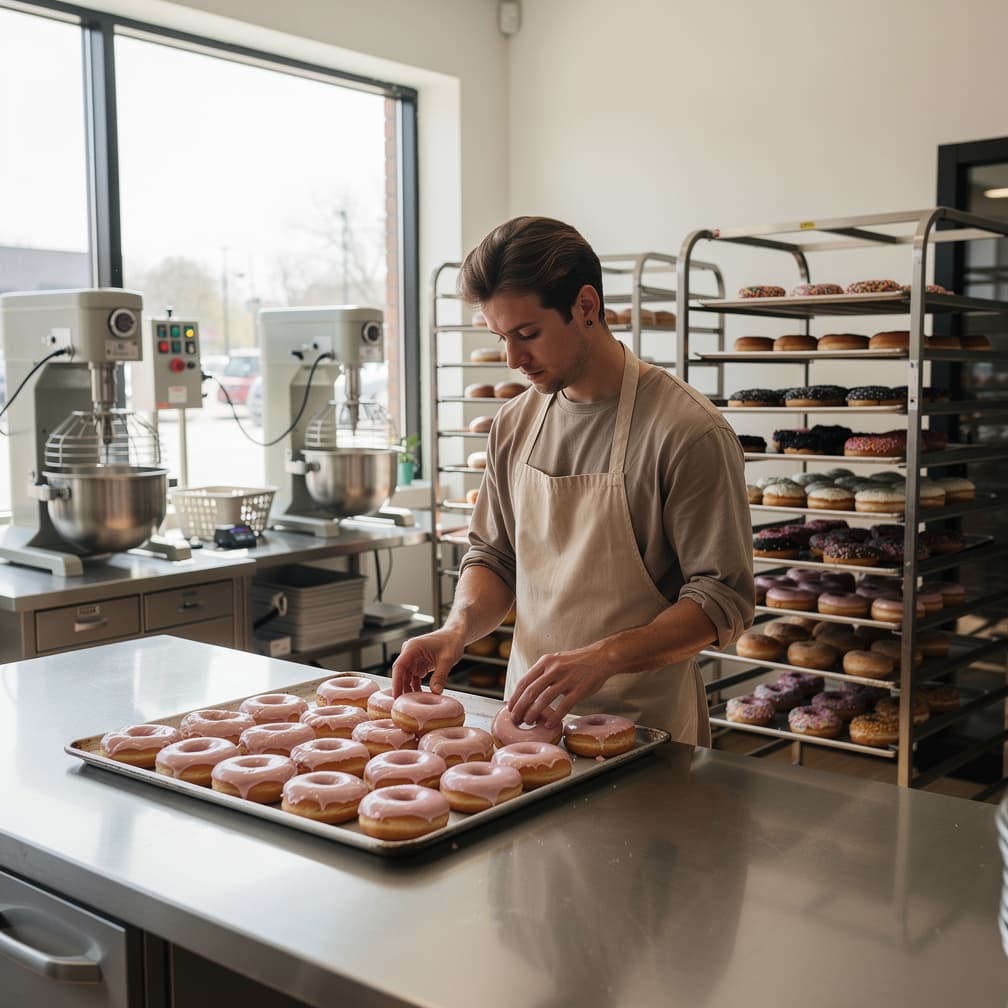
A donut shop in Alaska has to plan for more than morning rushes and full display cases. The mix of hot equipment, customer traffic, cold weather, and location-specific property risks can change what a policy needs to do. A donut shop insurance quote in Alaska is usually built around liability coverage, property coverage, and workers' compensation, with attention to equipment, inventory, and business interruption if a covered loss shuts the shop down. That matters whether you run a downtown donut shop, a strip mall donut shop, or a drive-thru donut shop. Alaska also stands out because workers' compensation is required for businesses with 1 or more employees, and many commercial leases expect proof of general liability coverage. On top of that, earthquake, wildfire, and storm damage can affect building damage and operations in ways that a standard small business policy needs to address. If your shop relies on fryers, mixers, coolers, and quick customer flow, the goal is to request coverage that fits the space, the staff, and the way the shop actually runs.
Climate Risk Profile
Natural Disaster Risk in Alaska
Understanding climate-related risks helps determine appropriate insurance coverage levels.
Earthquake
Very High
Wildfire
High
Avalanche
High
Tsunami
Moderate
Expected Annual Loss from Natural Hazards
$280M
estimated economic loss per year across Alaska
Source: FEMA National Risk Index
Risk Factors for Donut Shop Businesses in Alaska
- Alaska earthquake risk can create building damage, inventory loss, and business interruption for a donut shop with ovens, fryers, and refrigerated ingredients.
- Wildfire exposure in Alaska can lead to smoke-related property damage, theft, and temporary closure for a downtown donut shop, strip mall location, or corner bakery and donut shop.
- Avalanche and tsunami risk in parts of Alaska can disrupt customer traffic, delivery access, and property coverage needs for a shopping center donut shop or drive-thru donut shop.
- Cold-weather storms and storm damage can affect roofs, entrances, and equipment, increasing the need for commercial property insurance for donut shops in Alaska.
- Busy counters, hot equipment, and foot traffic can raise slip and fall, customer injury, and bodily injury exposure for general liability for donut shops in Alaska.
How Alaska compares with the national baseline
Property crime per 100,000 residents
3,142 vs 2,200 baseline
Property crime in Alaska runs above the national average, at 3,142 vs 2,200 incidents per 100,000 residents.
Blue bar: Alaska. Gray line: national baseline.
How Much Does Donut Shop Insurance Cost in Alaska?
Donut Shop Insurance is a bundle of separate policies, priced separately. The ranges below are typical figures for Alaska for each line, except workers compensation, which is rated per $100 of payroll; a quote prices each one against your own operations.
| Coverage | Typical range | What moves your price |
|---|---|---|
| General Liability Insurance | $70 - $200 per month | Industry and risk classification, annual revenue, number of employees |
| Commercial Property Insurance | $120 - $370 per month | Building value and construction type, roof age and condition, fire protection class |
| Workers Compensation Insurance | $0.75 - $2.74 per $100 of payroll | Employee classification codes, total annual payroll, experience modification rate |
| Business Owners Policy Insurance | $150 - $380 per month | Annual revenue and industry class, building and contents values, square footage and building age |
Prices shown are general estimates, not guaranteed rates or quotes. Your actual premium will depend on the insurer, coverage selected, business details, location, claims history, and other underwriting factors. Learn about our pricing methodology.
What Alaska Requires for Donut Shop Insurance
Non-compliance can result in fines, loss of contracts, and personal liability:
- Workers' compensation is required in Alaska for businesses with 1 or more employees, with listed exemptions for sole proprietors, working members of LLCs, and unpaid volunteers.
- Alaska businesses may need to maintain proof of general liability coverage for most commercial leases, which makes coverage documentation important before signing or renewing a location.
- Commercial auto minimum liability in Alaska is $50,000/$100,000/$25,000 if the donut shop uses a vehicle for deliveries, supply runs, or other business driving.
- Coverage choices should account for Alaska Division of Insurance oversight and the shop’s risk profile, including property coverage, liability coverage, and bundled coverage options.
- A quote request should be prepared to show the shop’s location type, equipment, inventory, and employee count so the insurer can match required workers' compensation and property coverage needs.
| Requirement | What Alaska law says |
|---|---|
| Auto liability minimums | $50,000/$100,000/$25,000 (bodily injury per person / per accident / property damage). These floors apply to personal and business vehicles alike; lenders and contracts often require more. |
| Workers compensation | Generally required once you have your first employee. Some roles are exempt, so confirm current thresholds before you hire. |
| Where to verify | Alaska Division of Insurance publishes current requirements, consumer guides, and license lookups. |
Get Your Donut Shop Insurance Quote in Alaska
Compare rates from multiple carriers. Free quotes, no obligation.
Common Claims for Donut Shop Businesses in Alaska
A customer slips near the entrance of a downtown donut shop on a wet Alaska day and the shop faces a customer injury claim and legal defense costs.
An earthquake causes building damage and equipment damage at a strip mall donut shop, leading to inventory loss and a temporary closure.
A fryer or cooler fails during a busy morning rush at a corner bakery and donut shop, interrupting sales and forcing the owner to replace product and repair equipment.
Preparing for Your Donut Shop Insurance Quote in Alaska
Employee count, job duties, and whether the shop has 1 or more employees for workers' compensation review
Location details such as downtown, shopping center, strip mall, main street, or drive-thru setup
A list of equipment and inventory, including fryers, mixers, coolers, display cases, and any other business equipment
Lease requirements, current coverage limits, and whether you want bundled coverage such as a business owners policy
Coverage Considerations in Alaska
- General liability for donut shops in Alaska to help with third-party claims, bodily injury, property damage, and advertising injury
- Commercial property insurance for donut shops in Alaska to help protect the building, equipment, and inventory from fire risk, theft, storm damage, vandalism, and earthquake-related property damage where available
- Workers' compensation for donut shops in Alaska when the shop has 1 or more employees, including support for medical costs, lost wages, and rehabilitation after workplace injury
- Equipment breakdown coverage for donut shops in Alaska to help with fryer, mixer, cooler, or other equipment failures that can interrupt production
What Happens Without Proper Coverage?
The fryer line is the exposure that separates a donut shop from ordinary retail. Hot oil, gas or high-amp electric equipment, and grease-laden ventilation create genuine fire potential, and a flare-up that damages the hood system can close the kitchen even when the dining area is untouched. Because everything you sell is produced on site each morning, there is no selling through old stock while repairs happen; production stops, and revenue stops with it.
Spoilage is the quieter cousin of that risk. A cooler failure or an overnight power event can cost you cases of ingredients and a morning of product before anyone unlocks the door, and repeated small losses like that add up across a year. Asking how a policy treats refrigeration breakdown and spoilage is one of the highest-value questions a shop owner can raise during quoting.
The morning rush concentrates the liability picture into about three hours. Lines form, floors collect drips and crumbs faster than staff can respond, and customers juggle hot coffee, boxes, and phones on the way out the door. An injury claim from that window carries medical costs and legal defense, and it lands hardest when it strains a relationship with a landlord who also holds your lease renewal.
Staffing completes the argument. Pre-dawn crews work tired, around heat and repetition, and a burn or lifting injury takes out a producer your morning cannot run without. Add the practical gates, landlord certificates, catering contract requirements, and the case for a coordinated program rather than piecemeal policies makes itself.
Recommended Coverage for Donut Shop Businesses
Based on the risks and requirements above, donut shop businesses need these coverage types in Alaska:

General Liability
Essential coverage for every business, protect against third-party bodily injury, property damage, and advertising claims.

Commercial Property
Safeguard your business property, equipment, and inventory against damage and loss.

Workers Compensation
Help cover your employees' medical expenses and lost wages for work-related injuries and illnesses.

Business Owners Policy
Bundle property and liability coverage into one convenient, cost-effective policy for small businesses.
Donut Shop Insurance by City in Alaska
Insurance needs and pricing for donut shop businesses can vary across Alaska. Find coverage information for your city:
Insurance Tips for Donut Shop Owners
Review your lease before requesting a quote, because landlords often set liability terms, property responsibilities, and insurance wording that should be matched before you sign or renew.
Build commercial property limits from your actual kitchen and front-of-house investment, including fryers, mixers, proofers, refrigeration, display cases, counters, and tenant improvements.
Separate customer traffic patterns from kitchen operations during the quote review, because a counter-only shop, a seating area, and a drive-thru create different liability concerns.
Use current payroll and job duties for workers' compensation, especially if managers bake, clean, unload supplies, or rotate into production during morning rushes.
Ask how deductibles affect your ability to reopen after a fryer fire, break-in, or storm loss, because the lowest premium can leave too much repair cost in your hands.
Revisit your policy when you add coffee service, expand hours, open another location, or remodel the space, since each change can alter property values and liability exposure.
FAQ
Frequently Asked Questions About Donut Shop Insurance in Alaska
A quote often starts with general liability, commercial property insurance, workers' compensation when required, and sometimes a business owners policy. For an Alaska donut shop, that can help address bodily injury, property damage, building damage, equipment, inventory, and business interruption depending on the policy terms.
Donut shop insurance cost in Alaska varies based on location, employee count, equipment, inventory, lease requirements, and the coverage limits you choose. The state average premium range provided is $97 to $363 per month, but your quote can differ based on the shop’s specific risk profile.
If the shop has 1 or more employees, workers' compensation is required. Many commercial leases also ask for proof of general liability coverage. If the shop uses a vehicle for business, Alaska’s commercial auto minimums apply.
It can, depending on the policy. Commercial property insurance may help with damage to equipment and inventory, and equipment breakdown coverage can be added to address certain mechanical failures involving fryers, mixers, or coolers.
Yes. Many owners ask for bundled coverage so the policy can address general liability, commercial property, and workers' compensation together. That is often useful for a small business with hot equipment, customer traffic, and a staffed kitchen.
The core four are general liability, commercial property, workers' compensation, and often a business owners policy bundling the first two. Your lease, equipment investment, staffing, and format, counter service, drive-thru, or multiple locations, determine the final structure.
Yes, almost without exception. Customers move through tight spaces carrying hot drinks and boxes during a concentrated morning rush, and the coverage can help respond to third-party claims for bodily injury, property damage, and slip-and-fall incidents that grow out of that traffic.
Through commercial property coverage or a business owners policy, depending on how the program is built. List the major equipment, check limits against replacement cost, and ask specifically how equipment breakdown and refrigeration spoilage are treated, because downtime is the real cost.
Updated March 31, 2026