







































Updated July 10, 2026

Golf Coach Insurance in Alaska
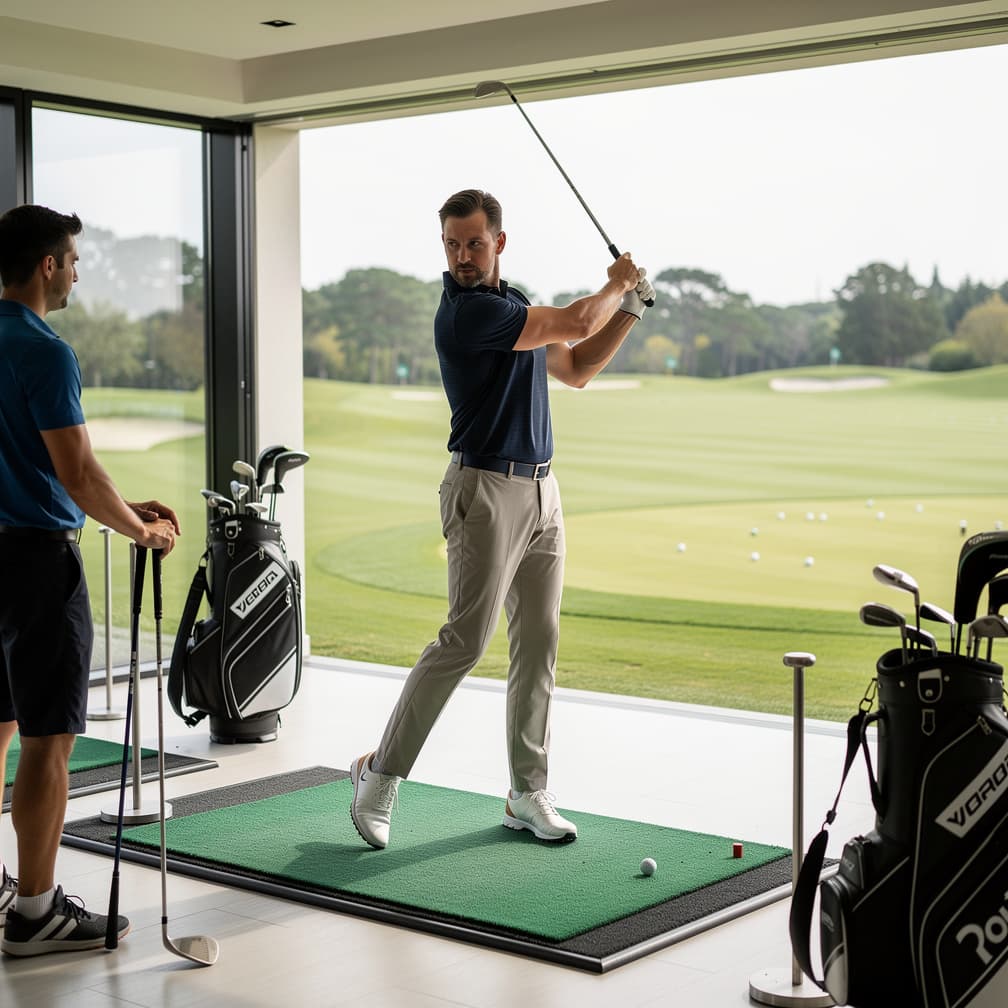
A golf coach in Alaska has to think beyond lesson plans and range time. Weather shifts, icy walkways, coastal exposure, and seasonal access issues can all affect how and where you teach. A golf coach insurance quote in Alaska should reflect the reality that a lesson may happen at an indoor simulator, a local course, a rented practice bay, or a temporary teaching area with different liability and property exposures. That means it helps to compare protection for bodily injury, property damage, customer injury, and professional errors, not just one generic policy. If you coach solo, work with a small staff, or teach through a golf coaching business, the right quote should also fit your equipment, your facility arrangement, and whether you need proof of coverage for a lease. Alaska’s market and climate can make these details matter more, especially when a bad landing shot, an icy path, or a storm-related closure turns a normal lesson day into a claim or interruption issue.
Risk Factors for Golf Coach Businesses in Alaska
- Alaska earthquake exposure can interrupt golf lessons, damage indoor training space, and trigger building damage or business interruption claims.
- Wildfire conditions in Alaska can lead to property damage, inventory loss, and temporary closure for golf coaching businesses that rely on rented or owned facilities.
- Avalanche and other severe winter conditions can limit access to ranges or teaching locations, increasing the chance of business interruption and customer injury during travel to lessons.
- Tsunami risk in coastal Alaska can affect clubs, lesson facilities, and stored equipment, making property coverage and continuity planning more important.
- Slip and fall exposures can rise on icy parking lots, walkways, and entry areas around lesson sites, creating customer injury and third-party claims.
- Stray-shot incidents during instruction can create bodily injury or property damage claims, especially when lessons are held near homes, vehicles, or other golfers.
How Alaska compares with the national baseline
Property crime per 100,000 residents
3,142 vs 2,200 baseline
Property crime in Alaska runs above the national average, at 3,142 vs 2,200 incidents per 100,000 residents.
Blue bar: Alaska. Gray line: national baseline.
How Much Does Golf Coach Insurance Cost in Alaska?
Golf Coach Insurance is a bundle of separate policies, priced separately. The ranges below are typical figures for Alaska for each line; a quote prices each one against your own operations.
| Coverage | Typical range | What moves your price |
|---|---|---|
| General Liability Insurance | $60 - $170 per month | Industry and risk classification, annual revenue, number of employees |
| Professional Liability Insurance | $40 - $140 per month | The services you actually perform, annual revenue or billed fees, limit and retention selected |
| Commercial Property Insurance | $55 - $180 per month | Building value and construction type, roof age and condition, fire protection class |
| Business Owners Policy Insurance | $90 - $260 per month | Annual revenue and industry class, building and contents values, square footage and building age |
Prices shown are general estimates, not guaranteed rates or quotes. Your actual premium will depend on the insurer, coverage selected, business details, location, claims history, and other underwriting factors. Learn about our pricing methodology.
What Alaska Requires for Golf Coach Insurance
Non-compliance can result in fines, loss of contracts, and personal liability:
- Workers' compensation is required for businesses with 1+ employees in Alaska, with exemptions for sole proprietors, working members of LLCs, and unpaid volunteers.
- Alaska businesses often need proof of general liability coverage for most commercial leases, so a golf coach may need that documentation before signing a facility or studio rental agreement.
- Commercial auto liability minimums in Alaska are $50,000/$100,000/$25,000 if a business vehicle is used for coaching-related travel or equipment transport.
- Coverage choices should account for general liability coverage and professional liability for instruction-related client claims, since golf coaching can involve both bodily injury and professional errors or omissions.
- Commercial property or business owners policy options may be important if the coach stores equipment, training aids, or inventory in a rented bay, office, or indoor practice space.
- Quote requests should be prepared to match the business structure, since solo instructors, working LLC members, and multi-instructor golf coaching businesses may need different policy setups.
| Requirement | What Alaska law says |
|---|---|
| Auto liability minimums | $50,000/$100,000/$25,000 (bodily injury per person / per accident / property damage). These floors apply to personal and business vehicles alike; lenders and contracts often require more. |
| Workers compensation | Generally required once you have your first employee. Some roles are exempt, so confirm current thresholds before you hire. |
| Where to verify | Alaska Division of Insurance publishes current requirements, consumer guides, and license lookups. |
Get Your Golf Coach Insurance Quote in Alaska
Compare rates from multiple carriers. Free quotes, no obligation.
Common Claims for Golf Coach Businesses in Alaska
A student slices a shot during a lesson and damages a parked vehicle near the practice area, leading to a property damage claim.
A client slips on an icy walkway outside an indoor training facility in Alaska and files a customer injury claim.
A golf coach gives instruction at a rented facility, and the client alleges the coaching guidance caused a loss, creating a professional errors or omissions claim.
Preparing for Your Golf Coach Insurance Quote in Alaska
Your business structure, including whether you are a sole proprietor, working LLC member, or multi-instructor golf coaching business.
Where you teach in Alaska, such as outdoor ranges, indoor simulators, rented bays, or leased practice spaces.
A list of equipment and inventory you use or store, including any high-value training tools.
Any lease or contract requirements, especially if you need proof of general liability coverage or specific policy limits.
Coverage Considerations in Alaska
- General liability coverage for bodily injury, property damage, slip and fall, and third-party claims connected to lesson sites.
- Professional liability for golf coaches to address client claims, professional errors, and omissions tied to instruction.
- Commercial property or business owners policy protection for equipment, inventory, and building damage if you own or lease a training space.
- Business interruption support to help with lost income after wildfire, earthquake, storm damage, or another covered closure event.
What Happens Without Proper Coverage?
Golf instruction concentrates risk in ways casual observers miss: you put a club in a beginner's hands, stand inside their swing radius, and share the range with people who are not watching your lesson. A club that slips mid-swing or a student who loses balance during a weight drill can hurt someone in seconds, and the facility's insurance is written for the facility, not for your independent business.
The advice path is slower but just as real. Swing changes load the body differently, and a student with a sore back or a stalled competitive season can decide your program was the cause. Claims like that turn on lesson plans, screening questions, and what you knew about the student's history, so the professional side of your coverage should match how you actually coach, including juniors and players returning from injury.
Coverage also works as a business credential. Clubs, academies, school programs, and event organizers ask for proof before they hand over range time, and growth adds equipment that would be expensive to replace mid-season. Build the quote around your lesson formats, locations, equipment, and staffing before the next clinic or facility renewal, because options narrow quickly once a complaint or contract issue appears.
Recommended Coverage for Golf Coach Businesses
Based on the risks and requirements above, golf coach businesses need these coverage types in Alaska:

General Liability
Essential coverage for every business, protect against third-party bodily injury, property damage, and advertising claims.

Professional Liability
Protect your business from claims of negligence, errors, and omissions in your professional services.

Commercial Property
Safeguard your business property, equipment, and inventory against damage and loss.

Business Owners Policy
Bundle property and liability coverage into one convenient, cost-effective policy for small businesses.
Golf Coach Insurance by City in Alaska
Insurance needs and pricing for golf coach businesses can vary across Alaska. Find coverage information for your city:
Insurance Tips for Golf Coach Owners
Separate your lesson formats during the quote process, because private instruction, junior clinics, camps, and on course playing lessons can create different liability and supervision issues.
Ask each facility where you teach for its insurance requirements in writing, then compare those contract terms against your policy before you schedule paid lessons.
Review professional liability wording carefully if your business centers on swing analysis, training plans, competitive coaching, or return to play instruction after a prior injury.
List all business property you rely on, including launch monitors, cameras, laptops, training aids, signage, and merchandise, so your property limits match replacement needs.
If you lease a studio, simulator room, or dedicated teaching bay, ask how the policy treats your improvements, your contents, and damage claims involving nonowned premises.
State whether you use employees, assistant coaches, or independent instructors, because staffing structure can change how your operation is classified and underwritten.
Compare a standalone general liability and professional liability approach against a business owners policy if you maintain a fixed location with business property on site.
FAQ
Frequently Asked Questions About Golf Coach Insurance in Alaska
Most golf coaches should start with general liability coverage and professional liability for instruction-related claims. If you store equipment or teach from a leased space, commercial property or a business owners policy may also matter. The right mix depends on whether you coach solo or run a golf coaching business.
Pricing varies based on your lesson locations, equipment, revenue, number of instructors, prior claims, and whether you need bundled coverage. Alaska’s market conditions and the type of space you teach from can also affect the quote.
If you have 1 or more employees, workers' compensation is required unless an exemption applies. Many commercial leases also ask for proof of general liability coverage. If you use a business vehicle, Alaska’s commercial auto minimums apply.
It can, but the policies are different. General liability is typically used for bodily injury, property damage, and slip and fall claims, while professional liability is aimed at client claims tied to instruction, professional errors, or omissions.
Yes. A quote can be built for a solo swing coach, a golf pro working independently, or a multi-instructor golf coaching business. The best fit depends on your staff count, venues, equipment, and whether you need bundled coverage.
Golf coaches often need their own liability insurance when teaching at a range or course because the facility may require a certificate before allowing paid instruction. Review the instructor agreement, confirm any additional insured request, and make sure your policy matches independent coaching work.
Professional liability insurance for golf coaches can help with claims tied to your instruction, supervision, or coaching advice rather than a simple accident on the premises. If a client alleges your lesson plan caused harm or failed to deliver the promised service, this coverage is worth reviewing.
Yes, launch monitors, video equipment, training aids, office contents, and other business property can be insured through commercial property insurance or a business owners policy. The key step is listing what you own and where you keep or use it.
Updated March 31, 2026