







































Updated July 5, 2026

Dealer Open Lot Insurance in Fairbanks
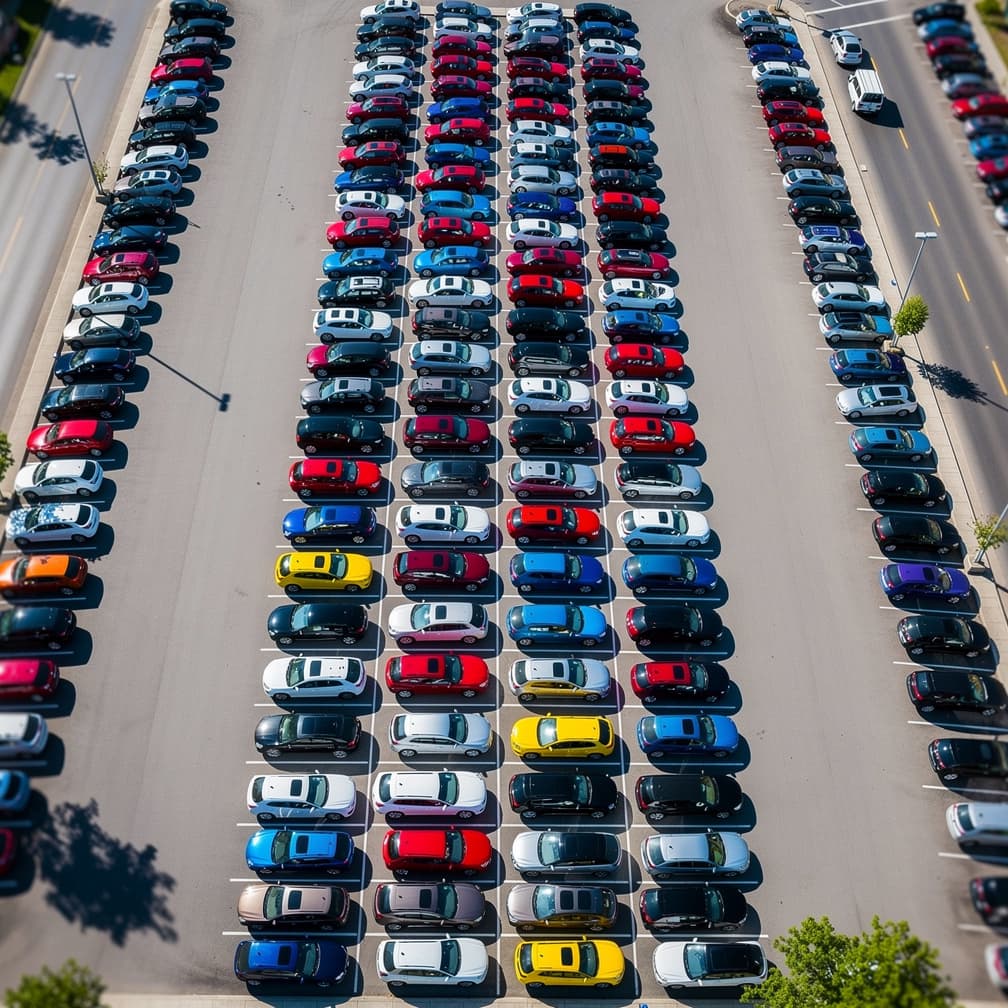
A smaller market changes how you shop for dealer open lot insurance in Fairbanks. You usually have fewer local underwriting appetites to work with, so the quality of your submission matters more: current inventory values, where units are parked overnight, how often they shift between display, service, and overflow space, and how quickly you can produce photos and location details when a carrier asks. In a place where business relationships travel fast, lenders, floorplan sources, landlords, and auction partners often want clean proof of coverage before they are comfortable with stored inventory or shared space arrangements. That makes timing part of the buying decision, not just price. You are not shopping a generic lot exposure here. You are showing an underwriter how a local operation actually handles keys, fencing, lighting, transport between addresses, and seasonal swings in unit mix. If your schedule, storage addresses, and maximum values are even slightly stale, you can create avoidable friction at binding time or after a loss. Before you request quotes, line up a current inventory report, every storage location, and the highest total value you expect on hand at one time.
Dealer Open Lot Insurance Risk Factors in Fairbanks
Fairbanks's top risk factors include Earthquake damage, Liquefaction risk, Landslide, and Infrastructure failure.
Alaska has a moderate climate risk rating. Top hazards: Earthquake (Very High), Wildfire (High), Avalanche (High), Tsunami (Moderate). The state's expected annual loss from natural hazards is $280M, which influences dealer open lot insurance premiums and may affect coverage availability in high-risk areas.
What Dealer Open Lot Insurance Covers
For Alaska dealers, the practical review is less about broad promises and more about where loss can happen across your actual workflow. You may have vehicles parked behind the building after intake, lined up near a service area for reconditioning, stored at a secondary yard when space tightens, or moved to another location for photos, repairs, auction preparation, or seasonal demand. Each of those handling points should be described clearly so the policy matches the way inventory is really managed.
Cold weather operations change the questions worth asking. Units can sit longer while batteries weaken, fluids react to temperature swings, and snow or ice changes how vehicles are parked, accessed, and moved around the property. If your dealership carries trucks, SUVs, powersports units, trailers, or mixed inventory, ask whether any category needs separate attention because storage methods and values differ. The same goes for vehicles awaiting parts, title work, or mechanical inspection before they are ready for sale.
Security procedures matter just as much as physical damage review. Underwriters often want a clear picture of fencing, lighting, camera placement, key control, after-hours access, and who can move vehicles off the lot. If you use overflow storage, document whether it is enclosed, shared, or open to the public. If units are transported between locations, ask how that movement is treated and where another policy may need to respond. In Alaska, the useful coverage conversation gets specific about addresses, storage practices, movement patterns, and responsibility at each step.
Coverage Included

Weather Damage
Covers hail, wind, flood, and storm damage to lot inventory.
Theft Protection
Covers vehicles stolen from your lot.
Fire Damage
Covers fire and explosion damage to inventory vehicles.

Vandalism
Covers intentional damage to vehicles on your lot.

Test Drive Coverage
Covers vehicles during customer and employee test drives.

Transit Coverage
Covers vehicles being moved between lot locations.
Industries & Insurance Needs in Fairbanks
In the county containing Fairbanks, there are 2,574 business establishments, and the leading sectors by establishment share are construction at 13.2%, health care and social assistance at 12.6%, and retail trade at 10.5%. That matters for a dealer because local inventory demand can shift toward work trucks, vans, service bodies, and practical used units that spend time staged for commercial buyers, not just retail walk-in traffic. A dealer open lot review should account for how those units are stored, whether they sit in a front line or overflow area, and whether higher-value commercial inventory clusters at certain times of year. If your mix leans toward contractor pickups or fleet-oriented stock, ask for valuation and location reporting that matches that pattern. A quote is more useful when it reflects your actual unit mix and where those vehicles wait for sale.
What Makes Fairbanks Different
Smaller-market underwriting is the main difference here. In a larger metro, a dealer can sometimes rely on volume and broad carrier appetite to smooth over an incomplete submission. Here, a thinner market means underwriters are more likely to focus on operational clarity before they offer terms. They want to understand exactly where inventory sits, who controls each location, how units move between addresses, and whether your reported peak values are realistic for your lot and any overflow space. That is why the buying calculus changes. The issue is not just finding a policy form. It is presenting a file that makes a cautious underwriter comfortable with your controls and your reporting discipline. If you use more than one storage area, share space, or rotate units between display and service, document that upfront instead of waiting for follow-up questions. A cleaner submission can widen your quote options and reduce delays when you need evidence of coverage for a lender, lease, or floorplan review.
Our Recommendation for Fairbanks
Start with your locations list. Include every place where sale inventory can sit, even temporarily, and note whether the space is owned, leased, fenced, lighted, or shared with another operation. Next, match your peak inventory value to reality, not to an average month. Dealer open lot claims are judged against the facts of where units were and what they were worth at the time, so stale reporting can create avoidable disputes. If you carry a mix of retail units and work-oriented trucks, ask whether your valuation method and reporting cadence fit that mix. In a tighter local market, it also helps to prepare proof documents before you shop: photos, addresses, counts by location, and any lender or landlord insurance requirements. If a quote comes back with conditions, review them carefully against how your lot actually runs day to day. The right next step is a quote request built around your current inventory report and complete location schedule, not last quarter's paperwork.
Get Dealer Open Lot Insurance in Fairbanks
Enter your ZIP code to compare dealer open lot insurance rates from carriers in Fairbanks, AK.
Business insurance starting at $25/mo
FAQ
Frequently Asked Questions
Fairbanks underwriters often look closely at where inventory actually sits because a smaller market can mean fewer carrier appetites. Complete addresses, photos, and peak values help them judge the exposure faster and reduce follow-up that can slow binding.
Fairbanks North Star Borough has 2,574 business establishments, with construction, health care and social assistance, and retail trade leading by establishment share, so dealers with contractor trucks or fleet-oriented units should make sure storage and valuation details match that inventory mix.
Fairbanks dealers should usually identify overflow space separately when units do not stay in one visible row. That gives the underwriter a clearer picture of where vehicles are parked, who controls the site, and what total value can accumulate there.
Fairbanks buyers should expect that proof requests can come early, especially when inventory is financed or stored under a lease or shared-space arrangement. Have evidence of coverage, location schedules, and any required insured or loss payee details ready before move-in.
Fairbanks has a median household income of $72,077, so your local buyer mix may support certain price bands and unit types. Review your peak on-hand values against what you actually stock, rather than carrying limits based on an outdated sales pattern.
Alaska dealers often do if vehicles for sale are kept at a secondary address, even temporarily. The key issue is whether that location is clearly disclosed and scheduled so the quote reflects where inventory actually sits overnight.
Movement to a repair or recon vendor is a detail worth documenting before binding, not after a loss. Ask your provider when dealer open lot coverage applies and when another policy may need to respond, so the handling is clear before a claim happens.
Alaska weather can change storage patterns, lot access, and how long vehicles remain unsold or awaiting parts. That makes accurate location schedules, current values, and deductible review more important during the quote process.
Sources
- 1.U.S. Census Bureau, County Business Patterns, Fairbanks North Star Borough(In the county containing Fairbanks, there are 2,574 business establishments.; The leading sectors in the county containing Fairbanks by establishment share are construction at 13.2%, health care and social assistance at 12.6%, and retail trade at 10.5%.)
- 2.U.S. Census Bureau, ACS 5-Year Estimates, table B19013(Fairbanks has a median household income of $72,077.)
Updated July 5, 2026





