
Updated July 16, 2026

Homeowners Insurance in Fairbanks
Buying homeowners insurance in Fairbanks often starts with how you actually use the property through the year. You might have a primary home that carries heavy heating demand, a garage or outbuilding that stores equipment, and a lot size that may put more distance between the house and detached structures than buyers expect. A policy review here should center on replacement details and how your household uses the property day to day, not just the mortgage balance. The local housing stock also changes the conversation. With a median home value of $255,700, many owners are insuring a house where market value can look manageable while rebuilding details still deserve a line by line review. Reconstruction costs often run higher than purchase price in cold-climate markets, so it is worth checking dwelling, ordinance-related options, and personal property limits before renewal. Fairbanks households also show a median household income of $72,077, which means many buyers are balancing premium with deductible choices. You might consider quoting more than one deductible and decide what you could realistically absorb after a covered loss.
Alaska has a moderate climate risk rating. Top hazards: Earthquake (Very High), Wildfire (High), Avalanche (High), Tsunami (Moderate). The state's expected annual loss from natural hazards is $280M, which influences homeowners insurance premiums and may affect coverage availability in high-risk areas.
What Homeowners Insurance Covers
Homeowners insurance in Alaska usually centers on dwelling, personal property, liability, additional living expenses, and other structures, but the way those protections work here is shaped by local risk and regulation. The Alaska Division of Insurance oversees the market, so policy language still depends on the carrier. The state-specific issue most buyers need to watch is earthquake protection, which is not included in a standard policy. It is not something to assume is built into a standard form. Standard policies also do not cover flood damage, which matters in a state that has seen recent flash flooding and mudslides, including declared events in 2023. For fire and wind-related home damage, the core dwelling portion helps repair the structure, while personal property coverage helps replace belongings damaged by covered losses. Liability coverage can help if someone is injured on your property, and additional living expenses coverage may help with temporary housing if a covered loss makes your home unlivable. Because Alaska's reconstruction costs run about 28% above the national baseline, a home insured for $250,000 on paper might actually cost $320,000 or more to rebuild after a total loss. The amount of dwelling coverage you choose should track rebuild cost, not market value.
Coverage Included
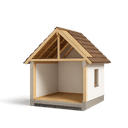
Dwelling
Repairs or rebuilds your home itself, the walls, roof, floors, built-in appliances, and attached structures like a garage, after a covered loss. Set this limit to the full cost of rebuilding, not market value.
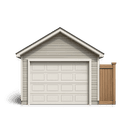
Other Structures
Detached structures on your property, such as a fence, shed, detached garage, or gazebo. Usually set at about 10 percent of your dwelling limit [2].

Personal Property
Your belongings, furniture, clothing, electronics, and appliances, generally written at 50 to 70 percent of your dwelling limit [2]. High-value items like jewelry and art carry special limits.

Additional Living Expenses
Also called loss of use. Pays your added living costs, hotel stays, meals, and a temporary rental, while a covered loss makes your home uninhabitable. Usually set at about 20 percent of your dwelling limit.

Liability
Covers you if someone is injured on your property, or you damage someone else's property, and you are found responsible. The standard $100,000 limit [2] is often raised to $300,000 or $500,000.

Medical Payments
Pays small medical bills, commonly $1,000 to $5,000, if a guest is hurt at your home regardless of fault, without a formal liability claim.
Homeowners Insurance Cost in Fairbanks
Average Cost in Alaska
$120 - $290
per month
In Alaska, homeowners insurance premiums typically run $120 - $290 per month, which tends to run 14% above the national range of $110 - $250 per month.
- Home replacement cost, age, and construction type
- Roof age, material, and condition
- ZIP code and local weather risk (wind, hail, wildfire, hurricane)
- Coverage limits and endorsements
- All-peril and percentage wind/hail deductibles
- Claims history and insurance score where allowed
Typical range for many standard homeowners profiles; lower-risk homes fall below it and coastal, wildfire, or older-roof homes can run well above. Final pricing depends on property details, location, underwriting, and selected coverage.
Prices shown are general estimates, not guaranteed rates or quotes. Your actual premium will depend on the insurer, coverage selected, personal details, location, claims history, and other underwriting factors. Learn about our pricing methodology.
The average monthly premium range in Alaska is $120 to $290, and the final price depends heavily on your home and coverage choices. Alaska's premium index of 132 suggests pricing is 32% above national, which means a policy that costs $1,200 a year in a typical state might run closer to $1,584 here. A home in Juneau, a coastal community, or an area with wildfire exposure may be priced differently than a newer property in a lower-risk area. That is especially true if the buyer adds earthquake protection as a separate endorsement or policy. Expect the carrier to look closely at rebuild cost, the home's condition, and any added protections you choose.
What Makes Fairbanks Different
Your property layout drives much of the coverage math. Detached garages, sheds, workshops, fuel storage considerations, and longer driveways can create gaps if other structures coverage is left at a default percentage without review. Buyers sometimes anchor on purchase price or market value, so they miss the need to verify reconstruction assumptions and site-specific features. If your property includes outbuildings, equipment storage, or a home setup that supports frequent guests or hobby use, you may want to have each structure discussed separately. That gives you a cleaner decision on limits, deductibles, and endorsements instead of assuming the base form fits the parcel.
Our Recommendation for Fairbanks
Start by listing every structure on the lot, since outbuildings are the items most often undercounted at quote time. You can ask an agent to walk through the main dwelling, detached structures, and personal property as separate buckets, then test whether the deductible still feels workable against your household budget. At a median household income of $72,077 locally, a $2,500 deductible hits differently than it would in a higher-earning area, so that tradeoff matters. A lower premium can lose its appeal if the out-of-pocket amount would strain your finances after a covered claim. It also helps to compare your current declarations page against how you use the home now, especially if you have added a shed, upgraded a garage, stored higher-value tools, or changed occupancy patterns. If you are financing, you may keep your lender requirements in view, but do not stop there. Consider requesting a quote review that checks dwelling assumptions and loss of use language before you renew.
Get Homeowners Insurance in Fairbanks
Enter your ZIP code to compare homeowners insurance rates from carriers in Fairbanks, AK.
Home insurance starting at $50/mo
FAQ
Frequently Asked Questions
Fairbanks buyers should review rebuilding details, not rely only on market value. The local median home value is $255,700, but construction costs per square foot in Alaska often exceed market averages. That means your dwelling limit may need to be higher than the purchase price, so it helps to verify dwelling limits, detached structures, and property-specific features.
Fairbanks properties often include more than the main house, so detached structures deserve their own review. If your garage, shed, workshop, or similar building would be costly to repair or replace, you might check whether the default other structures limit is enough.
Fairbanks households should choose a deductible they could realistically absorb after a covered loss. With median household income at $72,077 locally, a higher deductible saves premium now but could strain a household budget at claim time. The right choice depends on your savings and comfort level, so you might compare multiple options and weigh that tradeoff.
Fairbanks North Star Borough has 2,574 business establishments. That number points to a healthy small-business presence, which means a notable share of residents may run operations or side work from home. If that sounds like your setup, you might ask where personal property limits end and whether any business-use restrictions apply.
Fairbanks North Star Borough is led by construction at 13.2%, health care and social assistance at 12.6%, and retail trade at 10.5% by establishment share. Construction and retail trades in particular tend to bring tools and inventory into the home. Extra gear stored on-site can push you past standard personal property limits, so it may help to review personal property and occupancy details carefully.
In Alaska, homeowners insurance may cover dwelling damage, personal property, liability, additional living expenses, and other structures, but the exact wording depends on the carrier. Standard policies also do not include earthquake protection unless you add a separate policy or endorsement.
Monthly cost in Alaska varies based on dwelling coverage, deductibles, claims history, location, and any endorsements you add. The broad average premium range is $120 to $290 per month, so the final price depends heavily on your home and coverage choices.
You may not be legally required to buy it, but you still may want it because Alaska rebuilding costs are high and the state has elevated earthquake and wildfire risk. Without a mortgage lender, the decision is yours, but the financial exposure can still be significant.
Sources
- 1.U.S. Census Bureau, ACS 5-Year Estimates, table B25077(The local median home value is $255,700.)
- 2.U.S. Census Bureau, ACS 5-Year Estimates, table B19013(Fairbanks households show a median household income of $72,077.)
- 3.U.S. Census Bureau, County Business Patterns, Fairbanks North Star Borough(Fairbanks North Star Borough has 2,574 business establishments.; Fairbanks North Star Borough is led by construction at 13.2%, health care and social assistance at 12.6%, and retail trade at 10.5% by establishment share.)
Updated July 16, 2026