







































Updated July 16, 2026

Inland Marine Insurance in Fairbanks
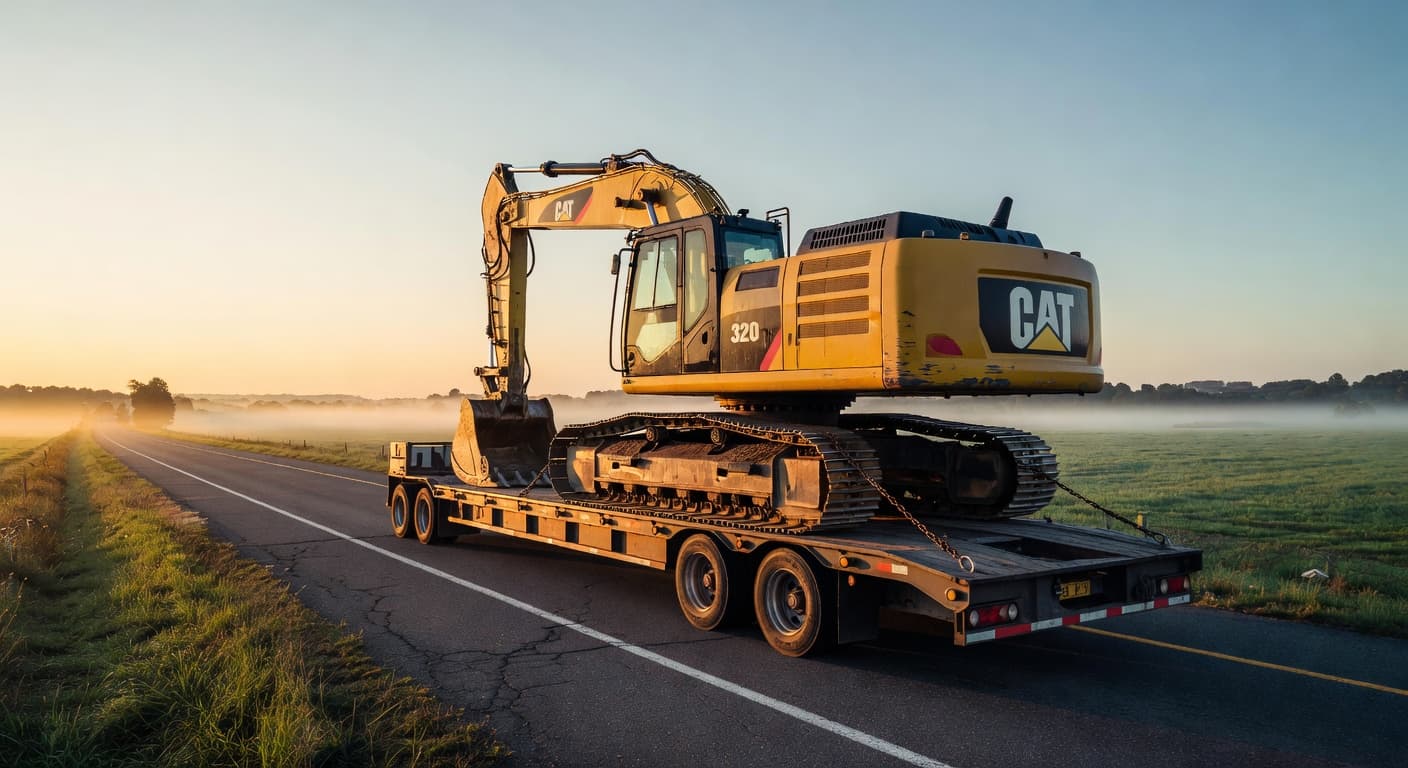
Your equipment rarely stays put. In Fairbanks, it moves through short, intense work windows, then sits at a yard, a temporary site, or in transit between jobs while schedules pivot around weather and road access. A policy for this market should match the way your property actually travels, where it is left between workdays, and which items would create the biggest interruption if they were damaged or stolen. Fairbanks North Star Borough has roughly 2,574 business establishments, which means you are likely to encounter multiple jobsite, subcontract, lender, and customer insurance expectations before work starts. If you handle materials for remodels, carry diagnostic gear between locations, or move inventory that does not stay at one address, scheduling and valuation matter more here because a compressed season leaves little room to absorb an unscheduled loss. Start with a property map: what leaves your main premises, what gets stored offsite, and what would be hardest to replace quickly.
Inland Marine Insurance Risk Factors in Fairbanks
Fairbanks's top risk factors include Earthquake damage, Liquefaction risk, Landslide, and Infrastructure failure.
Alaska has a moderate climate risk rating. Top hazards: Earthquake (Very High), Wildfire (High), Avalanche (High), Tsunami (Moderate). The state's expected annual loss from natural hazards is $280M, which influences inland marine insurance premiums and may affect coverage availability in high-risk areas.
What Inland Marine Insurance Covers
In Alaska, this coverage is built around property that is mobile, transported, or used away from your permanent business location. That includes tools, contractors equipment, materials in transit, installation projects, and other mobile business property that may be at a job site, in temporary storage, or moving between locations. The core value is that the policy follows the property rather than staying tied to one fixed address. That matters in a state where work may happen in Anchorage, Juneau, remote communities, or seasonal job sites.
The policy form itself is carrier-specific, so the details of what is included or excluded can vary. Your policy may address theft or damage to tools and equipment while gear is away from the main office, handle materials being moved between locations, focus on larger machinery and portable job-site assets, or apply to materials waiting to be installed. Builders risk coverage is often considered when materials are tied to a specific project, especially where weather and site conditions create added exposure.
Because Alaska has high earthquake, wildfire, and avalanche risk, you should ask whether your policy language or endorsements address those exposures for property in transit or at temporary sites.
Coverage Included
Tools & Equipment
Can help repair or replace hand tools, power tools, and gear that are stolen or damaged on the job or in transit.
Goods in Transit
May cover products, materials, and merchandise while they are being shipped or hauled between locations in your care.
Contractors Equipment
Typically covers heavy machinery like excavators, loaders, and generators against theft or damage at job sites and between them.
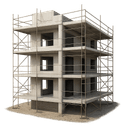
Installation Floater
Can help cover materials and fixtures from the moment you buy them until they are installed and accepted at a project.
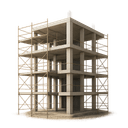
Builders Risk
May cover a structure under construction, along with materials on site, against damage from fire, wind, theft, and vandalism.
Inland Marine Insurance Cost in Fairbanks
Average Cost in Alaska
$30 - $120
per month
Businesses in Alaska typically see inland marine insurance premiums of $30 - $120 per month, which tends to run 25% above the national range of $20 - $100 per month.
- Total insured value of the scheduled property
- Type and age of the equipment
- Where it is stored and how far it travels
- Jobsite security and theft prevention
- Per-item limits and deductibles
- Prior theft and in-transit losses
Contact CPK Insurance for a personalized quote.
Prices shown are general estimates, not guaranteed rates or quotes. Your actual premium will depend on the insurer, coverage selected, business details, location, claims history, and other underwriting factors. Learn about our pricing methodology.
Your premium depends on what you move, how far it travels, and where it sits overnight. The average premium range in Alaska starts around $30 per month for basic tools coverage and can reach $120 or more for higher limits, though your actual quote depends on property values, transit patterns, and carrier appetite.
Several Alaska-specific factors can move your cost up or down. Coverage limits and deductibles matter first, because higher limits for tools, equipment, or materials usually increase premium, while a higher deductible can reduce it. Claims history also matters, especially for businesses that have had theft, damage, or repeated losses on job sites. Location is another major factor, where a project in a dense urban area, a remote worksite, or a temporary storage yard may present different risk than a fixed office. Industry risk is important too, as construction, mining support, retail-related delivery, and field service operations may all need different structures. Policy endorsements can also change the price depending on whether you add earthquake-related options, broader transit terms, or expanded installation coverage.
Alaska's broader risk environment helps explain why carriers look closely at the details. The state's exposure to earthquakes, wildfires, avalanches, and severe winter weather means underwriters pay close attention to where your property travels and how long it sits at temporary locations.
Industries & Insurance Needs in Fairbanks
The county business mix around Fairbanks changes who should look hardest at inland marine. Construction accounts for 13.2% of establishments in Fairbanks North Star Borough, health care and social assistance 12.6%, and retail trade 10.5%, so demand is not limited to one trade with obvious contractor tools. It also reaches mobile medical equipment, installation materials, service gear, and inventory that travels between locations or sits at temporary sites before use or sale. That matters because inland marine reviews here should start with classes of property, not just a generic tool floater request. If you are in construction, ask about scheduled equipment and materials in transit. If you operate in health care or retail, focus on portable devices, stock away from your main premises, and documentation that supports replacement value. The better your property list matches how those items move, the easier it is to compare terms that fit your actual exposure.
What Makes Fairbanks Different
Short, intense work periods define this market, and a missed delivery, damaged equipment unit, or stolen set of tools can disrupt a larger share of your active season than it might elsewhere. That makes replacement timing more important in your buying decision than a bare premium comparison. The real question is whether the policy description matches how your property is staged between jobs, who has custody, and whether newly acquired items are picked up automatically or need to be reported. Pay close attention to valuation, sublimits for smaller high-theft items, and whether unscheduled property wording leaves gaps for mixed loads of tools, materials, and portable electronics. Before you bind coverage, walk through a real week of operations with your agent: truck, trailer, temporary storage, active site, and return to yard.
Our Recommendation for Fairbanks
Build your quote around a property map, not a guess. Owned tools, rented equipment, installation materials, and portable electronics can each call for different wording or limits, so sort them early. If your crews or staff use trailers, ask how property is treated while loaded, parked overnight, or left at a temporary location. If you buy equipment during the season, review how newly acquired property is handled so you know when reporting is required. A lower limit can look acceptable until one loss sidelines a crew or delays a customer commitment, so weigh replacement timing alongside replacement cost. Bring your current equipment list, largest recent purchases, and any contract insurance requirements into the quote review.
Get Inland Marine Insurance in Fairbanks
Enter your ZIP code to compare inland marine insurance rates from carriers in Fairbanks, AK.
Business insurance starting at $25/mo
FAQ
Frequently Asked Questions
Operations that move tools, equipment, materials, or portable stock between addresses are common candidates. In Fairbanks North Star Borough, construction makes up 13.2% of establishments, meaning roughly one in eight local businesses may face gear-related coverage questions on a given contract. Mobile medical and retail property can fit too.
Reviewing both scheduled and unscheduled options is worth the effort. If a few items would be expensive or hard to replace quickly, listing them specifically can make valuation and claims documentation clearer before the season gets busy.
Retail and health care operations often have portable property that does not stay at one address. In the borough, health care and social assistance represent 12.6% of establishments and retail trade 10.5%, which means nearly a quarter of local businesses may handle off-premises equipment or stock at some point during the year. That volume makes a specific coverage review worthwhile.
Job sites call for a close read of where property is stored, who has custody, and whether the policy treats a trailer, temporary site, or yard the way your operation actually uses it. Ask for those scenarios to be reviewed before binding.
Quote prep goes faster when you bring a current equipment list, approximate values, where items travel, and any contract insurance requirements. In a borough with 2,574 business establishments, clear proof of coverage and accurate schedules can help avoid delays when work is ready to start, because contractors and customers alike may require documentation before allowing you on site.
In Alaska, it may help cover business property that moves between locations, including tools, equipment, building materials, and goods being transported over land. The exact scope depends on the carrier form, but the policy is designed for property away from a fixed address.
It is meant to follow covered property when it is at a job site, in temporary storage, or moving between locations. Because Alaska work often involves remote or changing sites, you should confirm whether the policy includes those storage conditions.
Contractors, electricians, plumbers, landscapers, installers, and any business that regularly moves equipment or materials can benefit. Alaska's construction sector and small-business economy make this especially relevant for owners who cannot absorb a loss of portable property easily.
Sources
- 1.U.S. Census Bureau, County Business Patterns, Fairbanks North Star Borough(In the borough that contains the city, there are 2,574 business establishments, so tools, contractor equipment, and mobile property often have to satisfy jobsite, subcontract, lender, or customer insurance expectations before work starts.; Construction accounts for 13.2% of establishments in Fairbanks North Star Borough, health care and social assistance 12.6%, and retail trade 10.5%, so demand is not limited to one trade with obvious contractor tools.)
Updated July 16, 2026





