







































Updated July 5, 2026

On-Hook Towing Insurance in Fairbanks
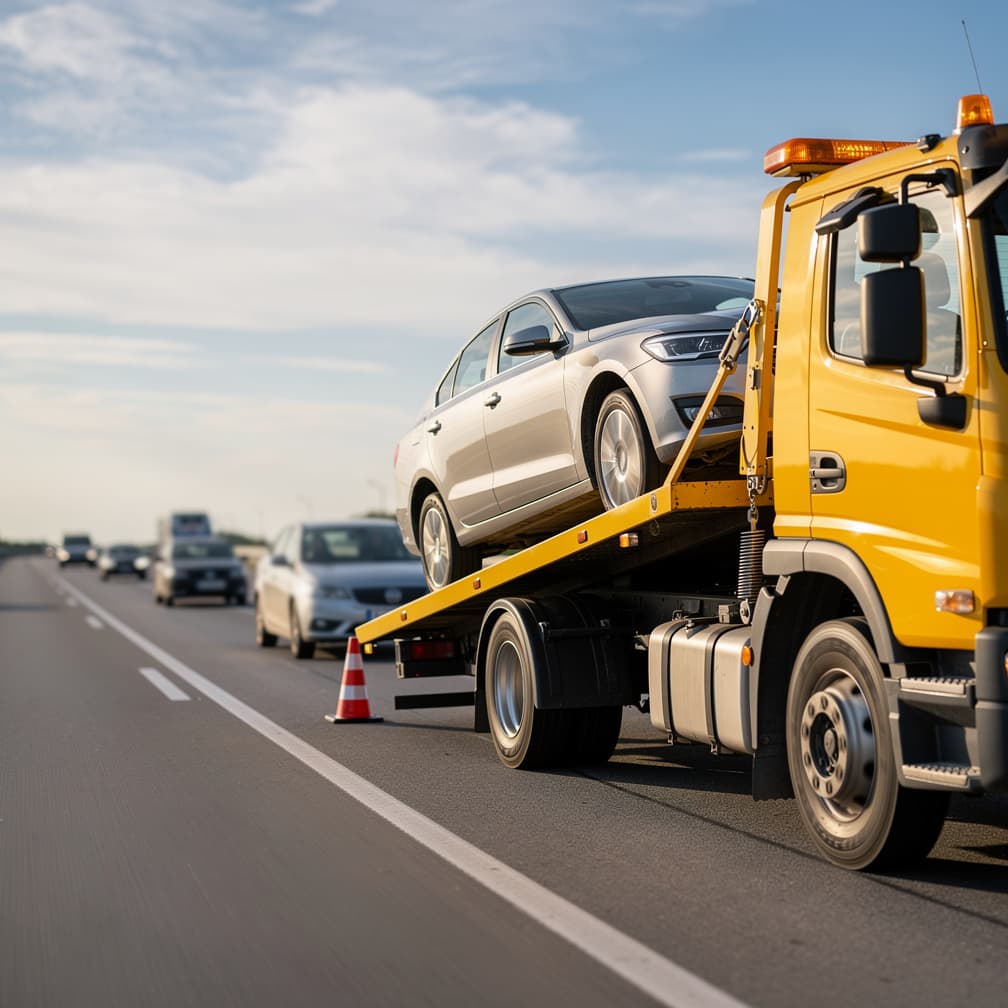
Are short local tows enough to make your policy simple here? Not always. On-hook towing insurance in Fairbanks still needs to match who is calling you, what you are hauling, and where those vehicles are headed after hookup. A lot of the difference comes from the customer mix around town. In the borough that contains Fairbanks, there are 2,574 business establishments, so a tow operator may handle everything from contractor pickups and delivery vans to employee vehicles in commercial lots and customer cars at retail sites. That matters because on-hook claims are tied to the vehicle in your care, not just the distance of the tow. If your dispatches regularly involve business-owned units, after-hours impounds from commercial property, or moves between job sites and repair facilities, ask for a quote built around those handoffs. You should also describe whether you mainly do police rotation, private property towing, roadside calls, or shop-to-shop transport, because the exposure changes with each dispatch source.
On-Hook Towing Insurance Risk Factors in Fairbanks
Fairbanks's top risk factors include Earthquake damage, Liquefaction risk, Landslide, and Infrastructure failure.
Alaska has a moderate climate risk rating. Top hazards: Earthquake (Very High), Wildfire (High), Avalanche (High), Tsunami (Moderate). The state's expected annual loss from natural hazards is $280M, which influences on-hook towing insurance premiums and may affect coverage availability in high-risk areas.
What On-Hook Towing Insurance Covers
In Alaska, the practical review is less about repeating the basic definition of on-hook coverage and more about matching it to the way your jobs actually unfold. A straightforward in-town tow can become a more complicated file if the vehicle is picked up on ice, transferred at a repair facility after hours, or unloaded on a narrow shoulder where traction and visibility change the risk. Your policy review should focus on those operating moments, because that is where disputes over damage often start.
Ask for wording that fits your real towing methods. If you run flatbeds, wheel-lifts, dollies, or winching equipment in the same operation, the quote should reflect that mix instead of assuming one uniform job type. If you handle disabled pickups, SUVs, work vans, or vehicles carrying tools and gear, tell the agent how often each shows up.
You should also review how the policy interacts with the rest of your towing program. A claim involving a customer vehicle can overlap with questions about storage, garagekeepers, general liability, or physical damage to your own truck, depending on what happened before and after the tow. That is especially important if your operation moves vehicles between roadside pickup, temporary lot storage, and a repair shop in one chain of custody.
Alaska buyers should be especially careful with exclusions tied to recovery work, unattended vehicles, specialty units, or jobs outside the normal dispatch area. If a large share of your work comes from difficult recoveries or long-distance transport, ask the agent to walk through sample claim scenarios before committing to a policy. That gives you a cleaner picture of what is being insured, what needs endorsement review, and where a gap could still remain.
Coverage Included
Collision on Hook
Covers damage to towed vehicles from collisions during transport.
Comprehensive on Hook
Covers theft, fire, and weather damage to vehicles being towed.
Loading & Unloading
Covers damage during the process of loading and unloading vehicles.
Winching Coverage
Covers damage to vehicles during winching and recovery operations.
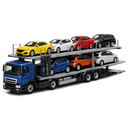
Multiple Vehicle
Covers all vehicles on multi-car carriers and rollback flatbeds.
Industries & Insurance Needs in Fairbanks
The county business mix around Fairbanks changes what a towing operator is likely to move on the hook. Construction accounts for 13.2% of establishments in the borough, health care and social assistance 12.6%, and retail trade 10.5%, so your book of business can include contractor pickups, service vans, employee vehicles, delivery units, and customer cars tied to busy commercial properties. That matters more than a generic local label. A contractor truck with mounted equipment, a fleet unit used for medical support work, and a retail customer vehicle each create different damage concerns during loading, securement, storage transitions, and drop-off. If those sectors make up a meaningful share of your calls, your quote should reflect the kinds of vehicles you actually tow and whether you move them from active job sites, business parking areas, or high-turnover storefront locations.
What Makes Fairbanks Different
Commercial dispatch mix is the main thing that changes the buying decision here. In a market tied closely to local employers, property managers, and business operators, the question is not only how far you tow. It is what kinds of vehicles enter your care and how often the handoff starts in a business setting with time pressure, access constraints, or a third party expecting documentation after a loss. Fairbanks households report a median income of $72,077, which can mean owners are protecting vehicles that are important to work access and daily use, so even a modest damage dispute can become a serious service issue. That is why a local operator should review more than a basic limit. Ask how your policy responds to damage during hookup, winching onto the bed or wheel lift, transport between locations, and release at the destination. If you store vehicles even briefly before delivery, bring that up before binding.
Our Recommendation for Fairbanks
Start by sorting your last few months of calls into clear buckets: private passenger vehicles, contractor or service units, retail lot tows, police or municipal dispatches, and shop transfers. That gives an underwriter a cleaner picture of your real on-hook exposure than a broad description like light-duty towing. Next, list the moments where damage is most likely to be alleged, such as low-clearance loading, tight commercial parking lots, or drop-offs after business hours. If you use more than one truck setup, note which unit handles which jobs instead of assuming one policy approach fits all. It is also worth asking whether your limits still make sense if a larger share of your work involves business-owned vehicles rather than personal autos. Before you request a quote, gather sample invoices, dispatch records, and any contract language from commercial clients or property managers so the coverage review matches the work you are actually accepting.
Get On-Hook Towing Insurance in Fairbanks
Enter your ZIP code to compare on-hook towing insurance rates from carriers in Fairbanks, AK.
Business insurance starting at $25/mo
FAQ
Frequently Asked Questions
Fairbanks operators often find that commercial property work changes the review because the borough has 2,574 business establishments. More business lots and employer vehicles can mean different damage scenarios during hookup, removal, and delivery, so your dispatch mix should be described clearly.
Fairbanks-area towing work often touches construction-related vehicles, and construction makes up 13.2% of establishments in the borough. That can change the type of units on your hook, so you should disclose whether you tow pickups, vans, or equipment-carrying work vehicles.
Fairbanks retail-related towing can involve customer vehicles, quick removals, and tight parking layouts. Retail trade represents 10.5% of establishments in the borough, so if lot enforcement or storefront calls are common, ask for a policy review built around that workflow.
Fairbanks drivers often rely heavily on their vehicles, and the city's median household income is $72,077. That does not set your premium by itself, but it is a good reason to review whether your on-hook limit fits the value of vehicles you regularly transport.
Longer, more remote, or more difficult runs can increase the chance of a severe claim, so pricing reflects that reality. When you request a quote, describe where your trucks actually operate so the policy is built around your real dispatch territory.
Alaska tow companies should disclose recovery work early because it can be underwritten differently from routine roadside towing or scheduled transport. If recovery jobs are part of your week, ask how they are classified before committing to a policy.
Alaska insurance policies are regulated by the Alaska Division of Insurance. That matters when you review forms, endorsements, and complaint procedures, so confirm the issuing insurer and policy paperwork before you choose between quotes.
Alaska owner-operators can buy on-hook coverage for a single truck, but the quote still depends on towing method, vehicle mix, territory, and job type. A one-truck operation should submit the same detailed operating information as a larger fleet.
Sources
- 1.U.S. Census Bureau, County Business Patterns, Fairbanks North Star Borough(In the borough that contains Fairbanks, there are 2,574 business establishments, so a tow operator may handle everything from contractor pickups and delivery vans to employee vehicles in commercial lots and customer cars at retail sites.; Construction accounts for 13.2% of establishments in the borough, health care and social assistance 12.6%, and retail trade 10.5%, so your book of business can include contractor pickups, service vans, employee vehicles, delivery units, and customer cars tied to busy commercial properties.)
- 2.U.S. Census Bureau, ACS 5-Year Estimates, table B19013(Fairbanks households report a median income of $72,077, which can mean owners are protecting vehicles that are important to work access and daily use, so even a modest damage dispute can become a serious service issue.)
Updated July 5, 2026





