Updated July 16, 2026

Commercial Auto Insurance in Alaska
If you operate vehicles for work in Anchorage, Juneau, Fairbanks, or along the road system that connects Alaska's towns and job sites, commercial auto insurance is usually the policy that keeps a business moving after a claim. Alaska's premiums run about 32% above national averages, but you also have a wide field of carriers to compare. A single company car used for client visits in downtown Juneau has different exposure than a pickup running gravel roads near North Pole, a van serving retail stops in Wasilla, or a truck making deliveries across the Mat-Su Valley. Weather, long driving distances, and the state's accident patterns all influence how you should think about liability, collision, comprehensive, and hired or non-owned auto protection. Before you request a quote, it helps to know which vehicles are registered, which drivers are listed, and whether your business use extends beyond owned vehicles.
What Commercial Auto Insurance Covers
Commercial auto insurance is built around business use, not personal errands, so the policy is designed to respond when a vehicle is used for company operations in places where road conditions and travel distances can change quickly. The core protection includes liability, collision, comprehensive, medical payments, and uninsured motorist coverage. Hired and non-owned auto coverage can be added for rented vehicles or employee-owned vehicles used for work, which matters because a standard policy may not fill that gap on its own. Collision can help cover damage from a vehicle accident, while comprehensive may help with theft or weather-related damage. In a state with winter storms, wildfire exposure, and a high rate of motor vehicle theft, both are worth taking seriously.

Bodily Injury Liability
Covers injuries you cause to others in an accident

Property Damage Liability
Covers damage you cause to others' property
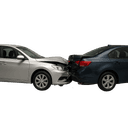
Collision Coverage
Pays for damage to your vehicle in an accident

Comprehensive Coverage
Covers theft, vandalism, weather, and animal damage

Medical Payments
Covers medical costs for your drivers and passengers

Uninsured Motorist
Protection when the other driver lacks insurance
Hired & Non-Owned Auto
Covers rented or employee-owned vehicles used for work
Commercial Auto Insurance Requirements in Alaska
- Alaska's minimum commercial auto liability requirement is $50,000/$100,000/$25,000, so your policy should be checked against that floor before binding.
- All commercial vehicles must be registered with the Alaska DMV, which makes vehicle records and ownership details part of the buying process.
- Uninsured or underinsured motorist coverage may be required, so confirm whether it applies to your specific business vehicle setup.
- Hired auto and non-owned auto coverage may help protect rented vehicles and employee-owned vehicles used for business.
How Much Does Commercial Auto Insurance Cost in Alaska?
Average Cost in Alaska
$160 - $450
per month
Businesses in Alaska typically see commercial auto insurance premiums of $160 - $450 per month, which tends to run 11% above the national range of $140 - $410 per month.
- Fleet size and vehicle types
- Driver records and experience
- Coverage limits and deductibles
- Business industry and use
- Annual mileage and operating radius
- Claims history
Rates based on small business averages. Your actual premium may vary.
Alaska's premium index is 132, which means pricing runs about 32% above national levels and owners should budget accordingly. Pricing varies based on vehicle type, use, garaging, driver history, and claims experience. A business that stays mostly in Anchorage may present a different risk profile than one sending vehicles across long rural routes, icy highways, or mountain passes. The state saw 11,200 crashes in 2023 with speeding and weather as top causes, which means a single at-fault claim on an icy road can drive your renewal pricing higher. With a wide field of carriers competing for your business, comparing quotes can help you find a better match for your vehicle class and driving record.
| Coverage Type | What It Covers | Typical Limits |
|---|---|---|
| Bodily Injury Liability | Injuries to others in accidents you cause | $500K to $2M |
| Property Damage Liability | Damage to others' property | $100K to $1M |
| Collision | Damage to your vehicle in an accident | Actual cash value |
| Comprehensive | Theft, vandalism, weather, animal damage | Actual cash value |
| Medical Payments | Medical costs for your drivers/passengers | $5K to $25K |
| Uninsured Motorist | Protection when other driver lacks insurance | $500K to $1M |
| Hired & Non-Owned | Rented or employee personal vehicles | Same as liability limits |
Bodily Injury Liability
- What It Covers
- Injuries to others in accidents you cause
- Typical Limits
- $500K to $2M
Property Damage Liability
- What It Covers
- Damage to others' property
- Typical Limits
- $100K to $1M
Collision
- What It Covers
- Damage to your vehicle in an accident
- Typical Limits
- Actual cash value
Comprehensive
- What It Covers
- Theft, vandalism, weather, animal damage
- Typical Limits
- Actual cash value
Medical Payments
- What It Covers
- Medical costs for your drivers/passengers
- Typical Limits
- $5K to $25K
Uninsured Motorist
- What It Covers
- Protection when other driver lacks insurance
- Typical Limits
- $500K to $1M
Hired & Non-Owned
- What It Covers
- Rented or employee personal vehicles
- Typical Limits
- Same as liability limits
How Alaska compares with the national baseline
Uninsured drivers
9.8% vs 11.6% baseline
About 9.8% of Alaska drivers are estimated to be uninsured, below the 11.6% average across states.
Fatal crashes per 100 million miles
1.41 vs 1.33 baseline
Alaska sees about 1.41 fatal crashes per 100 million miles driven, above the national average of 1.33.
Blue bar: Alaska. Gray line: national baseline.
Prices shown are general estimates, not guaranteed rates or quotes. Your actual premium will depend on the insurer, coverage selected, business details, location, claims history, and other underwriting factors. Learn about our pricing methodology.
Request a Quote Comparison
Enter your ZIP code to compare commercial auto insurance rates from top carriers.
Business insurance starting at $25/mo
Who Needs Commercial Auto Insurance?
Businesses that use vehicles for work in Alaska usually need commercial auto insurance, especially when the vehicle is titled or registered to the business, driven by employees, or used to transport tools, materials, clients, or goods. The clearest fit is a company car that makes regular stops in downtown Juneau, along Anchorage business corridors, or between service areas in the Mat-Su region, because personal auto policies often do not match business use. Construction firms are a strong example in Alaska because construction is one of the state's top industries and often depends on pickups, vans, and trucks moving between job sites, supply yards, and remote locations. Retail trade businesses may need it for delivery vehicles or multi-stop routes, and mining or oil and gas operations may need it for trucks and service units that travel long distances. Alaska has 21,800 businesses and 99.1% are small businesses, which means most operators in the state are lean teams where a single vehicle accident can threaten the whole operation. If employees drive their own vehicles for errands, meetings, or deliveries, hired and non-owned auto coverage becomes especially relevant. Fleet auto insurance is also important for businesses that manage multiple vehicles, because the state's weather, road surface changes, and accident patterns can affect several units at once. Even if you only run one vehicle today, a commercial auto policy can be the practical option once business use becomes regular and documented.
| Requirement | What Alaska law says |
|---|---|
| Auto liability minimums | $50,000/$100,000/$25,000 (bodily injury per person / per accident / property damage). These floors apply to personal and business vehicles alike; lenders and contracts often require more. |
| Where to verify | Alaska Division of Insurance publishes current requirements, consumer guides, and license lookups. |
Commercial Auto Insurance by City in Alaska
Commercial Auto Insurance rates and coverage options can vary across Alaska. Select your city below for localized information:
How to Buy Commercial Auto Insurance
Buying commercial auto insurance in Alaska starts with matching the vehicle use to the policy structure, then confirming the state rules that apply to your operation. All commercial vehicles must be registered with the Alaska DMV, and uninsured or underinsured motorist coverage may be required, so those items should be reviewed before you bind coverage. Have your vehicle list ready, including VINs, garaging locations, annual mileage, and whether each unit is a company car, pickup, van, or commercial truck. You should also be prepared to disclose driver records, business use, claims history, and whether you need hired auto or non-owned auto coverage for rented or employee-owned vehicles. Because Alaska has a wide field of carriers, comparing more than one quote is worth doing, especially if you need fleet coverage or commercial truck insurance. Once you choose limits and deductibles, confirm the policy reflects the business name, registered vehicles, and the required liability minimums before finalizing the DMV and insurance steps.
How to Save on Commercial Auto Insurance
The most useful savings strategies in Alaska are the ones that reduce claim frequency and make your risk profile easier for carriers to price. A fleet safety program can help, especially for businesses that drive on icy roads, through winter storms, or across long operating radiuses, because weather conditions and speeding are major causes of crashes in the state. Installing GPS tracking and dash cameras can support safer driving and stronger claim documentation, which is especially valuable when vehicles operate in Anchorage traffic, on Juneau streets, or on remote routes where road conditions change quickly. Clean driver records matter in this state because pricing is influenced by driver experience and claims history, and claim severity is high enough that carriers pay attention to loss patterns. Choosing higher deductibles can reduce premium, but only if the business can handle the out-of-pocket share after a vehicle accident or weather-related loss. Bundling business auto insurance with other policies through the same carrier may also help, with multi-policy discounts available in some cases. If your business uses employee-owned or rented vehicles, ask whether hired and non-owned auto coverage is the right fit instead of overbuying broader vehicle coverage. Pricing can shift based on vehicle mix, mileage, and where the business operates, so it pays to review your options each year.
Our Recommendation for Alaska
For Alaska businesses, the best starting point is to insure the vehicles you actually use for work and then add endorsements only where the exposure is real. If you have one company car, a small pickup, or a mixed fleet in Anchorage, Juneau, Fairbanks, or the Mat-Su area, focus first on meeting the state's commercial liability minimums and then decide whether collision and comprehensive are worth adding based on vehicle value and route conditions. If employees drive personal cars for errands or you rent vehicles for projects, ask about hired and non-owned auto coverage instead of assuming a standard policy will fill that gap. Keep your vehicle list, driver list, and annual mileage accurate, because those details drive quoting and renewal pricing. In Alaska's market, where premiums sit above national averages and weather-related losses matter, a clean comparison of limits, deductibles, and endorsements is more useful than chasing the first quote you receive.
FAQ
Frequently Asked Questions
It may help cover liability, collision, comprehensive, medical payments, and uninsured motorist protection. Hired and non-owned auto coverage can also be added for rented or employee-owned vehicles used for work, which helps close gaps that a standard business auto policy may leave open.
Alaska requires minimum liability of $50,000/$100,000/$25,000 for commercial vehicles. All commercial vehicles must also be registered with the Alaska DMV, and uninsured or underinsured motorist coverage may be required depending on your specific business vehicle setup and use.
Pricing runs about 32% above national averages, with a typical policy starting at around $150 per month for a single vehicle. Your actual cost depends on factors like garaging location, annual mileage, claims history, and whether you need endorsements such as hired auto or non-owned auto coverage.
Businesses that use a car, van, pickup, or truck for work usually need it, especially if the vehicle is titled to the business, driven by employees, or used for deliveries, client visits, or job-site travel in places like Anchorage, Juneau, or Fairbanks. Even a single vehicle used regularly for business can fall outside personal auto policy limits.
Fleet auto insurance is designed for businesses with multiple vehicles, so the quote often depends on the mix of cars, vans, and trucks, the drivers assigned to them, the mileage they run, and whether the fleet operates in urban or rural parts of the state. A single-vehicle policy is simpler but may not scale as your operation grows.
If your business rents vehicles or employees use their own cars for errands, meetings, or deliveries, hired and non-owned auto coverage is the endorsement that can close that gap. A standard commercial auto policy typically applies to owned vehicles only, so this endorsement is worth reviewing if your operation extends beyond them.
Commercial auto insurance can help cover liability for bodily injury and property damage, collision damage to your vehicles, comprehensive coverage for theft and weather damage, medical payments, and uninsured/underinsured motorist protection. It also can help cover hired and non-owned vehicles with the right endorsements.
Costs vary based on fleet size, vehicle types, driver records, coverage limits, industry, and location. Delivery and construction fleets pay more than office-based businesses.
Updated July 16, 2026