Updated July 16, 2026

Car Insurance in Juneau
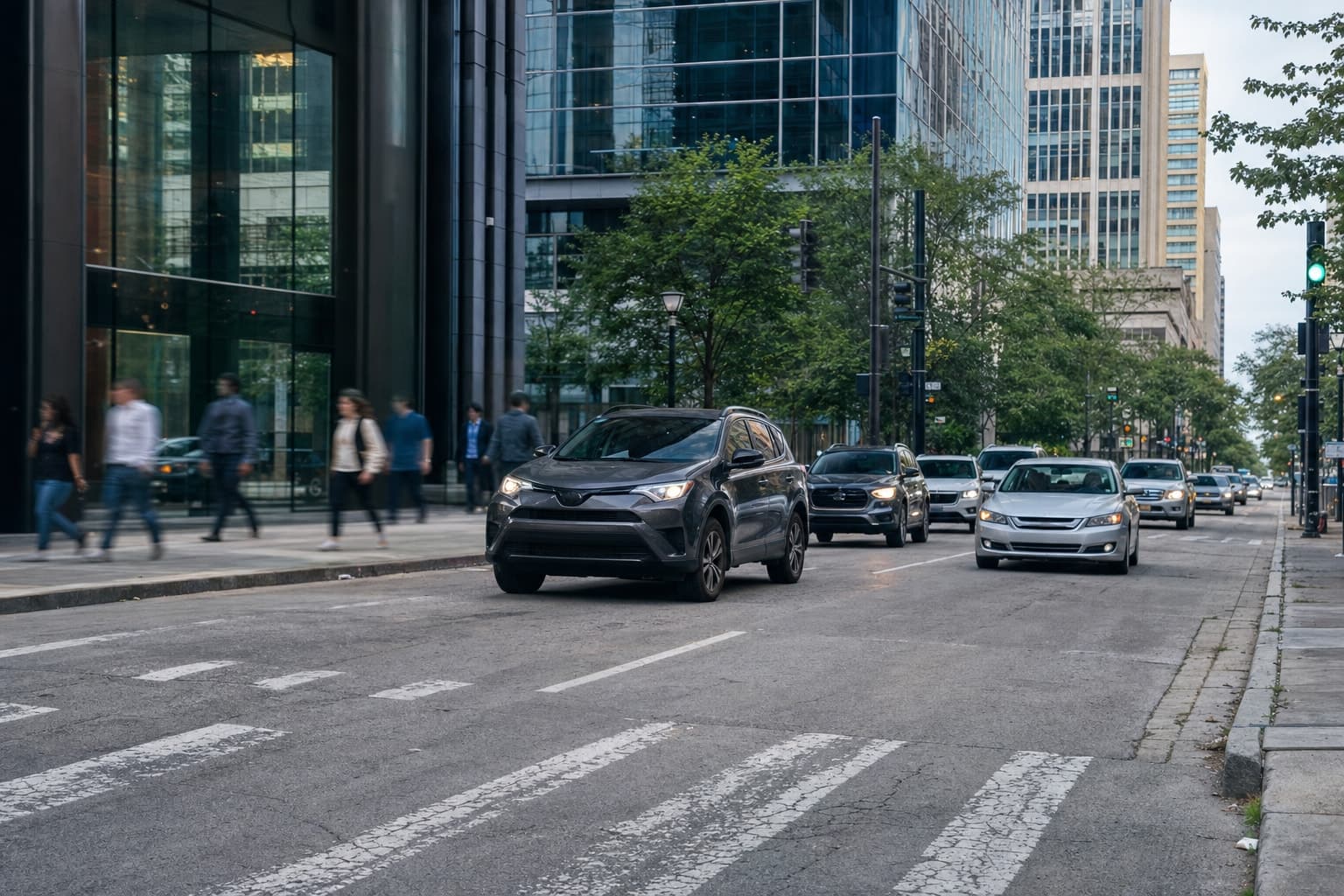
Buying car insurance in Juneau means thinking beyond a generic Alaska policy and looking at how the city actually works day to day. The local economy runs on public-sector jobs, medical facilities, mining, retail, and construction trades, and many residents depend on a vehicle for commuting and scheduled shifts. Juneau also has 797 annual crashes, enough to fill a small parking lot, which makes distracted driving and failure to yield common enough to warrant a closer look at your coverage choices. The city's roads and weather can make even a short drive feel like a bigger risk than it looks on paper.
Alaska has a moderate climate risk rating. Top hazards: Earthquake (Very High), Wildfire (High), Avalanche (High), Tsunami (Moderate). The state's expected annual loss from natural hazards is $280M, which influences car insurance premiums and may affect coverage availability in high-risk areas.
What Car Insurance Covers
Car insurance in Alaska is built around the same core protections found nationwide, but the way you choose them should reflect local roads, weather, and state oversight by the Alaska Division of Insurance. Liability protection can help pay for injuries you cause to others, while collision coverage helps repair or replace your own vehicle after an auto accident. Comprehensive coverage is the part many drivers lean on for non-collision losses tied to theft, weather, wildfire, or other covered events. That matters in a state that has seen major wildfire, winter storm, flooding, mudslide, and earthquake disasters. Uninsured motorist protection is especially relevant because nearly one in ten drivers carry no coverage, so a policy designed only around the minimum can leave gaps after a crash. Medical payments coverage can help with medical expenses for you or passengers after a covered crash, and rental reimbursement can help keep you mobile while your vehicle is being repaired if you added that option. The state does not force every driver into the same full coverage setup, so you should match your policy to your commute, vehicle value, and exposure to weather-related loss.
Coverage Included

Liability
Can help pay for injuries and property damage you cause to others in an accident, coverage most states require drivers to carry.
Collision
Can help pay to repair or replace your car after a crash with another vehicle or object, regardless of fault.

Comprehensive
Typically covers damage to your car from events other than collisions, such as theft, hail, fire, flooding, or hitting an animal.
Uninsured Motorist
May pay for your injuries and, in some states, car damage when an at-fault driver has no insurance or too little.

Medical Payments
Can help cover medical bills for you and your passengers after an accident, no matter who was at fault.
Rental Reimbursement
May pay for a rental car while your vehicle is in the shop for repairs after a covered claim.
Car Insurance Cost in Juneau
Average Cost in Alaska
$110 - $240
per month
In Alaska, car insurance premiums typically run $110 - $240 per month, which tends to run 3% above the national range of $110 - $230 per month.
- Driving record and age
- Vehicle make, model, and year
- Location and commute distance
- Credit-based insurance score
- Coverage limits and deductibles
Contact CPK Insurance for a personalized quote.
Prices shown are general estimates, not guaranteed rates or quotes. Your actual premium will depend on the insurer, coverage selected, personal details, location, claims history, and other underwriting factors. Learn about our pricing methodology.
The state-specific average premium range for car insurance in Alaska is $110 to $240 per month, which sits above the national average based on a premium index of 132. That means a typical policy here costs about 32% more than the national baseline, so an Alaska driver paying $150 elsewhere might expect closer to $200 for similar coverage. That pricing reflects a mix of factors that are unusually important here including location, coverage limits, deductibles, claims history, and policy endorsements. The state's crash volume can push rates higher for drivers who carry broader protection or lower deductibles. The risk profile also matters because severe winter storms, wildfire exposure, avalanche risk, and earthquake risk can affect how insurers view comprehensive coverage. At the same time, multiple insurance companies compete for business, which gives drivers room to compare quotes across carriers. That competition can matter even more for local drivers in places with different risk profiles across the state. Your premium may move up if you choose higher limits, add rental reimbursement, or lower a deductible, and it may move down if you accept a higher deductible or keep a clean claims record. Because pricing varies by carrier and by the exact vehicle, the most useful number is a personalized quote rather than the state average.
What Makes Juneau Different
What sets Juneau apart is that a modest city profile still carries real crash risk, infrastructure exposure, and work dependence. The crash rate of 1,190 per 100,000 residents means roughly one in every 84 people will be involved in a crash this year. When the odds are that tangible, the deductible you pick deserves as much attention as the monthly premium. The city's earthquake and landslide risks make comprehensive coverage a practical consideration. Add a cost of living index of 106, and everyday expenses run about 6 percent above the national average. Your policy should reflect the routes you actually drive, where you park, and the work that depends on your vehicle.
Our Recommendation for Juneau
For Juneau drivers, start by matching coverage to your parking habits, commute, and vehicle value. If you park on-street or want protection from non-collision losses, compare comprehensive coverage closely. If your vehicle is newer or hard to replace, collision coverage can be worth reviewing alongside the deductible, since a lower deductible usually means a higher premium. Because Juneau has a meaningful share of jobs tied to public service, healthcare, retail, mining, and construction, rental reimbursement can also be practical if you cannot afford downtime after repairs. Ask for a quote that shows the same limits across carriers, then compare how each option handles your core protections.
Get Car Insurance in Juneau
Enter your ZIP code to compare car insurance rates from carriers in Juneau, AK.
Car insurance starting at $59/mo
FAQ
Frequently Asked Questions
Start with your core protections, then check the deductible and premium together. In Juneau, where earthquake and landslide risks are real, balancing those choices carefully can make a real difference when you need to file a claim.
Comprehensive coverage in Juneau can be useful because the city faces earthquake and landslide risks along with infrastructure concerns. It may also matter if you park in areas where theft or break-ins are a concern.
Juneau's crash data shows common causes like rear-end collisions, distracted driving, and failure to yield at intersections. Those patterns make it worth reviewing your liability, collision, and uninsured motorist protections together.
It can affect how you think about premium and deductible choices. With a cost of living index of 106 and a median household income of $88,097, households earn above the national median but also face higher everyday costs. That gap leads many drivers to weigh coverage levels carefully so the policy stays manageable if they need to file a claim.
Workers who depend on a vehicle to keep their schedule intact may find rental reimbursement practical if repairs leave them without transportation. That includes many people in public service, healthcare, retail, mining, and construction.
Liability coverage helps pay for injuries you cause to others, collision coverage helps repair your vehicle after an auto accident, and medical payments coverage can help with medical costs for you or passengers after a covered crash. If you want broader protection, comprehensive coverage and rental reimbursement can also be added to many policies.
Alaska requires minimum liability coverage of $50,000 per person and $100,000 per accident for bodily injury, plus $25,000 for property damage. The Alaska Division of Insurance regulates the market, and drivers should compare coverage choices carefully because policy needs can vary by vehicle, limits, and use.
Monthly cost varies based on how much risk the carrier sees in your specific situation, from your daily commute distance to whether you park outside in storm-exposed areas, so two drivers in different parts of Alaska can see very different quotes. The most useful number is a personalized quote rather than the state average range.
Updated July 16, 2026