







































Updated July 16, 2026

Inland Marine Insurance in Juneau
Property managers, lenders, general contractors, and event venues often want proof that your mobile equipment, installation materials, or leased gear are insured before they hand over keys or approve a job. Locally, satisfying that request usually means a certificate that matches the contract schedule, the job description, and where your property will sit while off your main premises. If you install fixtures, move diagnostic devices, transport inventory between locations, or keep tools at a project site overnight, focus your review on the property that actually travels. The borough containing Juneau has 1,128 business establishments, which means your proof-of-coverage requests are likely to come from several different industries rather than a single customer type, so you may need certificates that speak to different risks and contract terms depending on who is asking. Before you ask for a quote, pull your equipment list, current replacement values, and any contract language about care, custody, and control so your policy can be matched to how your property actually moves here.
Inland Marine Insurance Risk Factors in Juneau
Juneau's top risk factors include Earthquake damage, Liquefaction risk, Landslide, and Infrastructure failure.
Alaska has a moderate climate risk rating. Top hazards: Earthquake (Very High), Wildfire (High), Avalanche (High), Tsunami (Moderate). The state's expected annual loss from natural hazards is $280M, which influences inland marine insurance premiums and may affect coverage availability in high-risk areas.
What Inland Marine Insurance Covers
In Alaska, this coverage is built around property that is mobile, transported, or used away from your permanent business location. That includes tools, contractors equipment, materials in transit, installation projects, and other mobile business property that may be at a job site, in temporary storage, or moving between locations. The core value is that the policy follows the property rather than staying tied to one fixed address. That matters in a state where work may happen in Anchorage, Juneau, remote communities, or seasonal job sites.
The policy form itself is carrier-specific, so the details of what is included or excluded can vary. Your policy may address theft or damage to tools and equipment while gear is away from the main office, handle materials being moved between locations, focus on larger machinery and portable job-site assets, or apply to materials waiting to be installed. Builders risk coverage is often considered when materials are tied to a specific project, especially where weather and site conditions create added exposure.
Because Alaska has high earthquake, wildfire, and avalanche risk, you should ask whether your policy language or endorsements address those exposures for property in transit or at temporary sites.
Coverage Included
Tools & Equipment
Can help repair or replace hand tools, power tools, and gear that are stolen or damaged on the job or in transit.
Goods in Transit
May cover products, materials, and merchandise while they are being shipped or hauled between locations in your care.
Contractors Equipment
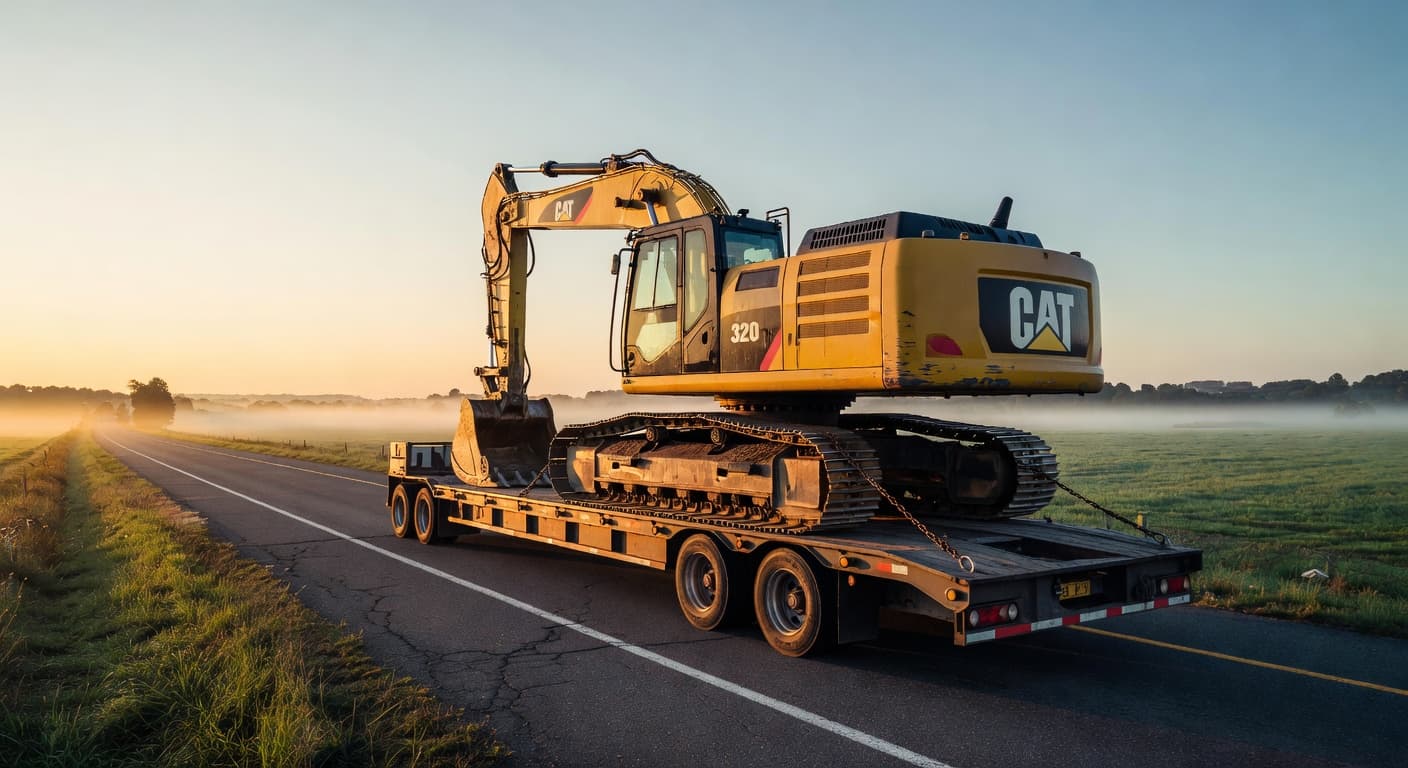
Typically covers heavy machinery like excavators, loaders, and generators against theft or damage at job sites and between them.
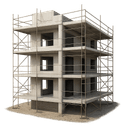
Installation Floater
Can help cover materials and fixtures from the moment you buy them until they are installed and accepted at a project.
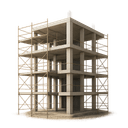
Builders Risk
May cover a structure under construction, along with materials on site, against damage from fire, wind, theft, and vandalism.
Inland Marine Insurance Cost in Juneau
Average Cost in Alaska
$30 - $120
per month
Businesses in Alaska typically see inland marine insurance premiums of $30 - $120 per month, which tends to run 25% above the national range of $20 - $100 per month.
- Total insured value of the scheduled property
- Type and age of the equipment
- Where it is stored and how far it travels
- Jobsite security and theft prevention
- Per-item limits and deductibles
- Prior theft and in-transit losses
Contact CPK Insurance for a personalized quote.
Prices shown are general estimates, not guaranteed rates or quotes. Your actual premium will depend on the insurer, coverage selected, business details, location, claims history, and other underwriting factors. Learn about our pricing methodology.
Your premium depends on what you move, how far it travels, and where it sits overnight. The average premium range in Alaska starts around $30 per month for basic tools coverage and can reach $120 or more for higher limits, though your actual quote depends on property values, transit patterns, and carrier appetite.
Several Alaska-specific factors can move your cost up or down. Coverage limits and deductibles matter first, because higher limits for tools, equipment, or materials usually increase premium, while a higher deductible can reduce it. Claims history also matters, especially for businesses that have had theft, damage, or repeated losses on job sites. Location is another major factor, where a project in a dense urban area, a remote worksite, or a temporary storage yard may present different risk than a fixed office. Industry risk is important too, as construction, mining support, retail-related delivery, and field service operations may all need different structures. Policy endorsements can also change the price depending on whether you add earthquake-related options, broader transit terms, or expanded installation coverage.
Alaska's broader risk environment helps explain why carriers look closely at the details. The state's exposure to earthquakes, wildfires, avalanches, and severe winter weather means underwriters pay close attention to where your property travels and how long it sits at temporary locations.
Industries & Insurance Needs in Juneau
The county business mix matters here because the most common local operations often rely on property that does not stay at one address all day. In the county containing Juneau, retail trade accounts for 11.7% of establishments, health care and social assistance 11.3%, and construction 11%. That mix points to three recurring inland marine reviews: inventory or display property moving between locations, portable medical or diagnostic equipment used away from a main office, and contractors' tools or materials staged at active jobs. If your business falls into one of those groups, do not ask only for a broad quote. Ask how the form treats property in transit, at temporary locations, and while waiting to be installed. Then check whether the limit is set per item, per job, or per occurrence, because the right structure depends on whether your exposure is one expensive unit or many smaller items moving at the same time.
What Makes Juneau Different
What changes the calculus most in this market is how quickly a certificate mismatch can stall your work. In a smaller city, a single certificate issue or mismatch between contract language and policy wording can stall a project, equipment delivery, or venue access faster than many buyers expect. Juneau median household income is $100,513, which translates to higher-value contents and finish selections in many homes and commercial interiors, so a single damaged fixture or piece of specialized equipment can cost more to replace than you might assume from national averages. If you work in those settings, review peak values by job rather than relying on your average month. A policy that fits routine tool movement may be too thin for one remodel, one medical equipment delivery, or one retail build-out with concentrated property values.
Our Recommendation for Juneau
Start with what actually leaves your building. Pull your equipment list and sort it into what travels daily versus what only moves for specific jobs, then check whether your current policy terms match how each item is actually used. From there, you can weigh blanket coverage, item scheduling, or an installation-focused approach against your real exposure. Pull two or three recent contracts and compare the insurance language against your current policy terms. When a property manager or contractor expects evidence for materials awaiting installation, rented equipment, or property at a temporary site, ask whether those scenarios are addressed in writing rather than assumed. If you serve higher-value homes or commercial interiors, update values before renewal instead of relying on last year's list. When you work with lenders or venues, request sample certificates early so any wording issues surface before move-in, delivery, or setup day.
Get Inland Marine Insurance in Juneau
Enter your ZIP code to compare inland marine insurance rates from carriers in Juneau, AK.
Business insurance starting at $25/mo
FAQ
Frequently Asked Questions
Contractors often review this when tools, fixtures, or materials stay at an active site or move between locations. If your contract requires proof before work starts, ask whether your policy addresses temporary locations and property awaiting installation.
Juneau retail operations are a common fit because the county's largest establishment share is retail trade at 11.7%, meaning you are more likely to face transit and off-site exposure questions than businesses in other sectors, so expect underwriters to ask where your stock travels and how it gets there. If stock, displays, or point-of-sale equipment travel, ask whether transit and off-site scenarios are addressed in writing.
Juneau health care and social assistance businesses make up 11.3% of county establishments, so portable equipment is a real local issue, which means a device lost or damaged between sites can disrupt patient care and revenue at the same time. If devices travel to another site, ask how the policy treats property that is in transit or stationed at a secondary location.
Juneau buyers usually run into this during lease signings, financed equipment purchases, or event setup. The request is often about verifying that mobile property, leased gear, or installation materials are insured while off your primary premises.
Remodelers and installers should weigh this carefully, since higher-value interiors and finish selections are common in this market and a single job can concentrate enough value in one location to exceed what a standard blanket limit would pay. If one job concentrates expensive materials, review peak job values instead of relying on an average inventory figure.
In Alaska, it may help cover business property that moves between locations, including tools, equipment, building materials, and goods being transported over land. The exact scope depends on the carrier form, but the policy is designed for property away from a fixed address.
It is meant to follow covered property when it is at a job site, in temporary storage, or moving between locations. Because Alaska work often involves remote or changing sites, you should confirm whether the policy includes those storage conditions.
Contractors, electricians, plumbers, landscapers, installers, and any business that regularly moves equipment or materials can benefit. Alaska's construction sector and small-business economy make this especially relevant for owners who cannot absorb a loss of portable property easily.
Sources
- 1.U.S. Census Bureau, County Business Patterns, Juneau City and Borough(The county containing Juneau has 1,128 business establishments, so proof-of-coverage requests can come from many counterparties, not just one customer type.; In the county containing Juneau, retail trade accounts for 11.7% of establishments, health care and social assistance 11.3%, and construction 11%.)
- 2.U.S. Census Bureau, ACS 5-Year Estimates, table B19013(Juneau median household income is $100,513, so many homes, tenant spaces, and commercial interiors involve higher-value contents and finish selections that raise the stakes if materials, fixtures, or specialized equipment are damaged before installation.)
Updated July 16, 2026





