Updated July 16, 2026

On-Hook Towing Insurance in Juneau
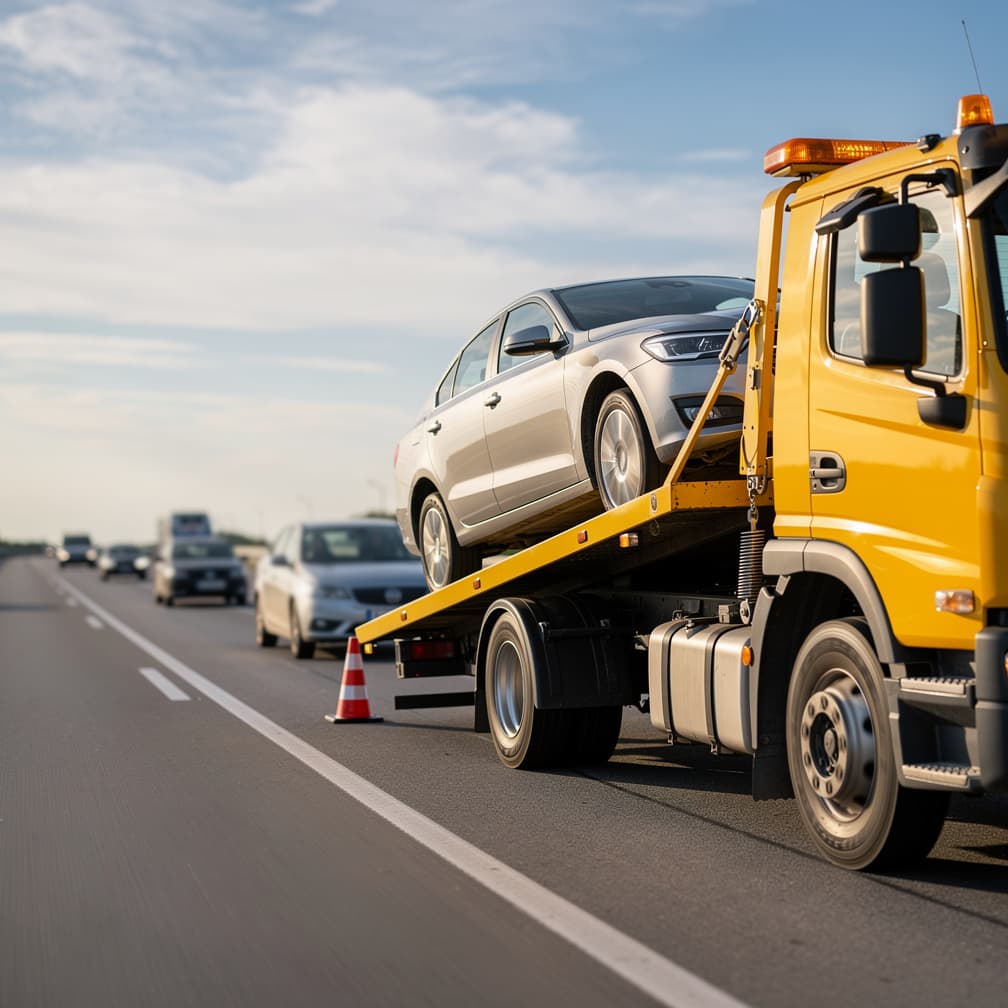
A lot of local towing owners start this review right before a downtown lease is signed, a municipal vendor packet asks for proof of coverage, or summer traffic picks up and dispatch volume changes. On-hook towing in Juneau means paying attention to where your truck actually works: tight parking areas near the waterfront, apartment and retail calls around the valley, and vehicle handoffs where customer cars spend more time attached, loaded, or waiting for delivery. You are checking whether your limits, exclusions, and handling terms fit short local tows, impounds, dealer moves, and service calls that can stack up in the same week, not just comparing a policy form. Juneau City and Borough has 1,128 business establishments, which means a meaningful share of your work can come from commercial accounts that expect clean certificates and clear claim handling before they send repeat jobs. If your book mixes private calls with shop, fleet, or property-management dispatches, ask for a quote built around those handoff points, not just your truck count.
On-Hook Towing Insurance Risk Factors in Juneau
Juneau's top risk factors include Earthquake damage, Liquefaction risk, Landslide, and Infrastructure failure.
Alaska has a moderate climate risk rating. Top hazards: Earthquake (Very High), Wildfire (High), Avalanche (High), Tsunami (Moderate). The state's expected annual loss from natural hazards is $280M, which influences on-hook towing insurance premiums and may affect coverage availability in high-risk areas.
What On-Hook Towing Insurance Covers
In Alaska, the practical review is less about repeating the basic definition of on-hook coverage and more about matching it to the way your jobs actually unfold. A straightforward in-town tow can become a more complicated file if the vehicle is picked up on ice, transferred at a repair facility after hours, or unloaded on a narrow shoulder where traction and visibility change the risk. Your policy review should focus on those operating moments, because that is where disputes over damage often start.
Ask for wording that fits your real towing methods. If you run flatbeds, wheel-lifts, dollies, or winching equipment in the same operation, the quote should reflect that mix instead of assuming one uniform job type. If you handle disabled pickups, SUVs, work vans, or vehicles carrying tools and gear, tell the agent how often each shows up.
You should also review how the policy interacts with the rest of your towing program. A claim involving a customer vehicle can overlap with questions about storage, garagekeepers, general liability, or physical damage to your own truck, depending on what happened before and after the tow. That is especially important if your operation moves vehicles between roadside pickup, temporary lot storage, and a repair shop in one chain of custody.
Alaska buyers should be especially careful with exclusions tied to recovery work, unattended vehicles, specialty units, or jobs outside the normal dispatch area. If a large share of your work comes from difficult recoveries or long-distance transport, ask the agent to walk through sample claim scenarios before committing to a policy. That gives you a cleaner picture of what is being insured, what needs endorsement review, and where a gap could still remain.
Coverage Included
Collision on Hook
Covers damage to towed vehicles from collisions during transport.
Comprehensive on Hook
Covers theft, fire, and weather damage to vehicles being towed.
Loading & Unloading
Covers damage during the process of loading and unloading vehicles.
Winching Coverage
Covers damage to vehicles during winching and recovery operations.
Multiple Vehicle
Covers all vehicles on multi-car carriers and rollback flatbeds.
Industries & Insurance Needs in Juneau
Commercial dispatch mix is the local pressure point. In the county containing Juneau, the leading sectors by establishment share are retail trade at 11.7%, health care and social assistance at 11.3%, and construction at 11%. That mix matters for on-hook buying because each source sends different vehicles, parking conditions, and urgency. Retail accounts can mean tighter lots and more customer traffic during hookup. Health care related calls can involve time-sensitive relocations where documentation and careful vehicle handling matter. Construction work can bring pickups and work vehicles with equipment or jobsite wear that should be described accurately before a loss happens. If those accounts are part of your dispatch flow, ask the agent to review where vehicles are picked up, how long they stay in your care, and whether your on-hook terms fit commercial rather than mostly roadside personal-auto work.
What Makes Juneau Different
Commercial concentration is what changes the calculus here. This is not just a market of random roadside calls. Juneau City and Borough reports 1,128 business establishments, and that density can translate into more recurring relationships with landlords, retailers, clinics, contractors, and fleet-adjacent accounts that want dependable towing support. For on-hook coverage, that shifts the conversation toward custody details: who releases the vehicle, where keys change hands, whether a unit sits on your truck between stops, and how a damage allegation would be documented. A policy that looks acceptable for occasional consumer tows may need a closer review if your revenue depends on repeat commercial dispatches and account retention. The practical move is to map your top call sources before quoting, then walk the underwriter through private-party roadside work versus shop, property, and business-account tows so they see the real exposure, especially the moments when a customer vehicle is most vulnerable.
Our Recommendation for Juneau
Start with your dispatch log, not your declarations page. Break out the last stretch of calls by source: private owner, repair shop, property manager, dealer, public entity, or business account. That helps you show whether your operation is mostly quick local transports or a broader mix with more handoffs and waiting time while a vehicle is in your care. Juneau median household income is $100,513, so many vehicles you tow may represent significant household assets, and even a modest damage dispute can become a serious customer-service and claim issue. Ask for a review of on-hook limits, any deductible that applies to vehicle damage, and how the policy treats loading, unloading, storage-adjacent handling, and subcontracted work if you ever refer overflow calls. If you serve commercial accounts, request sample certificate language early and confirm your policy details match what those clients usually ask to see before assigning regular work.
Get On-Hook Towing Insurance in Juneau
Enter your ZIP code to compare on-hook towing insurance rates from carriers in Juneau, AK.
Business insurance starting at $25/mo
FAQ
Frequently Asked Questions
Juneau commercial towing often means more repeat-account work and more documented handoffs. With 1,128 business establishments in Juneau City and Borough, ask for a quote that reflects shop, property, retail, and fleet-related dispatches, not only private roadside calls.
Juneau's industry mix shapes the kinds of vehicles and pickup settings you handle. Retail trade is 11.7%, health care and social assistance 11.3%, and construction 11%, so describe lot conditions, urgency, and vehicle types before binding.
Juneau operators with business-account dispatches should review limits around the moments a vehicle is attached, loaded, or awaiting delivery. Commercial clients often expect clear certificates and organized claim handling, so ask how your on-hook terms respond to those custody points.
Juneau households have a median income of $100,513, which can signal higher-value vehicles and less tolerance for unresolved damage disputes. Review deductibles, documentation procedures, and claim reporting steps before you rely on a basic on-hook setup.
Juneau buyers with policy or filing questions can look to the Alaska Division of Insurance for insurance oversight. Make sure your local dispatch mix and vehicle-handling process are described accurately from the start.
Longer, more remote, or more difficult runs can increase the chance of a severe claim, so pricing reflects that reality. When you request a quote, describe where your trucks actually operate so the policy is built around your real dispatch territory.
Alaska tow companies should disclose recovery work early because it can be underwritten differently from routine roadside towing or scheduled transport. If recovery jobs are part of your week, ask how they are classified before committing to a policy.
Alaska insurance policies are regulated by the Alaska Division of Insurance. That matters when you review forms, endorsements, and complaint procedures, so confirm the issuing insurer and policy paperwork before you choose between quotes.
Sources
- 1.U.S. Census Bureau, County Business Patterns, Juneau City and Borough(Juneau City and Borough has 1,128 business establishments, so a meaningful share of your work can come from commercial accounts that expect clean certificates and clear claim handling before they send repeat jobs.; In the county containing Juneau, the leading sectors by establishment share are retail trade at 11.7%, health care and social assistance at 11.3%, and construction at 11%.)
- 2.U.S. Census Bureau, ACS 5-Year Estimates, table B19013(Juneau median household income is $100,513, so many vehicles you tow may represent significant household assets, and even a modest damage dispute can become a serious customer-service and claim issue.)
- 3.Alaska Division of Insurance(Juneau buyers with policy or filing questions can look to the Alaska Division of Insurance for insurance oversight.)
Updated July 16, 2026