Updated July 16, 2026

Business Owners Policy Insurance in Arizona
If you run a storefront in Phoenix, a café in Tucson, or a service shop in Mesa, a business owners policy is often the right place to start. It combines property protection and liability coverage in one policy. That matters here because Arizona's insurance market is competitive, with carriers actively pricing around local risk. Arizona's 176,300 businesses are 99.5% small businesses, which means most owners need a practical small business insurance bundle rather than separate policies. The risk profile is also very local. Extreme heat poses a very high risk to your property, while wildfires and dust storms present high risk, and flash flooding can disrupt operations in ways that directly affect your property and income coverage. A BOP can be especially relevant for businesses with inventory, equipment, or a leased location in places like Scottsdale, Chandler, Glendale, or Flagstaff, where property exposure and temporary shutdown risk can vary by neighborhood and building type. If you are comparing quotes, the details you bring to the application matter. Your premises size, revenue, claims history, and location can shape the options you see.
What Business Owners Policy Insurance Covers
In Arizona, a BOP typically combines commercial property and general liability in one package, with business income coverage often included for covered shutdowns. That means the policy can help with building-related losses, equipment, and inventory at a fixed location, while liability coverage addresses third-party injury or property damage claims tied to your premises or operations. For Arizona businesses, the property side is especially relevant where wildfire smoke, dust storms, extreme heat, and flash flooding can affect roofs, HVAC systems, refrigeration, signage, or stock. A BOP can also be customized with equipment breakdown coverage, which is useful for businesses that depend on cooling systems, kitchen equipment, or point-of-sale hardware in the state's heat-heavy climate. Some carriers may offer hired and non-owned auto coverage as an endorsement, but that is separate from the core BOP structure and varies by insurer. Arizona does not set one universal BOP mandate for all businesses, so requirements depend on your industry, lease, lender, and business size. If you have employees, Arizona requires workers compensation separately, with exemptions for sole proprietors, partners, working members of LLCs, and casual workers. That coverage is separate from your policy and must be handled on its own.
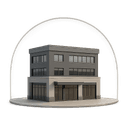
Commercial Property
Can help repair or replace your building, equipment, inventory, and furnishings after covered events like fire, wind, or theft.

General Liability
Can help cover customer injuries, damage to property owned by others, and related legal costs your business becomes responsible for.
Business Income
May replace lost income and help pay rent, payroll, and other continuing expenses while covered damage forces a temporary shutdown.

Equipment Breakdown
Typically covers repair or replacement when equipment like air conditioning, refrigeration, or computers fails from a sudden mechanical or electrical breakdown.
Hired & Non-Owned Auto
May respond when vehicles your business rents or employees' personal cars are used for work and cause an accident.
Business Owners Policy Insurance Requirements in Arizona
- Arizona businesses with at least one employee must carry workers compensation. Sole proprietors, partners, working members of LLCs, and casual workers are exempt from that requirement.
- The Arizona Department of Insurance and Financial Institutions regulates the market, so policy terms and endorsement availability should be verified through licensed channels.
- A standard BOP usually includes commercial property, general liability, and business income coverage, but equipment breakdown and hired and non-owned auto coverage are endorsements that vary by carrier.
- Coverage requirements may vary by industry and business size, especially for businesses that may not qualify for a standard BOP because of higher-risk operations.
How Much Does Business Owners Policy Insurance Cost in Arizona?
Average Cost in Arizona
$45 - $170
per month
Businesses in Arizona typically see business owners policy insurance premiums of $45 - $170 per month, which tends to run 2% above the national range of $50 - $160 per month.
- Annual revenue and industry class
- Building and contents values
- Square footage and building age
- Catastrophe exposure at your address
- Liability limits and property deductibles
- Claims history
Contact CPK Insurance for a personalized quote.
Business owners policy cost in Arizona is shaped by a near-national-average premium environment, meaning you can generally expect pricing in line with national trends, and a market where many insurers are competing. Your premium may depend on your location, claims history, industry, coverage limits, deductibles, and endorsements. In Arizona, climate exposure can matter more than in milder states because extreme heat is very high and wildfire and dust storm risk are high. That can influence the property portion of your policy for businesses in exposed buildings or areas with costly repair potential. A retail shop with inventory in Phoenix may see different pricing pressure than a professional office in Tempe or a café in Flagstaff because equipment, stock, and business income coverage are priced around the actual loss potential. If you want a quote, be ready to discuss your premises, annual revenue, inventory, and whether you want add-ons like equipment breakdown coverage.
| BOP Component | What's Included | Typical Limits |
|---|---|---|
| General Liability | Third-party injury, property damage, advertising injury | $1M/$2M |
| Commercial Property | Building, equipment, inventory, fixtures | Replacement cost |
| Business Interruption | Lost income + ongoing expenses during shutdown | 12 months coverage |
| Cyber (Endorsement) | Data breach response and liability | $50K to $100K |
| EPLI (Endorsement) | Employment discrimination, harassment claims | $50K to $250K |
| Equipment Breakdown | Mechanical/electrical equipment failure | Varies by equipment value |
General Liability
- What's Included
- Third-party injury, property damage, advertising injury
- Typical Limits
- $1M/$2M
Commercial Property
- What's Included
- Building, equipment, inventory, fixtures
- Typical Limits
- Replacement cost
Business Interruption
- What's Included
- Lost income + ongoing expenses during shutdown
- Typical Limits
- 12 months coverage
Cyber (Endorsement)
- What's Included
- Data breach response and liability
- Typical Limits
- $50K to $100K
EPLI (Endorsement)
- What's Included
- Employment discrimination, harassment claims
- Typical Limits
- $50K to $250K
Equipment Breakdown
- What's Included
- Mechanical/electrical equipment failure
- Typical Limits
- Varies by equipment value
How Arizona compares with the national baseline
Property crime per 100,000 residents
2,940 vs 2,200 baseline
Property crime in Arizona runs above the national average, at 2,940 vs 2,200 incidents per 100,000 residents.
Blue bar: Arizona. Gray line: national baseline.
Prices shown are general estimates, not guaranteed rates or quotes. Your actual premium will depend on the insurer, coverage selected, business details, location, claims history, and other underwriting factors. Learn about our pricing methodology.
Request a Quote Comparison
Enter your ZIP code to compare business owners policy insurance rates from top carriers.
Business insurance starting at $25/mo
Who Needs Business Owners Policy Insurance?
A BOP is often a strong fit for Arizona small businesses that lease or own a physical location, keep inventory on-site, or rely on equipment to stay open. Retailers in Scottsdale, Tucson, and Mesa may need commercial property and general liability because they have customer traffic, merchandise exposure, and a real interruption risk if a covered event forces a temporary closure. Restaurants and food-service businesses across Phoenix, Glendale, and Chandler often look closely at business income coverage because refrigeration, cooking equipment, and heat-sensitive operations can be disrupted by property losses or utility-related shutdowns. Offices and service firms in Tempe, Gilbert, and Surprise may also benefit if they keep computers, furnishings, and client-facing space at a fixed location. Arizona's economy spans healthcare, retail, food service, construction, and professional services, so the businesses most likely to evaluate a BOP are the ones with premises, stock, or equipment to protect. Construction firms may need to check eligibility carefully because higher-risk classes may not qualify for a standard BOP and may need separate policies. Many small businesses with modest revenue, a manageable headcount, and premises under a moderate footprint fit the typical BOP profile, though carrier rules vary. If you operate in a wildfire-prone area, near flood-prone washes, or in a building with expensive HVAC and refrigeration, the property coverage piece becomes more important because Arizona's climate and disaster history can affect downtime and repair costs.
Business Owners Policy Insurance by City in Arizona
Business Owners Policy Insurance rates and coverage options can vary across Arizona. Select your city below for localized information:
How to Buy Business Owners Policy Insurance
Start by confirming whether your business fits typical BOP eligibility, then gather your key business details. You will want your location, revenue, square footage, payroll if requested, and a list of equipment and inventory you want covered. In Arizona, the Department of Insurance and Financial Institutions regulates the market, so buying through a licensed carrier or agent is the normal path, and the state recommends comparing quotes from multiple carriers. When you request a quote, ask how the carrier handles commercial property and general liability, whether business income coverage is included, and what endorsements are available for equipment breakdown or hired and non-owned auto. You should also ask how the carrier treats wildfire, dust storm, and flash flooding exposures because those hazards can affect the property part of your policy. If you need workers compensation, remember that Arizona requires it for businesses with at least one employee, so it is usually purchased separately from the BOP. For businesses with a lease, lender, or franchise agreement, review whether the contract sets minimum requirements, such as liability limits or proof of property coverage. To get started, gather your address, square footage, revenue, inventory values, claims history, and desired limits, then compare quotes from multiple carriers licensed in Arizona through an agent or broker.
How to Save on Business Owners Policy Insurance
The most practical way to manage business owners policy cost in Arizona is to align the policy with your real risk. Because Arizona premiums are close to the national average but shaped by local hazards, you can often reduce waste by choosing deductibles and limits that fit your building, inventory, and cash flow. Businesses in Phoenix, Tucson, and the surrounding metro areas should ask whether they need every endorsement on day one, especially if equipment breakdown or hired and non-owned auto coverage is optional rather than required by contract. If you lease a small office or retail space, ask the carrier to separate what the landlord insures from what you insure so you are not duplicating property protection. Multi-policy placement can help if you also need workers compensation, since Arizona requires it for businesses with at least one employee and many carriers will quote both lines together. You may also see better pricing discipline by comparing multiple carriers because the state explicitly recommends shopping quotes. Keep your claims history clean, since that is one of the main pricing factors, and update your square footage, revenue, and inventory values so you are not paying for outdated exposure. Businesses in lower-risk buildings with modern fire suppression, maintained HVAC, and secure storage may also present a more favorable property profile. Finally, ask whether a higher deductible makes sense for your cash reserves, because that can affect the monthly premium without changing the core protection structure of your policy.
Our Recommendation for Arizona
For Arizona buyers, I would treat a BOP as a starting point, not a finish line. The best-fit policy is usually the one that matches your location, your inventory, and your downtime risk in a state where wildfire, dust storms, and extreme heat can all affect operations. If you run a small business in Phoenix, Tucson, Mesa, or Scottsdale, compare several quotes and ask each carrier how business income coverage works after a covered shutdown. Make sure the property limit reflects the actual replacement cost of your equipment and stock, especially if you depend on refrigeration, HVAC, or other heat-sensitive systems. If your business is growing, check whether you still fit standard BOP eligibility and whether your lease or lender adds any coverage requirements. The strongest quote is the one that fits your real exposure, not the one with the fewest line items.
FAQ
Frequently Asked Questions
In Arizona, a BOP usually combines commercial property, general liability, and business income coverage, which is useful if your shop, office, or restaurant has inventory, equipment, or a temporary shutdown after a covered event.
Your price may vary based on location, claims history, industry, coverage limits, deductibles, and endorsements.
There is no single universal BOP requirement for every business in Arizona, but eligibility and contract requirements can vary by industry, business size, lease terms, and lender expectations.
If you have a physical location, inventory, or equipment in Arizona, a BOP can add commercial property and business income coverage that general liability alone does not provide.
Business income coverage can help replace lost income and ongoing expenses if a covered event forces a temporary closure, which is important in Arizona where wildfire, heat-related damage, or flood-related repairs can interrupt operations.
Yes, many carriers offer equipment breakdown coverage as an endorsement, but availability and limits vary, so you should confirm it if you rely on HVAC, refrigeration, or other critical equipment.
Gather your address, square footage, revenue, inventory values, claims history, and desired limits, then compare quotes from multiple carriers licensed in Arizona through an agent or broker.
A BOP bundles general liability insurance, commercial property insurance, and business interruption coverage into a single policy at a discounted rate. Most BOPs can be customized with endorsements for cyber liability, employment practices liability, professional liability, equipment breakdown, and more.
Updated July 16, 2026