







































Updated July 16, 2026

Garage Keepers Insurance in Mesa
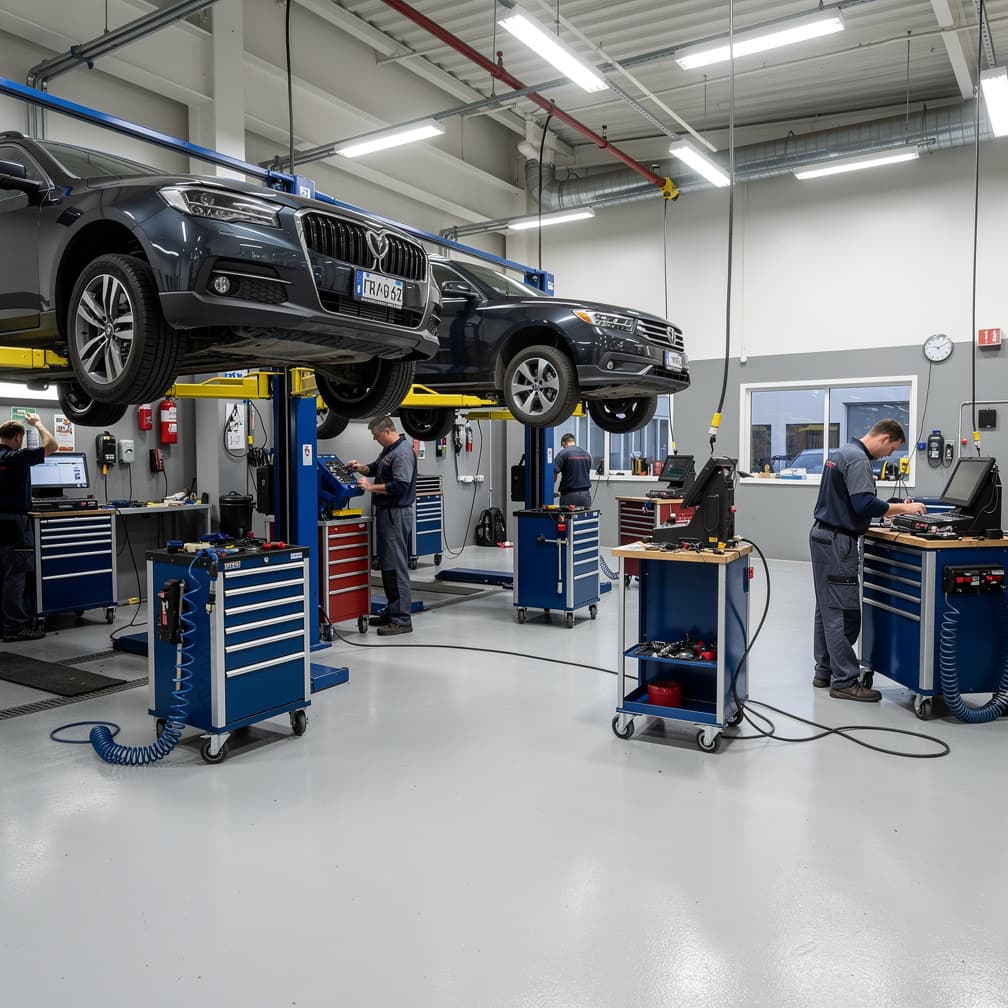
Your day in Mesa often starts with a crowded apron and a few customer drop offs before lunch. Vehicles shift between service bays, side yards, and overnight parking as work stacks up. Some shops handle routine repair and diagnostics, while others mix in body work, detailing, tire service, or short term storage while parts are on order. If customers come from nearby neighborhoods, commuter corridors, or other parts of the East Valley, your coverage review should match how keys are controlled, where vehicles sit after hours, and who moves them between spaces. Reviewing your policy with your actual lot layout and workflow in front of you keeps the conversation grounded in what really happens on your property. A policy review here should get specific about whether customer autos stay inside, outside, behind a gate, or in overflow spaces during busy weeks. It should also account for test drives, employee access, and any handoff points where a loss can turn into a dispute about who had care, custody, or control. Before you request a quote, map the full path a customer vehicle takes from intake to pickup.
Garage Keepers Insurance Risk Factors in Mesa
Mesa's top risk factors include Severe weather, Property crime, Flooding, and Vehicle accidents.
Arizona has a moderate climate risk rating. Top hazards: Extreme Heat (Very High), Wildfire (High), Dust Storm (High), Flash Flooding (Moderate). The state's expected annual loss from natural hazards is $680M, which influences garage keepers insurance premiums and may affect coverage availability in high-risk areas.
What Garage Keepers Insurance Covers
Garage keepers insurance can help protect customer vehicles while they are at your shop for service, storage, or towing. Depending on the form you select, it may help with losses from fire, theft, vandalism, weather, or collision that happens during road tests or lot moves. If your shop keeps customer cars overnight because parts are delayed, if vehicles wait outside for pickup in summer heat, or if a tow-in sits on your lot until an estimate is approved, your policy review should match those situations.
For many businesses, the first distinction to review is indoor versus outdoor storage. A carrier will want to understand whether customer vehicles stay in enclosed service bays, behind locked gates, under shade structures, or in open parking areas that are visible from the street. That affects how underwriters look at theft potential, weather exposure, and how easily a loss can be documented after it happens.
You should also review who can move customer vehicles and under what controls. If porters, technicians, advisors, or lot staff all have access to keys, your application should explain key storage, sign-out procedures, camera coverage, and whether vehicles are ever left unlocked pending pickup. If your operation includes towing, after-hours drop boxes, or sublet work between locations, say so early. Those specifics tell an underwriter more about your actual risk than a generic class code ever will.
Buyers should also compare how their lease, lender documents, and vendor agreements describe responsibility for customer property. If those contracts push more responsibility onto your business than you expected, ask for a policy review instead of finding the mismatch after a claim.
Coverage Included

Collision Coverage
Covers damage to customers' vehicles from collisions while in your care.

Comprehensive Coverage
Covers theft, vandalism, fire, and weather damage to customers' vehicles.

Specified Perils
Covers only specifically named perils at a lower premium.

Legal Liability
Covers damage you or your employees directly cause to a customer's vehicle.

Direct Primary
Pays regardless of fault, the broadest garage keepers coverage available.
What Makes Mesa Different
How many vehicles you handle at once shapes your exposure more than almost anything else. Mesa households report a median household income of $78,779, and roughly 1 in 5 area workers commute by car alone, so a customer whose vehicle sits undrivable for a week may have no realistic backup for getting to work. They notice quickly when a repair delay turns into a storage issue or a damage dispute. Getting your quote aligned with real handling practices, not just square footage and a rough car count, helps your policy reflect the way vehicles actually move through your shop. Maricopa County has 107,648 business establishments, and that volume translates to more commuter and fleet traffic passing through your lot on any given week. If your operation takes in cars from several nearby trade areas, review peak vehicle counts, after hours storage, and whether overflow parking changes by day of week. When intake patterns shift, spell out those shifts before binding coverage so your policy reflects reality.
Our Recommendation for Mesa
Walk your lot before you fill out any paperwork. Count where customer vehicles can actually be parked during a normal week, then again during a backed up week when bays are full and cars sit longer than planned. If you use more than one storage area, ask for each area to be discussed in the quote conversation. This is especially important if visibility, lighting, gating, or employee access differs from one section of the property to another. Maricopa County's leading establishment sectors are professional, scientific, and technical services at 14%, health care and social assistance at 13.8%, and retail trade at 10.2%, so a large share of your customers likely work schedules where a missing vehicle becomes a serious problem fast. They may expect fast communication when a car stays overnight or moves off schedule. That makes documentation part of the insurance decision. Keep intake photos, key control procedures, and move logs current, then compare policy terms against how your staff really handles customer autos before you buy.
Get Garage Keepers Insurance in Mesa
Enter your ZIP code to compare garage keepers insurance rates from carriers in Mesa, AZ.
Business insurance starting at $25/mo
FAQ
Frequently Asked Questions
Lead with a simple map of bays, fenced areas, overnight parking, and any overflow spaces. That helps the quote reflect where customer vehicles are actually stored and moved, instead of relying on a generic description of your operation.
A customer whose only vehicle is in your shop for a week may have limited options for getting to work, so review limits, deductibles, and documentation procedures with that customer expectation in mind.
The volume of commuters and service vehicles on the road increases the variety of cars coming through your doors. If your intake varies by weekday or customer type, make that part of the quote review.
Describe whether vehicles arrive from nearby neighborhoods, commuter routes, or business clients, and whether they stay overnight while parts are ordered. Those patterns affect how often cars are parked, moved, and left in your care.
A meaningful share of your customers likely work schedules where a missing vehicle becomes a serious problem fast. That is a good reason to review storage practices and claim documentation carefully.
Landlords, lenders, and commercial clients often ask for proof before a lease is finalized, equipment obligations are approved, or vehicles are released to your business. Keep your certificate and any required endorsements ready so the coverage shown matches your actual operations.
Repair shops should review it closely when customer vehicles stay overnight, wait on parts, or sit pending pickup. The longer a vehicle remains under your control, the more important it is to match the policy to where it is stored and who can move it.
Carriers often look closely at fenced storage, lighting, camera coverage, and key control because those details help explain how customer vehicles are protected after hours. A clearer security picture can lead to a more accurate quote and fewer underwriting questions.
Sources
- 1.U.S. Census Bureau, ACS 5-Year Estimates, table B19013(Mesa households report a median household income of $78,779.)
- 2.U.S. Census Bureau, County Business Patterns, Maricopa County(Maricopa County has 107,648 business establishments.; Maricopa County's leading establishment sectors are professional, scientific, and technical services at 14%, health care and social assistance at 13.8%, and retail trade at 10.2%.)
Updated July 16, 2026





