







































Updated July 16, 2026

Inland Marine Insurance in Mesa
Many buyers start this review right after signing a downtown lease, scheduling work across several addresses, or realizing that laptops, diagnostic gear, and customer property will spend more time in vehicles and temporary spaces than at one insured premises. The real issue is movement and handoff. Tools unloaded at a morning job site, equipment left with a client all week, or inventory split between a shop, a van, and a storage unit all create exposure that a fixed location policy may not follow. Mesa households and owner operators also tend to watch replacement cost closely. The city's median household income is $78,779, which means a stolen camera kit or specialized work rig can take months of rebuilding savings to replace if your policy leaves mobile property gaps. Before you request quotes, list what property travels, where it sits between jobs, who has custody, and whether any item is rented, borrowed, or owned by a customer.
Inland Marine Insurance Risk Factors in Mesa
Mesa's local difference is less about a unique city rule and more about how often property is in motion or parked between uses. In practice, that means equipment in trucks during multi stop service days, tools stacked at remodel sites, and portable electronics moving between offices, homes, and client locations. Arizona's broader natural hazard profile matters as context, but the city buying decision usually turns on a simpler question: where is the property during the hours it is not inside your main building? If your answer includes **vehicles, open job sites, temporary storage, or customer premises**, ask for item classes and valuation terms that match that pattern. You should also separate high value mobile items from ordinary contents on your schedule, because a blanket approach can leave you arguing over limits after a loss. A useful quote request names the property, the transit pattern, the temporary storage setup, and who is responsible when another party is holding it.
Arizona has a moderate climate risk rating. Top hazards: Extreme Heat (Very High), Wildfire (High), Dust Storm (High), Flash Flooding (Moderate). The state's expected annual loss from natural hazards is $680M, which influences inland marine insurance premiums and may affect coverage availability in high-risk areas.
What Inland Marine Insurance Covers
In Arizona, inland marine insurance is designed for business property that is mobile or temporarily away from the main location, including tools, equipment, materials, and goods moving between job sites, warehouses, or customer locations. For many Arizona businesses, that means the policy can respond when property is in transit on highways between Phoenix, Tucson, and other cities, sitting at a temporary storage site, or installed at a project location before final acceptance. The core coverages that matter most here are tools and equipment, goods in transit, contractors equipment, installation floater, and builders risk, with the right mix depending on whether you are hauling hand tools, heavier machinery, building materials, or items being installed on a job.
Arizona does not impose a special statewide inland marine mandate, but your needs can differ based on your operations, and the market is regulated by the state. That means policy wording, endorsements, and item schedules matter more than a one-size-fits-all assumption. A policy may help cover theft, damage, vandalism, and other perils while property is away from your fixed premises, but exact terms vary by carrier and by how the item is described in the policy. For example, tools and equipment insurance may need a different schedule than contractors equipment, and installation floater may be more relevant when materials are awaiting installation at a job site. Builders risk is also a common consideration for projects with materials exposed during construction rather than after completion.
Coverage Included
Tools & Equipment
Can help repair or replace hand tools, power tools, and gear that are stolen or damaged on the job or in transit.

Goods in Transit
May cover products, materials, and merchandise while they are being shipped or hauled between locations in your care.
Contractors Equipment
Typically covers heavy machinery like excavators, loaders, and generators against theft or damage at job sites and between them.
Installation Floater
Can help cover materials and fixtures from the moment you buy them until they are installed and accepted at a project.
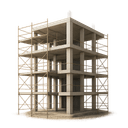
Builders Risk
May cover a structure under construction, along with materials on site, against damage from fire, wind, theft, and vandalism.
Inland Marine Insurance Cost in Mesa
Average Cost in Arizona
$25 - $95
per month
Businesses in Arizona typically see inland marine insurance premiums of $25 - $95 per month, which tends to run close to the national range of $20 - $100 per month.
- Total insured value of the scheduled property
- Type and age of the equipment
- Where it is stored and how far it travels
- Jobsite security and theft prevention
- Per-item limits and deductibles
- Prior theft and in-transit losses
Contact CPK Insurance for a personalized quote.
Prices shown are general estimates, not guaranteed rates or quotes. Your actual premium will depend on the insurer, coverage selected, business details, location, claims history, and other underwriting factors. Learn about our pricing methodology.
Inland marine insurance cost in Arizona depends on coverage limits and deductibles first, then claims history, location, industry or risk profile, and policy endorsements. Severe weather can affect how carriers look at where property is stored, how often it is transported, and whether equipment sits outdoors at job sites or in temporary storage. A contractor moving tools across the Phoenix metro area may face different underwriting questions than a business storing materials near wildfire-prone or storm-exposed areas. Arizona also has an overall crime index of 115, which means property crime sits above the national average and makes theft exposure an important rating factor for mobile business property.
Arizona has 410 active insurance companies, so comparing options is realistic. Nearly all of Arizona's establishments are classified as small businesses, which means right-sizing limits rather than overbuying broad schedules that do not match actual equipment movement is often the smarter approach. To manage cost, choose a deductible you can absorb, and review whether endorsements are adding value or unnecessary cost.
Industries & Insurance Needs in Mesa
Maricopa County's business mix changes the inland marine conversation because so much local work involves property that travels to the client instead of staying at one address. Countywide, there are 107,648 business establishments, and the leading sectors by establishment share are professional, scientific, and technical services at 14%, health care and social assistance at 13.8%, and retail trade at 10.2%. So if you run a design firm with field equipment, a mobile health related service, or a retail operation that moves stock, displays, or point of sale hardware between locations, your quote should be built around mobile property exposures rather than only building contents. This is also why vague applications cause problems. The underwriter needs to know whether you carry laptops, testing devices, instruments, inventory, or customer property off premises, and whether those items stay overnight in vehicles, at event spaces, or at third party locations.
What Makes Mesa Different
Most buyers here are not insuring a warehouse full of stock at one fixed address. They are covering property that rotates through vans, client sites, temporary work areas, and short term holding points during a normal week. The real question is not just what you own, but where it is between stops and who controls it at each stage. Contractors worry about materials left on site, while consultants and technicians carry laptops and diagnostic tools from appointment to appointment. Households and sole proprietors face the same question when valuable gear regularly leaves home for paid work. Compare quotes that address those facts directly rather than assuming your main property policy follows everything everywhere.
Our Recommendation for Mesa
Start with a property schedule, not a premium target. List the items that travel, their approximate replacement cost, how often they leave your main location, and whether they sit in a vehicle, trailer, job box, or customer space. Ask each insurer how the quote treats temporary locations, transit, unattended vehicles, rented equipment, and property belonging to others. When your work involves frequent handoffs, request wording that matches custody changes rather than assuming a standard form will respond the way you expect. If you are comparing this with a homeowners, business owners, or commercial property policy, focus on the off premises gap first, because that is usually where buyers discover the need. If a claim or wording dispute ever arises, the Arizona Department of Insurance and Financial Institutions is the state regulator. Clear up valuation, exclusions, and item classes before you bind coverage.
Get Inland Marine Insurance in Mesa
Enter your ZIP code to compare inland marine insurance rates from carriers in Mesa, AZ.
Business insurance starting at $25/mo
FAQ
Frequently Asked Questions
Mesa businesses often need a closer review when tools and equipment spend the day in trucks or at changing job sites. If property regularly leaves your insured premises, ask for a quote built around transit, temporary storage, and overnight vehicle exposure.
Mesa service firms should schedule the mobile property that actually travels, especially laptops, instruments, and specialized gear used off site. The key question is where those items are between appointments and whether another party ever has custody.
Maricopa County has 107,648 business establishments, with professional, scientific, and technical services at 14 percent, health care and social assistance at 13.8 percent, and retail trade at 10.2 percent. That mix means many local firms operate from vehicles and client sites rather than a single storefront, so mobile equipment and stock are common exposures a standard policy may not protect off site.
Mesa households may need this review when cameras, musical equipment, tools, or other valuable gear regularly leave home for paid work. At those income levels, replacing a single high value item out of pocket can derail a family budget for months.
Mesa quote requests work better when you provide an item list, replacement values, transit patterns, temporary storage details, and who holds the property at each stage. That gives the underwriter a clearer basis for matching limits and valuation to your actual operations.
In Arizona, it is designed for property that moves between job sites, customer locations, or temporary storage, including tools, equipment, building materials, and shipped goods. The policy is commonly used when items are away from a fixed business location and need protection during transit or on site.
The policy can follow covered property while it is at a job site, in temporary storage, or waiting to be installed, but the exact response depends on the carrier form and endorsements. Arizona buyers should confirm whether storage yards, trailers, and offsite locations are included before binding.
Contractors, electricians, plumbers, landscapers, photographers, caterers, IT service providers, and businesses that ship goods or hold customer property are common Arizona users. It is especially relevant if your property regularly moves across Phoenix, Tucson, Mesa, or other cities.
Sources
- 1.U.S. Census Bureau, ACS 5-Year Estimates, table B19013(Mesa's median household income is $78,779, so replacing specialized mobile property out of pocket can be a meaningful financial hit.)
- 2.U.S. Census Bureau, County Business Patterns, Maricopa County(Maricopa County has 107,648 business establishments, and the leading sectors by establishment share are professional, scientific, and technical services at 14%, health care and social assistance at 13.8%, and retail trade at 10.2%.)
- 3.Arizona Department of Insurance and Financial Institutions(The Arizona Department of Insurance and Financial Institutions is the state regulator.)
Updated July 16, 2026





