








































Updated July 16, 2026

Commercial Truck Insurance in Phoenix
A lot of trucking businesses here work out of small yards, shared industrial space, or leased warehouse bays, then spend the day moving between distribution stops, retail receivers, medical accounts, and contractor deliveries across the Valley. That operating pattern shapes what you should review. A quote for commercial truck insurance in Phoenix should match where units are parked after hours, whether drivers cross dense surface-street corridors between short stops, and how often you swap between box trucks, pickups with trailers, or heavier straight trucks during the week. Maricopa County has 107,648 business establishments, which means a high volume of shippers, vendors, and property managers who want current certificates before freight is accepted or dock access is granted. When a certificate is late, loads sit and docks stay closed, so administrative reliability belongs in the coverage conversation alongside limits. If your operation serves recurring commercial accounts, ask for a review that lines up hired and non-owned auto exposure, trailer interchange if applicable, and certificate turnaround with how your dispatch actually runs.
Commercial Truck Insurance Risk Factors in Phoenix
Phoenix's top risk factors include Severe weather, Property crime, Flooding, and Vehicle accidents.
Arizona has a moderate climate risk rating. Top hazards: Extreme Heat (Very High), Wildfire (High), Dust Storm (High), Flash Flooding (Moderate). The state's expected annual loss from natural hazards is $680M, which influences commercial truck insurance premiums and may affect coverage availability in high-risk areas.
What Commercial Truck Insurance Covers
Commercial truck insurance in Arizona is built around the way your trucks actually operate, not just the vehicle type. A typical policy can include motor carrier liability, physical damage, cargo coverage, trailer interchange, bobtail coverage, and non-trucking liability insurance, with each part serving a different trucking risk. Motor carrier liability is especially important for fleets and owner-operators who move regulated freight. Cargo insurance can respond to theft, damage, or loss of freight in transit. Physical damage helps with repair or replacement after a collision or other covered loss, and trailer interchange matters if you use trailers that are not owned by you.
Arizona does not add a special truck insurance mandate beyond standard commercial auto minimums. However, commercial trucking accounts often need higher limits because FMCSA freight requirements and shipper contracts can exceed those minimums. That is why requirements often vary by load type, fleet size, and whether you haul general freight or higher-risk cargo. Your policy can also be shaped by endorsements, deductibles, and how often your trucks travel through areas exposed to dust storms, flash flooding, or wildfire-related closures. The Arizona Department of Insurance and Financial Institutions regulates the market, so policy wording and filings should be reviewed carefully before binding.
Coverage Included

Motor Carrier Liability
Can help cover injuries and property damage your truck causes to others, a coverage federal regulators require most for-hire carriers to maintain.
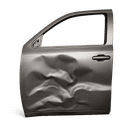
Physical Damage
Can help pay to repair or replace your own truck after an accident, fire, theft, or vandalism.
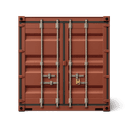
Cargo Coverage
May pay for damage to or theft of the freight you are hauling while it is in your care.
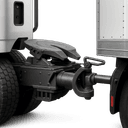
Trailer Interchange
Can help cover damage to trailers you haul under an interchange agreement but do not own.

Bobtail Coverage
May provide liability protection when you drive your tractor without a trailer attached, such as after dropping off a load.

Non-Trucking Liability
Can help cover accidents that happen when you use your truck for personal errands rather than dispatched work.
Commercial Truck Insurance Cost in Phoenix
Average Cost in Arizona
$480 - $1,175
per month
Businesses in Arizona typically see commercial truck insurance premiums of $480 - $1,175 per month, which tends to run 9% above the national range of $400 - $1,125 per month.
- Radius of operation
- Commodities hauled and cargo value
- Number and value of power units
- Driver motor vehicle records and CDL experience
- DOT safety record, inspections, and FMCSA scores
- Liability limits and physical damage deductibles
Contact CPK Insurance for a personalized quote.
Prices shown are general estimates, not guaranteed rates or quotes. Your actual premium will depend on the insurer, coverage selected, business details, location, claims history, and other underwriting factors. Learn about our pricing methodology.
Commercial truck insurance cost in Arizona is influenced by the state's moderate overall risk profile, but local hazards still matter. That keeps the market close to the national baseline, with rates about 5 percent above average.
Arizona's operating environment can push pricing in different directions because carriers rate extreme heat as very high, wildfire and dust storm risk as high, and flash flooding as moderate. They may pay close attention to route geography, parking practices, and how often a truck runs through exposed corridors. Arizona also logged 128,000 crashes in 2023, with distracted driving, speeding, reckless driving, and drowsy driving among the top causes. That volume of collisions can push up liability and physical damage premiums, especially for fleets running high-mileage routes. The state's uninsured driver rate is 11.8 percent, meaning roughly one in eight drivers lacks insurance. When a crash involves an uninsured driver, your carrier may end up paying for damage that the other party should have covered, which is why insurers often price collision exposure higher on busy routes.
The market is competitive, with a large field of active insurance companies. That competition can help you compare quotes across several sources. Your final price still depends on freight type, vehicle mix, driver records, and whether you add cargo or bobtail coverage.
Industries & Insurance Needs in Phoenix
Maricopa County's business mix changes what many truck operators are asked to haul and where they deliver. Professional, scientific, and technical services account for 14% of county establishments, health care and social assistance 13.8%, and retail trade 10.2%, so a local route can involve office equipment, medical-related deliveries, and frequent retail replenishment in the same book of business. That matters because cargo type, stop frequency, loading practices, and delivery-site conditions can shift from one customer class to the next even when the radius stays tight. If your trucks serve clinics, office tenants, storefronts, or mixed commercial accounts, review whether your policy structure fits time-sensitive deliveries, driver handoffs, and any equipment or goods in transit that create a higher paperwork burden after a loss. A generic fleet setup can miss how varied these county customer segments really are.
What Makes Phoenix Different
Short-haul density changes the calculus here. In many metro areas, trucking coverage is driven mainly by long interstate mileage. Here, exposure builds through repeated starts, stops, backing, loading, unloading, and certificate requests tied to commercial accounts spread across one large urban service area. Your loss profile may be shaped less by a single long trip and more by how often drivers enter lots, alleys, docks, medical campuses, retail centers, and contractor sites in one day. Phoenix buyers should treat route design and vehicle use class as core underwriting details, not afterthoughts. If one truck handles palletized deliveries in the morning, jobsite materials at midday, and a retail run later on, say that clearly during quoting. An application that captures stop count, garaging, trailer use, and who loads or unloads makes it easier to compare terms that fit the operation you actually run.
Our Recommendation for Phoenix
Start with the schedule you run most weeks, not the one clean version you wish underwriters saw. List each vehicle's usual territory and overnight parking situation, and flag any accounts that require certificates before access is granted. If you serve higher-income households or premium residential areas, note that Phoenix median household income is $77,041, meaning some deliveries may involve tighter customer expectations, higher-value property around the vehicle, and faster pressure to resolve damage claims. Higher property values and quicker claim expectations can shape deductible and limit decisions. Also separate true commercial hauling from occasional personal use, borrowed trailers, or employee-owned vehicles used for errands. Before renewing, ask for a line-by-line review of listed drivers, vehicle symbols, radius, and any endorsements tied to loading, unloading, or non-owned auto use.
Get Commercial Truck Insurance in Phoenix
Enter your ZIP code to compare commercial truck insurance rates from carriers in Phoenix, AZ.
Business insurance starting at $25/mo
FAQ
Frequently Asked Questions
Be ready to describe stop count, delivery radius, overnight parking, and trailer use. The more precisely you capture how vehicles move during the week, the more accurate your quote comparison becomes.
Phoenix commercial accounts often expect proof of coverage before dock access or vendor approval. When a certificate is late, loads sit and docks stay closed, so administrative reliability belongs in the coverage conversation alongside limits.
Phoenix-area delivery businesses often serve mixed customer classes. In Maricopa County, professional services are 14% of establishments, health care and social assistance 13.8%, and retail trade 10.2%. That mix means a single truck may face very different dock conditions, cargo handling rules, and site access requirements across one day's stops.
Phoenix fleets should review hired and non-owned auto whenever dispatch relies on rented vehicles, employee errands, or temporary substitutions. If your operation uses flexible staffing or fills delivery gaps with vehicles you do not own, that exposure belongs on the application.
Your renewal goes better when you update garaging, driver lists, vehicle use, and any new trailer or subcontracted work before the policy is marketed. A clean schedule helps you compare terms based on current operations instead of last year's assumptions.
In Arizona, it can be built around motor carrier liability, physical damage, cargo coverage, trailer interchange, bobtail coverage, and non-trucking liability insurance, depending on whether you run local, regional, or long-haul trucking.
Arizona's commercial auto minimums are $25,000/$50,000/$15,000, but trucking businesses may need higher liability limits to meet FMCSA rules, shipper contracts, or the needs of a specific freight class.
The Arizona range is about $480 to $1,175 per month per truck, and the price changes based on coverage limits, deductibles, claims history, location, risk profile, and endorsements.
Sources
- 1.U.S. Census Bureau, County Business Patterns, Maricopa County(Maricopa County has 107,648 business establishments, so local trucking buyers often deal with a high volume of shippers, vendors, and property managers that want current certificates before freight is accepted or dock access is granted.; Professional, scientific, and technical services account for 14% of county establishments, health care and social assistance 13.8%, and retail trade 10.2%, so a local route can involve office equipment, medical-related deliveries, and frequent retail replenishment in the same book of business.)
- 2.U.S. Census Bureau, ACS 5-Year Estimates, table B19013(Phoenix median household income is $77,041, so some deliveries may involve tighter customer expectations, higher-value property around the vehicle, and faster pressure to resolve damage claims.)
Updated July 16, 2026





