Updated July 16, 2026

Dealer Open Lot Insurance in Phoenix
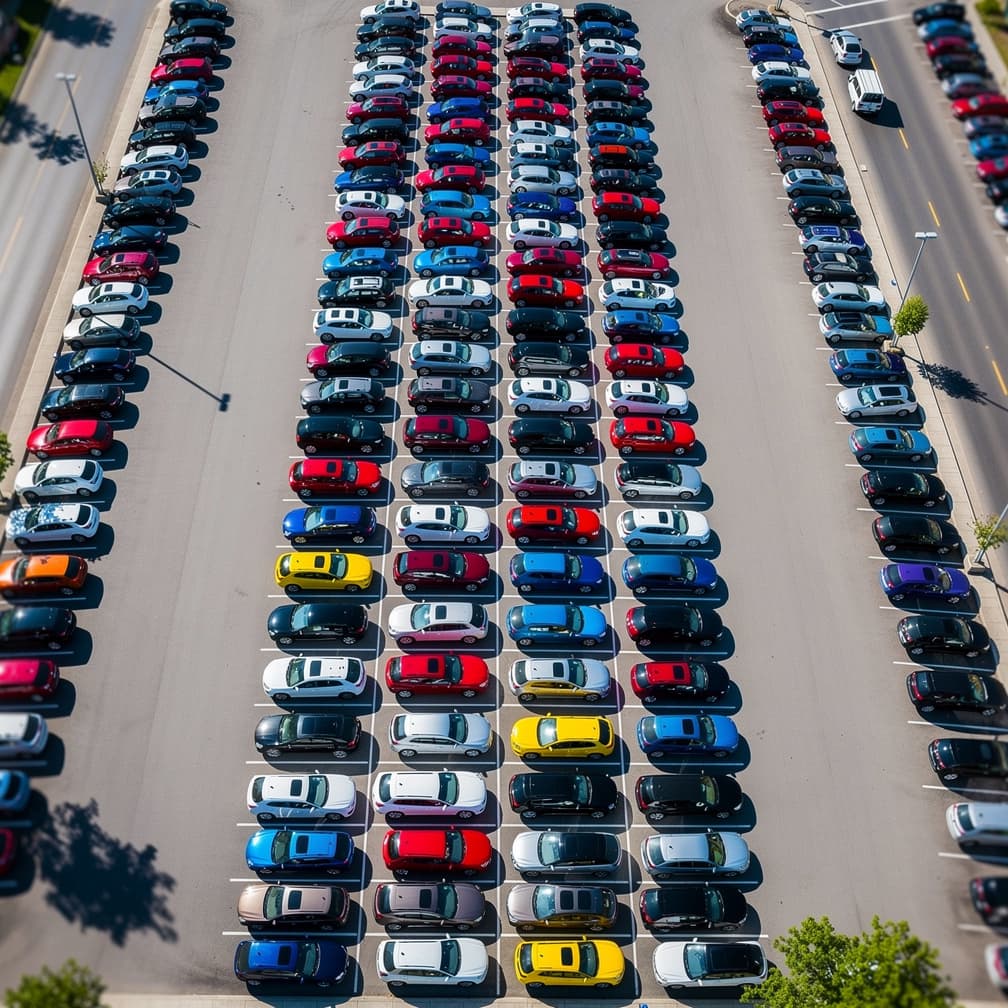
A dust storm pushes across the Valley late in the day, visibility drops, and a row of sale units sitting nose-out near a perimeter fence takes the hit before staff can react. That is the local version of the problem dealer open lot insurance in Phoenix is meant to address: inventory that spends long hours outdoors, often on highly visible frontage, with weather and after-hours exposure happening at the same time. Here, the review is less about abstract vehicle counts and more about how your lot actually functions on a hot, fast-moving metro footprint. If you keep overflow units offsite, stage vehicles tightly to maximize frontage, or move inventory between rooftops and satellite storage during the week, your quote should show that operating pattern clearly. A useful submission usually includes where vehicles sit overnight, how keys are controlled, what fencing and lighting protect the perimeter, and whether temporary storage changes during peak buying periods. That gives an underwriter a cleaner picture of how loss could happen and what controls you already use.
Dealer Open Lot Insurance Risk Factors in Phoenix
The local risk is **outdoor concentration under abrupt weather conditions**. In the Valley, dealers often store inventory in open rows with little natural shielding, so wind-driven dust, debris, and sudden visibility loss can turn a routine afternoon into a multi-unit claim. That matters even more if your lot uses overflow parking, backs up to alleys or commercial neighbors, or leaves high-value units along the most exposed edge for merchandising. The practical review is operational: how quickly can staff secure the lot, whether vulnerable vehicles are grouped in the most protected area, and how after-hours access is controlled once weather moves in. If your operation relies on more than one storage area, ask for each location to be scheduled correctly rather than assuming the main lot description tells the whole story. You should also document fencing, gate routines, camera placement, lighting, and any protocol for moving inventory before a major weather event, because those details can change how an underwriter views the exposure.
Arizona has a moderate climate risk rating. Top hazards: Extreme Heat (Very High), Wildfire (High), Dust Storm (High), Flash Flooding (Moderate). The state's expected annual loss from natural hazards is $680M, which influences dealer open lot insurance premiums and may affect coverage availability in high-risk areas.
What Dealer Open Lot Insurance Covers
In Arizona, the useful review is not the basic idea of lot coverage. It is how the policy responds to the way your inventory is actually staged across the property. A dealership with front-line display units, overflow rows along the side fence, and a separate reconditioning or holding area creates different exposure points. Your quote should reflect your actual operating routine and the specific layout of your property.
For many Arizona dealers, the first coverage conversation is about where units sit during business hours, after closing, and during temporary movement between addresses. When vehicles are kept at a secondary lot, a repair location, or a nearby storage yard, ask for those locations to be reviewed specifically rather than assumed. Operations that rotate inventory quickly should confirm how newly acquired units are treated before they are added to regular reporting. Dealers holding higher-value vehicles should ask whether any sublimits, valuation method, or security conditions change the way a claim would be adjusted.
Arizona weather and site conditions mean a dealer needs to understand how a policy handles outdoor storage, glass damage, vandalism, theft-related loss, and damage that happens while vehicles are being repositioned on the premises. If customer test drives, dealer trades, or temporary offsite display events are part of your sales process, bring those up early so they are reviewed instead of discovered after a loss. The practical step is to compare your lot diagram, key control process, and movement patterns against the proposed coverage before binding.
Coverage Included

Weather Damage
Covers hail, wind, flood, and storm damage to lot inventory.
Theft Protection
Covers vehicles stolen from your lot.
Fire Damage
Covers fire and explosion damage to inventory vehicles.

Vandalism
Covers intentional damage to vehicles on your lot.
Test Drive Coverage
Covers vehicles during customer and employee test drives.

Transit Coverage
Covers vehicles being moved between lot locations.
Industries & Insurance Needs in Phoenix
Maricopa County has 107,648 business establishments, so local dealers often operate in a dense commercial environment where frontage, access, and neighboring activity can change how inventory is exposed after hours. The county mix also matters: professional, scientific, and technical services account for 14% of establishments, health care and social assistance 13.8%, and retail trade 10.2%. That concentration supports steady daily traffic patterns around commercial corridors, which can be good for visibility but can also mean tighter sites, more customer movement, and more pressure to use overflow storage creatively. For a dealer, the takeaway is practical. Your submission should explain whether vehicles are displayed, stored, or staged differently during the week, whether nearby business activity affects access control, and whether any secondary storage sits away from your main sales frontage. That kind of lot-specific detail helps separate a well-managed operation from one that simply reports a unit count.
What Makes Phoenix Different
Outdoor inventory density is what changes the calculus here. In a spread-out metro where dealers compete for visible frontage, vehicles often spend long stretches parked outside in configurations designed for merchandising first and protection second. That creates a different underwriting conversation from a smaller market with simpler storage. The question is not just how many units you own, but where they sit, how tightly they are packed, how often they are repositioned, and whether overflow storage becomes part of normal operations rather than an exception. Phoenix also brings a practical weather issue: loss can develop quickly enough that your controls have to work without much lead time. If your lot depends on staff moving vehicles only after conditions worsen, that plan may be weaker than it looks on paper. A stronger approach is to map the most exposed rows, identify the protected areas you actually use, and make sure every storage location and routine is reflected before you request terms.
Our Recommendation for Phoenix
Start with a site-level inventory map, not a generic vehicle schedule. Show where sale units, high-value units, and overflow vehicles sit during a normal week, then note any changes for weekends or seasonal sales pushes. If you use more than one location, ask the agent to confirm each address is reviewed the way you actually use it. You should also be ready to explain key control, gate procedures, lighting, camera coverage, and who has authority to move vehicles when weather turns quickly. Phoenix household income can support shopping across a wide range of vehicle values, and your lot may carry a broader mix than a simple used inventory description suggests. That is a reason to review concentration by vehicle type and value, especially if premium units are displayed near the street. Before binding, ask one direct question: does the quote match your real overnight storage pattern, including overflow and temporary staging, or just the main sales lot description.
Get Dealer Open Lot Insurance in Phoenix
Enter your ZIP code to compare dealer open lot insurance rates from carriers in Phoenix, AZ.
Business insurance starting at $25/mo
FAQ
Frequently Asked Questions
Phoenix dealers usually get a better review when they show where vehicles sit overnight, how overflow storage is used, and what fencing, lighting, cameras, and key controls protect the lot after hours. Those operational details often matter more than a simple unit total.
Phoenix overflow storage should be disclosed if sale inventory regularly sits away from the main lot. A quote built only around the primary sales address can miss how vehicles are actually stored, moved, and exposed during the week.
Maricopa County has 107,648 business establishments, so many dealers operate in dense commercial corridors where access, neighboring activity, and tight sites can affect after-hours exposure. That is a good reason to describe perimeter controls and any secondary storage clearly.
Phoenix dealers should review limits against the actual value concentration on the lot, especially if higher-value units are grouped near frontage or stored in one section. A mixed inventory profile can create a larger single-event exposure than the layout suggests.
Maricopa County business mix includes professional, scientific, and technical services at 14%, health care and social assistance at 13.8%, and retail trade at 10.2%. That supports active commercial corridors, so dealers should explain traffic patterns, display strategy, and overflow storage use.
Arizona dealers that own vehicles for resale and keep them exposed on a lot should review dealer open lot coverage as part of their core insurance plan. Read your policy terms carefully so you understand what proof of coverage you are handing a lender or landlord.
Arizona policies may handle secondary storage differently, so you should list every lot, yard, and related address during quoting. If a vehicle sits at an overflow location that was not clearly reviewed, coverage disputes can become harder to resolve after a loss.
Arizona dealers usually get a better quote by submitting a current inventory schedule, all storage addresses, and clear security details at the start. That gives the underwriter a usable picture of outdoor exposure, vehicle movement, and after-hours controls.
Sources
- 1.U.S. Census Bureau, County Business Patterns, Maricopa County(Maricopa County has 107,648 business establishments.; Maricopa County business mix includes professional, scientific, and technical services at 14%, health care and social assistance at 13.8%, and retail trade at 10.2%.)
Updated July 16, 2026