Updated July 16, 2026

Homeowners Insurance in Phoenix
Professional, scientific, and technical services make up about 14% of Maricopa County businesses, meaning roughly one in seven local establishments falls into a category where remote work, client visits, or equipment storage can follow someone home. Many households here depend on income tied to office, clinic, and customer-facing schedules rather than one fixed work pattern. That matters for homeowners insurance in Phoenix because your house often does double duty. Your home is where you live, but it may also be where you take video calls, receive packages, and coordinate access for contractors, cleaners, or repair vendors throughout a typical week. A policy review here can focus less on generic state averages and more on how your home is actually used day to day. This is especially true if you work from a dedicated office, store higher-value equipment, or have frequent service visits. In a city where neighborhoods range from older central properties to newer edge development, replacement decisions, roof age, and attached structures can change what you ask a carrier to quote. Before you renew, it helps to line up your current dwelling limit, personal property assumptions, and any home-based work exposure so the quote reflects the way you live now.
Arizona has a moderate climate risk rating. Top hazards: Extreme Heat (Very High), Wildfire (High), Dust Storm (High), Flash Flooding (Moderate). The state's expected annual loss from natural hazards is $680M, which influences homeowners insurance premiums and may affect coverage availability in high-risk areas.
What Homeowners Insurance Covers
For an Arizona home, the practical review starts with the parts of the structure that take the first hit from wind, heat, and wind-driven rain. Roof age, roof shape, underlayment, patio covers, attached garages, block walls, and detached structures all deserve close attention because claim disputes often start with what was scheduled, what was excluded, and what condition the materials were in before the storm. If your home has tile roofing, solar equipment, a pool, a casita, or extensive hardscaping, make sure the quote reflects those features instead of assuming a simpler replacement profile.
Water is another place where Arizona buyers need precision. A standard homeowners policy may respond very differently to sudden interior water damage from a covered event than it would to rising water or runoff entering from outside. That distinction matters most on homes near washes, slopes, or streets that can channel water quickly during heavy storms.
Liability also deserves a practical review. If you host often, have a dog, maintain a pool, or use short-term guests in any way allowed by your policy, ask how liability and medical payments are being handled and whether any activity creates a gap. Arizona oversight comes through the Arizona Department of Insurance and Financial Institutions, so if policy language or claim handling is unclear, keep your forms and endorsements organized before you buy and before you file.
Coverage Included

Dwelling
Repairs or rebuilds your home itself, the walls, roof, floors, built-in appliances, and attached structures like a garage, after a covered loss. Set this limit to the full cost of rebuilding, not market value.
Other Structures
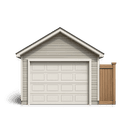
Detached structures on your property, such as a fence, shed, detached garage, or gazebo. Usually set at about 10 percent of your dwelling limit [2].

Personal Property
Your belongings, furniture, clothing, electronics, and appliances, generally written at 50 to 70 percent of your dwelling limit [2]. High-value items like jewelry and art carry special limits.

Additional Living Expenses
Also called loss of use. Pays your added living costs, hotel stays, meals, and a temporary rental, while a covered loss makes your home uninhabitable. Usually set at about 20 percent of your dwelling limit.

Liability
Covers you if someone is injured on your property, or you damage someone else's property, and you are found responsible. The standard $100,000 limit [2] is often raised to $300,000 or $500,000.

Medical Payments
Pays small medical bills, commonly $1,000 to $5,000, if a guest is hurt at your home regardless of fault, without a formal liability claim.
Homeowners Insurance Cost in Phoenix
Average Cost in Arizona
$110 - $250
per month
In Arizona, homeowners insurance premiums typically run $110 - $250 per month, which tends to run close to the national range of $110 - $250 per month.
- Home replacement cost, age, and construction type
- Roof age, material, and condition
- ZIP code and local weather risk (wind, hail, wildfire, hurricane)
- Coverage limits and endorsements
- All-peril and percentage wind/hail deductibles
- Claims history and insurance score where allowed
Typical range for many standard homeowners profiles; lower-risk homes fall below it and coastal, wildfire, or older-roof homes can run well above. Final pricing depends on property details, location, underwriting, and selected coverage.
Prices shown are general estimates, not guaranteed rates or quotes. Your actual premium will depend on the insurer, coverage selected, personal details, location, claims history, and other underwriting factors. Learn about our pricing methodology.
Homeowners pricing in Arizona moves most on the details that change expected claim severity. Rebuild cost, roof age and material, prior claims, deductible choice, fire protection access, and whether the property shows water, wind, or wildfire sensitivity all drive the number. A masonry home, a newer roof, and updated electrical or plumbing can quote differently from an older home with deferred maintenance, even when the homes sit in the same ZIP code.
A low quote can mean higher deductibles, tighter endorsements, or actual cash value treatment on some items, which pays you the depreciated value rather than full replacement cost. It can also mean assumptions about the roof and updates that do not match the house you own.
The better way to shop is to hold the quote inputs steady. Then ask what is driving any price gap. Roof settlement terms, water limitations, ordinance or law coverage, extended replacement features, or exclusions tied to the property's condition can all explain the difference. If a quote comes in much lower than the rest, request the full coverage summary and inspect the loss settlement language before you decide. A low premium means little if you are left funding part of the rebuild after a major loss.
What Affects Homeowners Insurance Rates in Phoenix
Phoenix's median home value is $381,900, so the cost conversation usually starts with reconstruction assumptions and coverage limits, not with a statewide average that may fit a very different house. If your current policy has not been reviewed since a remodel, room addition, major roof update, or kitchen and bath upgrade, your dwelling amount may no longer track what it would take to repair or rebuild after a serious loss. Phoenix median household income is $77,041, which also makes deductible choice worth a closer look: a lower premium can look attractive until you have to absorb more out of pocket after a claim. Here, the practical move is to compare at least two deductible options against your emergency savings, then ask how ordinance or law coverage, other structures, and personal property limits change the quote.
What Makes Phoenix Different
How actively you use your home is what shifts the math here. Maricopa County has 107,648 business establishments, which means your neighbors are as likely to run a side business or work remotely as commute to a traditional office. That density of commercial activity means a large share of households interact with work, deliveries, clients, or service providers in ways that can blur the line between a simple residence and a more active property. This does not automatically mean you need a business policy, but it does mean a standard quote deserves closer scrutiny. If your daily routine includes video calls from a home office, employer-owned equipment on site, frequent deliveries, or scheduled vendor access while you are away, it is worth asking where your policy terms stop and where endorsements may help. What sets Phoenix apart is how your daily routine can quietly outgrow a standard policy. Your home may carry more daily activity than the declarations page assumes, and that is where gaps tend to start.
Our Recommendation for Phoenix
Start with the parts of your policy that are easiest to let drift out of date. Review dwelling coverage after any renovation or finish upgrade, and check whether detached structures, screened patios, workshops, or upgraded landscaping are still described accurately. If you work from home, ask specifically about limits for computers, monitors, tools, and any employer-owned property. Standard personal property treatment may not match how those items are actually used. For older neighborhoods, confirm that roof age, wiring, plumbing, and prior updates are reflected correctly in the application. For newer homes, verify that builder-grade assumptions have not stayed on the file after later improvements. Keep your last inspection report, a recent photo set, and a room-by-room inventory ready before requesting quotes. That gives you a cleaner comparison and makes it easier to spot whether one option is cheaper because it trims coverage you actually use.
Get Homeowners Insurance in Phoenix
Enter your ZIP code to compare homeowners insurance rates from carriers in Phoenix, AZ.
Home insurance starting at $50/mo
FAQ
Frequently Asked Questions
Phoenix buyers may want to gather roof age, square footage, renovation dates, inspection notes, and a current photo inventory. With a median home value of $381,900, local property values run high enough that dwelling limits and upgrade details can shift a quote more than a generic state average would suggest. In plain terms, that means a 10% underestimation of your rebuild cost could leave you roughly $38,000 short after a major loss.
Phoenix households often need a closer look at home office use, equipment limits, and delivery activity. Because professional and technical services represent a large share of the local economy, remote or hybrid work assumptions are worth reviewing before you compare quotes.
Phoenix homes can differ sharply by age, upgrades, roof condition, and attached structures, even on nearby streets. A policy review can help match the actual property, especially if remodels or additions changed what it would take to repair the home.
Maricopa County business activity can affect how actively a home is used. With a dense commercial base across the county, many households manage deliveries, contractor visits, or home-based work, so policy terms can be checked for those day-to-day exposures.
Phoenix owners may want to compare deductible options against cash reserves, not just premium savings. With median household income at $77,041, picking a deductible you can realistically absorb after a covered loss helps you avoid financial strain when you can least afford it. That way a $2,500 deductible stays an inconvenience rather than a crisis.
Arizona policies may cover certain wind and rain-related damage if the loss results from a covered peril, but coverage depends on the policy terms, roof condition, and how the water entered. Ask for the exact roof and water-loss settlement language before binding.
Most standard policies exclude rising water and runoff, which means flash flooding typically requires a dedicated flood policy. If your home is near a wash or low spot, ask your agent exactly where the homeowners policy stops and what a separate flood plan would address.
Arizona roof details matter because age, material, and condition can change both price and claim settlement. A quote built on incorrect roof information may look competitive now but create disputes over depreciation, exclusions, or eligibility later.
Sources
- 1.U.S. Census Bureau, County Business Patterns, Maricopa County(Professional, scientific, and technical services lead the business mix in the county that contains Phoenix, at 14% of establishments, followed by health care and social assistance at 13.8% and retail trade at 10.2%.; In the county containing Phoenix, there are 107,648 business establishments.)
- 2.U.S. Census Bureau, ACS 5-Year Estimates, table B25077(Phoenix's median home value is $381,900.)
- 3.U.S. Census Bureau, ACS 5-Year Estimates, table B19013(Phoenix median household income is $77,041.)
Updated July 16, 2026