







































Updated July 16, 2026

Inland Marine Insurance in Phoenix
Property managers, lenders, general contractors, and event venues often want proof that the equipment, materials, or customer property you move around town is insured before they hand over keys, approve a draw, or let work start. For many businesses, inland marine insurance in Phoenix is less about abstract protection and more about clearing those practical checkpoints without slowing down a project. More vendors, tenants, and subcontractors means more contracts that shift responsibility for tools, leased equipment, and property in transit back to you. When your work involves installing, repairing, staging, transporting, or temporarily storing mobile property between a yard, a truck, and a job site, your quote should reflect how that property actually moves.
A contractor working tenant improvements in Midtown, an AV company loading into a venue downtown, and a medical vendor moving diagnostic equipment to multiple client locations can all need different scheduling, valuation, and transit terms. Before you bind coverage, line up your certificate requirements, your equipment list, and the addresses where property regularly pauses.
Inland Marine Insurance Risk Factors in Phoenix
Phoenix changes the risk conversation because mobile property here often spends part of the day in transit and part of the day at unsecured or semi-secured temporary locations. The state page already covers Arizona hazards generally, but the local buying issue is operational: where your tools, materials, or customer property sit between stops, who has custody, and how quickly you can document a loss. If equipment stays overnight in vehicles, open job sites, storage containers, or shared commercial spaces, ask how your policy treats theft, mysterious disappearance, and property left in the open. If you move items between multiple addresses in the same week, review whether you need **blanket coverage, scheduled items, installation coverage, or a floater** tailored to rented or borrowed equipment. The more handoffs you have between crews, drivers, warehouses, and site supervisors, the more important it is to keep serial numbers, invoices, and job assignments current before a claim ever happens.
Arizona has a moderate climate risk rating. Top hazards: Extreme Heat (Very High), Wildfire (High), Dust Storm (High), Flash Flooding (Moderate). The state's expected annual loss from natural hazards is $680M, which influences inland marine insurance premiums and may affect coverage availability in high-risk areas.
What Inland Marine Insurance Covers
In Arizona, inland marine insurance is designed for business property that is mobile or temporarily away from the main location, including tools, equipment, materials, and goods moving between job sites, warehouses, or customer locations. For many Arizona businesses, that means the policy can respond when property is in transit on highways between Phoenix, Tucson, and other cities, sitting at a temporary storage site, or installed at a project location before final acceptance. The core coverages that matter most here are tools and equipment, goods in transit, contractors equipment, installation floater, and builders risk, with the right mix depending on whether you are hauling hand tools, heavier machinery, building materials, or items being installed on a job.
Arizona does not impose a special statewide inland marine mandate, but your needs can differ based on your operations, and the market is regulated by the state. That means policy wording, endorsements, and item schedules matter more than a one-size-fits-all assumption. A policy may help cover theft, damage, vandalism, and other perils while property is away from your fixed premises, but exact terms vary by carrier and by how the item is described in the policy. For example, tools and equipment insurance may need a different schedule than contractors equipment, and installation floater may be more relevant when materials are awaiting installation at a job site. Builders risk is also a common consideration for projects with materials exposed during construction rather than after completion.
Coverage Included
Tools & Equipment
Can help repair or replace hand tools, power tools, and gear that are stolen or damaged on the job or in transit.

Goods in Transit
May cover products, materials, and merchandise while they are being shipped or hauled between locations in your care.
Contractors Equipment
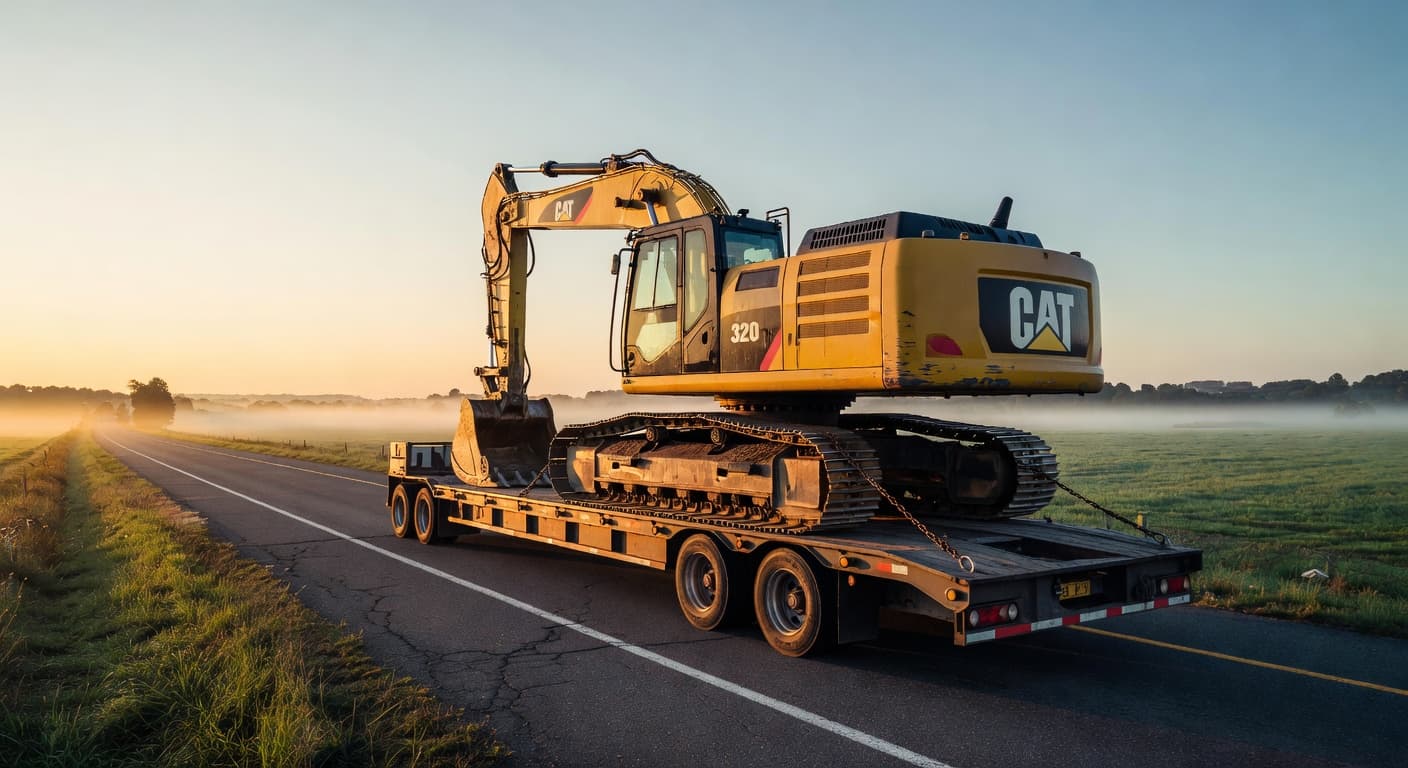
Typically covers heavy machinery like excavators, loaders, and generators against theft or damage at job sites and between them.
Installation Floater
Can help cover materials and fixtures from the moment you buy them until they are installed and accepted at a project.
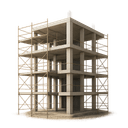
Builders Risk
May cover a structure under construction, along with materials on site, against damage from fire, wind, theft, and vandalism.
Inland Marine Insurance Cost in Phoenix
Average Cost in Arizona
$25 - $95
per month
Businesses in Arizona typically see inland marine insurance premiums of $25 - $95 per month, which tends to run close to the national range of $20 - $100 per month.
- Total insured value of the scheduled property
- Type and age of the equipment
- Where it is stored and how far it travels
- Jobsite security and theft prevention
- Per-item limits and deductibles
- Prior theft and in-transit losses
Contact CPK Insurance for a personalized quote.
Prices shown are general estimates, not guaranteed rates or quotes. Your actual premium will depend on the insurer, coverage selected, business details, location, claims history, and other underwriting factors. Learn about our pricing methodology.
Inland marine insurance cost in Arizona depends on coverage limits and deductibles first, then claims history, location, industry or risk profile, and policy endorsements. Severe weather can affect how carriers look at where property is stored, how often it is transported, and whether equipment sits outdoors at job sites or in temporary storage. A contractor moving tools across the Phoenix metro area may face different underwriting questions than a business storing materials near wildfire-prone or storm-exposed areas. Arizona also has an overall crime index of 115, which means property crime sits above the national average and makes theft exposure an important rating factor for mobile business property.
Arizona has 410 active insurance companies, so comparing options is realistic. Nearly all of Arizona's establishments are classified as small businesses, which means right-sizing limits rather than overbuying broad schedules that do not match actual equipment movement is often the smarter approach. To manage cost, choose a deductible you can absorb, and review whether endorsements are adding value or unnecessary cost.
Industries & Insurance Needs in Phoenix
Service density is the local difference. In Maricopa County, the leading sectors by establishment share are professional, scientific, and technical services at 14%, health care and social assistance at 13.8%, and retail trade at 10.2%, so a lot of local demand comes from businesses that move specialized equipment, displays, instruments, or client property between offices, facilities, and customer locations rather than keeping everything at one fixed premises. That changes what you should ask for in a quote. A medical supplier may need careful treatment of mobile equipment values and temporary stops. A retail business doing pop-ups, deliveries, or off-site events may need clearer transit language and inventory handling. A technical services firm may need to separate standard office contents from higher-value portable gear. Start by mapping what property actually leaves your main location, who transports it, and whether values spike on certain jobs or event dates.
What Makes Phoenix Different
Contract-driven proof of coverage is what changes the calculus here. In a large, fast-moving local market, inland marine often becomes a gatekeeping document as much as a risk-transfer tool. Maricopa County has 107,648 business establishments. That many active businesses means landlords and project owners have the bargaining power to demand certificates that match their exact contract language before granting site access. Each door you open may come with its own insurance clause.
The buying decision is not a simple yes or no on coverage. You need to check whether the policy description matches the property you actually move, whether limits fit peak values instead of average days, and whether temporary storage is addressed where your contracts make you responsible. A policy that does not clearly support the job requirements can hold up a project before any loss occurs. Pull your sample contract insurance clauses, lay them next to your equipment schedule and delivery pattern, and request a quote built around those obligations.
Our Recommendation for Phoenix
Start with the property list, not the premium. For a local review, separate owned equipment, rented equipment, installation materials, customer property, and any items that travel only for certain jobs. From there, note how each category typically moves, whether by employee vehicle, company truck, courier, common carrier, or temporary storage at a site.
If you work under contracts, send the insurance requirements with your quote request so endorsements and certificate wording can be checked early. If you serve higher-income households, remember that Phoenix median household income is $77,041. Clients with that income level tend to expect premium materials and quick resolution, so a valuation error on your policy could cost you real money if a loss delays work or damages their property.
Have your serial numbers, peak job values, and regular stop addresses ready when you request a quote.
Get Inland Marine Insurance in Phoenix
Enter your ZIP code to compare inland marine insurance rates from carriers in Phoenix, AZ.
Business insurance starting at $25/mo
FAQ
Frequently Asked Questions
Phoenix contractors often do if tools and materials travel regularly or stay at temporary sites. Local contracts and site access rules may require proof of coverage before work starts, so review transit, overnight storage, and scheduled equipment details before you issue certificates.
Phoenix event and AV companies often use inland marine for mobile gear because the exposure changes from warehouse to truck to venue floor. Ask how the policy treats transit, temporary storage, rented equipment, and handoffs between crew members.
Maricopa County businesses often face more contracts, vendors, and site rules in a dense local market. That makes certificate accuracy, property scheduling, and temporary location wording more important before a job or delivery begins.
Phoenix medical and technical service firms should usually separate portable instruments, diagnostic devices, demonstration units, and any client property in their care. The county's establishment mix includes professional services at 14% and health care at 13.8%. Those two sectors alone account for thousands of businesses moving specialized gear that generally needs its own scheduling line on a policy.
Phoenix businesses with policy or licensing questions can look to the Arizona Department of Insurance and Financial Institutions. You can verify a provider there, then compare policy terms around transit, temporary storage, valuation, and exclusions before you buy.
In Arizona, it is designed for property that moves between job sites, customer locations, or temporary storage, including tools, equipment, building materials, and shipped goods. The policy is commonly used when items are away from a fixed business location and need protection during transit or on site.
The policy can follow covered property while it is at a job site, in temporary storage, or waiting to be installed, but the exact response depends on the carrier form and endorsements. Arizona buyers should confirm whether storage yards, trailers, and offsite locations are included before binding.
Contractors, electricians, plumbers, landscapers, photographers, caterers, IT service providers, and businesses that ship goods or hold customer property are common Arizona users. It is especially relevant if your property regularly moves across Phoenix, Tucson, Mesa, or other cities.
Sources
- 1.U.S. Census Bureau, County Business Patterns, Maricopa County(Maricopa County has 107,648 business establishments, so you are more likely to run into landlords, project owners, venue operators, and upstream contractors that want certificates aligned with their contract language before access is granted.; In Maricopa County, the leading sectors by establishment share are professional, scientific, and technical services at 14%, health care and social assistance at 13.8%, and retail trade at 10.2%, so a lot of local demand comes from businesses that move specialized equipment, displays, instruments, or client property between offices, facilities, and customer locations rather than keeping everything at one fixed premises.)
- 2.U.S. Census Bureau, ACS 5-Year Estimates, table B19013(Phoenix median household income is $77,041, so you may be entering homes or projects where replacement expectations are less forgiving if a loss delays work or damages client property.)
- 3.Arizona Department of Insurance and Financial Institutions(Phoenix businesses with policy or licensing questions can look to the Arizona Department of Insurance and Financial Institutions.)
Updated July 16, 2026





