Updated July 16, 2026

Builders Risk Insurance in Tucson
Health care and social assistance leads the Pima County business mix at 13.8%, followed by professional services at 12.5% and retail at 12.2%. So a lot of local construction centers on tenant improvements, clinic build-outs, office reconfigurations, and small commercial renovations. These projects have to stay coordinated with owners, lenders, and neighboring occupants, which is where builders risk insurance in Tucson usually gets more specific. You may be working on an occupied retail center, converting medical space, or improving a professional office suite where materials arrive in phases and the project value changes as equipment, finishes, and installed components accumulate.
Pima County has 21,083 business establishments, which translates to a lot of landlords and tenants operating in close quarters who expect clean documentation showing who is insuring the project, what property is included, and when coverage starts and ends. Before you request terms, line up the construction contract, draw schedule, site address, security details, and a current breakdown of soft costs, stored materials, and any owner-furnished items. That gives you a quote built around how the job actually moves, not a generic vacant-building assumption.
Builders Risk Insurance Risk Factors in Tucson
Tucson's top risk factors include Severe weather, Property crime, Flooding, and Vehicle accidents.
Arizona has a moderate climate risk rating. Top hazards: Extreme Heat (Very High), Wildfire (High), Dust Storm (High), Flash Flooding (Moderate). The state's expected annual loss from natural hazards is $680M, which influences builders risk insurance premiums and may affect coverage availability in high-risk areas.
What Builders Risk Insurance Covers
In Arizona, the most important coverage review often starts with where property sits before it is installed and how long it stays exposed at the site. A rural ground-up build outside a dense metro area can create different theft and weather concerns than an infill renovation surrounded by neighboring structures, fencing, and daily foot traffic. That affects how you should review materials in transit, temporary storage, and property already delivered but not yet attached to the building.
Renovation work deserves especially careful attention. If your project involves improving part of an existing structure, ask whether the policy is written only around new work or whether certain existing elements need to be scheduled, excluded, or handled another way. That point matters on Arizona remodels where owners may keep part of the building occupied, phase work by area, or protect equipment and finishes already in place.
You should also line up the policy with the contract's risk transfer language. If the owner buys the policy but the general contractor is responsible for site controls, the named insured structure and any additional insured or loss payee requests need to be checked against the agreement. Lenders may also want evidence that the project is insured for the right term and value before draws continue.
Arizona's insurance regulator is the Arizona Department of Insurance and Financial Institutions. That means you can verify producer licensing and review complaint histories through DIFI before you commit to a policy, which is worth doing when you are comparing options from providers you have not worked with before.
Coverage Included

Structure Coverage
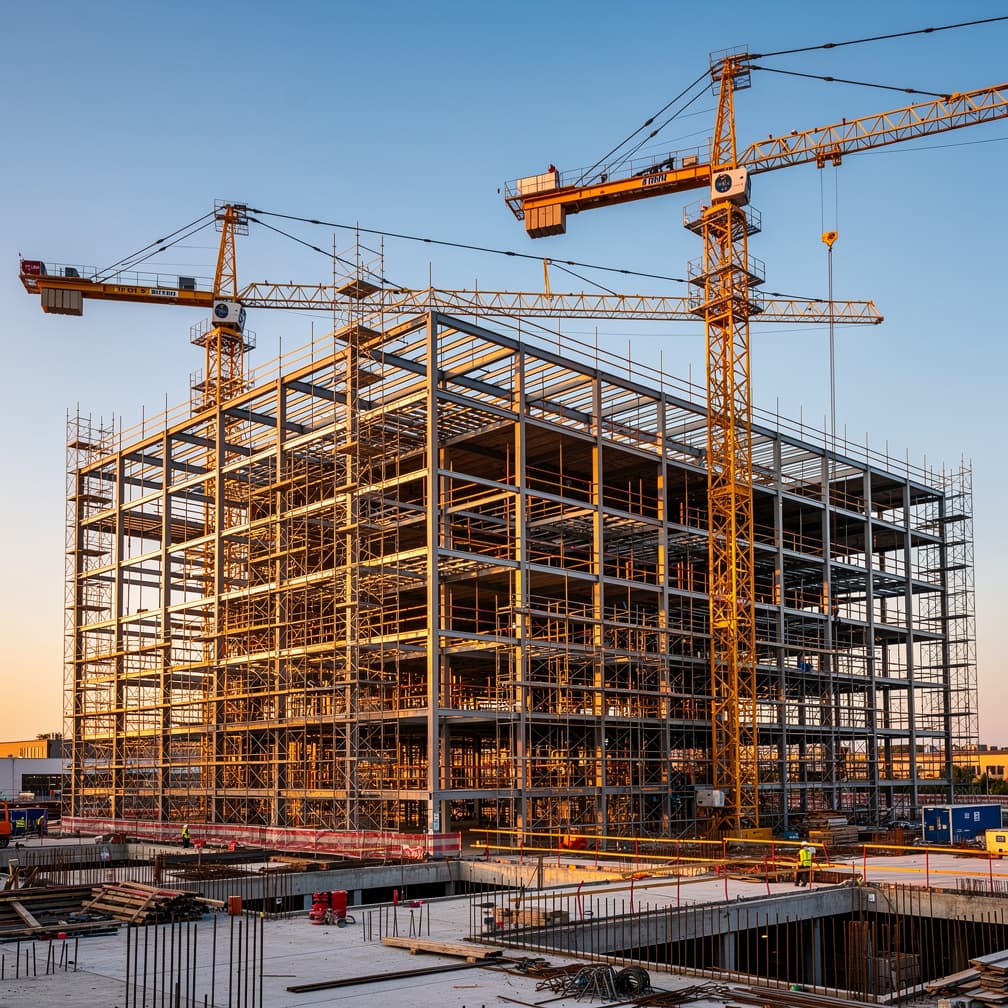
Covers the building or structure under construction.
Materials on Site
Covers building materials stored at the construction site.

Materials in Transit
Covers materials being transported to the job site.
Temporary Structures
Covers scaffolding, fencing, and temporary buildings.

Soft Costs
Covers additional expenses from construction delays due to covered losses.
Equipment Coverage
Covers permanently installed fixtures and equipment.
What Makes Tucson Different
Tenant improvement work is the main thing that changes the calculus here. In a market shaped by medical, professional, and retail occupancies, many projects are not ground-up builds on empty sites. Instead, they are interior renovations, phased improvements, and build-outs inside buildings already in use, where your exposure depends on what is already in place, who still has access, and whether the owner is supplying part of the property being installed. If the job includes the preexisting building, temporary storage, installed equipment, or delay-related costs, those items should be reviewed before binding, not after a loss.
Tucson's median home value is $242,200. Once you add framing, roofing, finishes, and modern fixtures to a remodel or addition, the replacement cost can climb well above what the current market value suggests. The practical move is to match the policy structure to the actual scope, especially on remodels, additions, and owner-occupied projects where the line between existing and new work gets blurry fast.
Our Recommendation for Tucson
If you are building out medical, office, or retail space, ask for a quote that clearly separates new work, the preexisting building if needed, and any owner-furnished materials so there is less room for dispute during a claim. If the job is financed, confirm the named insureds and loss payee wording against the loan documents before the first draw. For residential construction, use the budget and current replacement assumptions carefully rather than relying on neighborhood sale impressions.
Tucson median household income is $54,546, and in a market where budgets run tight, the temptation is to report a lower completed value and hope nothing goes wrong. A lower reported completed value can create a much bigger problem if materials are damaged late in the build. Ask to review valuation, theft protection, transit or temporary storage needs, and the planned completion date together, then update the policy if the scope expands or the schedule slips.
Get Builders Risk Insurance in Tucson
Enter your ZIP code to compare builders risk insurance rates from carriers in Tucson, AZ.
Business insurance starting at $25/mo
FAQ
Frequently Asked Questions
Because Tucson medical and office projects so often involve interior improvements, you should review the preexisting building, installed equipment, and owner-furnished property before binding.
Tucson remodel projects often need a specific review of whether the preexisting building should be included. If your work ties new construction into an occupied building, ask how the policy treats the preexisting property, partial occupancy, and phased completion.
With so many businesses operating near each other, commercial jobs often involve landlords, tenants, and lenders who each want documentation handled correctly. Named insureds, loss payees, covered property, and policy dates are worth confirming before materials arrive.
Tucson home construction should use the projected completed value of the project, not a rough guess. Materials, labor, and upgrades can push the true replacement cost well beyond what you might expect for a smaller residential build.
Tucson policyholders can check licensing and complaint information through the Arizona Department of Insurance and Financial Institutions. Before you bind, confirm that the company and producer are properly authorized to operate in Arizona.
Arizona projects are often insured by the owner, developer, or another party named in the construction contract. The right buyer depends on who carries the financial risk, who must satisfy lender conditions, and how the agreement assigns responsibility for the work.
Arizona renovation projects often need a closer review than new construction because the policy may treat new work, existing structures, and occupied areas differently. Ask how the form handles phased work, partial occupancy, and property already in place.
Arizona lenders commonly want evidence that the project is insured before draws continue. The practical step is to compare the policy terms, named interests, and completed value against the loan documents before binding so funding is not delayed.
Sources
- 1.U.S. Census Bureau, County Business Patterns, Pima County(Health care and social assistance leads the county business mix at 13.8%, followed by professional, scientific, and technical services at 12.5% and retail trade at 12.2%.; In Pima County, there are 21,083 business establishments.)
- 2.U.S. Census Bureau, ACS 5-Year Estimates, table B25077(Tucson's median home value is $242,200.)
- 3.U.S. Census Bureau, ACS 5-Year Estimates, table B19013(Tucson median household income is $54,546.)
- 4.Arizona Department of Insurance and Financial Institutions(Arizona Department of Insurance and Financial Institutions regulates insurance in Arizona.)
Updated July 16, 2026