Updated July 5, 2026

Commercial Auto Insurance in Tucson
A tighter local market changes how you shop for fleet coverage. Fewer carriers may actively pursue certain classes here, and underwriters often look closely at radius, garaging, driver mix, and whether your vehicles move between dense retail corridors, medical campuses, and service calls across the metro in the same day. That is why commercial auto insurance in Tucson usually works better when your quote request is specific from the start, with unit schedules, driver lists, and a clear description of how each vehicle is used.
This is also a relationship market. Landlords, prime contractors, and larger customers often want clean certificates before work starts, and delays happen when the application does not match real operations. In Pima County, there are 21,083 business establishments, so local vendors compete for contracts where proof of coverage is part of the buying process. If your vans, pickups, or service vehicles support jobs in Midtown, around the airport, or out toward Oro Valley and Sahuarita, ask for liability limits, hired and non-owned auto, and physical damage to be reviewed against those actual routes before you bind.
Commercial Auto Insurance Risk Factors in Tucson
Tucson's top risk factors include Severe weather, Property crime, Flooding, and Vehicle accidents. Tucson's crime index of 123 (national avg: 100) increases vehicle theft risk, comprehensive auto coverage is important here. Flooding can cause significant vehicle damage, make sure comprehensive coverage is included.
Arizona has a moderate climate risk rating. Top hazards: Extreme Heat (Very High), Wildfire (High), Dust Storm (High), Flash Flooding (Moderate). The state's expected annual loss from natural hazards is $680M, which influences commercial auto insurance premiums and may affect coverage availability in high-risk areas.
What Commercial Auto Insurance Covers
Commercial auto insurance in Arizona can be built around the way your business uses vehicles, not just who owns them. The core protections available here include liability, collision, comprehensive, medical payments, and uninsured motorist protection, and the policy can also be extended to hired and non-owned autos when you add the right endorsement. That is important in Arizona because personal auto policies may not respond the way you expect if employees drive to client sites, make deliveries, or move materials for work. Arizona also has a commercial vehicle minimum liability requirement, so coverage decisions should be made alongside registration and compliance planning. Uninsured and underinsured motorist coverage may be required, which matters in a state where roughly one in nine drivers carries no coverage. Collision can help with vehicle damage from an accident, while comprehensive is the part that addresses non-collision damage such as theft or weather-related loss. If you operate a fleet, company car, or commercial truck, the policy can be structured around the vehicles, the drivers, and endorsements that fit Arizona business use rather than personal errands.
Coverage Included

Bodily Injury Liability
Covers injuries you cause to others in an accident

Property Damage Liability
Covers damage you cause to others' property
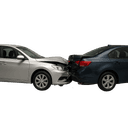
Collision Coverage
Pays for damage to your vehicle in an accident

Comprehensive Coverage
Covers theft, vandalism, weather, and animal damage

Medical Payments
Covers medical costs for your drivers and passengers

Uninsured Motorist
Protection when the other driver lacks insurance
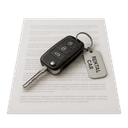
Hired & Non-Owned Auto
Covers rented or employee-owned vehicles used for work
Commercial Auto Insurance Cost in Tucson
Average Cost in Arizona
$140 - $400
per month
Businesses in Arizona typically see commercial auto insurance premiums of $140 - $400 per month, which tends to run 2% below the national range of $140 - $410 per month.
- Fleet size and vehicle types
- Driver records and experience
- Coverage limits and deductibles
- Business industry and use
- Annual mileage and operating radius
- Claims history
Rates based on small business averages. Your actual premium may vary.
Prices shown are general estimates, not guaranteed rates or quotes. Your actual premium will depend on the insurer, coverage selected, business details, location, claims history, and other underwriting factors. Learn about our pricing methodology.
Commercial auto insurance cost in Arizona is shaped by local vehicle use and the state's risk profile, not just the number on a national average page. Premiums typically run $140 to $400 per month per vehicle in Arizona, while small business averages also place annual cost around $1,200 to $2,400 per vehicle. Arizona's premium index is 105, which means pricing runs about 5% above the national baseline. That is close enough that your individual risk factors matter more than the state average, but it also means you should not expect a deep discount just because the market is competitive. A delivery route through Phoenix or Tucson can price differently than a local office vehicle with limited mileage. Arizona's climate and loss patterns also matter. Extreme heat is rated very high, wildfire and dust storm risk are high, and flash flooding is moderate, so comprehensive and collision decisions can influence price as well as protection. Arizona crash data puts the average claim cost near $17,333, plus a fatal crash rate above the national average. At that severity, a basic liability limit can leave your business exposed, so it is worth modeling what a serious accident would cost before you settle on limits. In a market with hundreds of active insurers, quotes can vary, so the quote you receive will reflect both your vehicle profile and the carrier's appetite for your routes and use.
Industries & Insurance Needs in Tucson
Pima County's business mix changes what a practical commercial auto review should focus on. Health care and social assistance account for 13.8% of county establishments, professional, scientific, and technical services 12.5%, and retail trade 12.2%. That matters because these sectors often use vehicles differently: mobile staff making scheduled visits, professionals driving to client sites with equipment, and retailers handling deliveries, pickups, or bank runs.
If your business fits one of those patterns, do not let the policy be built around a generic "business use" label alone. Ask how each vehicle is classified, who is allowed to drive it, whether employee-owned cars create a hired and non-owned auto exposure, and whether tools or inventory left in the vehicle need separate treatment elsewhere. The county mix does not set your premium by itself, but it does show why many local buyers need a cleaner vehicle schedule and a more precise operations description than a quick online form usually captures.
What Makes Tucson Different
The main difference here is market selectivity. In a smaller metro, carrier appetite can narrow faster once your operation falls outside a clean service-van profile, especially if you have mixed vehicle types, multiple drivers, or routes that change week to week. That does not mean coverage is hard to place. It means the quality of your submission matters more.
A Tucson-area account often gets better traction when you separate personal errands from business use, identify where vehicles are parked overnight, and explain whether drivers stay local or cross the county regularly. If you are bidding work, that discipline also helps you produce certificates quickly and avoid last-minute endorsement requests. The practical takeaway is simple: treat the application like an operations document, not a formality. A complete vehicle schedule, current MVR review process, and accurate driver assignments usually do more for your options than shopping blindly across a long list of markets.
Our Recommendation for Tucson
Start with the vehicles that create the most contract friction or downtime risk. For one business, that is a pickup towing equipment. For another, it is a small fleet of service vans that cannot sit in a body shop for a week without disrupting appointments. Review liability limits against the customers you serve, then check whether comprehensive and collision make sense for each unit instead of applying one approach to every vehicle.
If employees ever use their own cars for deposits, supply runs, or client visits, ask for hired and non-owned auto to be reviewed rather than assuming the personal policy solves the business exposure. If you rotate drivers, keep assignments current and document who is authorized. Tucson median household income is $54,546, so many small businesses here watch cash flow closely and may be tempted to trim coverage to lower the bill. A better move is to compare deductible options, vehicle-by-vehicle physical damage decisions, and payment structure before cutting liability or leaving a work vehicle uninsured between jobs.
Get Commercial Auto Insurance in Tucson
Enter your ZIP code to compare commercial auto insurance rates from carriers in Tucson, AZ.
Business insurance starting at $25/mo
FAQ
Frequently Asked Questions
Tucson quotes often require more operational detail because smaller local markets can be more selective about vehicle class, garaging, driver assignments, and service radius. A complete vehicle schedule and accurate use description usually produce cleaner options than a rushed application.
Pima County does, because 21,083 business establishments create a contract-heavy environment where certificates are often requested before work starts. If your vehicles support jobs, deliveries, or service calls, review limits and endorsements before you bid or sign.
Tucson service fleets should review who drives each unit, where vehicles are parked overnight, whether tools or inventory create separate property issues, and whether hired and non-owned auto applies when employees use personal cars for business errands.
Pima County has strong shares in health care and social assistance at 13.8%, professional and technical services at 12.5%, and retail trade at 12.2%. If your business matches those patterns, vehicle use is often more varied than a basic application suggests.
Tucson small businesses should usually compare deductibles, unit-by-unit physical damage choices, and payment structure first. With median household income at $54,546, cash flow matters, but cutting liability too far can create a larger problem after a serious loss.
In Arizona, it can cover liability, collision, comprehensive, medical payments, uninsured motorist protection, and hired or non-owned autos if you add the right endorsement. That combination is useful for company cars, vans, trucks, and fleets that operate in Phoenix, Tucson, or across longer desert routes.
The Arizona range is about $140 to $400 per month per vehicle, and small business averages run about $1,200 to $2,400 per vehicle annually. Your exact price varies with mileage, vehicle type, driver records, limits, deductibles, and whether the vehicle is part of a fleet.
If your business owns, leases, or rents vehicles for work, or if employees drive personal cars for business errands, you should review your options. That includes everyone from a solo contractor with one pickup to a company managing a mixed fleet across multiple job sites.
Sources
- 1.U.S. Census Bureau, County Business Patterns, Pima County(In Pima County, there are 21,083 business establishments, so local vendors compete for contracts where proof of coverage is part of the buying process.; Health care and social assistance account for 13.8% of county establishments, professional, scientific, and technical services 12.5%, and retail trade 12.2%.)
- 2.U.S. Census Bureau, ACS 5-Year Estimates, table B19013(Tucson median household income is $54,546, so many small businesses here watch cash flow closely and may be tempted to trim coverage to lower the bill.)
Updated July 5, 2026