Updated July 16, 2026

Commercial Auto Insurance in Fayetteville
Property managers, lenders, venues, and general contractors around Fayetteville often want current certificates of insurance before they hand over gate access, approve a vendor, or let your crew park on site. For many local businesses, commercial auto insurance is less about checking a box and more about showing that your vehicles, drivers, and hired or non-owned exposure line up with the work you actually do here. That can mean a landscaper moving between apartment communities, a home services company staging vans near new residential jobs, or a caterer loading into event spaces on a tight schedule. Washington County has 6,140 business establishments, so you are competing for work in a market where landlords, customers, and upstream contractors expect clean documentation and fast certificate turnaround before work starts. If your vehicles are titled to the business, wrapped with your logo, financed, or used by employees during the workday, your quote should be built around where units are garaged, who drives them, and whether you need broader liability, physical damage, or hired and non-owned auto added before the next contract review.
Commercial Auto Insurance Risk Factors in Fayetteville
Fayetteville's top risk factors include Tornado damage, Hail damage, Severe storm damage, and Wind damage. Tornado damage and Hail damage can cause significant vehicle damage, make sure comprehensive coverage is included.
Arkansas has a high climate risk rating. Top hazards: Tornado (Very High), Severe Storm (High), Flooding (High), Ice Storm (Moderate). The state's expected annual loss from natural hazards is $920M, which influences commercial auto insurance premiums and may affect coverage availability in high-risk areas.
What Commercial Auto Insurance Covers
Matching each coverage part to how your vehicles are titled, parked, loaded, and driven is where a policy review earns its keep. A contractor with pickups and trailers has a different exposure than a home health business with employee sedans on daily routes, even if both ask for the same liability limit. Your review should focus on which vehicles are owned by the business, which are leased, and whether any personal vehicles are used for company errands, sales calls, or deliveries.
Arkansas requires minimum auto liability limits of $25,000/$50,000/$25,000, meaning up to $25,000 for one person injured in an accident, $50,000 total for all injuries, and $25,000 for property damage. That is the legal floor to verify first. Then test whether it is enough for your actual loss potential. If you drive heavier vehicles, carry tools, work under written contracts, or enter customer properties every day, ask for higher liability options and compare the difference in premium against the cost of a serious claim.
Physical damage choices also deserve a practical review. If a lender or lessor is involved, you may need specific deductibles or loss payee wording. If a vehicle is older and lightly used, you may decide to price several deductible options and see whether carrying full physical damage still makes sense. If your business depends on a single van or truck to keep jobs moving, downtime matters as much as repair cost, so ask how claims handling, rental reimbursement options, and newly acquired vehicle provisions work before binding coverage.
Coverage Included

Bodily Injury Liability
Covers injuries you cause to others in an accident

Property Damage Liability
Covers damage you cause to others' property
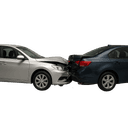
Collision Coverage
Pays for damage to your vehicle in an accident

Comprehensive Coverage
Covers theft, vandalism, weather, and animal damage

Medical Payments
Covers medical costs for your drivers and passengers

Uninsured Motorist
Protection when the other driver lacks insurance
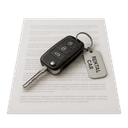
Hired & Non-Owned Auto
Covers rented or employee-owned vehicles used for work
Commercial Auto Insurance Cost in Fayetteville
Average Cost in Arkansas
$130 - $400
per month
Businesses in Arkansas typically see commercial auto insurance premiums of $130 - $400 per month, which tends to run 4% below the national range of $140 - $410 per month.
- Fleet size and vehicle types
- Driver records and experience
- Coverage limits and deductibles
- Business industry and use
- Annual mileage and operating radius
- Claims history
Rates based on small business averages. Your actual premium may vary.
Prices shown are general estimates, not guaranteed rates or quotes. Your actual premium will depend on the insurer, coverage selected, business details, location, claims history, and other underwriting factors. Learn about our pricing methodology.
Cost in Arkansas usually moves with exposure details more than with vehicle count alone. Many businesses see premiums from $130 to $400 per month per vehicle, depending on vehicle type, garaging location, driver records, travel radius, coverage limits, and deductibles. That means a five-truck operation could face anywhere from $650 to $2,000 monthly, so budgeting for the higher end gives you room if your routes, drivers, or claims history push pricing up. Heavier trucks, longer routes, and prior claims tend to push premiums toward the higher end of that range. That range is only a starting reference, not a quote, because two businesses with the same truck can price very differently once underwriting sees who drives it and how often.
The fastest way to get a more usable number is to remove guesswork from the submission. List each vehicle by VIN, year, make, model, and business use. Separate occasional drivers from primary drivers if that reflects reality. Note whether units stay local, cross county lines daily, or travel statewide, and if a vehicle is financed, say so up front. If you have prior claims, include them early rather than letting them surface later and change the offer.
Higher liability limits, lower deductibles, and broader physical damage selections generally increase premium. Narrower coverage can reduce cost, but it can also leave a gap if a financed truck is damaged or if an employee causes a serious loss while running company business. The better buying move is to choose the option that fits your cash flow and contract obligations without relying on the legal minimum alone.
Industries & Insurance Needs in Fayetteville
Washington County's business mix changes what a strong commercial auto policy needs to contemplate. Retail trade accounts for 12.9% of establishments, health care and social assistance 12.3%, and professional, scientific, and technical services 11.9%, so local fleets are not just contractors' pickups. They also include delivery vehicles, mobile service units, employee-driven sedans, and company cars used for client visits. That matters because the exposure shifts with the operation: a retailer may need to review loading, parking lot, and delivery use; a health-related business may need closer attention on driver schedules and employee use; a professional firm may discover its biggest gap is hired and non-owned auto rather than a large owned fleet. If your business falls into one of these common county sectors, ask for the quote to match how vehicles are actually assigned, where they are kept overnight, and whether employees ever use personal cars for errands, visits, or pickups.
What Makes Fayetteville Different
In a market tied to property management, vendor networks, and a large base of small and midsize businesses, you also need coverage that can be evidenced quickly and accurately when a landlord, lender, venue, or contractor asks for proof. That dense local contracting environment means delays often come from paperwork mismatches rather than from the insurance itself. A certificate that omits the right business name, vehicle schedule, or additional insured request can slow down a job start, a delivery relationship, or a financed vehicle closing. That is why buyers here should review more than liability limits. Before you bind, confirm the named insured matches your contracts, verify that every work vehicle is scheduled correctly, and ask how fast certificates can be issued when a property manager or project coordinator needs updated proof on short notice.
Our Recommendation for Fayetteville
Start with the way your vehicles are used during a normal week, not with a generic fleet template. If you run service vans, pickups, or delivery units, list who drives each one, where each vehicle is garaged, and whether employees ever take units home. If staff use their own cars for bank runs, site visits, or supply pickups, ask for a hired and non-owned auto review instead of assuming the business is insulated. Comparing deductibles, rental reimbursement options if offered, and physical damage terms alongside liability helps you avoid paying for coverage that doesn't fit how your crews actually operate. Before you bind, line up your vehicle list, driver information, lienholder details, and any contract insurance requirements so the quote can be reviewed against real operations instead of estimates.
Get Commercial Auto Insurance in Fayetteville
Enter your ZIP code to compare commercial auto insurance rates from carriers in Fayetteville, AR.
Business insurance starting at $25/mo
FAQ
Frequently Asked Questions
Property managers, lenders, venues, and contractors around town commonly ask for proof before access or approval. With thousands of local businesses operating in the same contracting environment, certificate requests are routine. Your policy details and named insured should match your contracts before the job is scheduled.
You should review hired and non-owned auto if employees use personal cars for deposits, pickups, client visits, or supply runs. Professional offices and service firms that do not operate a large owned fleet every day often overlook this exposure.
The county's establishment breakdown matters because roughly one in eight businesses is in retail, a similar share in health care, and another in professional services. Those sectors drive different vehicle use patterns, from delivery routes to mobile service calls to employee-driven client travel. Your quote should reflect whichever pattern matches your actual operations.
Gather your vehicle schedule, driver list, garaging addresses, lienholder information, and any contract insurance requirements before requesting a quote. Those details let the participating provider price your actual exposure rather than relying on industry averages that may not fit your operation.
Your policy is regulated at the state level by the Arkansas Insurance Department. When comparing quotes, review policy forms, endorsements, and complaint handling carefully, not just the premium line.
Arkansas buyers usually get a cleaner quote when they bring a current vehicle schedule, driver list, garaging addresses, lienholder details, and prior loss information. Limit selection should be part of that first review.
State minimums may satisfy the legal requirement, but if you have contracts, financed vehicles, tools on board, or frequent customer visits, review higher liability options before choosing limits.
Companies with financed trucks often need more than basic liability because the lender may require physical damage coverage and specific loss payee wording. Bring the finance agreement to your quote review so deductibles and lender requirements are checked before binding.
Sources
- 1.U.S. Census Bureau, County Business Patterns, Washington County(Washington County has 6,140 business establishments, so you are often operating in a market where landlords, customers, and upstream contractors expect clean documentation and fast certificate turnaround before work starts.; Retail trade accounts for 12.9% of establishments, health care and social assistance 12.3%, and professional, scientific, and technical services 11.9%, so local fleets are not just contractors' pickups.)
- 2.Arkansas Insurance Department(Fayetteville policies are regulated at the state level by the Arkansas Insurance Department.)
Updated July 16, 2026