Updated July 16, 2026

Workers Compensation Insurance in Arkansas
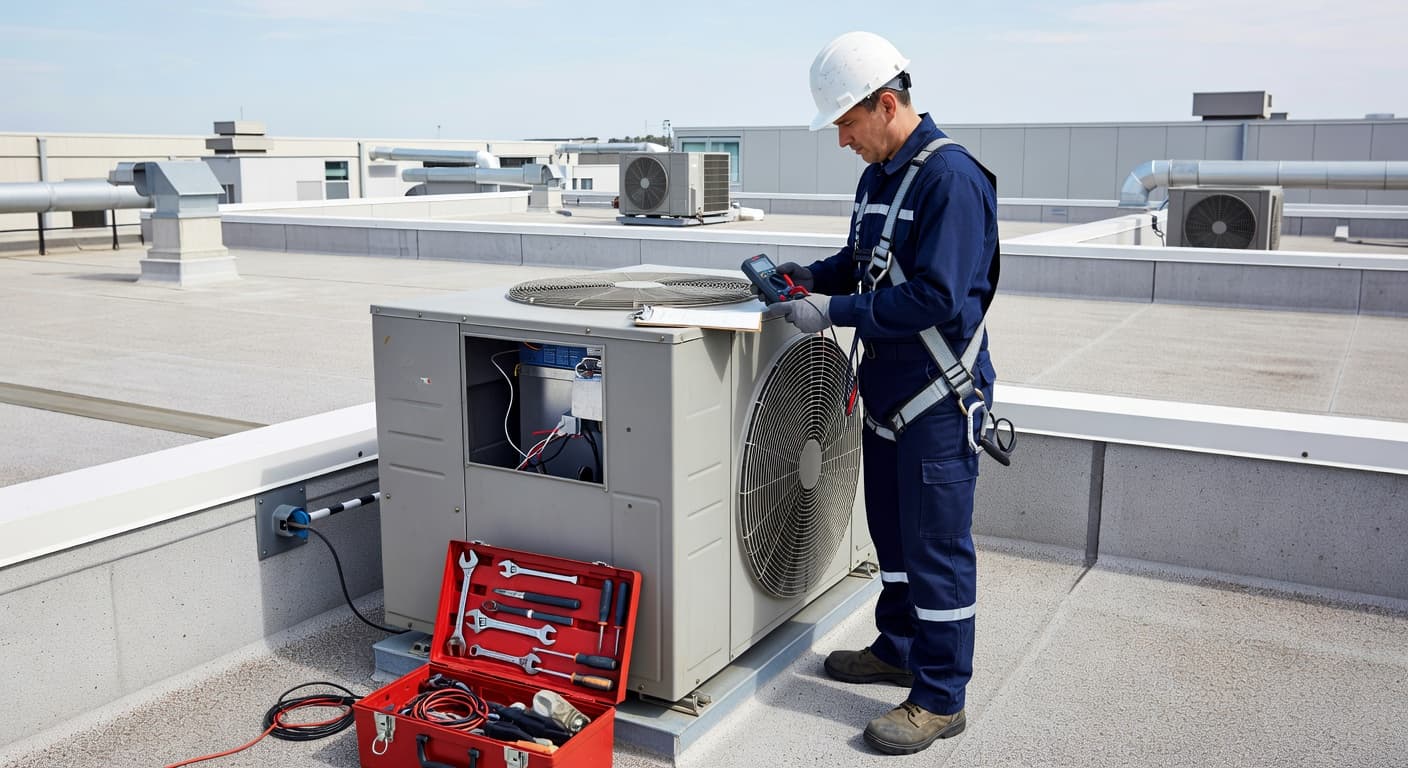
If you are comparing workers compensation insurance in Arkansas, the first thing to know is that the state rule is not one-size-fits-all. Employers with 3 or more employees are required to carry it, while certain owners and operators are exempt. That matters because nearly all of the state's 72,600 businesses are small operations, which means you are likely deciding on coverage while managing payroll, hiring, and compliance at the same time. Arkansas also has a high tornado and severe-storm risk profile, which can affect how often work injury claims happen and how quickly operations are interrupted after an incident.
In Little Rock and across the state, claims are filed through the Arkansas Insurance Department, so the process is tied to state oversight rather than a generic national system. For employers in major state sectors, the practical question is not just whether coverage is required. It is how to structure a policy around payroll, job duties, and claims history so the quote reflects the actual risk in your operation.
What Workers Compensation Insurance Covers
Workers compensation coverage in Arkansas is built to respond when an employee suffers a workplace injury or occupational illness. Your policy may help with medical treatment, wage replacement during recovery, and rehabilitation support when an employee needs to return to work in a different capacity. The employer liability portion can help protect the business when an injured employee raises a claim that goes beyond the basic benefit structure.
The state-specific piece is the compliance threshold. Arkansas requires coverage for employers with 3+ employees, so the policy is not optional for many growing businesses. Certain ownership structures, like sole proprietors and partners, are exempt, so it pays to verify your status before you bind a policy. Claims are filed through the Arkansas Insurance Department, which makes the state's regulatory environment part of the coverage process from the start.
For employers in sectors such as healthcare and manufacturing, the practical value of this coverage in Arkansas is that it aligns core benefits with the duties employees actually perform.
Medical Expenses
Helps cover approved medical treatment for work-related injuries
Lost Wages
Replaces approximately two-thirds of lost income
Disability Benefits
Temporary and permanent disability payments

Vocational Rehabilitation
Training to help injured employees return to work

Death Benefits
Financial support for dependents of deceased workers

Employers Liability
Helps protect against lawsuits from injured employees where workers comp benefits may not apply
Workers Compensation Insurance Requirements in Arkansas
- Workers compensation is mandatory in Arkansas for employers with 3+ employees.
- Certain owners and operators, including sole proprietors and partners, are exempt from the requirement.
- Claims are filed through the Arkansas Insurance Department at insurance.arkansas.gov.
- Storm exposure in Arkansas, including very high tornado risk, can affect workplace injury exposure and underwriting scrutiny.
How Much Does Workers Compensation Insurance Cost in Arkansas?
Workers compensation insurance has no flat monthly sticker price. Insurers rate it per $100 of payroll, so the premium scales with what you actually pay your team.
Annual payroll
$100,000
example figure
Typical rate
$0.75 - $2.74
per $100 of payroll
Estimated premium
$750 - $2,740
per year
A business with $100,000 in annual payroll at a rate of $0.75 - $2.74 per $100 of payroll would see premiums of $750 - $2,740 per year. Construction and other manual classes rate toward the top of that range, while clerical work sits near the bottom. In North Dakota, Ohio, Washington, and Wyoming, employers buy this coverage from the state fund rather than from private carriers.
Your premium in Arkansas depends on a few core factors: your total payroll, how your employees are classified, your claims history, and your industry's risk level. You will typically see pricing expressed per $100 of payroll, with average rates in Arkansas starting from roughly $1 to $3 per month depending on the class code. Arkansas sits about 9% below the national average on the premium index, which can translate to slightly more favorable base rates for your business compared to neighboring states.
Arkansas's market conditions also matter. The state has hundreds of active insurance companies competing for business, which gives employers more carrier options when requesting a quote. Top carriers in the state include Farm Bureau and Shelter Insurance. The state's elevated tornado risk can affect premiums because severe storms can increase injury exposure in certain workplaces, especially where outdoor work, loading, or response activity is common.
The Arkansas economy is also heavily shaped by healthcare and social assistance, manufacturing, retail trade, accommodation and food services, and transportation and warehousing. A low-risk office payroll will usually price differently from a manufacturing or transportation payroll.
| Benefit Type | What's Provided | Typical Amount |
|---|---|---|
| Medical Coverage | Approved work-related medical treatment | Covered medical costs, no deductible |
| Lost Wages | Income replacement while recovering | 60-75% of average weekly wage |
| Temporary Disability | Benefits during recovery period | Until return to work or MMI |
| Permanent Disability | Benefits for lasting impairments | Based on impairment rating |
| Vocational Rehab | Retraining if unable to return to prior job | State-determined benefits |
| Death Benefits | Income for surviving dependents | Funeral costs + ongoing income |
Medical Coverage
- What's Provided
- Approved work-related medical treatment
- Typical Amount
- Covered medical costs, no deductible
Lost Wages
- What's Provided
- Income replacement while recovering
- Typical Amount
- 60-75% of average weekly wage
Temporary Disability
- What's Provided
- Benefits during recovery period
- Typical Amount
- Until return to work or MMI
Permanent Disability
- What's Provided
- Benefits for lasting impairments
- Typical Amount
- Based on impairment rating
Vocational Rehab
- What's Provided
- Retraining if unable to return to prior job
- Typical Amount
- State-determined benefits
Death Benefits
- What's Provided
- Income for surviving dependents
- Typical Amount
- Funeral costs + ongoing income
Prices shown are general estimates, not guaranteed rates or quotes. Your actual premium will depend on the insurer, coverage selected, business details, location, claims history, and other underwriting factors. Learn about our pricing methodology.
Request a Quote Comparison
Enter your ZIP code to compare workers compensation insurance rates from top carriers.
Business insurance starting at $25/mo
Who Needs Workers Compensation Insurance?
Employers with 3 or more employees in Arkansas need to pay close attention to the state's workers compensation requirements because coverage is mandatory at that threshold. That includes small businesses that may not think of themselves as large. If your company is hiring in Little Rock, Fayetteville, Fort Smith, Jonesboro, Springdale, or other Arkansas markets, the count of employees and the way they are classified can determine whether you need coverage now.
Healthcare and Social Assistance is the largest employment sector in the state at 15.4% of jobs. With that many healthcare workers, clinics and care facilities face real exposure to lifting and patient handling injuries. Manufacturing employers also need to review their coverage because production environments frequently involve equipment, machinery, and physical labor.
Retail Trade, Accommodation and Food Services, and Transportation and Warehousing are also significant Arkansas sectors. Those businesses often need a quote when they hire staff who are on their feet, handling inventory, driving routes, or working in fast-paced environments. Even if a business is exempt at the ownership level, adding employees can change the requirement.
| Requirement | What Arkansas law says |
|---|---|
| Workers compensation | Generally required once you have 3 or more employees. Some roles are exempt, so confirm current thresholds before you hire. |
| Where to verify | Arkansas Insurance Department publishes current requirements, consumer guides, and license lookups. |
Workers Compensation Insurance by City in Arkansas
Workers Compensation Insurance rates and coverage options can vary across Arkansas. Select your city below for localized information:
How to Buy Workers Compensation Insurance
Start by confirming whether your headcount puts you at or above Arkansas's 3-employee requirement, because coverage rules depend on that threshold. Then gather your payroll totals, employee job descriptions, and class code information so the carrier can price the policy correctly. The carrier will need enough detail to place each employee in the right category.
Next, request a quote from carriers active in the state market. With hundreds of active insurance companies, including top carriers like Farm Bureau and Shelter Insurance, there is real competition to compare. If your business is in a higher-exposure sector, be ready to explain the duties that create workplace injury exposure because that affects pricing and underwriting. Ask how the policy handles medical benefits, wage replacement, rehabilitation, and employer liability so you know what is included.
Because claims are filed through the Arkansas Insurance Department, it is smart to keep your compliance documents organized after binding the policy. If you are unsure whether an owner, partner, or officer should be included, ask the carrier how the policy treats business owners in Arkansas before you finalize your coverage. Request a quote through CPK Insurance to compare your options with participating licensed providers.
How to Save on Workers Compensation Insurance
The most reliable way to lower workers compensation insurance cost in Arkansas is to reduce claims frequency and make the payroll data accurate. A formal safety program can help, especially in a state with high tornado and severe-storm risk where outdoor work, cleanup, loading, and emergency response can raise employee safety concerns. If your business operates in a higher-risk sector, use job-specific training so employees understand lifting, equipment use, slip-and-fall prevention, and incident reporting.
Correct classification is another major savings lever. That matters in Arkansas because the market includes hundreds of active insurers and different carriers may weigh class codes and claims history differently. Your experience modification rate can move your premium up or down based on prior claims. If your business has seasonal or variable payroll, ask about billing methods that match premiums to actual payroll so you are not overpaying during slower periods.
Ask each carrier whether the coverage includes the benefit structure you need for medical benefits, wage replacement, and employer liability. A quote review that starts with payroll accuracy and safety controls is usually more useful than shopping on price alone.
Our Recommendation for Arkansas
For Arkansas employers, the best first move is to verify whether your employee count triggers the 3+ requirement, then build the quote around real payroll and class codes. Your policy is tied to how your staff works and how well your safety program is documented.
Because the market is active and competitive, compare multiple carriers and ask how each one handles medical benefits, wage replacement, rehabilitation, and employer liability. If you operate in a tornado-prone or storm-exposed setting, make sure your employee safety practices are current before requesting pricing, since risk controls can matter as much as headcount.
FAQ
Frequently Asked Questions
Yes, Arkansas requires coverage for employers with 3 or more employees, so a business at that threshold should treat the policy as a compliance requirement rather than an optional add-on.
It may help with medical treatment, lost wages, rehabilitation, and death benefits. The employer liability portion can help protect the business if an injured employee raises a claim beyond the basic benefits.
Cost depends on payroll, classification codes, claims history, and industry risk level. Arkansas pricing runs about 9% below the national average on the premium index, but your final quote still varies widely by occupation and exposure.
The biggest drivers are your classification codes, total payroll, experience modification rate, and claims history. Accurate class codes and a clean claims record are the two factors you can most directly control.
Employers in healthcare, manufacturing, retail trade, accommodation and food services, and transportation and warehousing often need coverage because those sectors are large parts of the Arkansas economy and can have meaningful workplace injury exposure.
Yes, sole proprietors, partners, farm laborers, and real estate agents are exempt, but adding employees can change whether coverage is required.
Claims are filed through the Arkansas Insurance Department, so employers should keep payroll, employee, and policy records organized for state-related processing.
Workers compensation covers medical expenses, lost wages, rehabilitation costs, and death benefits for employees who are injured or become ill due to their work. It also provides employer's liability protection against lawsuits from injured employees.
Updated July 16, 2026