








































Updated July 5, 2026

Commercial Truck Insurance in Little Rock
A tighter local market changes how you shop for trucking coverage. You may see fewer carriers willing to quote certain units, radiuses, or cargo classes right away, and local shippers, brokers, and warehouse operators often want clean certificates before they release a load or sign a service agreement. That is why commercial truck insurance in Little Rock is usually less about broad shopping volume and more about presenting a clear operating profile the first time: garaging address, travel radius, driver files, vehicle schedules, and the commodities you actually haul.
Here, the day-to-day work is often mixed. One account may involve short urban runs near downtown receivers, medical deliveries around major care facilities, then retail or office-related stops across the metro in the same week. That mix can change how underwriters look at time on the road, parking, loading practices, and hired or non-owned auto exposure. If your operation has added a trailer, changed cargo, or started using subcontracted drivers, ask for those details to be reviewed before renewal instead of assuming the current policy still fits.
Commercial Truck Insurance Risk Factors in Little Rock
Little Rock's top risk factors include Tornado damage, Hail damage, Severe storm damage, and Wind damage.
Arkansas has a high climate risk rating. Top hazards: Tornado (Very High), Severe Storm (High), Flooding (High), Ice Storm (Moderate). The state's expected annual loss from natural hazards is $920M, which influences commercial truck insurance premiums and may affect coverage availability in high-risk areas.
What Commercial Truck Insurance Covers
Your policy can be built around motor carrier liability, physical damage, cargo coverage, trailer interchange, bobtail coverage, and non-trucking liability. Federal freight requirements can be higher depending on the load and route, well beyond state commercial auto minimums. General freight carriers may need at least $750,000 in liability coverage, and hazardous materials can require $1 million to $5 million, so the right limit depends on what you haul and who you haul for.
Coverage requirements may vary by industry and business size. That is important for trucking businesses that move through a state with very high tornado risk, high flooding exposure, and recurring severe storm losses. Physical damage coverage is often considered alongside deductibles because weather-related losses can affect tractors and trailers even when the driver is not at fault. Cargo insurance is also a practical concern for freight moving through storm-prone areas or on routes where theft trends are elevated.
Some coverages are operational rather than regulatory. Bobtail coverage can matter when a tractor is being driven without a trailer, and non-trucking liability can help in off-dispatch situations. Trailer interchange can be relevant for carriers that swap equipment under contract. The key is to match the policy to your authority, freight, and contracts, not just the baseline legal requirements.
Coverage Included

Motor Carrier Liability
Can help cover injuries and property damage your truck causes to others, a coverage federal regulators require most for-hire carriers to maintain.
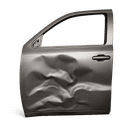
Physical Damage
Can help pay to repair or replace your own truck after an accident, fire, theft, or vandalism.
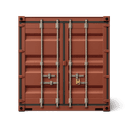
Cargo Coverage
May pay for damage to or theft of the freight you are hauling while it is in your care.
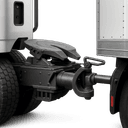
Trailer Interchange
Can help cover damage to trailers you haul under an interchange agreement but do not own.

Bobtail Coverage
May provide liability protection when you drive your tractor without a trailer attached, such as after dropping off a load.

Non-Trucking Liability
Can help cover accidents that happen when you use your truck for personal errands rather than dispatched work.
Commercial Truck Insurance Cost in Little Rock
Average Cost in Arkansas
$430 - $1,175
per month
Businesses in Arkansas typically see commercial truck insurance premiums of $430 - $1,175 per month, which tends to run 5% above the national range of $400 - $1,125 per month.
- Radius of operation
- Commodities hauled and cargo value
- Number and value of power units
- Driver motor vehicle records and CDL experience
- DOT safety record, inspections, and FMCSA scores
- Liability limits and physical damage deductibles
Contact CPK Insurance for a personalized quote.
Prices shown are general estimates, not guaranteed rates or quotes. Your actual premium will depend on the insurer, coverage selected, business details, location, claims history, and other underwriting factors. Learn about our pricing methodology.
Commercial truck insurance cost in Arkansas is shaped by the state's average premium range of $430 to $1,175 per month. Arkansas scores 91 on the national premium index, where 100 represents the U.S. average, which means your premiums may run lower than they would in higher-index states. A specific trucking account can still price higher if it carries higher limits, more endorsements, or a tougher risk profile. Tornado exposure is a major driver because the state's overall climate risk is rated high, and severe storms, flooding, and ice events can all increase claim potential.
The state also recorded 68,000 crashes in 2023, with a fatal crash rate of 1.88 compared with the national average of 1.33, which signals meaningful road risk for commercial vehicles. Claims history, location, coverage limits, deductibles, and policy endorsements all affect the final quote. A long-haul fleet, a regional delivery service, and a local hauler will not usually price the same way, especially if one needs cargo insurance, physical damage coverage, or motor carrier liability at higher limits. Expect the carrier to review where your trucks park, what freight you haul, and whether your routes run through higher-risk weather corridors.
Industries & Insurance Needs in Little Rock
Pulaski County's business mix is the local detail that most often changes who asks you for proof of coverage and how fast they ask for it. The county has 12,229 business establishments, so many trucking accounts here are not dealing with a single large shipper, but with a broad set of vendors, clinics, retailers, offices, and property operators that each have their own certificate and contract language. That usually means your insurance paperwork needs to be accurate and easy to update, not just inexpensive.
The county's leading sectors are retail trade at 13.8%, health care and social assistance at 13.1%, and professional, scientific, and technical services at 12.6%, so local delivery work often involves tighter delivery windows, more frequent stops, and counterparties that expect additional insured, waiver, or higher liability requests before access is granted. If your book of business includes any of those customer types, review certificate turnaround, cargo descriptions, and liability limits before you shop, because administrative fit can matter as much as premium.
What Makes Little Rock Different
Mixed-stop commercial demand is the main thing that changes the insurance calculus here. In a market where retail, health care, and office-service customers all sit close together, many trucking businesses are not running one simple lane with one cargo profile. They are switching between delivery environments, customer contracts, and parking situations across the same week. That creates underwriting questions that are easy to miss if your application only describes you as a general freight or local delivery account.
For a buyer, the practical consequence is straightforward: the more precisely your operation is described, the more usable your quote usually becomes. If you serve clinics, stores, and professional offices, say so. If some units stay local while others run farther out, separate them. If a truck is garaged at a yard but occasionally kept elsewhere, disclose that too. The goal is not to make the submission sound bigger. It is to make it accurate enough that the policy terms, certificates, and endorsements still work when a customer asks for proof of coverage on short notice.
Our Recommendation for Little Rock
Start with your customer list, not just your truck list. If your loads support retailers, medical facilities, or office-service clients, gather the contracts and recent certificate requests before you ask for quotes. That helps you check whether your current liability limits, cargo wording, and additional insured requests line up with the work you are already doing.
Next, separate your exposures by how the trucks are actually used. A unit doing short local delivery with frequent stops can be viewed differently from one handling longer scheduled runs, even if both sit on the same policy. Driver schedules, overnight parking, trailer interchange, and any use of leased operators should be reviewed the same way.
Finally, keep your submission tight and current. Vehicle values, VIN schedules, garaging, and commodity descriptions should match reality before renewal or before you approach a new shipper. In a smaller market, a clean application often does more for your options than sending the same incomplete details to more carriers.
Get Commercial Truck Insurance in Little Rock
Enter your ZIP code to compare commercial truck insurance rates from carriers in Little Rock, AR.
Business insurance starting at $25/mo
FAQ
Frequently Asked Questions
Little Rock trucking companies often work with a wide range of counterparties in Pulaski County, which has 12,229 business establishments. That usually means more lease, vendor, and shipper proof-of-coverage requests, so certificate accuracy and turnaround should be reviewed before you bind.
Little Rock owner-operators should lead with garaging, travel radius, cargo, driver history, and whether the truck handles mixed-stop delivery work. If your week includes retail, medical, and office-related stops, say that up front so the quote matches actual operations.
Pulaski County delivery work can affect how your policy is structured because the county's leading sectors are retail trade, health care and social assistance, and professional, scientific, and technical services. That mix often brings tighter delivery windows and more contract-driven insurance requests.
Little Rock fleets can keep multiple unit types on one policy, but the important step is separating how each truck is used. If some units stay local and others run farther out, ask for those exposures to be scheduled clearly before renewal.
Little Rock businesses should review customer type closely because different counterparties may ask for different certificates, liability limits, or endorsements. If you serve clinics, retailers, and office clients, compare those requests against your current policy before taking on new work.
Your policy can be built around motor carrier liability, physical damage, cargo coverage, trailer interchange, bobtail coverage, and non-trucking liability, with the right mix depending on whether you run long haul, regional, or local routes in Arkansas.
Arkansas commercial auto minimums are $25,000/$50,000/$25,000, but trucking businesses may need higher liability limits if they haul general freight, work under shipper contracts, or move higher-risk loads.
Your final price depends on limits, deductibles, claims history, location, and endorsements. The state's average premium range is $430 to $1,175 per month, but a specific account can price higher or lower based on the truck, route, and coverage mix.
Sources
- 1.U.S. Census Bureau, County Business Patterns, Pulaski County(Pulaski County has 12,229 business establishments, so many trucking accounts here deal with a broad set of customers that may each require proof of coverage.; The county's leading sectors are retail trade at 13.8%, health care and social assistance at 13.1%, and professional, scientific, and technical services at 12.6%, so local delivery work often involves tighter delivery windows and contract-driven insurance requests.)
Updated July 5, 2026





