Updated July 5, 2026

Homeowners Insurance in Little Rock
Right after you go under contract on a Hillcrest bungalow, schedule a closing on a newer place west of I-430, or start comparing escrow numbers before renewal, the local question is not just price. Homeowners insurance in Little Rock often turns on how closely your dwelling limit, other structures, and loss settlement terms match the kind of house you actually own here. The city’s median home value is $221,200, so many buyers need to check whether an older purchase price, a fast refinance estimate, or a lender worksheet is understating what it would take to repair or rebuild after a serious loss. That review matters just as much for long-time owners as it does for recent buyers. With median household income at $60,583, deductibles and optional endorsements also need to fit your monthly budget without leaving you with a claim payment you would struggle to absorb. Before you request quotes, pull your latest mortgage statement, note any detached garage, fence, or workshop, and ask for a side-by-side review of replacement cost assumptions, deductible options, and water-related limitations.
Arkansas has a high climate risk rating. Top hazards: Tornado (Very High), Severe Storm (High), Flooding (High), Ice Storm (Moderate). The state's expected annual loss from natural hazards is $920M, which influences homeowners insurance premiums and may affect coverage availability in high-risk areas.
What Homeowners Insurance Covers
Homeowners insurance in Arkansas typically centers on the dwelling, other structures, personal property, liability, and additional living expenses, but the exact wording and endorsements vary by carrier. Standard policies generally respond to fire, windstorms, hail, theft, and vandalism. That matters in a state where severe storms and tornadoes are the top hazard and where 2024 severe storms caused disaster declarations across 21 counties, meaning your policy's storm language directly affects whether repairs get paid for after a major event. Dwelling coverage should be set to rebuild at current construction costs, not to match the market value of your home. It matters because the median home value is $162,000 while the average dwelling coverage is $129,600, so owners who set limits to the purchase price may fall short on rebuild funds. Closing that gap means requesting a replacement-cost estimate based on local labor and materials rather than relying on the home's market value.
Personal property coverage usually protects belongings inside the home, but limits and special sublimits can differ for valuables. Liability coverage can help if someone is injured on your property, and additional living expenses coverage can help with temporary housing if a covered loss forces you out. Standard policies exclude flood damage, and Arkansas buyers should treat flood as a separate decision because spring flooding and hurricane or tropical storm losses have both affected the state. Medical payments coverage and other structures coverage may be included or offered as part of the policy structure. Confirm the limits and any exclusions with the carrier or agent before binding.
Coverage Included

Dwelling
Repairs or rebuilds your home itself, the walls, roof, floors, built-in appliances, and attached structures like a garage, after a covered loss. Set this limit to the full cost of rebuilding, not market value.
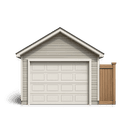
Other Structures
Detached structures on your property, such as a fence, shed, detached garage, or gazebo. Usually set at about 10 percent of your dwelling limit [2].

Personal Property
Your belongings, furniture, clothing, electronics, and appliances, generally written at 50 to 70 percent of your dwelling limit [2]. High-value items like jewelry and art carry special limits.

Additional Living Expenses
Also called loss of use. Pays your added living costs, hotel stays, meals, and a temporary rental, while a covered loss makes your home uninhabitable. Usually set at about 20 percent of your dwelling limit.

Liability
Covers you if someone is injured on your property, or you damage someone else's property, and you are found responsible. The standard $100,000 limit [2] is often raised to $300,000 or $500,000.

Medical Payments
Pays small medical bills, commonly $1,000 to $5,000, if a guest is hurt at your home regardless of fault, without a formal liability claim.
Homeowners Insurance Cost in Little Rock
Average Cost in Arkansas
$120 - $300
per month
In Arkansas, homeowners insurance premiums typically run $120 - $300 per month, which tends to run 17% above the national range of $110 - $250 per month.
- Home replacement cost, age, and construction type
- Roof age, material, and condition
- ZIP code and local weather risk (wind, hail, wildfire, hurricane)
- Coverage limits and endorsements
- All-peril and percentage wind/hail deductibles
- Claims history and insurance score where allowed
Typical range for many standard homeowners profiles; lower-risk homes fall below it and coastal, wildfire, or older-roof homes can run well above. Final pricing depends on property details, location, underwriting, and selected coverage.
Prices shown are general estimates, not guaranteed rates or quotes. Your actual premium will depend on the insurer, coverage selected, personal details, location, claims history, and other underwriting factors. Learn about our pricing methodology.
The cost of homeowners insurance in Arkansas is shaped by a mix of statewide pricing pressure and property-specific features. That premium index of 91 suggests a pricing advantage, but the state also shows a 17.9% premium difference versus the national homeowners average in the dwelling-cost data, meaning Arkansas premiums run higher than the national baseline. Your actual quote could land above or below that average depending on your home's age, roof condition, and location.
Tornado exposure is a major driver because Arkansas has a high overall climate risk rating and a very high tornado hazard rating. Carriers often weigh roof age, roof material, local construction costs, age and condition of the dwelling, and claims history in the area. The state's 2024 disaster history includes severe storms and tornadoes, which means carriers may apply stricter underwriting or higher wind deductibles statewide even if your home has no prior claims. Crime patterns can also affect pricing, since property crime remains elevated and local loss experience can influence personal property and dwelling rates. A home in Little Rock, Northwest Arkansas, or a county with repeated storm claims may price differently than a similar home elsewhere, especially if the roof is older or the replacement cost is higher than the purchase price. With many active insurers in the state, comparing multiple quotes is a practical way to see how each company weighs the same house.
What Makes Little Rock Different
Home values are the main local difference. In this market, the biggest mistake is treating your policy like a generic lender requirement instead of a property-specific rebuild plan. That is especially important if you own an older home with features that can be more expensive to match after a partial loss, or if you have added a deck, shed, fence, or renovated kitchen since your last review. The goal is not to insure the sale price alone. It is to pressure-test whether your dwelling limit, ordinance or law language, and loss settlement terms still line up with the house as it stands today. A quote review here should also separate what is covered for the main structure from what applies to detached structures and personal property. If your current declarations page is more than a year old, compare it against your latest appraisal, inspection notes, and any upgrade receipts before you renew.
Our Recommendation for Little Rock
Start with the declarations page, not the premium. Ask the agent to walk through dwelling, other structures, personal property, loss of use, and liability one by one, then explain where sublimits or exclusions could matter for your address and home type. If you are buying, send the listing sheet and inspection report so the quote reflects the roof, square footage, detached structures, and any recent updates. If you already own the home, bring receipts for remodels, major appliances, and exterior improvements because those changes can affect how much coverage you should review. Pulaski County has 12,229 business establishments, so many households here regularly have contractors, delivery drivers, or service vendors on the property. That makes it worth checking personal liability limits and asking whether a higher umbrella-style liability review makes sense for your situation. Before binding coverage, confirm the deductible you choose is one you can actually fund after a loss.
Get Homeowners Insurance in Little Rock
Enter your ZIP code to compare homeowners insurance rates from carriers in Little Rock, AR.
Home insurance starting at $50/mo
FAQ
Frequently Asked Questions
Little Rock buyers should start with rebuild details, then compare them against the home’s value. A quote review should test whether your dwelling limit and settlement terms still fit the property you own, especially after updates or additions.
Little Rock older homes deserve a closer look at roof age, wiring, plumbing, detached structures, and any upgrades completed after purchase. Bring the inspection report and renovation receipts so the quote reflects current conditions instead of a generic prior-policy estimate.
Little Rock owners should compare both options before changing anything. With median household income at $60,583, the better move is usually the deductible you can realistically pay after a claim, without stripping out useful property or liability protection.
Pulaski County households often have more people coming onto the property for deliveries, repairs, and home services. The county has 12,229 business establishments, so it is reasonable to review liability limits and ask whether your current limit still fits your exposure.
In Arkansas, homeowners insurance can help cover the dwelling, personal property, liability, additional living expenses, and sometimes other structures and medical payments depending on the policy form. The policy may respond to fire, windstorms, hail, theft, and vandalism, which matters in a state with very high tornado risk and repeated severe storm losses.
Homeowners insurance costs in Arkansas vary widely by property and coverage choices. Your final price depends on the home's location, roof age, construction, claims history, and the coverage limits and deductible you choose.
Mortgage lenders in Arkansas usually require active homeowners insurance before they will fund a loan, even though the state does not legally require it for an owner who has no mortgage. Lenders typically want enough dwelling coverage to protect the collateral, so the policy should match current rebuild costs rather than the purchase price.
If you own your home outright, Arkansas law does not force you to buy homeowners insurance, but you would be taking on the full risk of fire, wind, theft, liability, and other covered losses yourself. Many owners still keep coverage because severe storms, tornadoes, and high repair costs can create a large out-of-pocket bill.
Sources
- 1.U.S. Census Bureau, ACS 5-Year Estimates, table B25077(The city’s median home value is $221,200, so many buyers need to check whether an older purchase price, a fast refinance estimate, or a lender worksheet is understating what it would take to repair or rebuild after a serious loss.)
- 2.U.S. Census Bureau, ACS 5-Year Estimates, table B19013(With median household income at $60,583, deductibles and optional endorsements also need to fit your monthly budget without leaving you with a claim payment you would struggle to absorb.)
- 3.U.S. Census Bureau, County Business Patterns, Pulaski County(Pulaski County has 12,229 business establishments, so many households here regularly have contractors, delivery drivers, or service vendors on the property.)
Updated July 5, 2026